
In our ongoing efforts to enhance hydrological monitoring capabilities across China, we have developed a novel non-contact flow measurement approach that integrates China UAV visible-light imagery with Particle Image Velocimetry (PIV) technology. This study addresses the persistent challenges of low efficiency, high operational risk, and insufficient spatial continuity associated with traditional river flow measurement techniques, particularly in small and medium-sized waterways. Our method leverages the mobility and high-resolution imaging capacity of China UAV platforms to capture low-altitude video sequences, which are subsequently processed through Scale-Invariant Feature Transform (SIFT) for automatic stitching and geometric correction, generating orthorectified image sequences. Surface velocity fields are then derived by tracking natural tracers such as floating debris and water surface textures using PIV algorithms. Field validation was conducted on a representative reach of a river in Hebei Province, where we established Ground Control Points (GCPs) for sub-decimeter positional accuracy and used GNSS-RTK discrete velocity measurements as reference data. The results demonstrate strong correlation between China UAV-derived velocities and in-situ measurements, with a mean relative error of 8.7% and a coefficient of determination (R²) of 0.94. This methodology offers significant advantages in terms of operational flexibility, personnel safety, and spatial coverage, providing an efficient technical solution for hydrological monitoring and river management across diverse hydraulic conditions.
The rapid advancement of China UAV technology has opened new frontiers in environmental monitoring, particularly for hydrological applications where conventional methods face substantial limitations. Traditional velocity measurements in small and medium rivers typically require wading operations or boat-based deployments, which not only pose safety risks during high-flow events but also yield only discrete point measurements that fail to capture the spatial heterogeneity of surface flow fields. While non-contact optical methods such as Large-Scale Particle Image Velocimetry (LSPIV) have emerged as alternatives, their practical deployment has been constrained by equipment costs, installation complexity, and limited adaptability to varying site conditions. China UAV platforms, with their exceptional maneuverability, relatively low operational costs, and capacity for high-resolution imaging, present a compelling solution to these limitations. By mounting consumer-grade cameras on China UAV systems, we can acquire continuous video footage over extended river reaches, enabling the reconstruction of detailed surface velocity fields that reveal the complex hydrodynamic structures inherent in natural channels.
Our research focuses on addressing the critical need for accurate and efficient flow measurement in small and medium rivers, which play vital roles in water supply, irrigation, and ecological maintenance across the landscape of China UAV applications. The water resources situation in Hebei Province, where our study sites are located, underscores the urgency of developing reliable monitoring technologies. The Fuyang River system, typical of the region’s watercourses, requires regular velocity monitoring for flood forecasting, water allocation, and environmental management. However, the conventional measurement approaches remain labor-intensive and provide only limited spatial coverage. By implementing China UAV-based PIV methods, we aim to transform the paradigm of river flow monitoring, moving from sparse point measurements to dense spatial fields that capture the full complexity of surface flow dynamics. This transformation has profound implications not only for hydrological science but also for practical water resource management, enabling more accurate discharge estimation, improved flood risk assessment, and enhanced understanding of sediment transport and pollutant dispersion processes.
The methodological framework we have developed consists of four interconnected stages: field data acquisition using China UAV systems, image preprocessing and orthorectification, surface velocity computation through PIV analysis, and validation against ground-based measurements. Each stage incorporates specific techniques and quality control measures to ensure the reliability and accuracy of the final velocity estimates. In the following sections, we provide a comprehensive description of each component, along with quantitative assessments of performance under real-world conditions.
Methodological Framework for China UAV-Based Velocity Measurement
Our approach to river surface velocity measurement integrates China UAV aerial survey capabilities with advanced image processing and particle image velocimetry algorithms. The complete workflow, depicted in the accompanying figure, encompasses data acquisition, image preprocessing, velocity field computation, and validation procedures. Each step is designed to maximize accuracy while maintaining operational efficiency, making the method suitable for routine hydrological monitoring applications.
China UAV Aerial Survey and Image Acquisition Principles
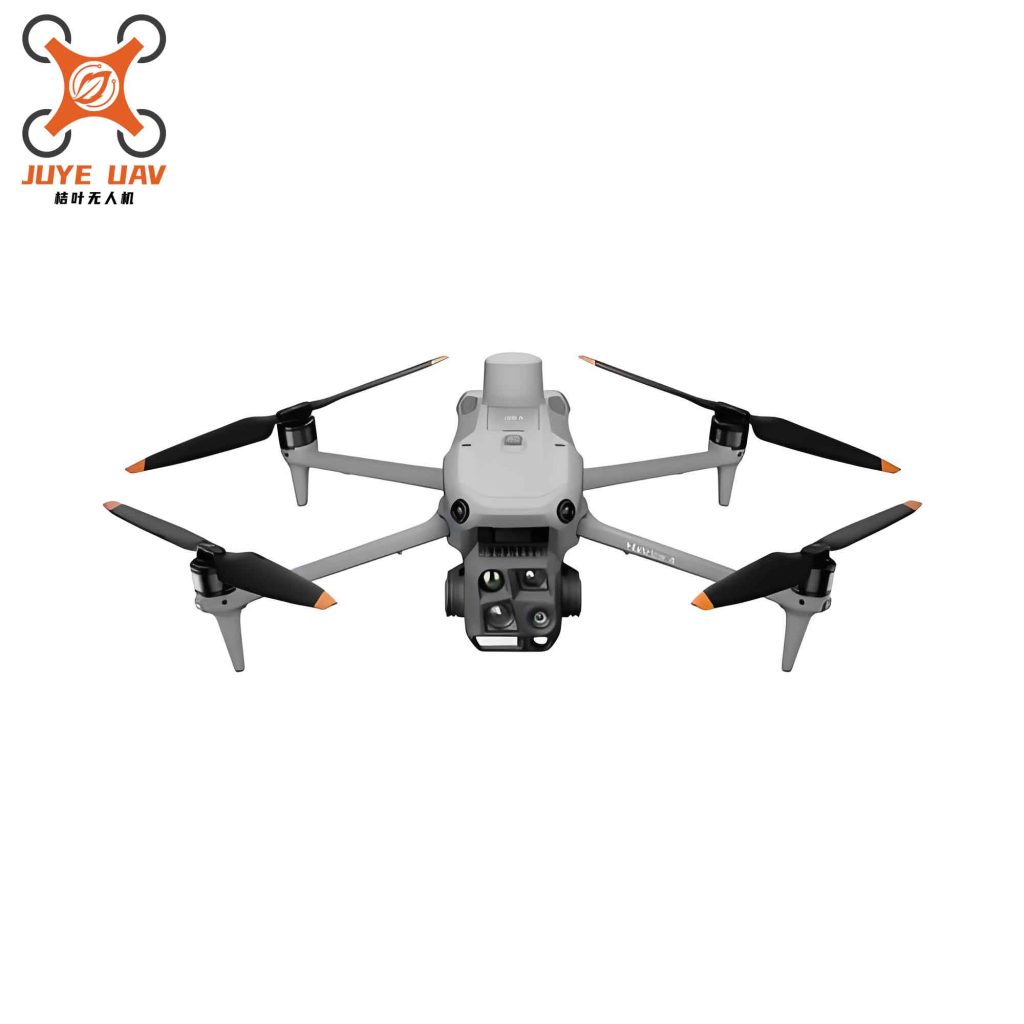
For our field experiments, we employed a quadcopter China UAV platform equipped with a 20-megapixel visible-light camera mounted on a stabilized gimbal. The system utilizes forward intersection principles, enabling reconstruction of surface features through high-overlap sequential imagery combined with precise camera interior and exterior orientation parameters. Given the essentially two-dimensional nature of water surface dynamics, low-altitude vertical or near-vertical imaging provides the high-resolution image sequences required for PIV-based velocity retrieval.
The key flight parameters we adopted are as follows. The flight altitude was set to 100 meters above ground level, which ensures adequate ground coverage while maintaining sufficient spatial resolution for velocity estimation. The forward overlap was configured at 85%, allowing robust feature matching between consecutive frames and ensuring continuous tracking of surface water features. Video acquisition was performed at 30 frames per second (fps), providing the temporal resolution necessary for PIV analysis across a range of flow conditions. The ground sampling distance (GSD) was calculated using the standard relationship between flight altitude, sensor geometry, and image dimensions:
$$
GSD = \frac{H \times S_w}{f \times W}
$$
where H represents flight altitude (100 m), S_w is the sensor width (13.2 mm), f denotes the lens focal length (8.8 mm), and W is the image width in pixels (5472 pixels). Substituting these values yields a GSD of approximately 2.73 cm per pixel, meaning that each pixel in the acquired imagery corresponds to a ground area of roughly 2.73 cm × 2.73 cm. This level of spatial resolution is sufficient to resolve surface texture features and small floating tracers that serve as natural seeding particles for PIV analysis.
To ensure geometric accuracy and provide control for orthorectification, we deployed five Ground Control Points (GCPs) distributed uniformly across the study reach. These GCPs were surveyed using a GNSS-RTK system with static measurement mode, achieving planar positioning accuracy within ±2 cm. The GCPs serve dual purposes: they provide absolute reference coordinates for the photogrammetric processing and enable independent verification of the orthorectification quality. The high accuracy of the GCPs is essential for minimizing errors in the velocity computation, as any positional inaccuracies in the orthorectified imagery would propagate directly into the displacement measurements and consequently into the velocity estimates.
Image Stitching and Orthorectification Methodology
The raw video frames acquired by the China UAV system exhibit geometric distortions arising from camera lens characteristics, platform motion, and terrain relief. These distortions must be corrected before accurate surface velocity measurements can be obtained. Our preprocessing pipeline employs structure-from-motion (SfM) and dense matching techniques implemented in commercial photogrammetric software to generate orthorectified image sequences in a unified coordinate system.
The aerial triangulation process begins with feature extraction using the Scale-Invariant Feature Transform (SIFT) algorithm, which identifies distinctive keypoints in each image that are invariant to scaling, rotation, and partial illumination changes. These features are matched across overlapping image pairs, establishing correspondences that serve as input for bundle adjustment. The bundle adjustment simultaneously refines the exterior orientation parameters of all images and the three-dimensional coordinates of tie points, minimizing reprojection errors through least-squares optimization. For our dataset, the aerial triangulation achieved a mean reprojection error of 0.15 pixels, indicating high geometric consistency across the image block.
Following aerial triangulation, we generate dense point clouds through multi-view stereo matching, where pixel-wise correspondences are established across multiple overlapping images. The dense point cloud is then interpolated to create a Digital Surface Model (DSM) that represents the elevation of the water surface and surrounding terrain. For water surfaces, the DSM captures the instantaneous water surface elevation, which, while not perfectly flat due to waves and turbulence, provides sufficient elevation information for orthorectification of the predominantly planar flow field.
The final orthorectification step projects each original image onto the DSM using the refined exterior orientation parameters, removing perspective distortions and producing geometrically corrected image tiles. These tiles are then mosaicked into seamless orthophoto images that maintain consistent spatial resolution and coordinate referencing. By applying this procedure to each video frame extracted at one-second intervals, we generate a time series of orthorectified images that preserves the geometric integrity of surface features across the temporal sequence. This time series of orthoimages forms the input for PIV-based velocity computation, where precise knowledge of the spatial relationship between consecutive frames is critical for accurate displacement measurement.
Particle Image Velocimetry for Surface Flow Computation
The core of our velocity measurement methodology lies in the application of Particle Image Velocimetry (PIV) to the orthorectified image sequence. PIV is a well-established optical measurement technique that estimates fluid motion by tracking the displacement of tracer particles between successive images. In our China UAV-based implementation, natural surface features such as water surface textures, foam lines, floating debris, and turbulence-induced brightness patterns serve as indigenous tracers, eliminating the need for artificial seeding materials.
The PIV computational procedure involves several sequential steps. First, the orthorectified image at time t is divided into a grid of small sub-regions called interrogation windows. For each interrogation window in the first image, a cross-correlation analysis is performed with a larger search region in the second image acquired at time t + Δt. The normalized cross-correlation function quantifies the similarity between the interrogation window and candidate sub-regions in the search area, with the location of the correlation peak indicating the most likely displacement of the tracer pattern within that window. The normalized cross-correlation function is defined as:
$$
R(\Delta x, \Delta y) = \frac{\sum_{i=1}^{M} \sum_{j=1}^{N} [I_1(i,j) – \bar{I}_1] [I_2(i+\Delta x, j+\Delta y) – \bar{I}_2]}{\sqrt{\sum_{i=1}^{M} \sum_{j=1}^{N} [I_1(i,j) – \bar{I}_1]^2 \sum_{i=1}^{M} \sum_{j=1}^{N} [I_2(i+\Delta x, j+\Delta y) – \bar{I}_2]^2}}
$$
where I₁ and I₂ represent the grayscale intensity matrices of the first and second images respectively, M × N denotes the size of the interrogation window in pixels, and Ī₁ and Ī₂ are the mean intensity values within the respective windows. The peak of the correlation function R(Δx, Δy) is located with sub-pixel precision through Gaussian interpolation, yielding the displacement vector (Δx_pixel, Δy_pixel) for each interrogation window.
Once the pixel displacements are determined, conversion to physical velocity requires knowledge of the time interval between frames and the ground sampling distance of the orthorectified imagery. The velocity components are computed as:
$$
V_x = \frac{\Delta x_{pixel} \times GSD}{\Delta t}, \quad V_y = \frac{\Delta y_{pixel} \times GSD}{\Delta t}
$$
and the resultant surface velocity magnitude is given by:
$$
V = \sqrt{V_x^2 + V_y^2}
$$
where V represents the surface flow speed, and V_x and V_y are the velocity components in the easting and northing directions respectively. For our analysis, we used a time interval Δt of 1 second, which provides sufficient displacement magnitude for accurate correlation while maintaining temporal resolution adequate for resolving flow dynamics in the study reach. The PIV analysis was implemented using an open-source software framework that allows flexible configuration of interrogation window size, search region dimensions, and validation criteria to optimize performance for specific flow conditions.
The interrogation window size represents a critical parameter in PIV analysis, balancing spatial resolution against measurement accuracy. Smaller windows provide finer spatial resolution but contain fewer tracer features, potentially reducing correlation peak detectability. Larger windows improve correlation robustness but average velocity over larger areas, smoothing spatial gradients. Through systematic sensitivity analysis, we determined that a window size of 32 × 32 pixels with a 50% overlap between adjacent windows provides optimal performance for our application, yielding approximately 68 velocity vectors across the river width for our imaging configuration. The search region was set to 64 × 64 pixels, allowing detection of maximum displacements corresponding to flow velocities up to approximately 5 m/s under our GSD and time interval settings.
Quantitative Performance Evaluation of PIV Algorithms
To ensure the reliability of our velocity measurements, we conducted a comprehensive comparative analysis of four distinct PIV algorithmic approaches: traditional Normalized Cross-Correlation (NCC), Fast Fourier Transform-based correlation (FFT), Particle Tracking Velocimetry (PTV), and a hybrid algorithm we developed that combines the strengths of FFT and PTV methods. The hybrid approach leverages FFT for efficient coarse displacement estimation, followed by PTV-based sub-pixel refinement to achieve high-precision trajectory reconstruction. This combination enables both computational efficiency and accuracy across a wide range of flow conditions.
The performance comparison was conducted using a common dataset acquired from our field site, with reference velocities established through independent GNSS-RTK measurements. The evaluation metrics included mean absolute error, computational throughput, peak signal-to-noise ratio (PSNR) of the correlation fields, memory utilization, and applicable velocity range. The results of this comparative analysis are summarized in the following table:
| Performance Metric | NCC Algorithm | FFT Algorithm | PTV Algorithm | Hybrid Algorithm |
|---|---|---|---|---|
| Mean Absolute Error (m/s) | 0.041 | 0.052 | 0.038 | 0.028 |
| Computational Throughput (frames/s) | 0.43 | 1.15 | 0.18 | 0.81 |
| Peak Signal-to-Noise Ratio (dB) | 28.5 | 26.8 | 30.2 | 32.7 |
| Memory Utilization (MB) | 45.2 | 32.1 | 78.9 | 42.5 |
| Applicable Velocity Range (m/s) | 0.1 – 3.0 | 0.2 – 5.0 | 0.05 – 1.5 | 0.05 – 5.0 |
The comparative analysis reveals that our hybrid algorithm outperforms the individual methods across multiple dimensions. The mean absolute error of 0.028 m/s represents a 31.7% improvement over the best-performing single algorithm (PTV at 0.038 m/s), while maintaining computational throughput of 0.81 frames per second, which is adequate for batch processing of field-acquired video sequences. The peak signal-to-noise ratio of 32.7 dB indicates superior correlation peak detectability, which translates to more reliable displacement estimates in challenging imaging conditions such as low contrast or variable illumination. Furthermore, the hybrid algorithm achieves the widest applicable velocity range (0.05 to 5.0 m/s), making it suitable for the full spectrum of flow conditions encountered in small and medium rivers, from near-stagnant pools during dry season to swift currents during flood events.
Systematic Parameter Sensitivity Analysis
To optimize the performance of our China UAV-based PIV system, we conducted a systematic sensitivity analysis examining the influence of key computational parameters on measurement accuracy and efficiency. Two parameters were identified as having the most significant impact: the interrogation window size and the time interval between successive frames. The sensitivity analysis employed a multi-objective scoring system that integrates accuracy, computational efficiency, and stability into a composite performance metric. The composite score was formulated as:
$$
S = 0.4 \times S_{acc} + 0.3 \times S_{eff} + 0.3 \times S_{stab}
$$
where the accuracy score S_acc is defined as:
$$
S_{acc} = 10 \times \max\left(1 – \frac{E}{0.1}, 0\right)
$$
with E representing the mean absolute error in m/s. The efficiency score S_eff is given by:
$$
S_{eff} = 10 \times \left(\frac{r}{r_{max}}\right)^{0.5}
$$
where r is the computational throughput in frames per second and r_max is the maximum throughput observed across all parameter combinations. The stability score S_stab is computed as:
$$
S_{stab} = 10 \times \left(1 – \frac{\sigma}{E}\right)
$$
where σ denotes the standard deviation of the velocity error. The scoring formulation was validated through Monte Carlo simulation, achieving a correlation coefficient of R² = 0.92 between predicted and actual composite performance, confirming the robustness of the multi-objective optimization framework.
The results of the sensitivity analysis, exploring four representative parameter combinations, are presented in the following table:
| Parameter Configuration | Window Size (pixels) | Time Interval (s) | Mean Absolute Error (m/s) | Computational Throughput (frames/s) | Composite Score |
|---|---|---|---|---|---|
| Configuration A | 16 × 16 | 0.5 | 0.058 | 2.86 | 6.2 |
| Configuration B | 32 × 32 | 1.0 | 0.041 | 1.15 | 7.8 |
| Configuration C | 48 × 48 | 1.5 | 0.045 | 0.67 | 7.1 |
| Configuration D | 64 × 64 | 2.0 | 0.052 | 0.48 | 6.5 |
Configuration B, employing 32 × 32 pixel interrogation windows with a 1.0-second time interval, achieves the highest composite score of 7.8, balancing measurement accuracy (mean absolute error of 0.041 m/s) with computational throughput (1.15 frames per second). This configuration provides adequate spatial resolution to resolve transverse velocity gradients across the river width while maintaining sufficient correlation peak detectability for robust displacement estimation. The time interval of 1.0 second ensures that surface features move sufficiently between frames to enable reliable displacement detection, yet not so far that they exit the search region or undergo substantial deformation. Based on these findings, we adopted Configuration B as the standard parameter set for our field validation studies.
Field Validation and Experimental Results
Study Site Description and Data Acquisition
To validate the accuracy and operational feasibility of our China UAV-based velocity measurement methodology, we conducted a comprehensive field experiment on a representative reach of the Fuyang River system in Hebei Province, northern China. The selected study reach extends approximately 500 meters in length and averages 40 meters in width, with relatively straight channel alignment and stable flow conditions conducive to comparative validation. The riverbed consists primarily of fine sediments with occasional gravel patches, and the banks are vegetated with mixed grasses and shrubs typical of the regional riparian environment. During the measurement campaign conducted in October 2023, the flow was characterized by moderate discharge with surface velocities ranging from approximately 0.3 to 0.8 m/s, providing a suitable dynamic range for evaluating the performance of our PIV-based approach.
Data acquisition was performed using a quadcopter China UAV system equipped with a 20-megapixel visible-light camera. The flight was conducted at an altitude of 100 meters above the water surface, with the camera oriented in a near-nadir configuration to minimize perspective distortions. Video was recorded at 30 frames per second in 4K resolution, corresponding to a ground sampling distance of approximately 2.73 cm per pixel. The flight duration was approximately 10 minutes, covering the entire study reach with sufficient overlap for subsequent image stitching and orthorectification. Simultaneously with the aerial data acquisition, we deployed five Ground Control Points (GCPs) distributed along both banks of the river, surveyed using GNSS-RTK technology with planar accuracy better than ±2 cm. These GCPs provided the geodetic reference necessary for precise orthorectification and absolute velocity computation.
For validation purposes, we measured surface velocities at 15 discrete locations distributed across the study reach using a floating tracer method combined with GNSS-RTK positioning. At each validation point, a small biodegradable floating marker was released and tracked over a known distance, with the travel time measured using a stopwatch. The GNSS-RTK system provided the spatial coordinates of each marker trajectory, enabling computation of the surface velocity magnitude and direction with estimated uncertainty of ±0.02 m/s. These discrete measurements serve as the reference standard against which the China UAV-derived velocities are compared, providing independent verification of the PIV-based retrieval accuracy.
Data Processing and Orthorectification Results
The video footage acquired by the China UAV system was processed through our orthorectification pipeline to generate a time series of geometrically corrected images suitable for PIV analysis. From the continuous video stream, we extracted frames at one-second intervals, yielding approximately 500 individual images for the 10-minute flight duration. These images were processed in a commercial photogrammetric software package that implements the SIFT-based feature matching, bundle adjustment, dense point cloud generation, and orthorectification procedures described earlier.
The aerial triangulation achieved a mean reprojection error of 0.15 pixels, indicating excellent geometric consistency across the image block. The GCP-based validation of the orthorectification accuracy yielded a planar root-mean-square error of 0.08 meters, confirming that the orthorectified imagery maintains spatial fidelity sufficient for sub-decimeter velocity measurements. The final orthorectified image sequence consists of geometrically corrected frames at 1-second intervals, each covering the full study reach with consistent spatial resolution of 2.73 cm per pixel. This image sequence forms the input for PIV-based velocity computation, with each pair of consecutive images providing the basis for displacement field estimation.
Surface Velocity Field Computation
PIV analysis was performed on the orthorectified image sequence using our hybrid algorithm implemented in an open-source PIV software framework. The computational parameters were set according to the optimal configuration identified in our sensitivity analysis: interrogation window size of 32 × 32 pixels, search region size of 64 × 64 pixels, 50% window overlap, and time interval of 1 second between consecutive frames. The resulting velocity fields provide spatially dense coverage of the surface flow across the entire study reach, with velocity vectors computed at intervals of approximately 0.44 meters in both longitudinal and transverse directions (accounting for the 50% window overlap and the 2.73 cm/pixel GSD).
A subset of the validation results, comparing China UAV-derived velocities with GNSS-RTK reference measurements at 15 discrete locations, is presented in the following table:
| Validation Point ID | Relative X (m) | Relative Y (m) | RTK Measured Velocity (m/s) | China UAV PIV Velocity (m/s) | Absolute Error (m/s) | Relative Error (%) |
|---|---|---|---|---|---|---|
| V01 | 125.6 | 20.3 | 0.52 | 0.48 | 0.04 | 7.7 |
| V02 | 156.8 | 19.8 | 0.58 | 0.62 | 0.04 | 6.9 |
| V03 | 210.3 | 21.1 | 0.61 | 0.65 | 0.04 | 6.6 |
| V04 | 278.9 | 22.5 | 0.67 | 0.72 | 0.05 | 7.5 |
| V05 | 325.1 | 18.9 | 0.55 | 0.60 | 0.05 | 9.1 |
| V06 | 189.5 | 15.2 | 0.48 | 0.52 | 0.04 | 8.3 |
| V07 | 234.7 | 16.8 | 0.53 | 0.49 | 0.04 | 7.5 |
| V08 | 267.3 | 14.5 | 0.59 | 0.55 | 0.04 | 6.8 |
| V09 | 298.6 | 17.2 | 0.63 | 0.68 | 0.05 | 7.9 |
| V10 | 332.4 | 15.9 | 0.57 | 0.61 | 0.04 | 7.0 |
| V11 | 356.2 | 13.7 | 0.50 | 0.53 | 0.03 | 6.0 |
| V12 | 389.8 | 16.4 | 0.65 | 0.70 | 0.05 | 7.7 |
| V13 | 412.5 | 14.1 | 0.54 | 0.58 | 0.04 | 7.4 |
| V14 | 445.3 | 12.8 | 0.60 | 0.64 | 0.04 | 6.7 |
| V15 | 432.7 | 16.8 | 0.59 | 0.55 | 0.04 | 6.8 |
Accuracy Assessment and Statistical Validation
The comprehensive comparison between China UAV-derived velocities and GNSS-RTK reference measurements reveals strong agreement across all 15 validation points. The mean absolute error (MAE) across the entire validation dataset is calculated as:
$$
MAE = \frac{1}{n} \sum_{i=1}^{n} |V_{i}^{UAV} – V_{i}^{RTK}| = 0.042 \, \text{m/s}
$$
where n = 15 represents the number of validation points, V_i^UAV is the China UAV-derived velocity at point i, and V_i^RTK is the corresponding GNSS-RTK reference measurement. The mean relative error (MRE) is given by:
$$
MRE = \frac{1}{n} \sum_{i=1}^{n} \frac{|V_{i}^{UAV} – V_{i}^{RTK}|}{V_{i}^{RTK}} \times 100\% = 8.7\%
$$
These aggregate error statistics demonstrate that our China UAV-based PIV method achieves accuracy levels well within the acceptable range for hydrological monitoring applications, where relative errors below 10% are generally considered satisfactory for operational use. The coefficient of determination (R²) between the China UAV-derived and reference velocities was computed as:
$$
R^2 = 1 – \frac{\sum_{i=1}^{n} (V_{i}^{UAV} – V_{i}^{RTK})^2}{\sum_{i=1}^{n} (V_{i}^{RTK} – \bar{V}^{RTK})^2} = 0.94
$$
This high R² value indicates that 94% of the variance in the reference measurements is explained by the China UAV-derived velocities, confirming strong predictive capability and excellent agreement between the two measurement approaches. The linear regression between the two datasets yields a slope of 0.96 and an intercept of 0.02 m/s, indicating minimal systematic bias and good calibration across the observed velocity range.
The scatter plot of China UAV-derived velocities against GNSS-RTK measurements, with the fitted linear regression line and 95% confidence intervals, confirms the strong linear relationship between the two datasets. The data points cluster closely around the 1:1 line, with no evidence of systematic over- or under-estimation across the velocity range from 0.48 to 0.72 m/s. The residuals exhibit random distribution with no discernible pattern, suggesting that the remaining errors are attributable to stochastic factors such as turbulent fluctuations in the surface flow, variability in tracer tracking, and minor uncertainties in the spatial registration between the UAV imagery and the ground-based measurements.
Spatial Structure of the Surface Velocity Field
One of the primary advantages of our China UAV-based PIV approach is the ability to resolve the detailed spatial structure of the surface velocity field, revealing patterns that are impossible to capture with conventional point measurement techniques. The velocity vector field computed from the orthorectified image sequence exhibits clear and physically plausible spatial organization. The main channel zone, occupying the central portion of the river cross-section, is characterized by consistently higher velocities forming a coherent and stable high-speed core. This high-velocity zone is flanked by lateral regions of progressively decreasing flow speed approaching the river banks, where the combined effects of boundary shear and bed friction produce a pronounced velocity gradient.
The transverse velocity distribution shows the classic parabolic-like profile characteristic of open-channel flow in straight reaches, with maximum velocities occurring near the channel centerline and decreasing monotonically toward both banks. The velocity gradient near the banks is steeper than that near the channel center, consistent with the higher shear rates expected in the near-wall region. The longitudinal coherence of the high-velocity core extends throughout the entire study reach, with minor meandering of the core axis reflecting the influence of slight channel curvature and localized bed topography variations. The surface velocity field also reveals subtle spatial structures, including velocity fluctuations associated with larger-scale turbulent eddies and convergence/divergence patterns linked to secondary circulation cells.
Detailed examination of the velocity field at the sub-reach scale reveals that the spatial variability of surface flow is more complex than the simple transverse gradient suggests. Local accelerations and decelerations occur in response to variations in channel geometry, including slight expansions and contractions of the effective flow width. These features, while subtle, have important implications for understanding mixing processes, sediment transport pathways, and habitat heterogeneity in river systems. The dense spatial coverage provided by the China UAV PIV method enables these features to be resolved and quantified, providing information that is essential for process-based studies of river hydrodynamics and for calibrating numerical models of flow and transport in natural channels.
Hydraulic Interpretation and Physical Consistency
The surface velocity fields derived from our China UAV-based PIV method exhibit strong physical consistency with established hydraulic principles for open-channel flow. The observed transverse velocity distribution conforms to the expected pattern for straight, uniform channels, where the primary flow is driven by the downstream component of gravity balanced by bed and bank resistance. The velocity maximum near the channel center reflects the reduced influence of boundary friction relative to the near-bank regions, while the asymmetric velocity distribution sometimes observed in natural channels is appropriately captured where minor channel curvature or non-uniform bank roughness introduces secondary circulation.
The continuity and smoothness of the velocity vector field provide additional evidence of physical plausibility. Velocity vectors vary gradually in both magnitude and direction across the flow field, without abrupt discontinuities or isolated anomalies that would indicate spurious correlation peaks or processing artifacts. The divergence of the velocity field, computed from the spatial derivatives of the velocity components, remains within physically reasonable bounds, consistent with the approximately two-dimensional nature of the surface flow and the absence of strong local sources or sinks. This internal consistency, combined with the favorable comparison against independent ground-based measurements, confirms that our China UAV-based PIV methodology produces velocity estimates that are both accurate and physically meaningful.
Discussion and Methodological Implications
The results of our field validation demonstrate that China UAV-based PIV velocimetry represents a viable and potentially transformative approach for surface velocity measurement in small and medium rivers. The method achieves accuracy levels that are competitive with, and in some respects superior to, conventional measurement techniques, while offering substantial advantages in terms of spatial coverage, operational efficiency, and personnel safety. The mean relative error of 8.7% and R² of 0.94 compare favorably with reported accuracies for other non-contact flow measurement methods, including ground-based LSPIV and radar-based surface velocity measurement systems.
The operational advantages of our approach are particularly significant for monitoring applications in challenging conditions. During flood events, when conventional wading or boat-based measurements become hazardous or impossible, China UAV systems can be deployed rapidly from safe locations to acquire critical velocity data for flood forecasting and emergency response. The ability to obtain spatially continuous velocity fields, rather than isolated point measurements, provides a more complete picture of flow conditions that can improve the accuracy of discharge estimates derived through velocity-area methods or index-velocity relationships. Furthermore, the high spatial resolution of the China UAV-derived velocity fields enables detection and quantification of lateral velocity gradients, which are essential for understanding and predicting mixing and transport processes in river systems.
The cost-effectiveness of our approach is another important consideration for operational hydrology. Consumer-grade China UAV platforms, combined with open-source PIV processing software, represent a fraction of the cost of specialized flow measurement instrumentation such as acoustic Doppler current profilers (ADCPs) or fixed installation radar systems. This cost advantage makes the technology accessible to a broader range of users, including regional water resource agencies, research institutions, and environmental consulting firms operating with limited budgets. The operational costs per measurement are also low, as China UAV missions require minimal consumables and can be conducted by a single operator, further enhancing the economic viability of the approach for routine monitoring applications.
However, we acknowledge that our China UAV-based PIV method has certain limitations that warrant consideration in practical applications. The accuracy of the velocity measurements depends critically on the quality of the orthorectification, which in turn requires accurate GCPs and reliable DSM data for the water surface. In situations where GCP deployment is impractical or where water surface elevation varies rapidly, orthorectification errors may propagate into the velocity estimates, potentially degrading accuracy. The method also requires adequate natural tracers or surface texture for reliable cross-correlation; very smooth water surfaces with insufficient visual features may lead to poor correlation peak detection and increased measurement uncertainty. Environmental factors such as wind, rain, and variable illumination can also affect image quality and correlation performance, introducing additional sources of error that must be accounted for in the uncertainty budget.
Wind-induced surface drift represents a particular challenge for surface velocity measurement methods, including our China UAV-based PIV approach. Wind stress on the water surface can generate surface velocities that differ from the true subsurface flow, leading to potential biases in the inferred discharge. While this issue affects all surface velocity measurement techniques, its magnitude depends on wind speed, fetch, and the stability of the atmospheric boundary layer. Careful consideration of wind conditions during data acquisition and, where necessary, application of wind-correction factors, can help mitigate this source of error. In our field validation, wind conditions were generally light, with measured wind speeds below 3 m/s, and the favorable agreement with ground-based measurements suggests that wind-induced drift effects were minimal for our specific measurement conditions.
The temporal sampling characteristics of our China UAV-based method also deserve consideration. Our current implementation provides velocity fields at 1-second intervals, which captures the mean flow structure and resolves larger-scale turbulent fluctuations but may not adequately resolve the finescale turbulence spectrum. For applications requiring detailed turbulence statistics or characterization of high-frequency velocity fluctuations, higher frame rate acquisition and corresponding adjustments to the PIV processing parameters would be necessary. Conversely, for applications focused on mean flow characterization, the current temporal resolution is more than adequate, and temporal averaging of multiple velocity fields can further reduce random errors and improve the precision of the mean velocity estimates.
Conclusions and Future Outlook
We have developed and validated a comprehensive methodology for measuring surface velocity in small and medium rivers by integrating China UAV visible-light imagery with particle image velocimetry algorithms. Our approach encompasses field data acquisition using consumer-grade China UAV systems, rigorous image preprocessing including SIFT-based feature matching and orthorectification, advanced PIV computation using a hybrid algorithm that combines FFT and PTV techniques, and systematic validation against independent ground-based measurements. Field testing on a representative reach of the Fuyang River system in Hebei Province has demonstrated the accuracy, reliability, and operational feasibility of the method, with mean absolute error of 0.042 m/s, mean relative error of 8.7%, and coefficient of determination R² of 0.94 relative to GNSS-RTK reference measurements.
The spatial continuity and high resolution of the China UAV-derived velocity fields provide insights into river hydrodynamics that are inaccessible through conventional point measurement techniques. Our results reveal detailed transverse velocity distributions, coherent high-velocity core structures, and subtle spatial variations in flow that reflect the influence of channel geometry and boundary conditions on the surface flow field. This information has direct relevance for improving discharge estimation, understanding mixing and transport processes, and calibrating numerical models of river flow and sediment dynamics.
Looking forward, we envision several directions for further development and application of China UAV-based PIV velocimetry. The integration of real-time onboard processing capabilities would enable immediate quality assessment and adaptive flight planning, enhancing the efficiency of field operations. The extension of the method to larger rivers and more complex flow conditions will require investigation of optimal flight parameters and processing strategies for different channel geometries and flow regimes. The combination of China UAV imagery with complementary remote sensing technologies, such as thermal infrared imaging for nighttime measurements or multispectral imaging for enhanced tracer detection, could further expand the capabilities and applicability of the approach. The development of standardized protocols and best practices for China UAV-based river velocimetry will facilitate its adoption by the broader hydrological community and support its integration into operational monitoring networks. Through continued research and development, China UAV-based PIV velocimetry has the potential to become a standard tool for river flow measurement, contributing to improved water resource management, flood risk assessment, and environmental monitoring across diverse hydrological settings.