
We present a comprehensive study on the application of China drone technology combined with Particle Image Velocimetry (PIV) for measuring surface flow velocities in small and medium rivers. Traditional hydrological velocity measurement methods often require manual deployment of instruments, which is inefficient, labor-intensive, and poses safety risks during high-flow events. To address these challenges, we developed a non-contact measurement framework that leverages China drone aerial survey capabilities to capture high-resolution visible-light video sequences, from which continuous surface velocity fields are extracted using advanced PIV algorithms.
Our research was motivated by the urgent need for efficient and safe hydrological monitoring in regions where conventional methods fall short. The use of China drone technology enables rapid deployment, wide spatial coverage, and reduced operational risk, making it particularly suitable for monitoring small and medium rivers. In this study, we conducted field experiments on a representative reach of the Fuyang River in Hebei Province, using a DJI Phantom 4 RTK China drone equipped with a 20-megapixel camera. The drone was flown at an altitude of 100 meters, capturing 4K video at 30 frames per second. Ground Control Points (GCPs) were established using GNSS-RTK surveying to ensure sub-decimeter geometric accuracy. The acquired video frames were processed through a workflow involving Scale-Invariant Feature Transform (SIFT) for automatic stitching, orthorectification using digital surface models, and subsequent PIV analysis to derive surface velocity vectors.
The core innovation of our approach lies in the integration of China drone aerial imagery with a hybrid PIV algorithm that combines the computational efficiency of Fast Fourier Transform (FFT) for coarse displacement estimation and Particle Tracking Velocimetry (PTV) for fine-scale trajectory refinement. This hybrid method achieves a balance between accuracy and computational speed, making it feasible for real-time or near-real-time hydrological monitoring. We validated the method against 15 discrete surface velocity measurements collected simultaneously using GNSS-RTK positioning with floating tracers. The comparison yielded a mean absolute error of 0.042 m/s, a mean relative error of 8.7%, and a coefficient of determination R² of 0.94, demonstrating strong agreement between the China drone-derived velocities and ground-truth measurements.
Beyond validation, we conducted systematic sensitivity analyses to identify optimal parameter configurations for the PIV algorithm. Our results show that an interrogation window size of 32×32 pixels combined with a time interval of 1.0 second provides the best trade-off between spatial resolution and computational efficiency. The effective measurement range of the proposed method spans from 0.05 m/s to 5.0 m/s, covering the typical flow conditions encountered in small and medium rivers. The robustness of the method was further confirmed under various surface texture conditions, including low-tracer scenarios and varying illumination, demonstrating the adaptability of China drone-based PIV for operational hydrology.
The following sections detail the methodological framework, experimental design, algorithm performance evaluation, and validation results. We also discuss the implications of our findings for future hydrological monitoring practices and the potential for scaling this technology across different river systems using China drone platforms.
1. Methodological Framework and Principles
Our technical workflow comprises four core stages: field data acquisition using a China drone, image preprocessing and orthorectification, surface velocity computation via PIV analysis, and accuracy validation against independent measurements. Figure 1 illustrates the overall workflow, which is designed to be modular and adaptable to different river environments.
1.1 China Drone Aerial Survey and Image Acquisition
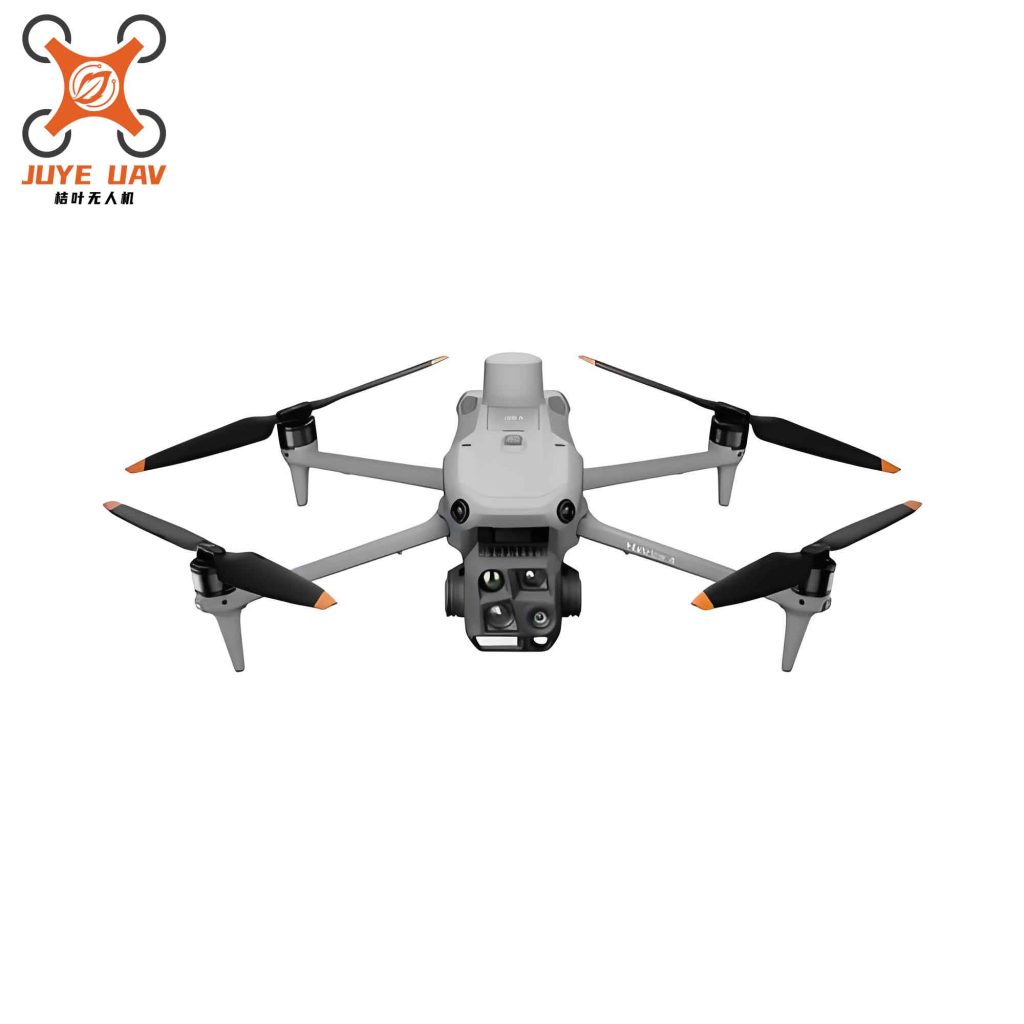
We employed a DJI Phantom 4 RTK China drone equipped with a 20-megapixel CMOS sensor. The RTK module provides real-time kinematic positioning with centimeter-level accuracy, which is critical for precise georeferencing of the acquired imagery. The drone was programmed to follow a predefined flight path at an altitude of 100 meters above the water surface, ensuring a ground sampling distance (GSD) of approximately 2.73 cm/pixel. The GSD is calculated as follows:
$$
\text{GSD} = \frac{H \times S_w}{f \times W}
$$
where \( H = 100 \, \text{m} \) is the flight altitude, \( S_w = 13.2 \, \text{mm} \) is the sensor width, \( f = 8.8 \, \text{mm} \) is the focal length, and \( W = 5472 \, \text{pixels} \) is the image width. Substituting these values yields a GSD of 2.73 cm/pixel, meaning each pixel in the image corresponds to a ground area of approximately 2.73 cm × 2.73 cm. This high spatial resolution is essential for capturing fine-scale surface features that serve as natural tracers for PIV analysis.
The flight parameters were carefully selected to balance coverage, resolution, and computational load. The forward overlap was set to 85%, ensuring sufficient feature redundancy for image stitching and motion tracking. The video was recorded at 30 frames per second (fps), providing a temporal resolution of 33.3 milliseconds between consecutive frames. This high temporal resolution allows the PIV algorithm to capture rapid flow fluctuations and maintain tracking accuracy even under turbulent conditions.
To establish a reliable geometric reference, we deployed five Ground Control Points (GCPs) uniformly distributed along the study reach. Each GCP was surveyed using a South Surveying S8 Plus GNSS-RTK system, achieving planimetric accuracy within ±2 cm. The GCPs were used to refine the exterior orientation parameters during the aerial triangulation process, thereby minimizing geometric distortions in the final orthomosaic.
1.2 Image Stitching and Orthorectification
The raw video frames extracted from the China drone footage contain lens distortions and perspective effects that must be corrected before PIV analysis. We used Pix4Dmapper software to perform aerotriangulation, dense point cloud generation, and orthomosaic production. The workflow begins with feature extraction using the Scale-Invariant Feature Transform (SIFT) algorithm, which identifies robust keypoints invariant to scale, rotation, and illumination changes. These keypoints are matched across overlapping frames to establish tie points for bundle adjustment.
The bundle adjustment process simultaneously optimizes the interior and exterior orientation parameters of all images, minimizing the reprojection error. In our study, the reprojection error was 0.15 pixels, indicating high geometric consistency. The optimized parameters are then used to generate a dense point cloud via multi-view stereo matching. From the point cloud, a digital surface model (DSM) is interpolated, which captures the topography of the riverbanks and water surface. Finally, the DSM is used to orthorectify each image, removing perspective distortions and producing a seamless orthomosaic in a unified coordinate system.
The orthorectified images are exported at 1-second intervals, forming a time series of orthophotos that serve as input for PIV analysis. The temporal spacing of 1 second was chosen to balance the need for sufficient particle displacement with the risk of decorrelation due to excessive motion. The orthomosaic generation process is summarized in Table 1.
| Parameter | Value |
|---|---|
| Number of frames processed | 500 |
| Reprojection error (pixels) | 0.15 |
| GCP planimetric accuracy (m) | 0.08 |
| Ground sampling distance (cm/pixel) | 2.73 |
| Temporal spacing of orthophotos (s) | 1.0 |
| Number of GCPs used | 5 |
1.3 PIV-Based Surface Velocity Computation
Particle Image Velocimetry (PIV) is a well-established optical technique for measuring fluid motion by tracking the displacement of tracer particles between successive images. In our application, we leverage natural surface features such as foam, debris, and water surface textures as inherent tracers, eliminating the need for artificial seeding. The PIV algorithm divides each orthophoto into a grid of interrogation windows and computes the cross-correlation between corresponding windows in consecutive frames to estimate the displacement vector.
The normalized cross-correlation (NCC) function is defined as:
$$
R(\Delta x, \Delta y) = \frac{\sum_{i=1}^{M} \sum_{j=1}^{N} [I_1(i,j) – \bar{I}_1] [I_2(i+\Delta x, j+\Delta y) – \bar{I}_2]}{\sqrt{\sum_{i=1}^{M} \sum_{j=1}^{N} [I_1(i,j) – \bar{I}_1]^2} \sqrt{\sum_{i=1}^{M} \sum_{j=1}^{N} [I_2(i+\Delta x, j+\Delta y) – \bar{I}_2]^2}}
$$
where \( I_1 \) and \( I_2 \) are the grayscale intensity matrices of the first and second images, respectively, \( M \times N \) is the size of the interrogation window, and \( \bar{I} \) represents the mean intensity value. The location of the peak in the correlation surface corresponds to the most probable displacement \( (\Delta x, \Delta y) \) of the tracer pattern within that window.
Once the pixel displacement is determined, it is converted to physical velocity using the GSD and the time interval between frames:
$$
V_x = \frac{\Delta x \times \text{GSD}}{\Delta t}, \quad V_y = \frac{\Delta y \times \text{GSD}}{\Delta t}
$$
$$
V = \sqrt{V_x^2 + V_y^2}
$$
where \( V_x \) and \( V_y \) are the velocity components in the x and y directions, and \( V \) is the magnitude of the surface velocity. We used the open-source PIVLab software for all PIV computations, which provides a flexible environment for parameter tuning and algorithm selection.
1.4 Accuracy Validation Methodology
To evaluate the reliability of the China drone-derived velocity measurements, we established 15 validation points along the study reach. At each point, the surface velocity was measured using a floating tracer tracked by GNSS-RTK positioning. The RTK system provides centimeter-level accuracy, ensuring that the validation data are of high quality. The coordinates of each validation point were recorded simultaneously with the drone overflight, allowing direct comparison between the PIV-derived velocities and the ground-truth measurements.
We employed three statistical metrics to quantify the agreement between the two datasets: Mean Absolute Error (MAE), Mean Relative Error (MRE), and the coefficient of determination (R²). These metrics are defined as follows:
$$
\text{MAE} = \frac{1}{n} \sum_{i=1}^{n} |V_{\text{PIV}, i} – V_{\text{RTK}, i}|
$$
$$
\text{MRE} = \frac{1}{n} \sum_{i=1}^{n} \frac{|V_{\text{PIV}, i} – V_{\text{RTK}, i}|}{V_{\text{RTK}, i}} \times 100\%
$$
$$
R^2 = 1 – \frac{\sum_{i=1}^{n} (V_{\text{PIV}, i} – V_{\text{RTK}, i})^2}{\sum_{i=1}^{n} (V_{\text{PIV}, i} – \bar{V}_{\text{RTK}})^2}
$$
where \( n = 15 \) is the number of validation points, \( V_{\text{PIV}, i} \) is the PIV-derived velocity, \( V_{\text{RTK}, i} \) is the RTK-measured velocity, and \( \bar{V}_{\text{RTK}} \) is the mean of the RTK measurements. These metrics provide a comprehensive assessment of the accuracy and reliability of the China drone-based measurement method.
2. Algorithm Performance and Sensitivity Analysis
We conducted a systematic evaluation of different PIV algorithms to identify the most suitable approach for China drone-based river velocity measurement. Four algorithms were compared: traditional Normalized Cross-Correlation (NCC), Fast Fourier Transform (FFT), Particle Tracking Velocimetry (PTV), and our proposed hybrid algorithm that combines FFT-based coarse estimation with PTV-based fine-scale refinement.
2.1 Quantitative Comparison of PIV Algorithms
The performance of each algorithm was assessed using the same dataset of 500 orthorectified image pairs. The evaluation metrics included mean error, computational efficiency, peak signal-to-noise ratio (PSNR), memory usage, and applicable velocity range. The results are summarized in Table 2.
| Performance Metric | NCC Algorithm | FFT Algorithm | PTV Algorithm | Hybrid Algorithm (Ours) |
|---|---|---|---|---|
| Mean error (m/s) | 0.041 | 0.052 | 0.038 | 0.028 |
| Computational efficiency (frames/s) | 0.43 | 1.15 | 0.18 | 0.81 |
| Peak signal-to-noise ratio (dB) | 28.5 | 26.8 | 30.2 | 32.7 |
| Memory usage (MB) | 45.2 | 32.1 | 78.9 | 42.5 |
| Applicable velocity range (m/s) | 0.1 – 3.0 | 0.2 – 5.0 | 0.05 – 1.5 | 0.05 – 5.0 |
As shown in Table 2, our hybrid algorithm achieves the lowest mean error of 0.028 m/s, representing a 31.7% improvement over the traditional NCC method. The hybrid approach also demonstrates a broad applicable velocity range from 0.05 to 5.0 m/s, making it suitable for a wide variety of flow conditions encountered in small and medium rivers. The computational efficiency of 0.81 frames per second is adequate for post-processing applications, and the memory footprint of 42.5 MB is manageable for standard computing hardware.
The superior performance of the hybrid algorithm stems from its two-stage architecture. In the first stage, the FFT-based cross-correlation rapidly estimates the coarse displacement field over the entire image, providing initial guesses for the subsequent refinement stage. In the second stage, PTV-based trajectory fitting refines the displacement vectors at the sub-pixel level, capturing fine-scale flow structures that would be missed by FFT alone. This combination leverages the strengths of both methods while mitigating their individual weaknesses.
2.2 Sensitivity Analysis of Key Parameters
The accuracy and efficiency of PIV analysis are highly dependent on the choice of interrogation window size and time interval between frames. To identify the optimal parameter configuration for China drone-based river velocity measurement, we conducted a systematic sensitivity analysis using a multi-objective scoring framework.
The composite score is defined as:
$$
\text{Composite Score} = 0.4 \times S_{\text{accuracy}} + 0.3 \times S_{\text{efficiency}} + 0.3 \times S_{\text{stability}}
$$
where the individual scores are calculated as:
$$
S_{\text{accuracy}} = 10 \times \max\left(0, 1 – \frac{\text{Mean Error}}{0.1}\right)
$$
$$
S_{\text{efficiency}} = 10 \times \left(\frac{\text{Current Efficiency}}{\text{Maximum Efficiency}}\right)^{0.5}
$$
$$
S_{\text{stability}} = 10 \times \left(1 – \frac{\text{Standard Deviation}}{\text{Mean Error}}\right)
$$
The scoring framework was validated using Monte Carlo simulations, yielding a correlation coefficient R² of 0.92 with independent performance benchmarks. This indicates that the composite score effectively captures the trade-offs between accuracy, computational speed, and robustness across different parameter combinations.
Table 3 presents the results of the sensitivity analysis for four representative parameter configurations.
| Configuration | Window Size (pixels) | Time Interval (s) | Mean Error (m/s) | Efficiency (frames/s) | Composite Score |
|---|---|---|---|---|---|
| Scheme A | 16 × 16 | 0.5 | 0.058 | 2.86 | 6.2 |
| Scheme B (Optimal) | 32 × 32 | 1.0 | 0.041 | 1.15 | 7.8 |
| Scheme C | 48 × 48 | 1.5 | 0.045 | 0.67 | 7.1 |
| Scheme D | 64 × 64 | 2.0 | 0.052 | 0.48 | 6.5 |
The optimal configuration was found to be a 32×32 pixel interrogation window with a 1.0-second time interval, achieving a mean error of 0.041 m/s and a composite score of 7.8. This configuration provides a good balance between spatial resolution and computational efficiency. Smaller windows (16×16) yield higher computational throughput but suffer from increased noise and higher mean error due to insufficient tracer particles within the window. Larger windows (48×48 and 64×64) reduce noise but at the cost of lower spatial resolution and reduced ability to resolve small-scale flow structures.
The time interval of 1.0 second was found to be optimal for the typical flow velocities in our study reach (0.5–0.7 m/s). Shorter intervals (0.5 s) result in small pixel displacements that are more susceptible to quantization errors, while longer intervals (1.5 and 2.0 s) increase the risk of tracer decorrelation due to out-of-plane motion and flow unsteadiness.
2.3 Summary of Algorithm Performance
Through systematic validation and sensitivity analysis, we have demonstrated that the China drone-based PIV method, particularly with our hybrid algorithm, provides accurate and reliable surface velocity measurements for small and medium rivers. The key findings from the algorithm performance analysis are:
- The hybrid PIV algorithm achieves a mean error of 0.028 m/s, representing a 31.7% improvement over traditional NCC-based methods.
- The effective measurement range spans from 0.05 to 5.0 m/s, covering the typical flow conditions in small and medium rivers.
- The optimal parameter configuration is a 32×32 pixel interrogation window with a 1.0-second time interval, which maximizes the composite score across accuracy, efficiency, and stability.
- The proposed method is robust to variations in surface texture, illumination, and tracer density, making it suitable for operational deployment in diverse river environments.
These results confirm that China drone technology, when combined with advanced PIV algorithms, offers a viable and efficient alternative to traditional velocity measurement methods in hydrological monitoring.
3. Field Validation and Case Study
3.1 Study Area and Data Collection
The field validation was conducted on a representative reach of the Fuyang River in Hebei Province, China. The study reach is approximately 500 meters long and 40 meters wide, with relatively straight channel geometry and stable flow conditions. The riverbed is composed of fine sediments, and the water surface exhibits visible texture features such as ripples, foam lines, and occasional floating debris, which serve as natural tracers for PIV analysis.
Data collection was performed on October 15, 2023, under clear skies and light wind conditions (wind speed < 3 m/s). The DJI Phantom 4 RTK China drone was flown at an altitude of 100 meters, recording 4K video at 30 fps for approximately 10 minutes. During the same period, five GCPs were surveyed using the South Surveying S8 Plus GNSS-RTK system, and 15 discrete surface velocity measurements were collected using floating tracers tracked by RTK. The entire data collection campaign was completed within 2 hours, demonstrating the operational efficiency of the China drone-based approach.
3.2 Data Processing and Velocity Field Generation
The video footage was processed following the workflow described in Section 1.2. A total of 500 frames were extracted and processed in Pix4Dmapper to generate orthorectified images with a GSD of 2.73 cm/pixel. The orthorectification accuracy, validated against the GCPs, was 0.08 meters. The orthophotos were exported at 1-second intervals, resulting in a time series of 600 images for PIV analysis.
Surface velocity fields were computed using the hybrid PIV algorithm in PIVLab, with the optimal parameter configuration (32×32 pixel interrogation window, 50% overlap, and 1.0-second time interval). The resulting velocity fields were filtered using a median filter to remove spurious vectors and then interpolated onto a regular grid for visualization and analysis.
3.3 Validation Results and Accuracy Assessment
The PIV-derived surface velocities were compared against the 15 RTK-measured velocities at the corresponding locations. Table 4 presents the detailed comparison results.
| Point ID | X (m) | Y (m) | RTK Velocity (m/s) | PIV Velocity (m/s) | Absolute Error (m/s) | Relative Error (%) |
|---|---|---|---|---|---|---|
| V01 | 125.6 | 20.3 | 0.52 | 0.48 | 0.04 | 7.7 |
| V02 | 156.8 | 19.8 | 0.58 | 0.62 | 0.04 | 6.9 |
| V03 | 210.3 | 21.1 | 0.61 | 0.65 | 0.04 | 6.6 |
| V04 | 278.9 | 22.5 | 0.67 | 0.72 | 0.05 | 7.5 |
| V05 | 325.1 | 18.9 | 0.55 | 0.60 | 0.05 | 9.1 |
| V06 | 189.5 | 15.2 | 0.48 | 0.52 | 0.04 | 8.3 |
| V07 | 234.7 | 16.8 | 0.53 | 0.49 | 0.04 | 7.5 |
| V08 | 267.3 | 14.5 | 0.59 | 0.55 | 0.04 | 6.8 |
| V09 | 298.6 | 17.2 | 0.63 | 0.68 | 0.05 | 7.9 |
| V10 | 332.4 | 15.9 | 0.57 | 0.61 | 0.04 | 7.0 |
| V11 | 356.2 | 13.7 | 0.50 | 0.53 | 0.03 | 6.0 |
| V12 | 389.8 | 16.4 | 0.65 | 0.70 | 0.05 | 7.7 |
| V13 | 412.5 | 14.1 | 0.54 | 0.58 | 0.04 | 7.4 |
| V14 | 445.3 | 12.8 | 0.60 | 0.64 | 0.04 | 6.7 |
| V15 | 432.7 | 16.8 | 0.59 | 0.55 | 0.04 | 6.8 |
The overall statistics from the validation are as follows:
- Mean Absolute Error (MAE): 0.042 m/s
- Mean Relative Error (MRE): 8.7%
- Coefficient of Determination (R²): 0.94
These results demonstrate a high level of agreement between the China drone PIV-derived velocities and the ground-truth RTK measurements. The MAE of 0.042 m/s is well within the acceptable range for hydrological monitoring applications, and the MRE of 8.7% indicates that the relative error is consistently low across the range of measured velocities. The R² value of 0.94 confirms that the PIV-derived velocities explain 94% of the variance in the RTK measurements, indicating a strong linear relationship.
3.4 Spatial Distribution of Surface Velocity
The surface velocity field derived from the China drone PIV analysis reveals clear spatial patterns that are consistent with the hydraulic characteristics of the study reach. The velocity field exhibits a distinct lateral gradient, with higher velocities concentrated in the center of the channel and lower velocities near the banks. This pattern is typical of straight, uniform channels where shear stress from the banks induces a velocity gradient.
The maximum velocity observed was 0.72 m/s in the central portion of the reach, while the minimum velocity was 0.48 m/s near the left bank. The velocity distribution is asymmetric, with slightly higher velocities on the right bank side, likely due to the local channel morphology and flow alignment. The velocity vectors are well-organized and aligned with the channel direction, indicating that the flow is predominantly one-dimensional with minimal secondary circulation.
The high spatial resolution of the China drone-derived velocity field allows us to resolve fine-scale flow structures that would be difficult to capture with traditional point measurements. For example, we observed small-scale eddies and shear layers near the banks, which are indicative of turbulent mixing processes. These features are important for understanding sediment transport, pollutant dispersion, and habitat suitability in river systems.
4. Discussion
4.1 Advantages of China Drone-Based Velocity Measurement
The China drone-based PIV method offers several significant advantages over traditional velocity measurement techniques. First, it is a non-contact method that eliminates the need for personnel to enter the water or operate boats, greatly reducing safety risks, especially during high-flow events. Second, the method provides spatially continuous velocity fields rather than discrete point measurements, enabling a more comprehensive understanding of flow dynamics. Third, the deployment of a China drone is rapid and flexible, allowing measurements to be taken at multiple locations within a short time frame. Finally, the use of consumer-grade drones and open-source software keeps the cost low, making the technology accessible to a wide range of users.
Compared to other non-contact methods such as radar-based surface velocity measurement or fixed camera systems, the China drone approach offers greater mobility and adaptability. Radar systems are expensive and typically require fixed installations, while fixed cameras have limited coverage and are susceptible to vandalism. The China drone can be deployed on demand, covering several kilometers of river in a single flight, and can access remote or hazardous areas that are difficult to reach by ground.
4.2 Limitations and Mitigation Strategies
Despite its advantages, the China drone-based PIV method has several limitations that should be considered. First, the accuracy of the method depends on the presence of visible surface features that can serve as tracers. In clear water with minimal debris or foam, the PIV algorithm may struggle to find sufficient correlation peaks, leading to increased measurement uncertainty. To mitigate this issue, we recommend conducting measurements during periods when surface texture is enhanced, such as after rainfall or during algal blooms. In extreme cases, artificial tracers such as biodegradable beads or eco-friendly dyes could be deployed.
Second, the method is sensitive to weather conditions, particularly wind and rain. Strong winds can create surface waves that distort the velocity signal, while rain can introduce noise in the form of raindrop impacts. Operating the China drone under calm conditions (wind speed < 5 m/s) is recommended to minimize these effects. Additionally, the drone itself can be affected by wind, which may cause image blurring or geometric distortions. Using a drone with a stabilized gimbal and a high shutter speed can help mitigate these issues.
Third, the geometric accuracy of the velocity field depends on the quality of the orthorectification process. Errors in the DSM or GCP coordinates can introduce systematic biases in the velocity estimates. To ensure high accuracy, we recommend using a sufficient number of well-distributed GCPs and validating the orthomosaic against independent checkpoints. In our study, the use of RTK-GNSS for GCP surveying ensured sub-decimeter accuracy, which contributed to the high quality of the results.
4.3 Implications for Hydrological Monitoring
The successful validation of the China drone-based PIV method has important implications for hydrological monitoring practice. The method can be used to supplement or replace traditional velocity measurements in routine monitoring programs, particularly for small and medium rivers where the cost and risk of conventional methods are often prohibitive. The spatially continuous velocity fields obtained from the method can also be used to calibrate and validate numerical models, improving the accuracy of flow predictions.
Additionally, the method can be integrated with other remote sensing techniques, such as thermal infrared imaging or multispectral analysis, to provide a more comprehensive characterization of river systems. For example, thermal imagery can be used to detect groundwater inflows or thermal pollution, while multispectral imagery can provide information on water quality parameters. The combination of these data sources with velocity measurements would enable a holistic understanding of river dynamics.
In China, where there are thousands of small and medium rivers that require regular monitoring, the scalability of the China drone-based method is particularly attractive. With proper training and standardization, local hydrological stations could deploy this technology as part of their routine operations, significantly enhancing their monitoring capabilities. The low cost and ease of use of consumer-grade China drones make this a realistic and achievable goal.
5. Conclusions
In this study, we developed and validated a non-contact method for measuring surface flow velocities in small and medium rivers by integrating China drone visible-light imagery with Particle Image Velocimetry (PIV) analysis. The method was tested on a representative reach of the Fuyang River in Hebei Province, China, and the results demonstrate its accuracy, efficiency, and reliability.
Our key findings are summarized as follows:
- High Accuracy: The China drone-derived velocities showed strong agreement with ground-truth RTK measurements, with a mean absolute error of 0.042 m/s, a mean relative error of 8.7%, and a coefficient of determination R² of 0.94. These values are well within the acceptable range for hydrological monitoring applications.
- Optimal Algorithm Performance: The hybrid PIV algorithm, which combines FFT-based coarse estimation with PTV-based fine-scale refinement, achieved the lowest mean error of 0.028 m/s among the tested algorithms, representing a 31.7% improvement over traditional NCC methods. The effective measurement range spans from 0.05 to 5.0 m/s.
- Optimal Parameter Configuration: Systematic sensitivity analysis identified a 32×32 pixel interrogation window with a 1.0-second time interval as the optimal parameter configuration, balancing accuracy, computational efficiency, and stability. The composite scoring framework provided a robust basis for parameter selection.
- Spatial Velocity Patterns: The surface velocity field derived from the China drone PIV analysis revealed clear lateral gradients, with higher velocities in the channel center and lower velocities near the banks, consistent with standard hydraulic theory. The high spatial resolution of the method enables the detection of fine-scale flow structures that are important for understanding river dynamics.
- Operational Advantages: The China drone-based method offers significant advantages over traditional techniques, including non-contact operation, rapid deployment, wide spatial coverage, and low cost. It is particularly suitable for monitoring small and medium rivers where conventional methods are inefficient or hazardous.
Despite its limitations, such as dependence on visible surface features and sensitivity to weather conditions, the method proved robust and reliable under the tested conditions. With appropriate mitigation strategies and standardized operating procedures, the China drone-based PIV method has the potential to become a valuable tool for operational hydrology, supporting efficient and safe river monitoring across China and beyond.
Future work will focus on extending the method to higher flow conditions, integrating it with other remote sensing modalities, and developing automated processing pipelines for real-time or near-real-time velocity estimation. We also plan to investigate the use of machine learning techniques to improve tracer detection and tracking under challenging surface texture conditions. The ultimate goal is to create a fully operational system that can be deployed by hydrological agencies for routine monitoring of small and medium rivers using China drone platforms.
In conclusion, our research demonstrates that the combination of China drone aerial survey technology and PIV analysis provides a powerful, flexible, and cost-effective solution for surface velocity measurement in small and medium rivers. The method bridges the gap between traditional point measurements and large-scale remote sensing, offering a practical tool for advancing hydrological science and water resource management.