
The rapid evolution and widespread adoption of Unmanned Aerial Vehicle (UAV) technology have positioned drones as transformative tools across military, civilian, and scientific domains. Their flexibility, cost-effectiveness, and high survivability enable diverse applications, from aerial photography and precision agriculture to infrastructure inspection and logistics. The global UAV drone market is experiencing exponential growth, with projections indicating a significant expansion in both value and unit shipments in the coming years. As a leading manufacturer, China plays a pivotal role in both the consumer and commercial UAV drone sectors. However, this accelerated integration into daily life and industrial operations brings forth critical safety concerns. Incidents involving UAV drone loss of control, collisions, and crashes pose tangible threats to people and property on the ground. A predominant cause of injury in such events is the high-speed rotating propeller, which can act as a cutting blade, and sharp edges on the airframe structure, which can exacerbate lacerations. Therefore, a rigorous examination of the airframe structure—encompassing material selection, design principles, and compliance with safety standards—is paramount for mitigating risks and ensuring the safe operation of civil UAV drones.
This work, based on our research, aims to analyze and validate the safety of civil UAV drone airframe structures. We focus on identifying potential design flaws and operational hazards through a dual approach: a comprehensive analysis of structural materials and their selection logic, followed by experimental testing against national safety standards. By dissecting the requirements and testing methodologies outlined in relevant regulations, and applying them to a selection of typical UAV drone models, we seek to provide actionable insights for manufacturers, regulators, and users to enhance the inherent safety of these systems.
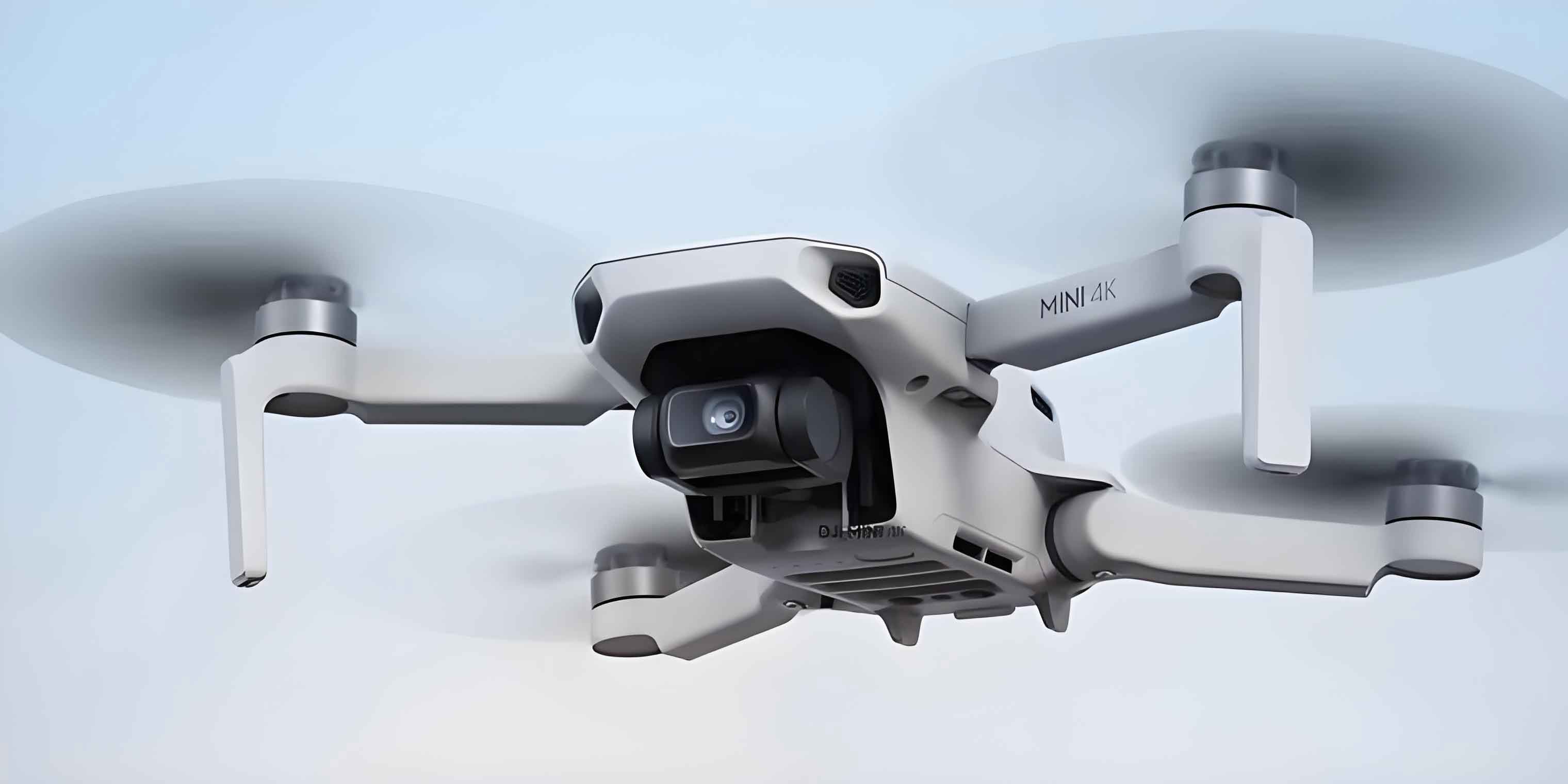
In-Depth Analysis of UAV Drone Airframe Structural Materials
The progression of UAV drone technology is intrinsically linked to advancements in airframe materials. The overarching design goal for any UAV drone is to minimize structural mass while maximizing strength and durability. This pursuit of a high strength-to-weight ratio directly translates to increased payload capacity, extended flight endurance, and enhanced maneuverability. Consequently, material selection is a critical decision point that balances performance, environmental resilience, cost, and manufacturability.
Primary Factors Governing Material Selection for UAV Drones
The choice of material for a UAV drone airframe is multifaceted, driven by several interconnected requirements:
- Lightweight with High Specific Strength and Stiffness: This is the foremost criterion. Every gram saved in the airframe allows for additional battery weight or payload. Materials must offer high strength ($\sigma$) and stiffness ($E$) relative to their density ($\rho$). The specific strength ($\sigma/\rho$) and specific modulus ($E/\rho$) are key figures of merit.
$$ \text{Specific Strength} = \frac{\sigma}{\rho}, \quad \text{Specific Modulus} = \frac{E}{\rho} $$ - Operational Environment: UAV drones operate in varied conditions—high humidity, marine environments with salt spray, extreme temperatures, and UV exposure. Materials must exhibit excellent corrosion resistance, weather ability, and long-term environmental stability.
- Cost-Effectiveness and Scalability: For commercial viability, material and processing costs must be controlled without unduly compromising safety or core performance. The economics differ between consumer-grade and industrial-grade UAV drones.
- Design Flexibility and Manufacturing Efficiency: Ease of shaping and assembly is crucial. Materials that allow for complex, integrated geometries through processes like molding reduce part count, assembly time, and potential failure points, enabling scalable production.
Common Materials in UAV Drone Construction: A Comparative Study
A range of materials finds application in modern UAV drones, each with distinct properties catering to different performance tiers and budgets.
| Material Category | Key Characteristics | Primary Advantages | Disadvantages & Limitations | Typical UAV Drone Applications |
|---|---|---|---|---|
| Composites (Carbon/Glass Fiber Reinforced Polymers) | Exceptional specific strength/stiffness, excellent fatigue resistance, good corrosion resistance, tunable properties. | Superior lightweight performance, design freedom for aerodynamic shapes, high durability, vibration damping. | Higher material cost, susceptibility to impact damage, complex repair, property variability, potential for delamination. | High-performance consumer drones, professional/industrial UAV drones, primary airframe structures. |
| Aluminum Alloys | Good strength-to-weight ratio, high toughness, excellent machinability, good thermal conductivity. | Well-understood material properties, relatively low cost, high reliability, ease of fabrication and repair. | Density higher than composites, lower specific stiffness, prone to fatigue in certain conditions. | Motor mounts, internal structural brackets, frames for some mid-range or heavy-lift UAV drones. |
| Engineering Plastics & Polymer Blends (e.g., ABS, Nylon, PP) | Low density, good toughness, high design flexibility, inherent electrical insulation. | Very low cost, excellent for mass production (injection molding), high impact resistance, complex geometries possible. | Lower strength and stiffness compared to metals/composites, creep under load, temperature sensitivity. | Consumer-grade UAV drone housings, propeller blades for entry-level models, protective guards. |
| Wood (Historical/Limited Use) | Natural composite with good specific strength, favorable damping characteristics. | Very low cost, easily worked, good aerodynamic surface finish. | Highly susceptible to moisture absorption and rot, inconsistent properties, poor durability. | Prototyping, vintage model aircraft, some very low-cost hobbyist UAV drone projects. |
The density of a composite material can be approximated as a rule of mixtures based on the volume fraction of fibers ($V_f$) and matrix ($V_m$):
$$ \rho_c = \rho_f V_f + \rho_m V_m $$
where $\rho_c$ is the composite density, $\rho_f$ is the fiber density, and $\rho_m$ is the matrix density. This principle allows engineers to tailor the material for a specific UAV drone application.
Trends and Future Directions for UAV Drone Materials
The UAV drone industry is decisively transitioning towards an era dominated by advanced composites. Carbon fiber reinforced polymers (CFRP) and glass fiber reinforced polymers (GFRP) now constitute a significant percentage, often exceeding 50% and reaching over 95% in some high-end UAV drone models. This shift is driven by the relentless need for lightweighting. However, composites are not a panacea. Their limitations—such as vulnerability to localized impact, relatively low inter-laminar shear strength, challenges in non-destructive testing, and sensitivity to manufacturing process parameters—are active areas of research.
The future of UAV drone structural materials lies in several promising directions:
- Advanced and Hybrid Composites: Development of nanocomposites, self-healing matrices, and hybrid fabrics combining carbon with other fibers (e.g., aramid) to improve impact resistance and multifunctionality.
- Additive Manufacturing (3D Printing): Utilizing advanced polymers and metal alloys to create ultra-lightweight, topologically optimized structures that are impossible to manufacture traditionally, enabling further mass reduction and part consolidation in UAV drones.
- Smart and Multifunctional Materials: Integration of sensors, energy harvesting elements, or de-icing capabilities directly into the composite structure of the UAV drone.
While composites will continue to expand their role, a hybrid approach combining composites, metals, and advanced polymers in an optimized manner will likely define the next generation of high-performance, safe, and cost-effective UAV drones.
National Standard Requirements and Testing Methodologies for UAV Drone Structures
The establishment of a robust regulatory framework is essential for the safe integration of UAV drones into national airspace and daily use. In China, the mandatory national standard GB 42590-2023 “Safety Requirements for Civil Unmanned Aircraft Systems” represents a cornerstone of this framework. Applicable to micro, light, and small civil UAV drones (excluding model aircraft), it sets forth comprehensive safety requirements. Among its 17 key technical areas, the specifications for airframe structure are critical for mitigating direct physical injury risks. Our analysis and testing are grounded in this standard.
Structural Requirements for Safe UAV Drones
The standard addresses two primary structural hazards: sharp edges and propeller blades.
- Sharp Edge Control: The standard mandates that the airframe and component structures of a UAV drone must not possess sharp edges that could cause injury during normal use or maintenance. The underlying rationale is to prevent the exacerbation of injuries in a collision scenario, where a sharp edge could turn an impact into a laceration.
- Propeller Blade Safety Requirements: For micro and light UAV drones that lack propeller guards, the design of the blades must actively reduce the risk of lacerations. The requirements are multi-faceted and must satisfy at least one of the following conditions:
- Material Prohibition: Propeller blades must not be made of metal, due to its excellent cutting properties which would severely increase injury severity.
- Blade Tip Geometry: The standard defines acceptable tip shapes and minimum dimensions to blunt the cutting surface:
- Asymmetric Blade: Leading-edge radius of the blade tip > 1 mm.
- Circular Blade Tip: Radius > 1 mm.
- Square Blade Tip: Tip chord > 2 mm, or the ratio of tip chord to maximum chord > 30% (whichever is larger).
- Collapse-on-Impact Design: The propeller is designed to fold or break away upon collision, dissipating energy and reducing cutting force.
- Fixed-Wing Configuration: For fixed-wing UAV drones, the propeller must be mounted at the rear to minimize the chance of direct frontal contact with a person.
Detailed Testing Methodologies for UAV Drone Compliance
Verification of compliance involves a combination of inspection, measurement, and functional tests.
- Sharp Edge Test: A thorough visual and tactile inspection is conducted on all accessible parts of the UAV drone airframe and its components. Any edge suspected of being sharp may be further evaluated using a calibrated radius gauge or a standardized test finger to assess injury potential.
- Propeller Material Verification: Visual inspection, review of technical documentation (manuals, material datasheets), and if necessary, material analysis techniques (e.g., spark testing, density measurement) are used to confirm the absence of metallic materials in the propeller blades.
- Blade Tip Geometry Measurement: The propeller type (asymmetric, circular, square) is first classified visually. Critical dimensions (radius, chord lengths) are then accurately measured using precision tools such as digital calipers or an optical measurement system. A blade is compliant if its measured dimensions satisfy the inequalities defined by the standard.
$$ R_{tip} > 1 \text{ mm} \quad \text{or} \quad C_{tip} > 2 \text{ mm} \quad \text{or} \quad \frac{C_{tip}}{C_{max}} > 0.3 $$ - Functional Tests: The presence of an effective propeller guard is confirmed by inspection. The potential for a “collapsible” design is assessed by analyzing the hub mechanism and potentially performing a controlled, low-energy impact test to observe the folding behavior.
Experimental Program and Results Analysis
To validate the practical application of the standard and assess the current state of the market, we conducted an experimental evaluation on a sample set of UAV drones.
Experimental Setup
We selected ten (10) different models of civil UAV drones as test samples. The selection was designed to be representative, encompassing products from large, medium, and small enterprises sourced from both manufacturing and retail channels. The testing was performed strictly in accordance with the clauses specified in GB 42590-2023 pertaining to airframe structure.
Comprehensive Test Results
The detailed outcomes for all ten UAV drone samples are synthesized in the table below.
| Sample ID | UAV Drone Type / Category | Sharp Edge Inspection | Propeller Blade Analysis | Overall Compliance (GB 42590-2023) | |||
|---|---|---|---|---|---|---|---|
| Material (Metal?) | Guard Present? | Tip Type & Measured Dimension | Collapsible? | ||||
| UAV-01 | Consumer Quadcopter | Pass (No sharp edges) | No (Composite) | No | Asymmetric, R = 4.2 mm | No | Yes |
| UAV-02 | Professional Hexacopter | Pass | No (CFRP) | No | Asymmetric, R = 3.5 mm | No | Yes |
| UAV-03 | Mini FPV Drone | Pass | No (Plastic Polymer) | Yes (Full Cage) | N/A (Guard present) | No | Yes |
| UAV-04 | Ultra-Portable Consumer Drone | Pass | No (Composite) | Yes | N/A (Guard present) | No | Yes |
| UAV-05 | Agricultural Spraying UAV | Pass | No (Reinforced Plastic) | No | Asymmetric, R = 5.8 mm | No | Yes |
| UAV-06 | VTOL Fixed-Wing Hybrid | Pass | No (Composite) | No | Asymmetric, R = 10.5 mm (Rotors); Rear-mounted (Fixed-wing prop) | No | Yes |
| UAV-07 | Entry-Level Racing Drone | Pass | No (Plastic) | Yes (Ducted) | N/A (Guard present) | No | Yes |
| UAV-08 | Mid-Range Consumer Drone | Pass | No (Composite) | No | Square, C_tip = 5.0 mm | No | Yes |
| UAV-09 | Advanced Consumer Drone | Pass | No (Composite) | No | Square, C_tip = 5.0 mm | No | Yes |
| UAV-10 | Compact Camera Drone | Pass | No (Composite) | Yes | N/A (Guard present) | No | Yes |
Analysis and Discussion of UAV Drone Test Results
The experimental data leads to several clear and significant conclusions regarding the safety of contemporary civil UAV drones:
- Universal Compliance with Sharp Edge Requirement: All ten UAV drone samples successfully passed the sharp edge inspection. This indicates that manufacturers are generally aware of and adhering to this fundamental safety design principle.
- Dominance of Composites in Propeller Construction: A striking finding was that 100% of the tested UAV drones used non-metallic materials for their propeller blades. The materials identified were various composites (CFRP, GFRP) or engineered plastics. This aligns perfectly with the standard’s prohibition and reflects an industry-wide shift towards safer materials that reduce cutting severity. The market penetration of composites in UAV drone structures is evidently very high.
- Strategic Use of Propeller Guards: Four out of the ten UAV drones were equipped with propeller guards. These were predominantly models designed for close proximity to users (e.g., camera drones, FPV drones) or with very compact form factors where inadvertent contact is more likely. The decision to include a guard represents a direct design-for-safety choice, accepting a slight penalty in weight and aerodynamic efficiency for enhanced operational safety.
- Compliance via Tip Geometry: The six UAV drones without guards all complied through blade tip design. Four utilized an asymmetric blade with a leading-edge radius significantly exceeding the 1 mm minimum (range: 3.5 mm to 10.5 mm). The remaining two used a square tip design with a tip chord of 5.0 mm, well above the 2 mm threshold. None of the samples featured a collapsible propeller design under the test conditions.
- Perfect Conformance Record: The most significant result is that all ten UAV drone samples fully met the airframe structure requirements of GB 42590-2023, yielding a test pass rate of 100%. This is a strong positive indicator of the current safety level of regulated products in the market.
These results validate the effectiveness of the national standard in defining clear, testable safety goals. The high compliance rate suggests that the requirements are well-understood and implementable by UAV drone manufacturers. However, our analysis also suggests areas for potential future refinement in safety standards. The current focus on tip radius or chord is crucial, but the thickness and leading-edge profile sharpness of the propeller tip also critically influence its cutting potential during a glancing impact. A more comprehensive risk parameter could be considered, potentially related to the energy required to penetrate standard test media. For instance, the kinetic energy associated with the tip of a spinning UAV drone propeller is:
$$ E_{tip} = \frac{1}{2} m_{tip} v_{tip}^2 $$
where $v_{tip} = \omega \cdot r_{tip}$, with $\omega$ being the angular velocity. The cutting risk is a function of this energy and the pressure applied, which is related to the contact area defined by the tip geometry and thickness. Future standards could incorporate a combined metric that addresses radius, chord, and thickness to further optimize the injury mitigation strategy for UAV drones.
Conclusion
This work has provided a systematic analysis and experimental validation of civil UAV drone airframe structures from a safety perspective. The journey from material selection to regulatory compliance reveals an industry that is maturing in its approach to safety. Our material analysis underscores the decisive shift towards lightweight composites, driven by performance needs but also offering inherent safety benefits over traditional metals, particularly for rotating components like propellers. The detailed examination of the national standard GB 42590-2023 highlights a logical and risk-based framework for controlling structural hazards, specifically sharp edges and high-risk propeller designs.
The experimental validation on a representative sample of ten UAV drones yielded highly encouraging results: a 100% compliance rate with the standard’s structural requirements. This demonstrates that current regulatory measures are effective and that manufacturers are successfully integrating these safety principles into their UAV drone designs. The universal adoption of non-metallic propeller materials and the careful design of blade tip geometries are particularly noteworthy achievements.
Looking forward, the path to even safer UAV drones involves continuous improvement on multiple fronts. Material science will deliver tougher, more impact-resistant composites. Additive manufacturing will enable biologically inspired, energy-absorbing structures. Furthermore, safety standards themselves can evolve, potentially incorporating more nuanced parameters related to impact energy and blade geometry to close any remaining gaps in injury risk reduction. This holistic approach—combining advanced materials, intelligent design, and rigorous, evolving standards—will ensure that the tremendous benefits of UAV drone technology can be harnessed by society with ever-greater confidence in their safety and reliability.