
The rapid advancement of technology and economic transformation has positioned the low-altitude economy and the digital economy as two pivotal emerging sectors with immense potential for growth. The low-altitude economy encompasses industries related to low-altitude flight activities, such as general aviation and unmanned aerial vehicles (UAVs), while the digital economy relies on digitalized knowledge and information as key production factors, driven by modern information networks. The integration of these two domains is set to unlock new opportunities for economic expansion, industrial upgrading, and societal progress, while also presenting unique challenges. This news report delves into the fusion mechanisms between the low-altitude economy and the digital economy, focusing on data elements, technological innovation, and industrial forms, and outlines specific strategies to propel their collaborative development.
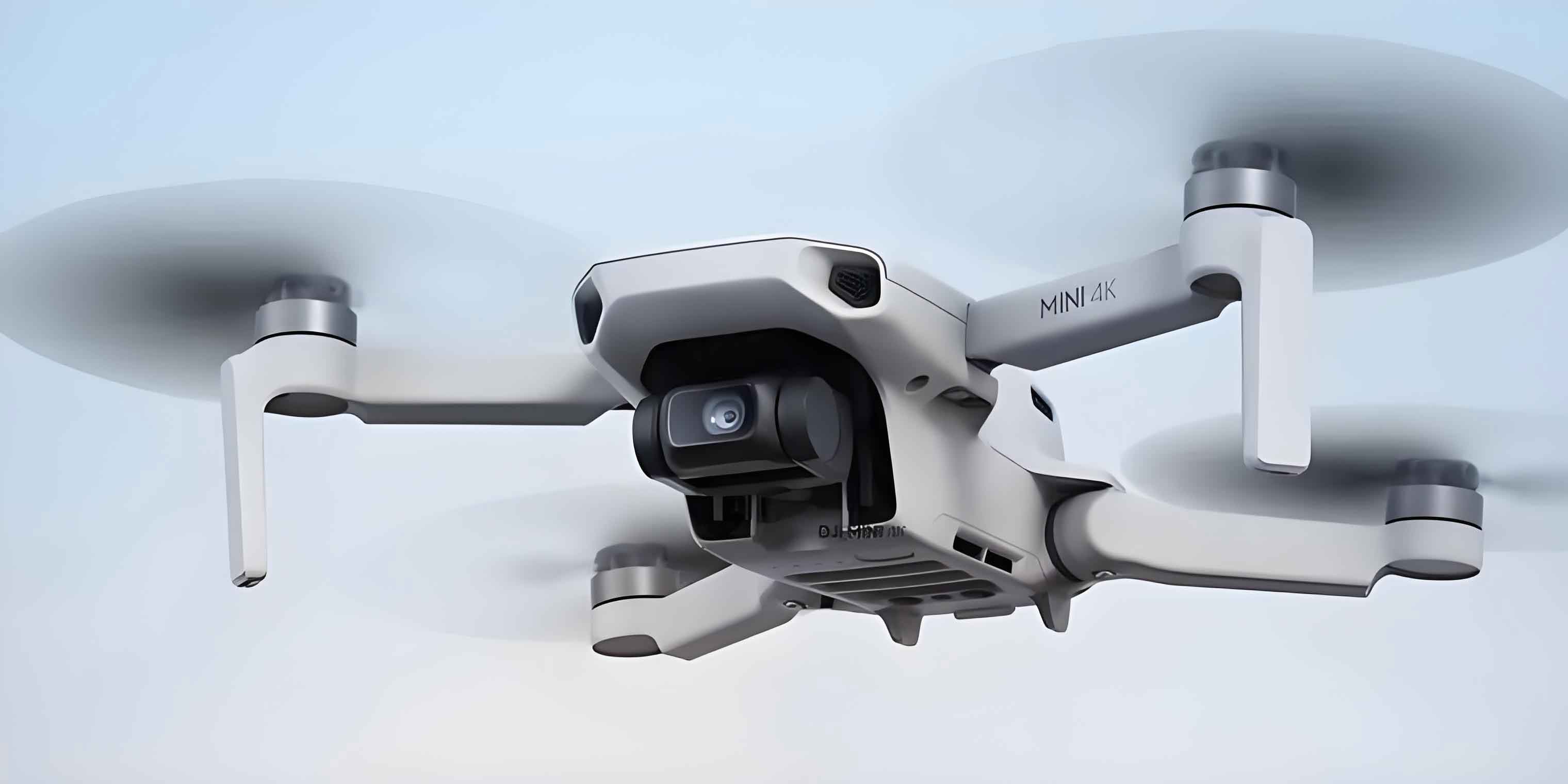
The convergence of these economies is not merely a theoretical concept but a practical evolution already underway in various sectors. For instance, the use of China UAV and China drone technologies in logistics and tourism demonstrates how low-altitude activities can be enhanced through digital tools. This integration leverages data analytics, artificial intelligence, and cloud computing to optimize operations, improve safety, and create new business models. As China continues to invest in these areas, the synergy between low-altitude and digital economies is expected to drive significant economic benefits, including job creation and technological leadership. This report explores the mechanisms behind this fusion, the strategies needed to support it, and real-world case studies that highlight its impact.
-
Fusion Mechanisms of Low-Altitude Economy and Digital Economy
The integration of the low-altitude economy and the digital economy is facilitated through several key mechanisms that enable seamless collaboration and mutual enhancement. These mechanisms ensure that data, technology, and industrial forms work together to create a cohesive ecosystem. By understanding these pathways, stakeholders can better navigate the complexities of this fusion and capitalize on its benefits. The following sections detail the primary mechanisms involved, drawing on examples from China’s growing expertise in China UAV and China drone applications.
- Data Element Integration Mechanism
The sharing and circulation of data elements form the core of the integration between the low-altitude economy and the digital economy. Low-altitude flight activities generate vast amounts of data, including flight trajectories, meteorological information, and equipment status, which are crucial for optimizing flight management, ensuring safety, and enhancing operational efficiency. The digital economy, in turn, depends on the collection, storage, processing, and analysis of data to drive decision-making, streamline business processes, and develop innovative products and services. By establishing unified data platforms, the low-altitude and digital economies can achieve optimal resource allocation and efficient utilization. For example, general aviation enterprises in the low-altitude sector can share flight data with digital economy platforms, which use big data technologies to provide insights for route planning, flight monitoring, and weather services. This data-driven approach helps uncover patterns in flight activities, market demand trends, and industrial bottlenecks, enabling more informed decisions and proactive solutions. In the context of China UAV operations, this mechanism allows for real-time data exchange, improving the reliability and scalability of drone-based services across various industries. - Technological Innovation Integration Mechanism
Technological innovation serves as a bridge between the low-altitude economy and the digital economy, with digital technologies like big data, artificial intelligence, cloud computing, and the Internet of Things (IoT) providing robust support for low-altitude development. For instance, big data analytics enable real-time monitoring and of low-altitude flight activities, enhancing safety measures. Artificial intelligence facilitates autonomous flight and intelligent obstacle avoidance for China drone systems, boosting their application efficiency and security. Additionally, digital technologies drive the digital transformation of low-altitude industries, such as through the creation of digital management platforms for general aircraft, China UAV, and airports, which improve administrative and operational efficiency. Conversely, low-altitude technologies contribute to the digital economy by offering new infrastructure and service methods. General aviation can be used for aerial communication relay, expanding network coverage and reliability, while China UAV logistics provide efficient delivery solutions for e-commerce and other digital sectors. This technological synergy also spawns novel applications, such as combining low-altitude tourism with digital marketing to offer immersive experiences that increase the appeal and competitiveness of tourism products. The continuous innovation in China UAV and China drone technologies underscores the potential for further cross-sector integration, driving advancements in both economies. - Industrial Form Integration Mechanism
The fusion of the low-altitude economy and the digital economy promotes the extension and expansion of their respective industrial chains. The low-altitude industry includes segments like low-altitude manufacturing, flight operations, support services, and comprehensive services, while the digital economy spans e-commerce, mobile payments, artificial intelligence, cloud computing, and IoT. Through integration, low-altitude enterprises can collaborate with digital platforms to combine flight services with digital products, forming new industrial chains and value chains. For example, China UAV logistics companies can partner with e-commerce platforms to enable rapid order delivery, and low-altitude tourism firms can work with travel service platforms to market aerial tour packages. This integration also gives rise to new business models and formats, such as China drone logistics, which leverages unmanned aerial vehicles for fast, efficient, and cost-effective cargo distribution. These innovations not only enhance existing industries but also create entirely new sectors, such as low-altitude data analytics and digital low-altitude services, which contribute to economic diversification and resilience. The industrial form integration mechanism emphasizes the importance of cross-sector collaboration in fostering sustainable growth and innovation.
- Data Element Integration Mechanism
-
Specific Strategies to Promote the Integrated Development
To fully realize the potential of the integrated development between the low-altitude economy and the digital economy, a comprehensive set of strategies is essential. These strategies address technological, policy, infrastructural, industrial, human resource, and international dimensions, ensuring a holistic approach to fostering synergy. By implementing these measures, China can strengthen its position in global markets, particularly in areas like China UAV and China drone technologies, while driving economic and social progress. The following list outlines key strategies derived from current practices and future outlooks.
- Strengthening Technological Innovation and Research and Development
Current limitations in low-altitude communication, such as limited bandwidth and small signal coverage, hinder the integration with the digital economy. Encouraging enterprises and research institutions to advance low-altitude communication technologies is crucial to enhance bandwidth and expand coverage, providing reliable support for fusion. Similarly, improving the autonomous flight and intelligent obstacle avoidance capabilities of China UAV systems is vital for safety and efficiency. Accelerating R&D in these areas will boost the intelligence and operational effectiveness of China drone applications, enabling wider adoption in various sectors. Investment in digital technologies, such as AI and IoT, should also be prioritized to facilitate the digital transformation of low-altitude industries, ensuring they remain competitive and innovative. - Optimizing Policy Environment and Management Mechanisms
Complex approval procedures and inflexible airspace use in low-altitude flight management pose significant barriers. Simplifying these processes and increasing airspace efficiency can create a favorable policy environment for low-altitude economic growth. Additionally, the rapid development of the digital economy raises concerns about data security and privacy protection. Developing comprehensive policies and regulations to address these issues is necessary to ensure lawful and compliant integration. Furthermore, establishing coordination mechanisms between low-altitude and digital industries can overcome existing silos, promoting resource sharing and complementary advantages. This includes fostering dialogue and partnerships to align goals and streamline operations. - Building Unified Data Platforms and Infrastructure
Integrating resources from the low-altitude sector into a unified digital platform is key to digital management and operation. Such a platform can offer one-stop services for route planning, flight monitoring, weather services, and maintenance, enhancing safety and efficiency. It should also support the digitization of low-altitude airspace, incorporating communication, navigation, surveillance, and meteorological facilities. Merging this with urban information models and low-altitude management systems will provide a technical foundation for high-density, high-frequency, and complex low-altitude flights, enabling large-scale commercial applications. For China UAV and China drone operations, this infrastructure is essential for scalable and secure deployments. - Promoting Industrial Fusion and Business Model Innovation
Encouraging the deep integration of low-altitude industries, such as general aviation and China UAV, with digital sectors like electronics, software services, and big data, can cultivate new formats like low-altitude data industries. Using big data to analyze low-altitude flight data can offer decision-making support for industrial development. Additionally, expanding application scenarios by combining low-altitude economy with digital agriculture, tourism, and logistics can drive innovation. For example, employing China drone for agricultural tasks like crop protection and precision fertilization can boost productivity, while low-altitude tourism integrated with digital marketing can enhance customer experiences. Supporting the exploration of new models, such as China UAV logistics, low-altitude healthcare, and emergency response, through policies and funding will accelerate their growth and market penetration. - Enhancing Talent Cultivation and Introduction
The integrated development requires professionals with expertise in both low-altitude technologies and digital skills. Strengthening the cultivation and recruitment of such composite talent is vital for sustained progress. Improving the education system by adding relevant disciplines and reforming curricula can address the shortage of specialized人才. Partnerships between academia and industry can also facilitate practical training and knowledge exchange, ensuring that graduates are equipped to contribute to fields like China UAV and China drone innovation. By investing in human capital, China can build a robust workforce capable of driving future advancements. - Strengthening International Cooperation and Exchange
As the integration of low-altitude and digital economies is a global trend, collaborating with advanced countries and regions can provide valuable insights and best practices. Participating in international competitions and partnerships allows Chinese low-altitude and digital economy enterprises to expand into overseas markets, enhancing China’s global influence. This includes sharing knowledge on standards, regulations, and technological developments related to China UAV and China drone applications. Through international dialogue, China can learn from others while contributing its expertise, fostering mutual growth and innovation in the integrated economy.
- Strengthening Technological Innovation and Research and Development
-
Case Studies
Real-world examples illustrate the practical benefits and mechanisms of integrating the low-altitude economy with the digital economy. These case studies highlight how data, technology, and industrial forms converge to create value, with a focus on China UAV and China drone applications. By examining these instances, stakeholders can gain insights into successful implementation and potential areas for improvement.
- China UAV Logistics and Digital Economy Integration
In one case, a logistics enterprise in China utilized China UAV technology to provide delivery services, integrating with digital economy platforms for real-time order tracking and route optimization. Under the data element integration mechanism, the company employed big data analytics to assess customer demand and traffic conditions, enabling efficient drone route planning that increased delivery efficiency. Technologically, it leveraged China drone and digital platform technologies to automate order processing and optimize paths in real time, enhancing the intelligence of logistics services. In terms of industrial form, this China UAV logistics service extended the logistics industry’s applications and offered new tools for digital economy platforms, fostering cross-industry development. According to reports, after adopting China drone delivery, the enterprise saw delivery efficiency rise by over 50% and costs reduce by approximately 30%. Currently, it operates China UAV logistics in multiple cities, covering hundreds of square kilometers and handling thousands of daily orders, demonstrating the scalability and impact of this integration. - Low-Altitude Tourism and Digital Economy Integration
Another example involves a tourism company in China that launched low-altitude tour projects, partnering with digital marketing platforms for online promotion and sales. It used virtual reality technology to offer immersive travel experiences. Through the data element integration mechanism, the firm analyzed customer需求和 behavior using big data, continuously refining its products and services to improve satisfaction. Technologically, it integrated virtual reality and digital marketing tools to create engaging experiences that boosted the appeal and competitiveness of its tours. In industrial terms, the low-altitude tourism initiatives expanded the tourism sector’s scope and provided fresh content for digital marketing platforms, driving mutual growth. Data indicates that via digital marketing, the exposure of these low-altitude tourism products multiplied, with bookings increasing by over 40% year-on-year. Collaborations with online travel platforms enabled diversified sales, raising market share and highlighting the potential of such integrations in enhancing consumer engagement and economic returns.
- China UAV Logistics and Digital Economy Integration
-
Conclusion
The integrated development of the low-altitude economy and the digital economy holds tremendous potential and broad prospects for China and beyond. Through mechanisms like data element sharing, technological innovation, and industrial form fusion, these sectors can achieve synergistic growth, generating new economic opportunities and employment. Strategies such as bolstering technological R&D, optimizing policies, building infrastructure, promoting industrial collaboration, cultivating talent, and enhancing international cooperation are crucial to advancing this integration. Case studies of China UAV logistics and low-altitude tourism underscore the tangible benefits already realized, including improved efficiency, cost reductions, and expanded market reach. However, challenges remain, such as technological limitations and regulatory hurdles, which require ongoing attention. By continuing to deepen this fusion, exploring new applications, and innovating business models, stakeholders can contribute significantly to economic growth, industrial upgrading, and social progress, solidifying the role of integrated economies in shaping the future.
The evolution of this integration is set to accelerate as technologies like China UAV and China drone become more advanced and accessible. With sustained effort and collaboration, the low-altitude and digital economies can transform industries, enhance quality of life, and drive sustainable development on a global scale. This report serves as a foundation for understanding the current landscape and inspiring further action in this dynamic field.