
Forest resources play a vital role in purifying the air, regulating climate, conserving soil and water, and maintaining ecological balance. Pests are a primary threat to forest resources, directly causing large-scale tree withering and death, sharply reducing forest stock, and seriously endangering forestry ecological security. To minimize pest damage and build a stable, healthy, and safe forestry ecosystem, unmanned aerial vehicle (UAV) remote sensing technology has been introduced into early pest monitoring. This technology, with its advantages of wide coverage, high data accuracy, flexible operation, and low input cost, provides powerful data support for pest management. Based on practical experience, this paper analyzes the specific applications, optimization strategies, and advantages of UAV remote sensing technology in early monitoring of different types of forestry pests, aiming to provide theoretical reference for early pest detection and control.
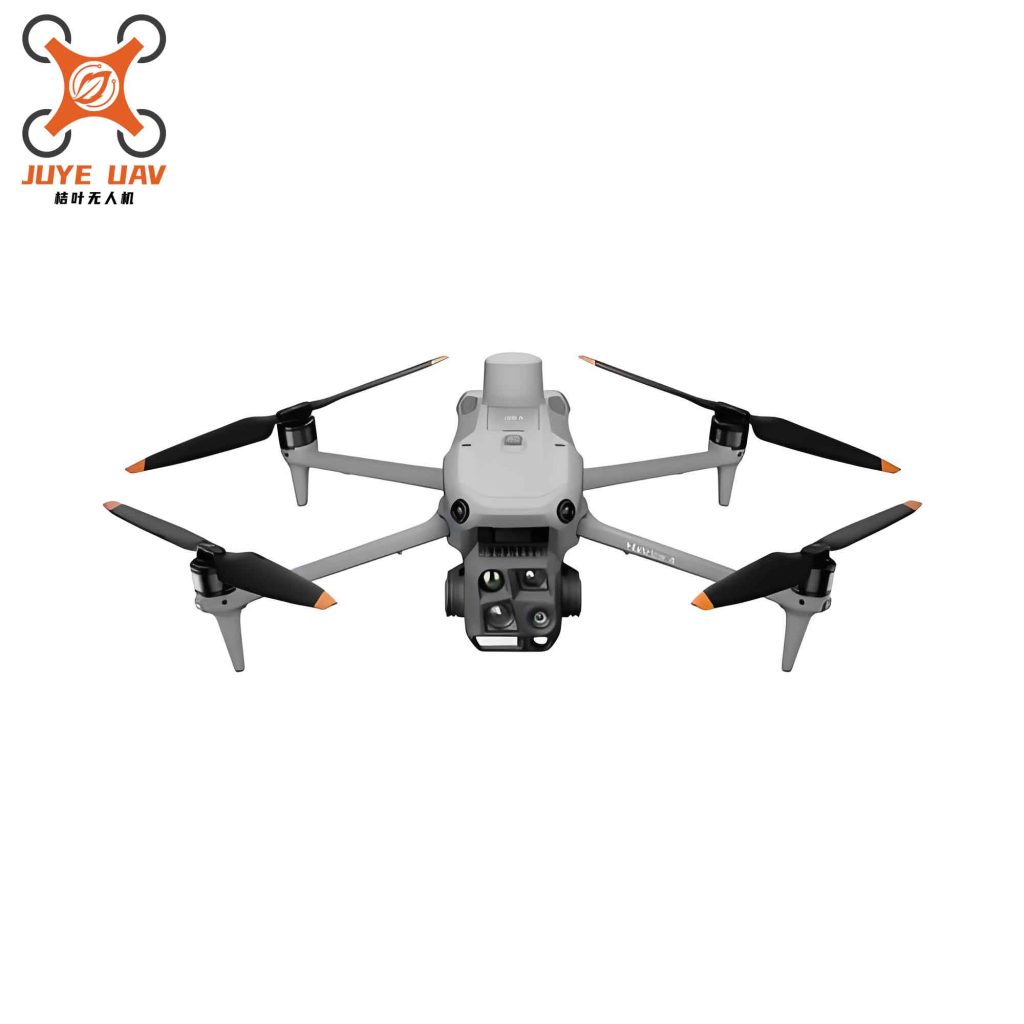
China UAV remote sensing technology has demonstrated extremely significant advantages in identifying changes in tree growth status and capturing subtle early features of pest infestations. Particularly in the early monitoring of piercing-sucking pests, defoliating pests, and borers, the use of China UAV can accurately obtain data on infested parts and areas. Based on these monitoring data, forestry departments can establish a new pattern of “early detection, early prevention, early treatment” for pest control, ensuring the healthy and sustainable development of forestry resources.
1. Hazard Characteristics of Forestry Pests
1.1 Strong Concealment and Difficult Early Identification
Most pests cause only subtle morphological or physiological changes in trees at the initial stage of infestation. These changes are difficult to identify accurately with the naked eye and may even be misjudged as normal fluctuations during natural tree growth. Taking piercing-sucking pests such as aphids and spider mites as an example, during the early feeding stage, they only suck the sap from leaf or shoot tissues to sustain themselves. The sucked leaves show only inconspicuous chlorotic spots, which are very hard to detect manually across thousands or even tens of thousands of hectares of forest.
Besides piercing-sucking pests, defoliators like pine caterpillars also exhibit concealment. For instance, first- and second-instar larvae of pine caterpillars feed only on the edges of pine needles, and their feeding and activity occur mostly at night. The chewed leaves have only tiny notches, and without careful observation, this subtle change is difficult to capture. It is only when large areas of leaves turn yellow or trees fall seriously that the damage becomes apparent. In summary, the strong concealment of pests increases the difficulty of early identification and subsequent control.
1.2 Rapid Spread and Wide Expansion of Damage
Rapid spread is a notable feature of forestry pests. If pest infestation is not detected early, the pests will quickly propagate and expand, affecting an increasingly wide area and even forming a “contiguous effect” in a short time. Specifically, pest spread occurs through two main pathways: natural and anthropogenic. Natural spread refers to the spatial migration of pests under the influence of natural environment and climate conditions. For example, active dispersal by adult flight or larval crawling, wind dispersal of small moths and aphids, or vector-borne transmission of pests like pine wood nematodes all fall under natural spread. Anthropogenic factors involve the carriage of pest eggs, larvae, or the introduction of exotic pests during timber transportation. This pathway provides favorable conditions for cross-regional spread. Once pests migrate to a new area, they continue to damage forest resources. Taking pine wood nematode as an example, the adult Monochamus alternatus beetle carries the nematode and has a flight radius of 2–3 km. If not detected in time, forests infected with pine wood nematode can wither and die over a large area within 2–3 years.
1.3 Diverse Damage Types and Severe Ecological and Economic Losses
The damage caused by pests to forest resources is not monolithic. Different types of pests lead to distinctly different consequences and degrees of damage. Once a large-scale infestation occurs, forestry departments bear not only huge economic losses but also face irreparable ecological gaps, which can even threaten the integrity and security of the entire forest ecosystem. For example, defoliators such as Clostera anachoreta and Plagiodera versicolora feed on leaves, disrupting the supply channel of nutrients, causing trees to grow slowly or even wither and die due to nutrient depletion. In contrast, borers like Anoplophora glabripennis and Ips typographus directly feed on the xylem and phloem of tree trunks, preventing normal water and nutrient transport, leading to top dieback or windthrow, and rendering the trees valueless.
Moreover, various pest types directly threaten the integrity of the forest ecosystem. In areas where trees die from pest damage, environmental factors such as light, temperature, and humidity undergo subtle changes, destroying the original habitat for living organisms and severely affecting biodiversity. In terms of economic losses, pest-infested forest areas experience a sharp decline in timber yield and quality. Subsequent pest control and ecological restoration require substantial inputs of manpower, material resources, and financial resources, adding invisible economic pressure on forestry departments.
2. Advantages of UAV Remote Sensing Technology in Early Monitoring of Forestry Pests
2.1 Wide Coverage and Strong Flexibility
In the past, early monitoring of forestry pests mainly relied on “manual field inspection.” Constrained by terrain, manpower, and time, this method easily missed monitoring blind spots, leaving potential pest hazards undetected. For example, in high-altitude, mountainous, and rugged forest areas, manual inspection alone not only suffers from low efficiency but also directly threatens the safety of monitoring personnel.
By using China UAV remote sensing technology, full-area coverage monitoring can be achieved without any blind spots. Most critically, this technology can flexibly plan flight routes according to the terrain features, landform characteristics, and vegetation density of the local forest area. Even in regions with complex terrain and steep landscapes, China UAV can perform low-altitude obstacle avoidance flights to accurately obtain information on pest breeding in those areas. In addition, the positioning system carried by the UAV has high accuracy and precise flight trajectory. For instance, the “GPS + BeiDou dual-mode positioning system” can quickly and accurately locate areas with potential pest risks within the forest, providing more authoritative and solid reference data for early prevention and control.
2.2 Timely Monitoring and Efficient Response
Forestry pests can form outbreak effects in a short time. Their sudden and rapid growth characteristics increase the difficulty of early monitoring. Taking pine wood nematode as an example, if pine trees are infected with this pest, the time from initial symptoms to final withering and death is only 3–6 months. If not detected in time, the pest can spread to several kilometers within a few days. In the past, forestry departments often used satellite remote sensing technology to monitor forest pests. However, due to factors such as satellite orbit cycles, rainfall, and cloud cover, monitoring data updates lag behind, making it difficult to truly reflect the dynamic changes in trees during the early stages of pest infestation, thus greatly reducing the utilization value of monitoring data.
China UAV remote sensing technology can execute flight missions at any time according to instructions and needs. From equipment installation and debugging, route planning, to takeoff preparation and pest monitoring, the entire process can be completed within 1–2 hours. At the same time, with real-time image transmission technology, the UAV can synchronously upload the acquired data to the ground command system. Through subsequent data integration, analysis, and processing, pest spots can be accurately marked within 24 hours, and the scope of pest erosion and risk assessment can be calculated, buying valuable time for subsequent pest control work.
2.3 High Monitoring Accuracy and Low Data Error
The early symptoms of forestry pests are extremely subtle. Manual field inspection relying on the naked eye is difficult to identify, and satellite remote sensing images have a resolution of only meter or ten-meter levels, making it hard to perceive the fine symptoms after trees are infested by pests. China UAV remote sensing technology, through the combination of “low-altitude high-resolution imaging + multi-dimensional sensing,” achieves accurate identification of early pests.
The high-definition optical camera carried by the UAV has a resolution up to centimeter level, clearly capturing the leaf morphology and branch condition of individual trees, and even accurately identifying insect holes with diameters below 1 cm. Simultaneously, the multispectral sensor carried by the UAV captures subtle changes in chlorophyll content by analyzing the reflectance of vegetation in red and near-infrared bands. Furthermore, some forestry units also mount LiDAR on the UAV. During monitoring, laser pulses can directly penetrate the canopy to build a three-dimensional structural model of the tree, thereby accurately calculating indicators such as tree weight, diameter at breast height, and canopy density. Once these data show abnormal changes, technicians can determine the degree of pest impact on the trees based on the variation values. This high-precision, low-error monitoring model plays a key role in improving the success rate of pest prevention and control.
3. Specific Applications of UAV Remote Sensing Technology in Early Monitoring of Different Types of Forestry Pests
3.1 Early Monitoring of Piercing-Sucking Pests
Piercing-sucking pests, including aphids, Pseudaulacaspis pentagona, and spider mites, are small in size. They use their needle-like mouthparts to suck sap from leaves, shoots, and inner tissues of branches, directly threatening tree species such as poplar, cypress, and pine, causing sustained damage to forests. Traditional methods using manual inspection or satellite remote sensing can hardly identify early symptoms on trees. By employing China UAV remote sensing technology, the initial symptoms of trees can be monitored, and effective countermeasures can be taken in a timely manner.
Specifically, China UAV remote sensing technology identifies early pest infestations through multi-spectral physiological anomaly diagnosis of the tree canopy. The damage caused by piercing-sucking pests is mainly reflected in the direct interference with canopy photosynthesis, blocking the nutrient transport channels in the infested parts, leading to gradual wilting and even death of the affected trees. For example, after sucking the sap from the tender shoots of Pinus tabuliformis and Pinus densiflora, Cinara pinea significantly reduces the decomposition rate of chlorophyll and photosynthetic efficiency in pine needles. By using a multispectral sensor carried by the China UAV, data from the commonly used red-edge band (680–750 nm) can be specifically collected and analyzed in combination with the Red-Edge Chlorophyll Index (CI). Typically, the normal value of the chlorophyll index ranges from 0.3 to 0.5. After trees are infested by aphids, the value drops below 0.2 within 1–2 weeks. During this period, the pine needles have not yet shown yellowing visible to the naked eye, but the China UAV remote sensing technology can accurately lock onto the core pest area.
In addition, the high-resolution camera carried by the China UAV can capture unique pest markers within the forest. The resolution of this camera reaches centimeter level, making the captured pest traces clearer. For example, the honeydew secreted by Cinara tujafilina forms shiny oil spots on the surface of cypress leaves and induces sooty mold. With the high-resolution camera, clear images of the cypress leaves can be obtained to observe their health status. If the cypress leaves are dark green and non-reflective, they are judged as healthy, indicating that the cypress has not been infested by aphids; otherwise, it indicates that the cypress has been infested, reminding workers to take timely control measures.
| Indicator | Equation | Healthy Range | Infested Threshold | Sensor Type |
|---|---|---|---|---|
| Red-Edge Chlorophyll Index (CIred-edge) | $$ CI_{red-edge} = \frac{R_{NIR}}{R_{red-edge}} – 1 $$ | 0.3 – 0.5 | < 0.2 | Multispectral |
| Normalized Difference Vegetation Index (NDVI) | $$ NDVI = \frac{R_{NIR} – R_{red}}{R_{NIR} + R_{red}} $$ | 0.6 – 0.8 | Drop > 20% | Multispectral |
| Leaf Water Content Index (LWCI) | $$ LWCI = \frac{\ln(1 – R_{SWIR})}{\ln(1 – R_{NIR})} $$ | 0.7 – 0.9 | < 0.5 | SWIR + NIR |
3.2 Early Monitoring of Defoliating Pests
Common forest defoliating pests include pine caterpillars, fall webworms (Hyphantria cunea), and walking sticks. Their main method of damage is chewing leaves. Groups of larvae can completely devour the leaves of large areas of forest in a short time, preventing the trees from carrying out photosynthesis and gradually causing them to wither. China UAV remote sensing technology not only enables large-scale rapid scanning but also provides deep analysis of multi-scale images, offering strong technical support for early detection of these pests.
Specifically, a high-resolution camera carried by the China UAV can be used to accurately identify damaged leaves. Taking fall webworm larvae as an example, after chewing poplar leaves, irregular holes are left on the leaf surface. These subtle damages occupy a very small area on a single leaf, but when clustered together, they form highly identifiable texture features. During monitoring, the China UAV can fly over the tree canopy at an altitude of 30–80 meters and use the high-definition camera for vertical top-down or oblique side shots to precisely capture these tiny feeding traces.
Furthermore, technicians can use multispectral remote sensing technology to accurately capture abnormal conditions in the canopy structure. The leaves chewed by defoliators compromise the integrity of the tree canopy, reducing leaf coverage and gradually losing photosynthetic capacity. By using a multispectral sensor carried by the China UAV, reflectance information of leaves in visible and near-infrared bands can be collected. Indicators such as Leaf Area Index (LAI), NDVI, and Greenness Index (GI) are then analyzed to determine whether the canopy structure is abnormal. For example, fall webworms specifically feed on poplar leaves. The LAI of healthy poplar is 3–5, and NDVI is 0.7–0.8. After being chewed by fall webworms, the LAI drops below 2.8, and the NDVI decreases slightly by 0.05–0.1. With multispectral remote sensing, areas with abnormal reductions in these two values can be precisely determined, and by referring to visible images, early pest infestations can be detected in time.
| Indicator | Equation | Healthy Range (Poplar) | Infested Threshold | Sensor |
|---|---|---|---|---|
| Leaf Area Index (LAI) | $$ LAI = \frac{-\ln(T_{PAR})}{k} $$ | 3 – 5 | < 2.8 | Multispectral + PAR sensor |
| Normalized Difference Vegetation Index (NDVI) | $$ NDVI = \frac{R_{NIR} – R_{red}}{R_{NIR} + R_{red}} $$ | 0.7 – 0.8 | Drop by 0.05–0.1 | Multispectral |
| Greenness Index (GI) | $$ GI = \frac{R_{green}}{R_{red}} $$ | 1.2 – 1.5 | < 1.0 | RGB / Multispectral |
3.3 Early Monitoring of Borer Pests
Common borer pests include longhorn beetles (Cerambycidae), bark beetles (Scolytinae), and carpenter moths (Cossidae). These pests are not only highly concealed but also destructive. Trees attacked by borers experience severed water and nutrient transport channels, damaged xylem and phloem, and gradually wither, fall, or die. However, the early damage caused by such pests is very difficult to detect, leaving only tiny boreholes, frass, or gum spots on the bark surface. By employing China UAV remote sensing technology, pest-infested areas can be quickly and accurately located through multi-dimensional perception and large-area coverage monitoring.
Specifically, using multispectral remote sensing technology, the decline in tree growth can be accurately identified. For example, the inner xylem vessels and phloem of trunks infested by borers are damaged first, preventing leaves from obtaining necessary nutrients for growth, eventually leading to physiological decline. For instance, the NDVI of healthy pine trees is 0.6–0.8. After being infested by longhorn beetle larvae, this value drops by 0.1–0.2, and the red-edge chlorophyll index decreases by more than 0.3. The multispectral camera carried by the China UAV can analyze NDVI, red-edge chlorophyll index, and Photochemical Reflectance Index (PRI). Based on the analysis results, trees with growth decline can be identified and judged.
In addition, high-definition cameras can capture surface traces on infested bark, and by analyzing these characteristic marks, pest areas can be determined. For example, after adult longhorn beetles bite into the bark, they create crescent-shaped or elliptical concave grooves. Bark beetles leave pinhole-like boreholes with a diameter of 1–3 mm on the bark after infesting. Although these subtle traces are difficult to identify accurately with the naked eye, high-resolution images can precisely lock onto pest-infested areas.
| Indicator | Equation | Healthy Range (Pine) | Infested Threshold | Detection Method |
|---|---|---|---|---|
| NDVI | $$ NDVI = \frac{R_{NIR} – R_{red}}{R_{NIR} + R_{red}} $$ | 0.6 – 0.8 | Drop by 0.1–0.2 | Multispectral |
| Red-Edge Chlorophyll Index (CIred-edge) | $$ CI_{red-edge} = \frac{R_{NIR}}{R_{red-edge}} – 1 $$ | 0.3 – 0.5 | Drop > 0.3 | Multispectral |
| Photochemical Reflectance Index (PRI) | $$ PRI = \frac{R_{531} – R_{570}}{R_{531} + R_{570}} $$ | 0.02 – 0.06 | < -0.01 | Hyperspectral / Multispectral |
| Bark trace detection | Visual classification | No boreholes | Presence of >3 boreholes/m² | High-resolution RGB |
4. Optimization Strategies for China UAV Remote Sensing in Early Pest Monitoring
4.1 Enhancing Sensor Integration and Data Fusion
To improve the accuracy and reliability of early pest monitoring, China UAV systems can be optimized by integrating multiple sensors. A typical configuration combines high-resolution RGB cameras, multispectral sensors (e.g., 5–10 bands), thermal infrared cameras, and LiDAR. The fusion of these data sources allows for cross-validation of pest symptoms. For example, thermal infrared can detect temperature anomalies caused by transpiration reduction in infested trees, while LiDAR provides 3D canopy structure to detect defoliation patterns. The fusion model can be expressed as a weighted combination:
$$ P_{pest} = \alpha \cdot P_{spec} + \beta \cdot P_{thermal} + \gamma \cdot P_{lidar} $$
where \(P_{pest}\) is the probability of pest presence, \(P_{spec}\) is the spectral anomaly probability, \(P_{thermal}\) is the thermal anomaly probability, \(P_{lidar}\) is the structural anomaly probability, and \(\alpha, \beta, \gamma\) are weighting coefficients determined by machine learning optimization.
4.2 Improving Flight Planning and Autonomous Navigation
Optimized flight planning is critical for maximizing monitoring efficiency. China UAV can be equipped with real-time dynamic route adjustment algorithms based on terrain and vegetation density. For complex terrains, a combination of terrain-following flight and waypoint navigation ensures consistent ground sampling distance. The flight altitude \(h\) can be adjusted dynamically:
$$ h = \min(h_{max}, h_{base} + k \cdot \Delta z) $$
where \(h_{max}\) is the maximum safe altitude, \(h_{base}\) is the base altitude above mean sea level, \(\Delta z\) is the local terrain variation, and \(k\) is a scaling factor. This ensures that the UAV maintains an optimal altitude relative to the canopy top, improving image resolution in rugged areas.
4.3 Developing Advanced Machine Learning Models for Pest Classification
To automatically process the massive imagery data collected by China UAV, deep learning models such as convolutional neural networks (CNNs) and vision transformers (ViTs) can be implemented. A two-stage pipeline can be designed: first, a segmentation model identifies individual tree crowns; second, a classification model determines the pest type and severity. The loss function for training can be a combination of cross-entropy and Dice loss:
$$ \mathcal{L} = -\frac{1}{N}\sum_{i=1}^{N} \left[ y_i \log(\hat{y}_i) + (1-y_i) \log(1-\hat{y}_i) \right] + \lambda \left(1 – \frac{2|y \cap \hat{y}|}{|y| + |\hat{y}|}\right) $$
where \(y_i\) is the true label, \(\hat{y}_i\) is the predicted probability, \(N\) is the number of pixels, and \(\lambda\) is a weighting parameter.
| Strategy | Description | Expected Benefit | Implementation Complexity |
|---|---|---|---|
| Sensor fusion | Combine RGB, multispectral, thermal, LiDAR | Accuracy improvement >15% | Medium |
| Adaptive flight planning | Terrain-following and real-time obstacle avoidance | Coverage completeness >95% | High |
| Deep learning classification | CNN/ViT-based pest detection and severity grading | Detection rate >90% | High |
| Edge computing onboard | Real-time processing on UAV payload | Reduced data transmission latency | Medium |
| Multi-species spectral libraries | Build regional pest-specific spectral signatures | Enhanced species-level identification | Low |
5. Conclusion
The application of China UAV remote sensing technology in early monitoring of forestry pests adheres to the principle of “early detection, early prevention, early treatment.” This technology not only broadens the monitoring perspective and improves monitoring accuracy but also demonstrates great advantages in identifying the early characteristics of different pest types, including piercing-sucking pests, defoliating pests, and borers. By integrating multiple sensors, optimizing flight paths, and employing advanced machine learning models, the performance of China UAV-based monitoring systems can be further enhanced. In the future, technicians should continuously improve the level of technology application, maximize the advantages of multispectral remote sensing and high-resolution camera imaging in early pest identification, and thereby escort the healthy growth of forest resources. The widespread adoption of China UAV in forestry pest management will significantly reduce economic losses and protect the ecological integrity of forests across the nation.
6. Future Prospects
Looking ahead, the integration of China UAV with satellite remote sensing and ground-based IoT sensors will create a multi-scale, multi-source monitoring network. For example, satellite imagery can provide coarse-scale early warnings, which then trigger targeted China UAV flights for detailed inspection. Ground sensors (e.g., pheromone traps, acoustic sensors) can validate UAV findings. This hierarchical monitoring system can be described by a spatiotemporal data fusion framework:
$$ \mathbf{X}_{fine}(t) = f\left( \mathbf{X}_{coarse}(t_0), \mathbf{X}_{UAV}(t_1), \mathbf{X}_{ground}(t_2) \right) $$
where \(\mathbf{X}_{fine}\) is the final high-resolution pest map at time \(t\), and \(f\) is a data assimilation function (e.g., Kalman filter or deep learning). Such an integrated system will push the early pest monitoring capability to new heights, ensuring the sustainable development of forestry resources while leveraging the unique strengths of China UAV technology.
| Method | Spatial Resolution | Update Frequency | Cost per km² | Early Detection Capability | China UAV Advantage |
|---|---|---|---|---|---|
| Manual inspection | N/A (subjective) | Biweekly to monthly | High (labor) | Low | — |
| Satellite remote sensing | 10–30 m | 5–16 days | Low | Moderate | — |
| China UAV (RGB) | < 5 cm | On-demand | Medium | High | Flexible, high resolution |
| China UAV (multispectral) | 10–20 cm | On-demand | Medium | Very high | Quantitative physiological indices |
| China UAV (LiDAR) | Point cloud | On-demand | Medium-high | High | 3D structural analysis |