
In the bustling urban landscapes of the Yangtze River Delta, a quiet revolution is unfolding in the skies. China UAV and China drone technologies are rapidly transforming daily life, from drones darting between skyscrapers to deliver meals to “air taxis” offering a futuristic commute, and agricultural drones revolutionizing farming practices. Within the low-altitude airspace below 1,000 meters, these aircraft are sketching the future of urban mobility and industrial growth, painting a vivid picture of the low-altitude economy’s potential. As one of China’s most dynamic economic hubs, the Yangtze River Delta is at the forefront of this transformation, with expanding application scenarios and innovative industrial layouts capturing global attention. The region is actively building a collaborative ecosystem to harness the full potential of low-altitude technologies, aiming to create a seamless “4-hour low-altitude industry circle” that enhances connectivity and economic synergy.
The low-altitude economy, driven by advancements in China UAV and China drone systems, is not just a concept but a tangible force reshaping regional development. With policy support accelerating, cities across the Delta are leveraging their unique strengths in manufacturing, technology, and infrastructure to foster a robust low-altitude industry. This report delves into the key developments, from aerial traffic networks and diverse applications to regional cooperation and challenges, highlighting how the Yangtze River Delta is positioning itself as a global leader in low-altitude innovation. As experts emphasize, the integration of China drone solutions into logistics, emergency response, and tourism is just the beginning, with the potential to unlock new economic growth avenues and redefine urban living.
-
Weaving an Aerial Traffic Network Across the Delta
The low-altitude travel network in the Yangtze River Delta is becoming increasingly dense, with new routes enhancing connectivity and efficiency. Recently, a low-altitude tourism route from Shanghai to the Shengsi Islands in Zhejiang has added a novel option to traditional ferry services, reducing travel time to just half an hour and offering tourists an exhilarating aerial experience during the “May Day” holiday. This initiative exemplifies how China UAV and China drone applications are expanding beyond niche uses to mainstream travel, providing faster and more convenient alternatives.
Cross-provincial low-altidity connectivity has also become a reality. On March 18, two helicopters took off from Shanghai’s Hongqiao Business District, traversing the skies over Jiaxing and Suzhou, marking the official launch of the Delta’s first cross-provincial low-altitude passenger route network. This “Golden Triangle” route linking Shanghai, Jiaxing, and Suzhou boasts an efficiency more than three times that of ground transportation, significantly cutting down travel times and alleviating urban congestion. The success of such networks underscores the growing importance of China drone technologies in regional integration, as they facilitate smoother and faster inter-city movement.
Policy initiatives are playing a crucial role in this expansion. According to the “Shanghai Low-Altitude Economy Industry High-Quality Development Action Plan (2024-2027)”, by 2027, Shanghai aims to establish a complete industrial system for low-altitude aircraft, encompassing research and development, manufacturing, certification, and commercial application. The city targets a core industry scale exceeding 50 billion yuan, positioning itself as a global innovation and commercial hub for low-altitude economy. Moreover, Shanghai plans to collaborate with other Yangtze River Delta cities to establish China’s first batch of low-altitude inter-provincial cities, creating a national demonstration zone for low-altitude economy and aspiring to build an internationally influential “Sky City”.
Other cities in the Delta are following suit with robust policies. Nanjing, Suzhou, and Wuxi in Jiangsu have introduced their own measures to promote low-altitude economy. Hangzhou aims to build over 275 takeoff and landing sites for various drones by 2027, open more than 500 low-altitude routes, and achieve a low-altidity economy industry scale surpassing 60 billion yuan, striving to become a national leader in this sector. Similarly, Nanjing’s “Implementation Plan for Promoting High-Quality Development of Low-Altitude Economy (2024-2026)” sets a goal for the city’s low-altitude economy industry scale to exceed 50 billion yuan within three years, securing a position in the national first tier. These policy frameworks provide a clear roadmap, attracting investments and resources that drive technological innovation and industrial upgrades, as noted by experts like Shen Haijun, a professor at Tongji University’s School of Aerospace Engineering and Mechanics, who emphasized that such policies clarify development paths and spur sector growth.
City/Region Policy Targets and Key Initiatives Industry Scale Goals (by 2027 or as specified) Shanghai Establish complete low-altitude aircraft industrial system; build inter-provincial通航 cities with Delta partners; create “Sky City” Core industry scale over 50 billion yuan Hangzhou Develop 275+ drone takeoff/landing sites; open 500+ low-altitude routes; lead nationally in low-altitude economy Industry scale突破600亿元 (break through 60 billion yuan) Nanjing Promote high-quality development; achieve national first-tier status in low-altitude economy Industry scale over 50 billion yuan Yangtze River Delta Alliance Support low-altitude industry chain with special fund; foster regional cooperation 200 billion yuan专项基金 (special fund) The collective efforts in policy-making and infrastructure development are weaving an intricate aerial traffic network that promises to redefine regional mobility. As China UAV and China drone operations become more normalized, the Delta is set to experience a paradigm shift in how people and goods move, reducing reliance on ground transport and opening up new economic opportunities. The emphasis on inter-city routes and policy coordination highlights the region’s commitment to building a cohesive low-altitude ecosystem that benefits all stakeholders.
-
Expanding Application Boundaries of China UAV and China Drone Technologies
Beyond passenger transport, the application scenarios for China UAV and China drone technologies in the Yangtze River Delta are permeating various aspects of urban life, demonstrating their versatility and economic potential. In Nanjing’s district, drones have been deployed for routine patrols along the 98-kilometer Yangtze River coastline, replacing 50% of ship-based inspections and saving approximately 15 million yuan annually in fuel costs. This not only enhances efficiency but also reduces environmental impact, showcasing how China drone solutions can optimize public resource management.
In the healthcare sector, Jiangsu’s first aerial blood delivery route has achieved regular operation, significantly shortening the transportation time for blood and other medical supplies and improving emergency response capabilities. This application of China UAV in critical logistics underscores their life-saving potential, particularly in time-sensitive situations where ground transport may be hindered by traffic or geography. The success of such initiatives is driving interest in broader uses, from organ transport to disaster relief, where speed and reliability are paramount.
Industry experts widely agree that logistics delivery, emergency rescue, tourism, and agricultural plant protection are among the first areas to benefit from low-altitude economy applications. One industry insider highlighted that progress in logistics delivery could be particularly notable in the near future, with China UAV playing a pivotal role in addressing the “last mile” challenge. By leveraging advanced autonomous navigation and precise positioning systems, drones can enhance logistics efficiency and customer satisfaction, reducing delivery times and costs for e-commerce and other sectors.
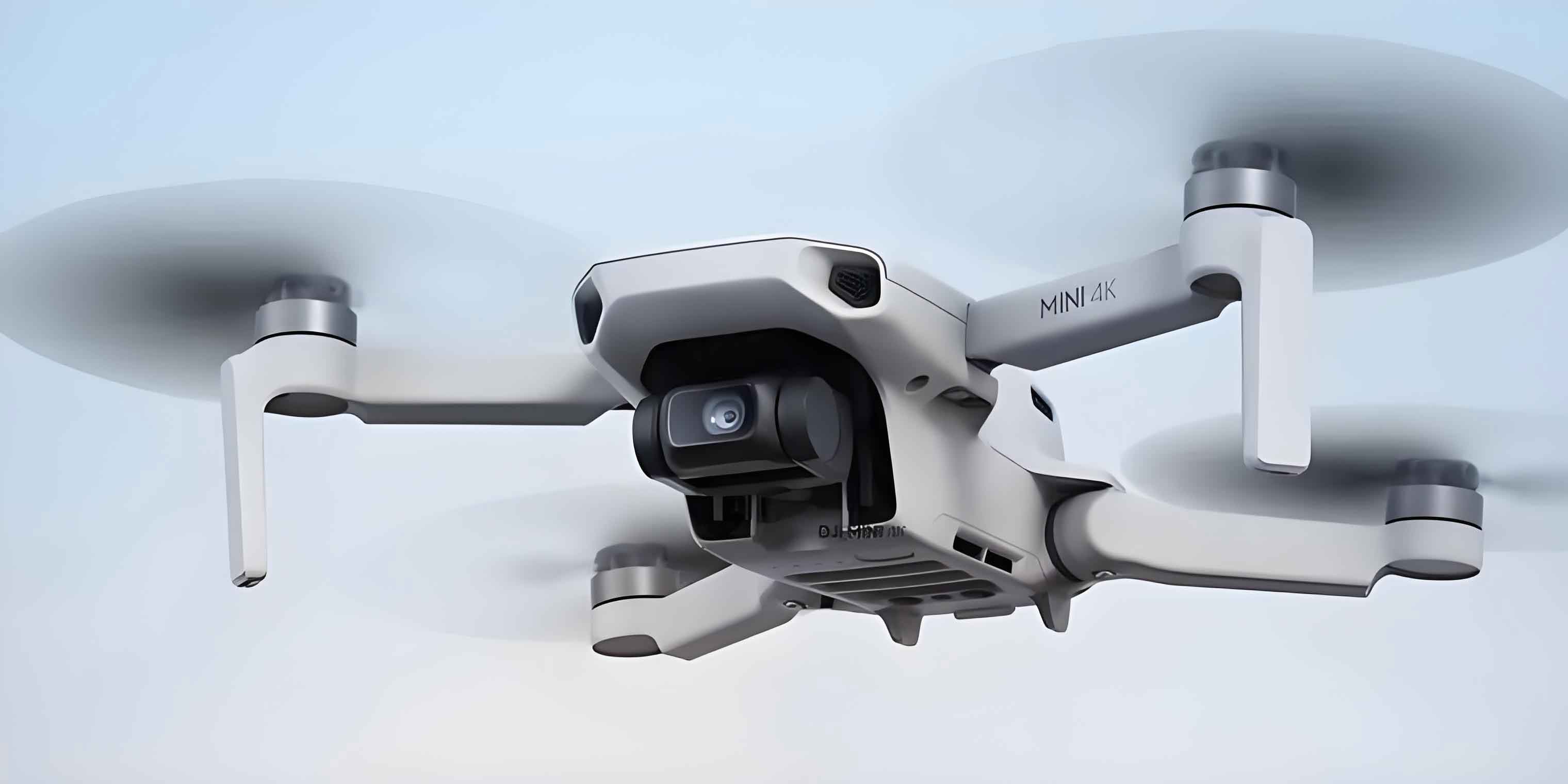
The boundaries of low-altitude applications continue to extend. For instance, Fengfei Aviation, an early entrant in the eVTOL (electric vertical takeoff and landing aircraft) sector with its R&D center in Shanghai, is focusing on cultivating more low-altitude scenarios from traffic shuttles and aerial tourism to medical emergencies. The company recognizes the Yangtze River Delta’s strengths in complete upstream and downstream industry chain support and rich end-user scenarios, making it an ideal base for advanced manufacturing and private sector development. Currently, Fengfei Aviation has布局 (layouts) in multiple Delta locations, aiming to integrate China UAV innovations into everyday life.
Additionally, Shanghai’s Qingpu district is constructing a “low-altitude corridor” within the integrated Yangtze River Delta framework, based on “Beidou” (Beidou intelligence connectivity) and “low-altitude networks”. By establishing industrial-grade drone R&D and manufacturing bases, deploying distributed takeoff and landing site networks, and expanding low-altitude logistics and smart city applications, Qingpu is providing new paradigms for low-altitude economy industrial upgrades and digital city construction. He Jianhua, chief expert of the Yangtze River Delta Modernization Research Base and director of the Yangtze River Delta Modernization Research Institute at Shanghai Academy of Social Sciences, pointed out that the Delta’s well-developed highway and rail networks can now be complemented by low-altitude (passenger and cargo) routes, opening numerous “ground-air combined” application scenarios that could become new economic growth points.
The diversification of China drone applications is also evident in agriculture, where plant protection drones are revolutionizing farming practices during spring ploughing, improving crop yields and reducing labor costs. In tourism, low-altitude flights offer unique aerial views of scenic spots, enhancing visitor experiences. As these examples illustrate, the low-altitude economy is not limited to transportation but spans multiple sectors, driving innovation and efficiency. The ongoing expansion into new domains, such as environmental monitoring and urban management, suggests that China UAV technologies will continue to evolve, further integrating into the fabric of society and economy.
-
Fostering a Collaborative Development Ecosystem for Low-Altitude Innovation
To stimulate innovation in the low-altitude economy, cities across the Yangtze River Delta are leveraging their distinct advantages, creating a synergistic ecosystem that promotes collective growth. Shanghai, with its strong aviation industry foundation, is attracting leading enterprises in drones, eVTOL, and related fields. Xie Ling, founder and CEO of Yufeng Future, cited Shanghai’s status as a core area for China’s civil aviation industry as a key reason for choosing the city for (entrepreneurship). He noted that Shanghai’s new energy vehicle and aviation industry chains offer a (overtaking on a curve) opportunity for aviation electrification, with the three-electric supply chain and technological spillovers from companies like Tesla making it a natural testing ground for eVTOL innovation.
Similarly, Hefei recently hosted a (matching event) focused on low-altitude economy, where five innovative companies in the sector connected with 11 investment and financing institutions. Wu Quanquan, general manager of Tsinghua Mengshi Intelligent Flying Car Industry, expressed that they are drawn to Hefei’s industrial chain synergy and plan to introduce local car manufacturers as strategic investors to deepen supply chain localization. This “between capital and projects underscores the region’s ability to foster partnerships that drive low-altidity advancements.
As the low-altitude industry in the Yangtze River Delta gains unstoppable momentum, its development model has become a topic of discussion. In November last year, the “Suzhou Consensus on Collaborative Innovation and Development of Low-Altitude Industry in the Yangtze River Delta” was signed, (clarifying) the construction of six collaborative systems including technology (breakthroughs), scenario innovation, infrastructure, and flight management, and establishing a 20-billion-yuan (special fund) to support key links in the industry chain. On the same day, the Low-Altitude Industry Alliance Yangtze River Delta Sub-Alliance was established, aiming to strengthen the low-altitude industry organizational system.
A research team from Nanjing University of Aeronautics and Astronautics’ College of Humanities and Social Sciences observed that the three provinces and one city in the Yangtze River Delta have formed a differentiated and synergistic policy landscape for low-altitude industry development. Shanghai focuses on technological standard breakthroughs and promotes airworthiness certification through innovative financial tools; Jiangsu leverages its manufacturing cluster advantages to innovate airspace management systems; Zhejiang takes infrastructure network construction as a starting point to build logistics hubs; and Anhui attracts technology spillovers through pilot policies. This differentiated layout creates (staggered competitive advantages) while demonstrating integration capabilities in airspace coordination and industry chain complementarity. A representative from an eVTOL enterprise commented that cross-provincial airspace sharing and order coordination mechanisms help improve operational efficiency.
The collaborative spirit extends to talent development and knowledge sharing. Universities and research institutions in the Delta are partnering with industries to address skill gaps, offering courses and training programs focused on China UAV and China drone technologies. This ecosystem not only accelerates innovation but also ensures that the region remains competitive on a global scale, as shared resources and expertise reduce duplication and foster best practices.
-
Differentiated Regional Strategies and Synergies in Low-Altitude Economy
The Yangtze River Delta’s approach to low-altitude economy is characterized by tailored strategies that capitalize on each area’s unique resources and industrial base, while fostering regional synergies for overall growth. Shanghai’s emphasis on technology standards and financial innovation sets a high bar for quality and safety, encouraging other cities to align with international benchmarks. For example, Shanghai’s push for advanced airworthiness certification for China UAV and eVTOL models ensures that products meet rigorous standards, building trust among consumers and regulators.
Jiangsu, with its strong manufacturing capabilities, is focusing on the production and assembly of low-altitude aircraft components. Cities like Nanjing and Suzhou are developing industrial parks dedicated to China drone manufacturing, attracting suppliers of motors, batteries, composite materials, and navigation systems. This clustering effect reduces costs and shortens supply chains, enabling faster time-to-market for new technologies. The province’s innovation in airspace management, such as dynamic zoning for low-altitude flights, allows for more flexible and efficient operations, supporting everything from logistics to aerial surveys.
Zhejiang, particularly Hangzhou, is prioritizing infrastructure development to create a robust network of takeoff and landing sites and low-altitude routes. This focus on logistics hubs aligns with the province’s ambition to become a national leader in low-altitude economy, leveraging its expertise in e-commerce and digital technologies. The deployment of China UAV for parcel delivery in urban and rural areas is a key initiative, with companies testing drones for last-mile logistics in collaboration with major retailers.
Anhui, though later to the scene, is leveraging pilot policies to attract technology transfer and investment from more developed Delta regions. By offering incentives for R&D and manufacturing, Anhui is building a niche in specific components or services, such as battery technology for China drone systems, contributing to the regional supply chain. This complementary approach prevents overlap and ensures that the entire Delta benefits from a diversified low-altitude industry ecosystem.
The synergy among these strategies is evident in joint projects, such as the cross-provincial passenger routes and shared airspace management systems. For instance, the coordination between Shanghai, Jiangsu, and Zhejiang in planning low-altitude corridors allows for seamless flights across administrative boundaries, reducing bureaucratic hurdles and enhancing user experience. This collaborative model, supported by the 20-billion-yuan fund from the Low-Altitude Industry Alliance, facilitates resource pooling and risk sharing, accelerating the adoption of China UAV and China drone technologies across sectors.
Moreover, the establishment of the “4-hour industry circle” centered on Shanghai aims to concentrate high-quality enterprises in the low-altitude economy chain within a four-hour drive, ensuring that eVTOL and other aircraft components can be sourced locally. This not only boosts efficiency but also strengthens the Delta’s position as a global cluster for low-altitude innovation, rivaling other leading regions worldwide. The integration of differentiated strategies with overarching coordination exemplifies how the Yangtze River Delta is weaving a cohesive low-altitude industry fabric that drives sustainable economic growth.
-
Addressing Challenges for Sustainable Growth in Low-Altitude Economy
Despite the promising advancements, the low-altitude economy in the Yangtze River Delta faces several challenges that must be addressed to ensure sustainable growth and widespread adoption. Safety remains the paramount concern, serving as the bottom line for low-altitude industry development. For manufacturers, enhancing safety through technological innovation is critical, including improving electronic fence coverage rates and establishing broader flight monitoring systems to track China UAV trajectories, detect anomalies, and prevent (non-compliant flights).
Recently, at a National Development and Reform Commission press conference, the spokesperson emphasized that safety is the primary prerequisite for low-altitude economy development. It is essential to crack down on (illegal flights) and accelerate the construction of a comprehensive safety guarantee system to ensure steady progress on a secure track. This statement aligns with industry needs, injecting a (boost) into the healthy development of the entire low-altitude economy ecosystem.
Dong Zhiyi, chief expert on low-altitude economy at the Chinese Society of Aeronautics and Astronautics, highlighted at the “2025 World Drone Congress” that low-altitude economy development involves issues such as national defense security, aircraft flight safety, and social public safety. Addressing these requires building a low-altitude safety management system from multiple aspects, including policies, regulations, standard systems, management mechanisms, and protection technologies, to further advance the low-altitude economy.
Technological bottlenecks also pose significant hurdles. Currently, limitations in drone endurance, load capacity, and intelligence levels need to be overcome through continued R&D. One industry interviewee noted that the development of China UAV relies on advanced technologies, but gaps in battery life and autonomous navigation persist. Additionally, the sector faces a shortage of professionals, as talent cultivation has not kept pace with market demand. In the early stages of industry development, high costs are incurred across various links, including aircraft R&D, materials, production, and certification, which can deter investment and slow down innovation.
To tackle these challenges, stakeholders are advocating for targeted measures. For instance, supporting regions to cultivate leading enterprises in the low-altitude economy chain based on their resource endowments and industrial foundations can drive the development of specialized low-altitude economy industrial parks. This approach encourages the agglomeration of upstream and downstream enterprises, such as those involved in motors, batteries, composite materials, navigation, communication, and components, fostering integrated development.
Furthermore, the collaborative nature of the Yangtze River Delta facilitates knowledge exchange and joint problem-solving. By sharing best practices in safety protocols and technological standards, cities can collectively elevate their low-altitude ecosystems. Initiatives like the Low-Altitude Industry Alliance provide platforms for addressing common issues, such as airspace management and public acceptance, ensuring that the growth of China drone applications is both rapid and responsible.
-
Future Outlook and Recommendations for Low-Altitude Economy in the Delta
Looking ahead, the low-altitude economy in the Yangtze River Delta holds immense potential to drive economic transformation and enhance regional competitiveness. With ongoing policy support, infrastructure development, and market expansion, the sector is poised to enter a phase of standardized and rapid growth. However, achieving this vision requires concerted efforts from governments, industries, and academic institutions to overcome existing barriers and capitalize on emerging opportunities.
Experts recommend strengthening the cultivation of chain-leading enterprises in the low-altitude economy, which can act as anchors for industrial clusters. By establishing distinctive low-altitude economy industrial parks across the Delta, cities can attract a diverse range of businesses, from China UAV manufacturers to service providers, creating hubs of innovation and production. This clustering not only reduces costs through economies of scale but also fosters collaboration, as seen in Shanghai’s “4-hour industry circle” concept, where components for eVTOL and other aircraft can be sourced within a short drive, enhancing supply chain resilience.
The integration of low-altitude technologies with other emerging fields, such as artificial intelligence, 5G, and the Internet of Things, will further amplify their impact. For example, smart city initiatives can incorporate China drone systems for traffic monitoring, disaster response, and environmental protection, making urban areas more efficient and livable. In agriculture, the combination of drones with data analytics can optimize crop management, contributing to food security and sustainable farming practices.
To address talent shortages, expanded educational and training programs are essential. Universities in the Delta should introduce specialized courses on low-altitude economy, covering aspects like aircraft design, regulation, and business models. Vocational training can equip workers with the skills needed for operating and maintaining China UAV, ensuring a steady pipeline of professionals to support industry growth.
Public awareness and acceptance are also crucial for the widespread adoption of low-altitude technologies. Transparent communication about safety measures and benefits, coupled with demonstrations of successful applications, can build trust among communities. For instance, showcasing how China drone delivery reduces carbon emissions or how air taxis ease congestion can highlight the positive societal impacts.
In conclusion, the Yangtze River Delta’s journey toward a thriving low-altitude economy is marked by robust policy frameworks, innovative applications, and collaborative synergies. By addressing challenges related to safety, technology, and talent, and by leveraging the region’s strengths in manufacturing and digital infrastructure, the Delta can solidify its position as a global leader in low-altitude innovation. The “4-hour low-altitude industry circle” not only symbolizes operational efficiency but also represents a bold vision for a connected, sustainable future where China UAV and China drone technologies become integral to everyday life, driving economic growth and improving quality of life for millions.