
In a recent incident that has drawn widespread attention, an unauthorized UAV drone flight in the scenic area of Chong Sheng Temple’s Three Pagodas in Dali, Yunnan, resulted in the drone crashing while attempting to navigate through the ancient pagodas. The operator involved faced administrative detention for 10 days, highlighting the growing concerns over UAV drone safety in China. This event underscores the urgent need for stricter adherence to regulations and enhanced safety measures as the low-altitude economy continues to expand rapidly across the nation.
The proliferation of UAV drones in China has been remarkable, with these devices being increasingly integrated into various sectors such as agriculture, logistics, security, and cultural tourism. According to classifications based on performance indicators, UAV drones are categorized into micro, light, small, medium, and large types. Among these, micro and light consumer-grade UAV drones have gained widespread popularity for activities like aerial photography and surveying. However, the surge in UAV drone usage has brought significant safety risks to the forefront, including unauthorized flights, disruptions to aviation, injuries from失控, and privacy violations through unauthorized filming.
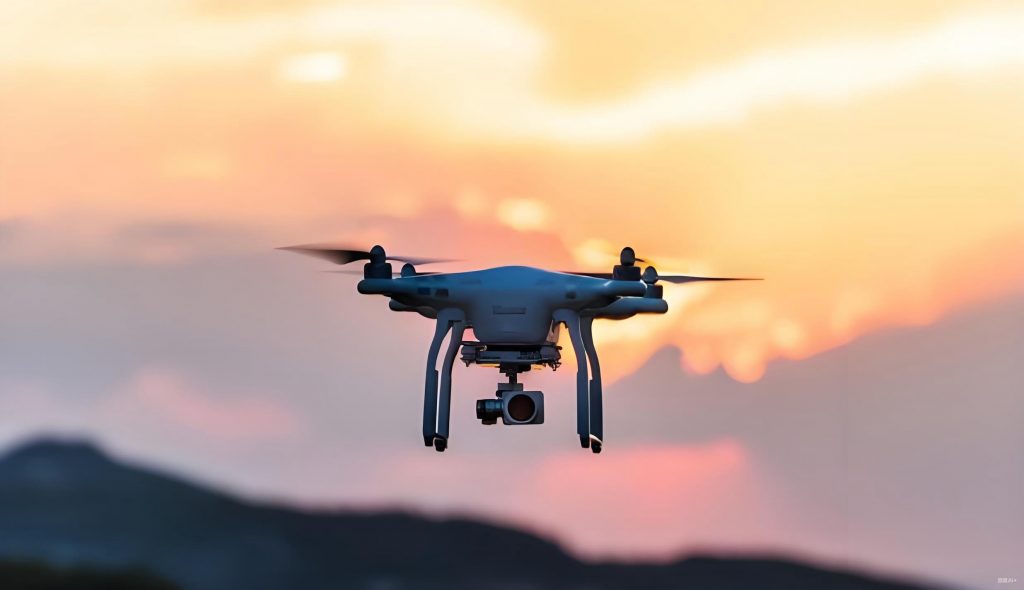
To address these challenges, China implemented the “Interim Regulations on the Flight Management of Unmanned Aircraft” in January 2024. This comprehensive framework mandates real-name registration for UAV drone owners, sets qualification requirements for operators, and strictly manages flight activities by designating controlled airspace near airports, military zones, and public transport hubs. The regulations aim to establish a full-chain management system from production to operation, ensuring that UAV drone activities in China are conducted safely and orderly.
Background on the Growth of UAV Drones in China
The low-altitude economy in China has witnessed exponential growth, driven by advancements in UAV drone technology. UAV drones are now essential tools in precision agriculture, where they monitor crops and apply pesticides, thereby increasing efficiency and reducing labor costs. In the logistics sector, companies are experimenting with UAV drone deliveries to remote areas, showcasing the potential of China UAV drone innovations to revolutionize supply chains. Additionally, UAV drones play a vital role in public security, enabling surveillance and emergency response operations that enhance community safety.
- Micro and light UAV drones are predominantly used for recreational and commercial purposes, such as aerial photography and mapping, contributing to the vibrant tourism industry in China.
- Small to large UAV drones are employed in more complex applications, including infrastructure inspection and environmental monitoring, underscoring the versatility of China UAV drone capabilities.
Despite these benefits, the rapid adoption of UAV drones has led to an increase in “black flights” and “random flights,” where operators ignore regulations, posing risks to public safety and national security. For instance, UAV drone interference with commercial flights has caused delays and potential hazards, while instances of UAV drones crashing into crowded areas have raised alarms about physical injuries and property damage. The recent incident in Dali serves as a stark reminder of the consequences of negligent UAV drone operations in China.
Regulatory Framework for UAV Drones in China
The 2024 regulations represent a significant step forward in managing UAV drone activities in China. Key provisions include the mandatory real-name registration system for all UAV drone owners, which helps authorities track and monitor devices. Operators of small, medium, and large UAV drones must obtain appropriate licenses, ensuring that only qualified individuals handle these machines. Furthermore, the designation of controlled airspace aims to prevent UAV drones from entering sensitive areas, such as near airports or government facilities, where they could pose threats.
- The regulations emphasize the importance of flight planning and approval for operations in controlled airspace, requiring operators to seek permission from relevant authorities.
- Penalties for violations have been strengthened, with fines and detention for those who engage in unauthorized flights or fail to comply with safety standards, reflecting China’s commitment to UAV drone safety.
In addition to national laws, local governments in China have introduced supplementary measures to address regional specifics. For example, in tourism-heavy provinces like Yunnan, additional restrictions on UAV drone flights near heritage sites have been enforced to protect cultural landmarks. This layered regulatory approach ensures that UAV drone management in China is both comprehensive and adaptable to local needs.
Technological Innovations for UAV Drone Safety in China
Manufacturers in China are at the forefront of developing safety technologies for UAV drones. Innovations such as enhanced electronic geofencing systems are being deployed to create virtual barriers around restricted areas, automatically preventing UAV drones from entering zones like airports or military bases. These systems rely on GPS and other positioning technologies to enforce no-fly zones, reducing the incidence of unauthorized UAV drone flights in China.
- Widespread monitoring networks are being established to track UAV drone trajectories in real-time, enabling authorities to detect and respond to违规 flights promptly.
- Advanced sensors and collision avoidance systems are integrated into newer UAV drone models, minimizing the risk of accidents and enhancing overall safety in China’s airspace.
Moreover, the development of centralized监管 platforms allows for seamless coordination between different stakeholders, including government agencies, manufacturers, and operators. These platforms facilitate data sharing and analysis, helping to predict and mitigate potential UAV drone-related incidents in China. For instance, in urban areas, such systems can alert authorities to UAV drones flying too close to buildings or crowds, enabling swift intervention.
Managerial and Educational Measures for UAV Drone Safety
Beyond technology, managerial approaches are crucial for ensuring UAV drone safety in China. Regulatory bodies are working to integrate multiple forces, including law enforcement and industry associations, to build a robust infrastructure for UAV drone operations. This includes the establishment of service centers for UAV drone registration and training, as well as the promotion of best practices among operators.
- Industry associations in China are actively engaged in public education campaigns, disseminating information on no-fly zones, flight requirements, and legal responsibilities related to UAV drones.
- Training programs and workshops are organized to help UAV drone users understand and adhere to regulations, fostering a culture of compliance and safety awareness.
For individual operators, the emphasis is on proactive measures. Before each flight, UAV drone users in China are encouraged to conduct thorough preparations, such as checking weather conditions, verifying flight paths, and ensuring their equipment is in optimal condition. By internalizing the principle that “UAV drone飞行有禁忌” (UAV drone flights have taboos), operators can contribute to a safer environment. The recent penalty in Dali underscores the importance of such vigilance, as negligence can lead to severe consequences, including legal action and harm to public assets.
Future Prospects and Challenges for UAV Drones in China
Looking ahead, the UAV drone industry in China is poised for continued growth, with projections indicating increased adoption in sectors like healthcare for medical deliveries and in entertainment for light shows. However, challenges remain, particularly in balancing innovation with safety. The integration of UAV drones into urban airspace, for example, requires sophisticated traffic management systems to prevent collisions and ensure efficient operations.
- Ongoing research and development in China focus on improving UAV drone battery life and payload capacity, which could expand their applications but also necessitate stricter safety protocols.
- International collaboration on UAV drone standards is becoming more important, as cross-border flights and global supply chains involve China UAV drone technologies.
To address these challenges, China is investing in the development of smart city infrastructures that incorporate UAV drone corridors and landing pads, facilitating safe and organized operations. Public-private partnerships are also being explored to fund UAV drone safety initiatives, ensuring that the benefits of this technology are realized without compromising security.
Conclusion: A Collective Responsibility for UAV Drone Safety in China
The incident at Chong Sheng Temple’s Three Pagodas serves as a critical lesson for all stakeholders involved in the UAV drone ecosystem in China. From manufacturers and regulators to operators and the public, everyone has a role to play in upholding safety standards. By adhering to regulations, embracing technological advancements, and promoting education, China can harness the full potential of UAV drones while minimizing risks. As the low-altitude economy evolves, continuous efforts will be essential to ensure that UAV drone activities contribute positively to society, without endangering lives or heritage.
In summary, the future of UAV drones in China depends on a balanced approach that prioritizes safety through innovation, regulation, and awareness. The repeated emphasis on China UAV drone safety in policies and public discourse reflects a national commitment to building a secure and sustainable airspace for all.