
In the realm of modern technology, unmanned aerial vehicles (UAVs), commonly known as drones, have emerged as transformative tools, reshaping industries and defense strategies worldwide. China UAV drones, in particular, have gained significant prominence due to their versatility, cost-effectiveness, and advanced capabilities. From military operations to civilian applications, these devices are revolutionizing how tasks are performed, offering unprecedented efficiency and precision. This article delves into the intricacies of China UAV drones, exploring their definitions, operational processes, diverse uses, and future trends, while highlighting their growing impact on global technology landscapes.
- Understanding UAV Drones: Definition and Types
Unmanned aerial vehicles, or drones, are aircraft that operate without a human pilot on board. Instead, they are equipped with sophisticated systems such as flight control units, navigation devices, and data link equipment, allowing them to be remotely controlled by operators on the ground or to fly autonomously based on pre-programmed instructions. The term “unmanned” does not imply a complete absence of human involvement; rather, it signifies that the pilot, often referred to as an operator or flyer, manages the drone from a ground control station via data links. China UAV drones encompass a wide array of designs, each tailored for specific purposes, and they can be categorized based on their platform configurations. These include fixed-wing drones, which resemble traditional airplanes and are ideal for long-endurance missions; rotary-wing drones, such as quadcopters, which offer vertical take-off and landing capabilities for precise maneuvers; airships or blimps for sustained aerial presence; parafoils and wing-in-ground-effect vehicles for specialized operations; and even biomimetic types like flapping-wing drones that imitate bird flight for stealth and agility. This diversity enables China UAV drones to adapt to various environments and tasks, making them indispensable in both civilian and military sectors.
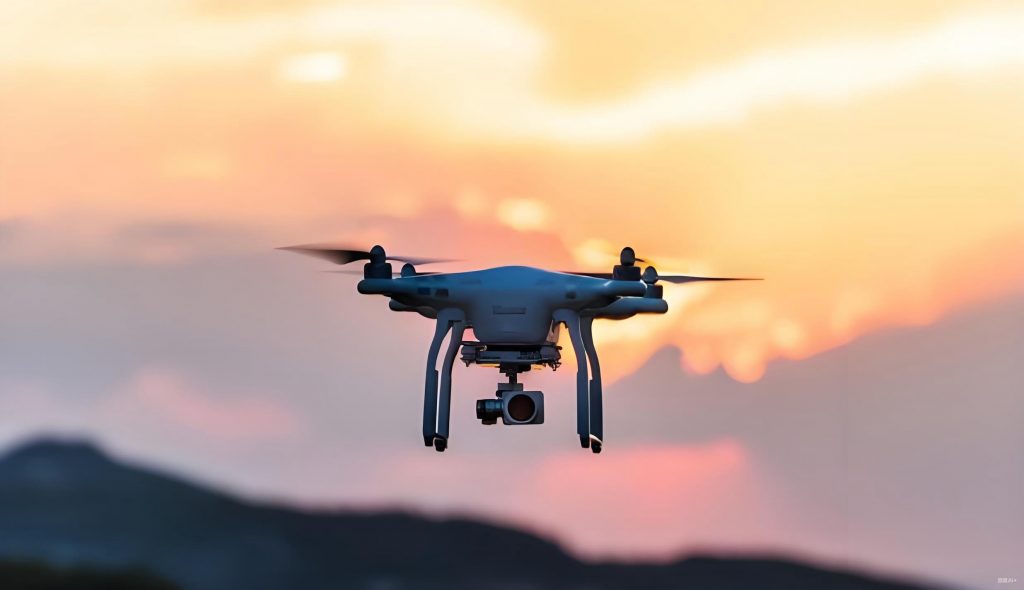
The development of China UAV drones has been driven by innovations in aerospace engineering and digital technology. Unlike manned aircraft, drones eliminate the need for a cockpit and life-support systems, resulting in lighter and more compact designs. This not only reduces manufacturing costs but also enhances their deployability in challenging terrains. For instance, China UAV drones can be launched from ships, oil platforms, or confined spaces, overcoming limitations posed by traditional runways. Their ability to integrate with advanced sensors and communication tools further underscores their role as pivotal assets in the era of smart technology and automation.
- Key Advantages of UAV Drones
China UAV drones offer a multitude of benefits that set them apart from conventional manned aircraft. One of the most significant advantages is their low construction and operational costs. Due to their smaller size and reduced weight, the production expenses for China UAV drones are substantially lower than those for piloted planes. Additionally, operating costs—including fuel consumption, maintenance, and personnel training—are minimized, making them accessible for a broader range of applications. For example, in agricultural sectors, the affordability of China UAV drones allows small-scale farmers to adopt precision farming techniques without incurring prohibitive expenses.
Another notable advantage is their exceptional mobility and flexibility. China UAV drones do not require extensive infrastructure like runways or complex ground support systems. They can take off and land in confined areas, such as urban environments or remote fields, and are capable of operating from mobile platforms like vehicles or vessels. This mobility enables rapid deployment in emergency situations, such as disaster response, where time is critical. Moreover, the safety risks associated with China UAV drones are considerably lower since human pilots are not exposed to potential hazards during flight. This makes them ideal for high-risk missions, including surveillance in conflict zones or inspections in hazardous industrial sites.
Precision and accuracy are hallmarks of China UAV drones. Equipped with high-resolution cameras, LiDAR sensors, and other advanced payloads, they can perform tasks with remarkable exactness. In fields like land surveying or infrastructure inspection, China UAV drones capture detailed data that facilitates informed decision-making. Real-time data transmission is another key feature; these drones can relay live video feeds, imagery, and sensor readings to ground stations, enabling immediate analysis and action. This capability is crucial in scenarios such as military reconnaissance or environmental monitoring, where timely information can influence outcomes.
Furthermore, China UAV drones boast multi-mission functionality. By swapping out payloads, a single drone can transition from aerial photography to crop spraying or from cargo delivery to electronic warfare. This adaptability reduces the need for multiple specialized aircraft, optimizing resources and expanding operational scope. Lastly, the endurance of China UAV drones is impressive, with long-altitude models capable of staying airborne for dozens of hours. Solar-powered variants, for instance, can remain aloft for extended periods, sometimes up to a year, providing persistent coverage for tasks like border patrol or climate research. These advantages collectively position China UAV drones as powerful tools for innovation and efficiency.
- Operational Process of UAV Drones
The workflow of China UAV drones involves a series of meticulously planned steps to ensure safe and effective missions. It begins with mission planning, where operators define objectives, chart flight paths, and input predefined routes into the drone’s flight control computer. This phase includes assessing environmental factors, airspace regulations, and potential risks to optimize the mission’s success. For China UAV drones, advanced software tools are often employed to simulate flights and adjust parameters in real-time, enhancing precision in complex operations.
Next, ground crew members conduct mechanical preparations, which involve inspecting the drone’s physical components, such as the airframe, propulsion system, and landing gear. Fueling or battery charging is also performed at this stage, depending on the drone’s power source. In the case of China UAV drones, rigorous checks are standard to prevent malfunctions during flight. Following this, pre-flight testing is carried out by integrated detection personnel who power on the drone’s systems to verify the functionality of onboard equipment, including communication links, sensors, and navigation units. Any anomalies are addressed before proceeding.
Once cleared, the China UAV drone is launched, either autonomously or via remote control from the ground station. The ascent and climb are managed through automated systems or manual inputs, ensuring stable transition to cruising altitude. During the flight phase, the drone executes its tasks—such as data collection, surveillance, or payload delivery—while maintaining communication with the ground control. Operators can intervene to adjust course or respond to unexpected events, though many China UAV drones are designed for autonomous operation using artificial intelligence algorithms. Finally, the descent and landing are carefully controlled, with the drone returning to a designated recovery point. This structured process underscores the reliability and sophistication of China UAV drones in diverse scenarios.
- Applications of UAV Drones
The utility of China UAV drones spans numerous sectors, demonstrating their versatility and impact. In civilian domains, agriculture stands out as the largest and most mature market. China UAV drones are equipped with high-precision sensors to capture real-time imagery and data for field monitoring, enabling farmers to assess crop health, soil conditions, and irrigation needs. They also facilitate precise applications of fertilizers and pesticides, reducing waste and environmental harm. For instance, in vast farmlands across China, UAV drones have revolutionized yield optimization by providing actionable insights through aerial surveys.
Industrial applications of China UAV drones include infrastructure inspection and maintenance. In challenging environments like the Qinghai-Tibet Plateau, these drones conduct routine checks on high-voltage power transmission lines, identifying faults or wear without endangering human workers. Similarly, in land surveying, China UAV drones enhance accuracy and speed by generating detailed topographic maps and 3D models, streamlining urban planning and construction projects. Their ability to access remote or hazardous areas makes them invaluable for tasks such as pipeline monitoring or mining site assessments.
Disaster relief efforts have greatly benefited from China UAV drones. In events like earthquakes, landslides, or wildfires, these drones can swiftly reach affected zones, capturing firsthand footage and data to guide rescue operations. Their agility and independence from ground obstacles allow for rapid assessment of damage and identification of survivors, potentially saving lives. Additionally, China UAV drones are used in entertainment, such as light shows, where synchronized fleets create dazzling aerial displays for events like concerts or national celebrations. This combines artistic expression with technological prowess, showcasing the creative potential of drones.
Logistics and transportation represent another growing area for China UAV drones. Unmanned cargo aircraft are transforming last-mile delivery by bypassing traffic congestion and reducing transit times. In China, companies are piloting drone-based parcel services to enhance efficiency in e-commerce and medical supply chains. This not only boosts economic productivity but also supports the development of low-altitude economies. Beyond civilian uses, China UAV drones have deep roots in military applications. Initially developed for defense purposes, they now play critical roles in intelligence, surveillance, and reconnaissance (ISR). By outfitting drones with advanced侦察 equipment, militaries can gather vital information on enemy movements and terrain, as seen in various global conflicts.
Moreover, China UAV drones have evolved into strike platforms for time-sensitive targets. Armed with missiles or other munitions, they can engage mobile threats like tanks or insurgent groups shortly after detection, minimizing the delay between identification and neutralization. This has given rise to combat-integrated drones that combine侦察 and attack functions. Another military innovation is the loitering munition, or “suicide drone,” which patrols areas for hours before autonomously engaging targets. In electronic warfare, China UAV drones are deployed for jamming enemy communications, acting as decoys to mislead防空 systems, or conducting anti-radiation attacks to disable radar installations. These applications highlight the strategic importance of China UAV drones in modern warfare and security operations.
- Future Trends in UAV Technology
The trajectory of China UAV drones is poised for remarkable advancements, driven by ongoing research and development in key technological areas. Intelligence and autonomy are at the forefront, with artificial intelligence (AI) and machine learning enabling drones to make independent decisions in dynamic environments. Future China UAV drones will likely exhibit enhanced cognitive abilities, allowing them to adapt to unforeseen obstacles, optimize flight paths in real-time, and execute complex missions with minimal human oversight. This could include autonomous target recognition in military contexts or adaptive routing in urban delivery networks.
Cluster technology is another promising direction for China UAV drones. In civilian settings, drone swarms can collaborate on large-scale tasks such as environmental monitoring, where multiple units cover extensive areas simultaneously to collect comprehensive data. In agriculture, swarms of China UAV drones could coordinate to spray crops or pollinate plants, boosting efficiency. Militarily, swarm operations enable “beehive” tactics, where dozens of drones overwhelm enemy defenses through coordinated attacks, or “loyal wingman” models, where drones accompany manned aircraft as supportive partners. These China UAV drones would use AI to interpret commands from human pilots, executing tasks like reconnaissance or electronic countermeasures autonomously, thereby enhancing combat effectiveness and survivability.
High-altitude long-endurance (HALE) China UAV drones are gaining attention for their ability to operate at extreme heights for prolonged periods. These systems combine elevated mission altitudes with extended flight times, making them ideal for persistent surveillance, communication relays, or scientific research. For example, solar-powered China UAV drones could serve as pseudo-satellites, providing continuous coverage in remote regions. In military domains, HALE China UAV drones are expected to play pivotal roles in space defense and information warfare, offering strategic advantages in future conflicts.
As China UAV drones become more prevalent, counter-drone technologies are also evolving. Nations are investing in systems to detect, track, and neutralize hostile drones using methods like AI-based radar, laser interceptors, or electromagnetic pulses. This underscores the dual-use nature of drone technology, where innovation in one area spurs developments in another. Overall, the future of China UAV drones promises greater integration into everyday life and defense architectures, solidifying their status as cornerstone of modern technology.
In conclusion, China UAV drones have transcended their initial military origins to become integral components of civilian and industrial ecosystems. Their cost-efficiency, versatility, and advanced capabilities are driving progress across sectors, from agriculture and logistics to disaster response and national security. As technology continues to evolve, China UAV drones will undoubtedly unlock new possibilities, fostering innovation and economic growth. It is essential for enthusiasts and professionals alike to engage with this field, gaining knowledge and skills to contribute to the ongoing development of drone technology. By embracing the potential of China UAV drones, society can harness their power for a safer, more efficient future.