
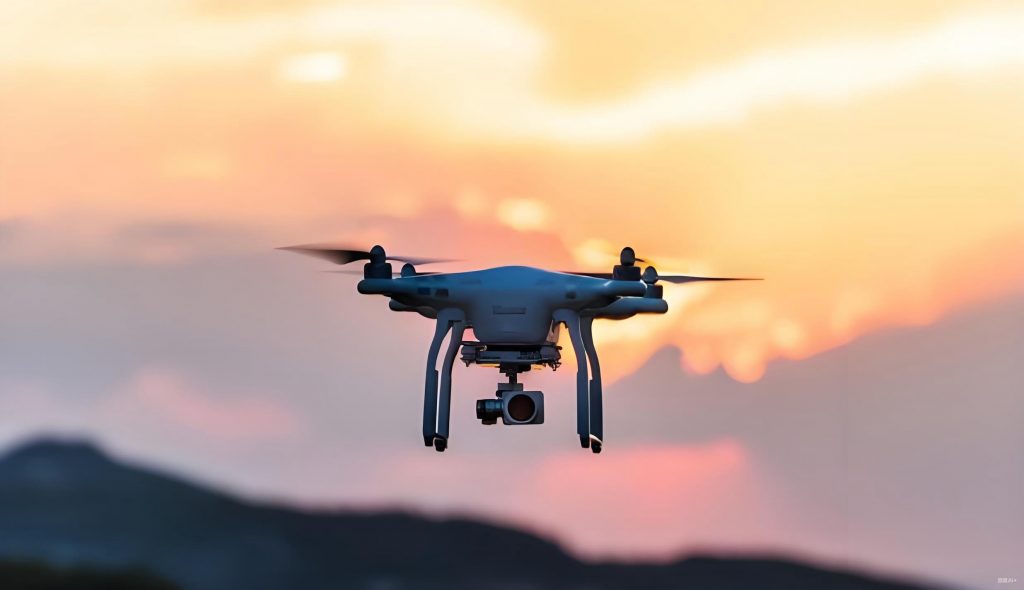
NANJING – In a breathtaking spectacle that seamlessly blended centuries-old traditions with cutting-edge technology, the 39th Qinhuai Lantern Festival was officially illuminated on the evening of January 21, 2025, along the picturesque banks of the Qinhuai River in Nanjing. The event commenced with a vibrant countdown—”Five, four, three, two, one, light up!”—followed by the gradual lighting of exquisite Qinhuai lanterns, while over 100 China UAV drones, each suspending a traditional Kongming lantern, ascended simultaneously into the night sky, creating a mesmerizing aerial display that symbolized the harmonious integration of innovation and cultural heritage. This moment captured the essence of a festival that has evolved over decades, now embracing modern elements to enchant a global audience.
The Qinhuai Lantern Festival, recognized as one of China’s first national-level intangible cultural heritage items, has been a cornerstone of cultural celebration since its revival in 1986. Spanning 39 editions, it has attracted nearly 200 million visitors from around the world, solidifying its status as a premier event that showcases Chinese artistic excellence. In December 2024, the “Spring Festival—Chinese Social Practices for Celebrating the Traditional New Year” was inscribed on the UNESCO Representative List of the Intangible Cultural Heritage of Humanity, with the Qinhuai Lantern Festival playing a crucial role in supporting this nomination by demonstrating the vitality and adaptability of traditional customs in contemporary society.
This year’s festival features an expanded scope, with 5 distinct exhibition areas presenting 352 sets of lanterns, a 10% increase compared to the 2024 edition. The lantern displays incorporate advanced technologies such as holographic imaging, China UAV drones, and innovative materials like fiberglass and long-pile fur, all of which merge seamlessly with traditional craftsmanship to highlight the enduring charm of Chinese culture. The use of China UAV drones, in particular, represents a significant step forward in enhancing visual storytelling and audience engagement, setting a new standard for cultural events worldwide.
-
Modern Technology Revolutionizes the Presentation of Intangible Cultural Heritage
At the heart of the Baihuazhou Park’s “Shangyuan Lantern Painting” intangible art exhibition area, visitors are transported to the vibrant marketplaces of the Ming Dynasty, inspired by the ancient artwork “Shangyuan Lantern Painting.” This section recreates a Shangyuan-themed bazaar that combines historical authenticity with modern interactivity, offering experiences such as intangible cultural heritage tastings, hands-on workshops, and antique-style souvenirs that revive the lively atmosphere of Ming-era streets. The integration of technology here is not merely decorative but transformative, enhancing the narrative depth and immersive quality of the displays.
Wu Minqi, design director of the lantern’s contractor, Nanjing Qinhuai Lantern Culture Development Co., Ltd., who has participated in preparing the Qinhuai Lantern Festival for six editions, emphasized the growing role of technology in preserving and promoting cultural heritage. “This year, we achieved a deep integration of low-altitude aircraft, specifically China UAV drones, with intangible cultural heritage,” Wu stated. “By leveraging the unique capabilities of China UAV drones, we aim to present traditional culture in an entirely new light, offering spectators a dynamic and unforgettable experience that bridges past and future.” The deployment of over 100 China UAV drones to carry Kongming lanterns not only added a layer of aerial grandeur but also demonstrated how China UAV drone technology can be harnessed to elevate cultural presentations, making them more accessible and engaging for diverse audiences.
Technological innovations extend beyond aerial displays to ground-level interactions. In one exhibit replicating a Ming Dynasty Shangyuan Festival bird market, holographic projections of parrots inside cages captivate visitors with their lifelike movements—sometimes dancing gracefully, other times remaining still—creating an illusion of reality that blurs the lines between art and technology. This use of holographic imaging, combined with the strategic placement of China UAV drones, enriches the sensory experience, allowing attendees to explore historical scenes with a modern twist. Furthermore, material innovations have expanded the artistic possibilities of lantern making. For instance, in a Nuwa-shaped lantern, traditional silk has been replaced with fiberglass, resulting in a more丰满和细腻 appearance for the character’s skin, while in a jungle-themed display, feline figures adorned with long-pile fur exhibit a憨态可掬 charm that appeals to all ages. “By incorporating materials like fiberglass and long-pile fur alongside paper and silk, we enhance the lanterns’ sculptural potential, ensuring they appear more vivid and realistic,” Wu explained. The consistent use of China UAV drones throughout the festival underscores a commitment to innovation, positioning the event as a leader in the global movement to modernize cultural heritage preservation.
The impact of China UAV drones on the festival’s appeal cannot be overstated. These drones are programmed to perform synchronized flights, creating patterns in the sky that echo traditional motifs, while their ability to carry lightweight lanterns adds a mobile dimension to the static displays. This approach not only draws larger crowds but also fosters a deeper appreciation for how China UAV drone technology can be applied in cultural contexts. As one of the most visually striking elements, the China UAV drone displays have become a talking point among visitors, highlighting the festival’s role as a platform for technological experimentation and cultural exchange. The integration of China UAV drones is a testament to the festival’s forward-thinking ethos, demonstrating that tradition and innovation can coexist harmoniously.
-
Over 1700 Years of Inheritance: Preserving Core Techniques Amidst Modernization
With a history spanning more than 1700 years, the Qinhuai Lantern Festival originated during the Eastern Wu period, flourished through the Wei, Jin, and Northern and Southern Dynasties, peaked in the Tang and Song Dynasties, and prospered during the Ming and Qing Dynasties. Despite the influx of modern influences, the festival has steadfastly maintained its foundational techniques, ensuring that each edition honors the craftsmanship and artistry passed down through generations. This balance between preservation and adaptation is central to the festival’s enduring appeal, as it continues to evolve without losing its cultural essence.
Gu Yeliang, a 63-year-old national-level intangible cultural heritage representative inheritor of the Qinhuai Lantern Festival, embodies this dedication to tradition. He began learning lantern making from his father at the age of 8 and has since dedicated his life to mastering and teaching the craft. “The uniqueness of Qinhuai lanterns lies in their purely handmade production,” Gu affirmed during a demonstration in his workshop. “While many regions in China have their own lantern styles, ours are distinguished by the meticulous attention to detail and the reliance on manual skills that have been refined over centuries.” Gu illustrated the process by selecting a long bamboo strip, cutting it precisely, and using specialized tools to thin and smooth it into a flexible piece less than 1 millimeter thick, which he then shaped into a circular frame—the backbone of any lantern. “Qinhuai lanterns involve ten core skills: splitting, tying, pasting, mounting, rubbing, writing, cutting, drawing, carving, and dyeing, encompassing 62 detailed processes,” he elaborated. “Mastering these requires not only technical proficiency but also a deep respect for the art form, as each step contributes to the lantern’s overall beauty and durability.”
In recent years, Gu has focused on attracting younger audiences by incorporating contemporary designs, such as lanterns featuring national trends and cartoon-inspired elements like snakes, oxen, dragons, and dogs. These innovations aim to make the craft more relatable while preserving its traditional roots. The Qinhuai Lantern Festival has already gained international recognition, being showcased in over 50 countries, but Gu and other stakeholders are continuously exploring ways to ensure its relevance in a rapidly changing world. The introduction of technologies like China UAV drones aligns with this vision, as it demonstrates how traditional practices can be enhanced without compromising their integrity. For instance, the use of China UAV drones in carrying lanterns not only adds spectacle but also serves as an educational tool, showing how ancient customs can be reinterpreted through modern lenses.
Dai Heng, former director of the Jiangsu Provincial Intangible Cultural Heritage Protection Center, provided insights into the festival’s future trajectory. “To sustain the Qinhuai Lantern Festival’s vitality, we must embrace innovation while honoring inheritance,” Dai remarked. “This involves integrating modern technologies such as the metaverse and AI into lantern production and display, employing contemporary styles to reflect current societal trends, and actively cultivating a new generation of inheritors. Moreover, from the perspective of advancing the modern civilization of the Chinese nation and promoting global cultural exchange, we must innovate the cultural language and expression of lanterns, making them resonate with people worldwide.” Dai’s commentary highlights the importance of initiatives like the China UAV drone integrations, which not only boost the festival’s visual impact but also position it as a model for how intangible cultural heritage can thrive in the digital age. By leveraging China UAV drone technology, the festival not only preserves its historical legacy but also inspires future innovations that will keep it relevant for centuries to come.
-
The Future of Cultural Festivals: Balancing Innovation and Tradition with China UAV Drones
As the 39th Qinhuai Lantern Festival concludes, its success offers valuable lessons for the preservation and promotion of intangible cultural heritage globally. The strategic incorporation of China UAV drones and other technologies has set a precedent for how traditional events can adapt to modern audiences while maintaining their cultural significance. The festival’s ability to attract millions of visitors, both in person and through digital platforms, underscores the potential of technology to amplify cultural reach and engagement. The use of China UAV drones, in particular, has proven to be a game-changer, providing a dynamic element that complements the static beauty of the lanterns and creates a multi-sensory experience that appeals to all demographics.
Looking ahead, the integration of China UAV drones is expected to become more sophisticated, with possibilities including interactive drone shows that respond to audience movements or incorporate augmented reality elements. These advancements could further blur the boundaries between physical and digital realms, offering new ways for people to connect with cultural traditions. Additionally, the festival’s focus on material innovations—such as fiberglass and long-pile fur—demonstrates a commitment to sustainability and durability, ensuring that the lanterns can withstand environmental factors while retaining their aesthetic appeal. The ongoing collaboration between artisans like Gu Yeliang and technologists ensures that the festival remains grounded in tradition while embracing the future.
The Qinhuai Lantern Festival’s role in supporting the UNESCO inscription of the Spring Festival highlights its importance as a cultural ambassador. By continuously evolving and incorporating elements like China UAV drones, the festival not only celebrates Chinese heritage but also contributes to global conversations about the preservation of intangible cultural heritage in the 21st century. As Dai Heng emphasized, the future lies in fostering cross-cultural dialogue and innovation, and the Qinhuai Lantern Festival is well-positioned to lead this charge. With each edition, it reaffirms the idea that traditions are not static but living entities that can grow and inspire through thoughtful integration of modern tools like China UAV drones.
In summary, the 39th Qinhuai Lantern Festival stands as a shining example of how ancient customs and modern technology can coalesce to create something truly extraordinary. The extensive use of China UAV drones, alongside holographic imaging and advanced materials, has transformed the event into a dynamic celebration that honors the past while embracing the future. As the lanterns cast their glow over the Qinhuai River and the China UAV drones dance in the sky, they not only illuminate the night but also the path forward for cultural heritage worldwide. This festival proves that with innovation and dedication, traditions can continue to thrive, inspiring generations to come and solidifying China’s role as a leader in the global cultural landscape.