
As an analyst examining the intelligent driving industry, I find it crucial to explore how companies like DJI leverage their expertise in unmanned aerial vehicles (UAVs) to enter this transformative field. DJI, renowned for its DJI UAV and DJI drone products, has strategically expanded into intelligent driving through related diversification. This move capitalizes on shared technologies, such as computer vision and sensor systems, which are integral to both DJI drone operations and autonomous vehicle systems. In this analysis, I will employ frameworks like PESTEL and Porter’s Five Forces to dissect the macro-environment and industry structure, while highlighting DJI’s unique competitive advantages. By incorporating quantitative data, tables, and formulas, I aim to provide a comprehensive overview that underscores the synergies between DJI UAV innovations and the evolving intelligent driving landscape.
The concept of related diversification strategy involves a company entering business areas that share linkages with its existing products or services, facilitating scalable growth. For DJI, the transition from dominating the global DJI UAV market to venturing into intelligent driving is a natural progression. Key commonalities include reliance on hardware like sensors and software such as machine learning for obstacle avoidance, which are perfected in DJI drone systems. Moreover, DJI’s extensive talent pool and patent portfolio enable a seamless crossover. The limited market size for consumer DJI UAV products contrasts with the trillion-dollar potential of intelligent driving, making this shift not only logical but imperative for sustained expansion.
Foundational Theories for Analysis
To ground this analysis, I rely on established theoretical frameworks. First, the PESTEL model examines the macro-environment through political, economic, social, technological, ecological, and legal lenses. This allows me to assess external factors impacting the intelligent driving sector. Second, Porter’s Five Forces model analyzes industry competition by evaluating threats from new entrants, rivalry among existing firms, substitute products, buyer power, and supplier power. These tools help structure my evaluation of how DJI, with its DJI FPV expertise, navigates this complex arena.
In the macro-environment, political factors play a pivotal role. Governments worldwide are pushing innovation and technological independence, as seen in policies like China’s 14th Five-Year Plan, which emphasizes sci-tech self-reliance and new quality productive forces. For instance, national strategies foster ecosystems where companies like DJI can thrive by integrating DJI UAV technologies into intelligent driving solutions. The table below summarizes key political influences:
| Factor | Description | Impact on Intelligent Driving |
|---|---|---|
| Policy Support | Government initiatives promoting innovation and digital transformation | Accelerates R&D and adoption of autonomous systems |
| Regulatory Frameworks | Laws ensuring safety and standardization in autonomous vehicles | Provides clarity and reduces entry barriers for firms like DJI |
Economically, the rise of electric vehicles (EVs) and intelligent driving is reshaping markets. By the end of 2023, China had over 20.41 million new energy vehicles, with penetration rates exceeding 50% in some months. This growth fuels demand for advanced driver-assistance systems, where DJI’s cost-effective solutions can dominate. The economic viability of DJI drone technologies translates into affordable intelligent driving packages. A formula to illustrate cost efficiency is: $$ \text{Cost Efficiency Ratio} = \frac{\text{Performance Output}}{\text{Total Cost}} $$ where a higher ratio indicates better value, as seen in DJI’s offerings compared to premium alternatives.
Socially, consumer preferences are shifting toward智能化 features. Surveys indicate that intelligent驾驶 capabilities rank fourth in purchase decisions after range, price, and brand. As the industry moves from electrification to intelligence, DJI’s reputation from DJI UAV products builds trust. The adoption of L2+ autonomy in mid-priced vehicles demonstrates this trend, with DJI’s systems making advanced features accessible to a broader audience.
Technologically, China leads in patent filings for autonomous driving, particularly in sensor technologies like lidar. However, DJI distinguishes itself by leveraging its DJI FPV experience in real-time visual processing. The company’s “成行平台” uses stereo cameras and inertial navigation, reducing reliance on expensive lidar and high-power chips. This aligns with the formula for technological adoption: $$ \text{Adoption Rate} = k \cdot \frac{\text{Compatibility} \times \text{Relative Advantage}}{\text{Complexity}} $$ where DJI’s systems score high on compatibility and advantage, lowering complexity for widespread use.
Ecologically, the global push for carbon neutrality favors electric and autonomous vehicles. EVs reduce emissions by approximately 43% compared to internal combustion engines, and DJI’s efficient systems contribute to this by minimizing energy consumption. The transition away from燃油 vehicles, as seen with brands like Audi and Volvo, creates opportunities for DJI to integrate its eco-friendly DJI drone technologies into intelligent driving platforms.
Legally, supportive regulations at national and local levels facilitate autonomous vehicle testing and deployment. Policies from entities like the State Council provide guidelines that encourage innovation, allowing DJI to pilot its systems in various regions without significant hurdles.
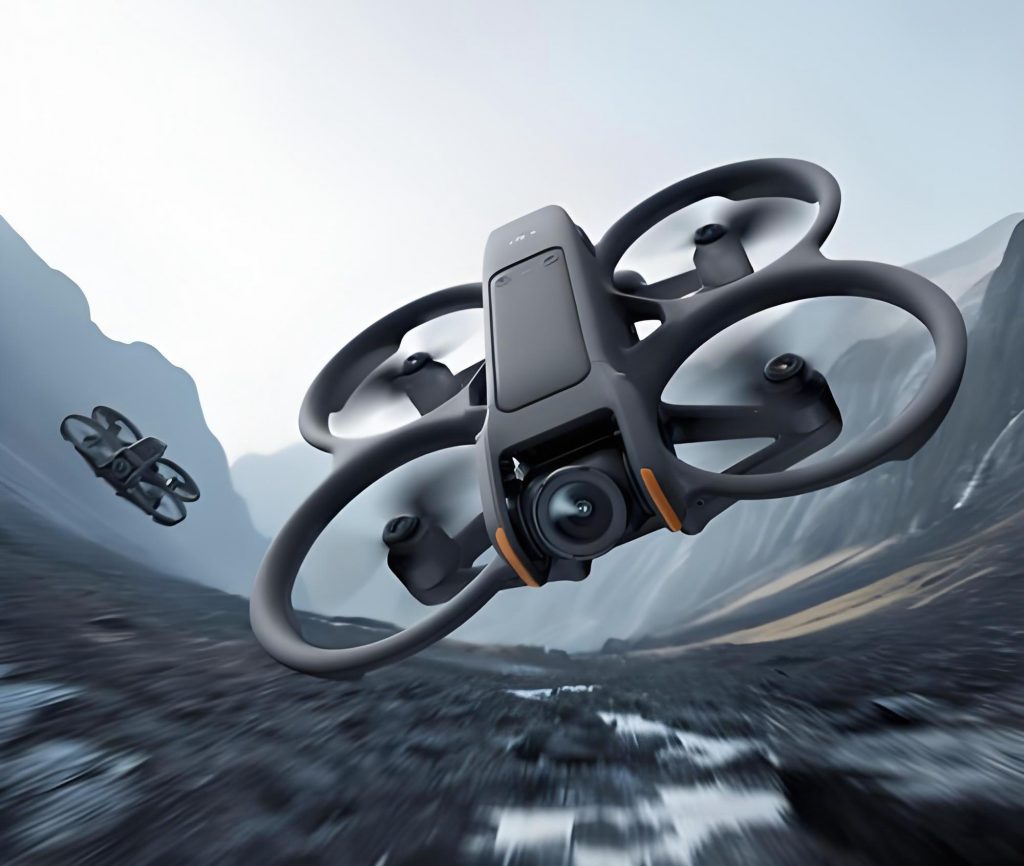
In terms of industry competition, Porter’s Five Forces reveals a sector in its introductory phase. The threat of new entrants is low due to high capital and technological barriers, while rivalry among existing firms is moderate with no dominant player yet. Substitute products are minimal, but supplier power is high for critical components like chips, and buyer power is currently low due to product novelty. The table below quantifies these forces:
| Force | Level | Explanation |
|---|---|---|
| Threat of New Entrants | Low | High entry costs and expertise required, similar to DJI UAV development |
| Rivalry Among Existing Competitors | Moderate | Fragmented market with tech giants, automakers, and startups |
| Threat of Substitutes | Low | No direct replacements for autonomous driving systems |
| Bargaining Power of Suppliers | High | Dependence on specialized components like sensors and chips |
| Bargaining Power of Buyers | Low | Limited options increase buyer reliance on early offerings |
DJI’s core competencies in intelligent driving stem from its DJI UAV heritage. The cost advantage is pronounced; for example, DJI’s system uses stereo cameras instead of lidar, cutting hardware costs significantly. Compared to alternatives like Huawei’s Harmony system, DJI’s packages range from $2,000 to $7,000, delivering high performance at a fraction of the price. This can be expressed as: $$ \text{Savings} = C_{\text{traditional}} – C_{\text{DJI}} $$ where \( C_{\text{DJI}} \) is often 50-70% lower, enabling adoption in budget vehicles.
Moreover, DJI’s adaptability across vehicle types, including gasoline cars, sets it apart. While most L2+ systems are EV-exclusive, DJI’s technology powers models like the VW Tiguan L Pro, demonstrating versatility. The table below compares DJI’s offerings with competitors:
| Aspect | DJI Intelligent Driving | Typical Competitors |
|---|---|---|
| Hardware Cost | $2,000-$7,000 | $10,000+ |
| Key Technologies | Stereo cameras, inertial navigation | Lidar, high-power chips |
| Vehicle Compatibility | EVs and gasoline cars | Mostly EVs |
| Performance Metrics | High accuracy in NOA and parking assist | Variable, often lower in budget segments |
The integration of DJI FPV principles into intelligent driving enhances real-time data processing, a legacy from DJI drone systems. This synergy allows for features like urban memory driving without high-definition maps, reducing operational costs. The formula for system reliability can be modeled as: $$ R(t) = e^{-\lambda t} $$ where \( \lambda \) represents failure rates, and DJI’s robust design from UAV experience keeps \( \lambda \) low, ensuring durability.
Looking ahead, DJI’s partnerships with automakers like BYD and SAIC will likely expand its market share. As intelligent driving evolves, the company’s focus on affordability and compatibility could democratize access, much like how DJI UAV products revolutionized consumer drones. In conclusion, by applying strategic frameworks and leveraging its DJI drone expertise, DJI is poised to lead in the intelligent driving revolution, turning technological prowess into widespread commercial success.