
In today’s rapidly evolving technological landscape, the low-altitude economy is taking flight, transforming everyday life with unprecedented applications. From drones delivering packages directly to doorsteps to unmanned aerial vehicles safeguarding forests and revolutionizing agriculture, the integration of China UAV and China drone technologies is becoming increasingly commonplace. As a representative of new quality productive forces, the low-altitude economy boasts a long industrial chain, strong innovation capabilities, and diverse application scenarios, positioning it as a critical future industry. This year, Shijiazhuang has seized the opportunity to develop this sector, leveraging its status as a national general aviation industry comprehensive demonstration zone and a civil unmanned aircraft pilot zone. With the approval of the largest drone test airspace in North China, the city is comprehensively advancing the layout of the entire low-altitude economy industrial chain. Through synchronized efforts in policy and industry, Shijiazhuang is carving out a broad new track for economic growth, fueled by China UAV and China drone advancements.
- Innovation and Technology Leadership: Enhancing Competitiveness and Capturing New Markets with China UAVRecently, Yifei Aviation Technology (Shijiazhuang) Co., Ltd., located in the Luancheng UAV Industrial Park, secured a significant order: SF Group placed an initial purchase for 100 ES1000 large unmanned transport aircraft independently developed by Yifei Aviation Technology. This collaboration will focus on deep synergy around this large China UAV freight aircraft, exploring efficient applications of unmanned freight in intelligent aviation logistics across various scenarios. “This China drone is widely used in下沉 logistics, emergency rescue, and special applications, capable of ultra-short takeoff and landing with lower operating costs,” explained Zhang Hengwei, Chief Engineer of the model, pointing to a massive aircraft over ten meters long and more than five meters high. The China UAV has a maximum takeoff weight of 4.5 tons, a commercial load of 1.5 tons, and a range of 1,200 kilometers, indicating vast market potential.
Intelligence and sustainability are key features of this unmanned transport aircraft. For instance, the all-electric design means all onboard equipment and control systems are powered by electricity, simplifying structure, reducing weight, and significantly enhancing reliability and maintainability. Additionally, the China drone boasts full autonomous flight capabilities, with a new generation of highly autonomous intelligent flight systems enabling beyond-visual-range autonomous flight in complex environments. Currently, the ES1000 engineering prototype is undergoing intensive system integration and ground testing, with its first flight expected in the third quarter of this year. Simultaneously, the company is accelerating the construction of Phase I production facilities, installing and debugging assembly jigs and other production equipment, aiming to achieve mass production capability by 2026 to meet subsequent batch order deliveries. This progress underscores the growing prowess of China UAV and China drone manufacturing in the region.
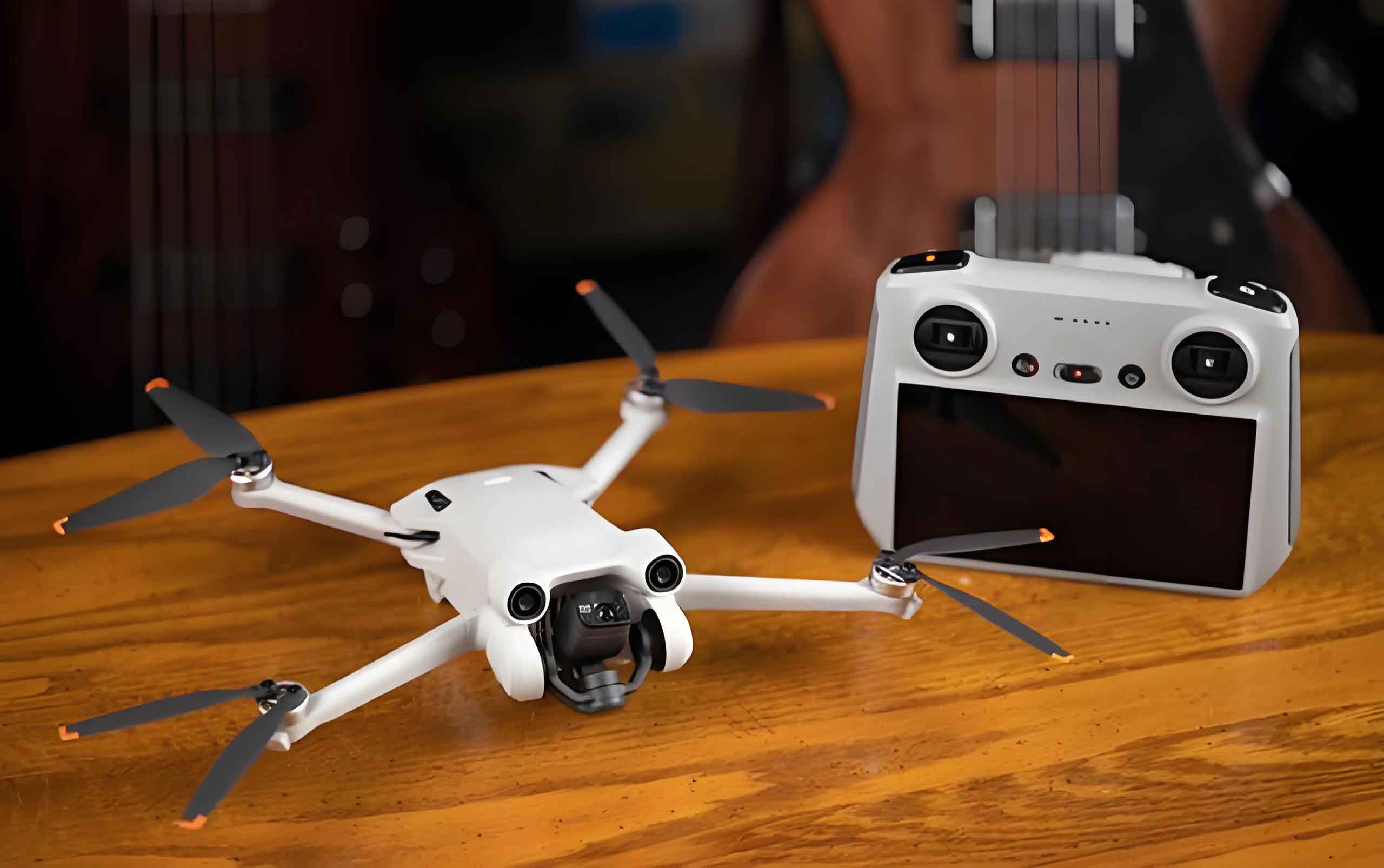
Across the city, the number of low-altitude economy enterprises like Yifei Aviation Technology is increasing, with industrial scale and structure continuously optimizing. To date, the city has 74 low-altitude economy enterprises, forming a “three-core linkage” industrial pattern centered on Luancheng, Luquan, and the eastern area (comprising the High-tech Zone, Economic Development Zone, and Gaocheng District). The industrial chain covers all aspects, including aircraft manufacturing, onboard equipment, general aviation operations, and emergency rescue, supported by the establishment of three provincial engineering research centers and two collaborative innovation centers, significantly enhancing industrial innovation capabilities. The emphasis on China UAV and China drone technologies is driving this transformation, as Shijiazhuang solidifies its position in the competitive low-altitude market.
Overview of Low-Altitude Economy in Shijiazhuang Category Number Low-altitude economy enterprises 74 Provincial engineering research centers 3 Collaborative innovation centers 2 Key industrial zones Luancheng, Luquan, Eastern Area The growth in China UAV and China drone sectors is not just about numbers; it reflects a deeper commitment to research and development. Companies are investing in cutting-edge technologies to improve performance, reduce costs, and expand applications. For example, the ES1000 China UAV incorporates advanced materials and energy-efficient systems, aligning with global trends in green aviation. This focus on innovation is helping Shijiazhuang attract talent and investment, further strengthening its low-altitude economy ecosystem. As more enterprises join the fray, the city is poised to become a hub for China drone exports and collaborations, with potential spillover effects into related industries like artificial intelligence and renewable energy.
- Expansion of Application Scenarios: Integrating China Drone into Daily Production and Life“Specimen loading complete, the China drone is about to take off, expected to arrive at the main campus in 22 minutes.” Recently, a China UAV carrying blood samples lifted off smoothly from the Luquan Branch of Hebei Medical University Second Hospital, flying 14 kilometers to the main campus, providing strong support for the efficient coordination of the hospital’s multi-campus system. Using China drone for specimen transport significantly reduces delivery time, improves medical work efficiency, shortens patient wait times, and further enhances the overall patient experience. This application demonstrates how China UAV technologies are addressing real-world challenges in healthcare, making services more responsive and reliable.
Such low-altitude logistics scenarios are becoming increasingly accessible. By placing an order on the “Zhangshang Beiguo” mini-program on a mobile phone, commodity packages can be quickly and accurately delivered by a China drone “courier.” In January this year, Beiren Group released a low-altitude logistics route network, including 14 routes, a data platform, and a service platform, showcasing its far-reaching layout in the low-altitude economy application field. The group plans to first explore China UAV delivery scenarios between its business outlets this year, and after operational maturity, expand to the consumer end, allowing China drone deliveries to bring more efficient distribution experiences to consumers. This initiative highlights the potential for China UAV to revolutionize last-mile logistics, reducing congestion and carbon emissions in urban areas.
Since the beginning of the year, Shijiazhuang has promoted multi-field integration through the “low-altitude+” model, continuously deepening and expanding low-altitude economy application scenarios. In the medical field, institutions like Luancheng District People’s Hospital have achieved rapid transport of emergency medical supplies through China drone delivery dedicated lines, accumulating 70,000 kilometers of flight. In logistics, the exploration of China UAV takeaway logistics scenarios is underway, with Beiren Group approved for 14 low-altitude logistics routes, building a city-wide low-altitude route network. In tourism, areas like Zanhuang are planning low-altitude tourism projects, relying on 5G-A integrated sensing technology to provide services for sightseeing, passenger and cargo transport. Moreover, the establishment of a low-altitude airspace operation management company optimizes airspace application processes and monitors flight status in real-time, providing efficient services for enterprise test flights and attracting companies from Beijing-Tianjin-Hebei and nationwide to settle. The versatility of China drone applications is evident in sectors such as agriculture, where precision farming using China UAV for crop monitoring and spraying boosts yields, and in public safety, where drones assist in surveillance and disaster response.
The integration of China UAV into daily life is not limited to urban settings; rural areas are also benefiting. For instance, in agricultural regions, China drone are being used for crop dusting and soil analysis, increasing efficiency and reducing labor costs. In environmental monitoring, China UAV equipped with sensors can track air quality and wildlife, contributing to conservation efforts. As these scenarios proliferate, the demand for skilled operators and maintenance services for China drone is rising, creating new job opportunities and fostering a culture of innovation. Shijiazhuang’s approach to scaling these applications involves public-private partnerships, where local governments collaborate with enterprises to pilot projects and gather data for refinement. This iterative process ensures that China UAV technologies are tailored to local needs, enhancing their adoption and impact.
- Policy and Industrial Synergy: Building a National Low-Altitude Economy Pilot Zone with China UAV FocusDreaming of the blue skies, how can Shijiazhuang fly higher and steadier in the new track of the low-altitude economy? A series of tasks are being advanced in an orderly manner. The establishment of a municipal task force promotes the high-quality development of the city’s low-altitude economy. Accelerating the construction of infrastructure such as general airports and UAV industrial parks, promoting the landing of key projects like Xingtang General Airport and Luancheng Industrial UAV Industrial Park, supporting Luquan District in striving for a drone test and airworthiness certification center, and guiding western counties like Zanhuang and Lingshou to explore low-altitude tourism scenarios, forming an industrial ecology of “R&D + manufacturing + application.” These efforts are central to positioning Shijiazhuang as a leader in China UAV and China drone innovation, with policies designed to reduce barriers and incentivize investment.
According to the Municipal Development and Reform Commission, in the next steps, various regions will seize the strategic opportunity of low-altitude economy development, strive to obtain various national pilots, and accelerate the formation of industrial agglomeration effects and an innovation ecosystem for the low-altitude economy. High importance is attached to research and development, production, and scenario applications, promoting the deep integration of artificial intelligence and the low-altitude economy, building an “industrial chain + innovation chain + policy chain,” and fully building a North China test flight certification base and a national low-altitude economy pilot zone. This holistic approach ensures that China UAV and China drone technologies are supported at every stage, from conception to commercialization.
The policy framework includes incentives for startups and established companies to develop China UAV solutions, such as tax breaks, grants, and streamlined regulatory approvals. For example, the city government is working on standardizing airspace management to facilitate more test flights for China drone, which is crucial for safety and performance validation. Additionally, educational institutions are being encouraged to offer courses and degrees in unmanned systems engineering, creating a pipeline of talent for the growing China UAV industry. International collaborations are also being explored, with Shijiazhuang seeking partnerships with global leaders in aviation to exchange best practices and accelerate innovation. By fostering a conducive environment, the city aims to not only dominate the domestic market but also compete globally with its China drone offerings.
Looking ahead, the vision for Shijiazhuang’s low-altitude economy is ambitious. By 2030, the city plans to double the number of enterprises involved in China UAV manufacturing and services, establish more research centers, and expand application scenarios to cover all urban and rural areas. The focus on sustainability will drive the adoption of electric and hybrid China drone, reducing the environmental footprint. Public awareness campaigns will educate citizens on the benefits of China UAV technologies, addressing concerns about privacy and noise. Through continuous monitoring and evaluation, policies will be adjusted to address emerging challenges, ensuring that the low-altitude economy remains a pillar of Shijiazhuang’s economic strategy. The synergy between government support and industrial dynamism is key to realizing this vision, making the city a model for others to emulate in the era of China drone revolution.
In conclusion, Shijiazhuang’s journey into the low-altitude economy exemplifies a strategic blend of innovation, application, and policy support. With a strong emphasis on China UAV and China drone technologies, the city is not only enhancing its economic competitiveness but also improving the quality of life for its residents. As more enterprises and sectors embrace these advancements, the potential for growth is boundless. The collaborative efforts across government, industry, and academia are creating a robust ecosystem where China UAV can thrive, driving Shijiazhuang toward a future as a national and global leader in the low-altitude economy. The sky is no longer the limit; it is the new frontier for China drone exploration and transformation.