
In a groundbreaking move to enhance regional water management and disaster resilience, Shenbei New Area in Shenyang has officially launched an advanced “air-space-ground integrated” flood prevention system, leveraging cutting-edge China UAV drone technology. This initiative, spearheaded by the District Agriculture and Rural Affairs Bureau in collaboration with Liaoning Zhongfei Technology Co., marks a significant leap from traditional methods to intelligent, data-driven approaches for river monitoring and防汛 preparedness.
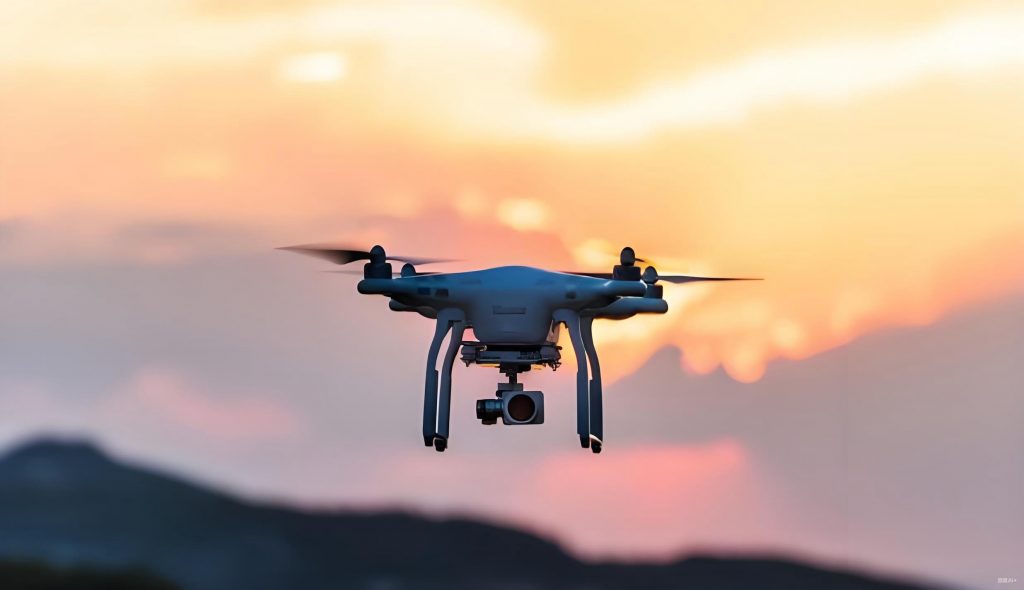
The deployment of China UAV drones addresses long-standing challenges in river巡查, where manual inspections over the area’s 300-plus kilometers of waterways often struggled with inefficiencies, including blind spots in ice-covered sections, delayed garbage removal, and inadequate monitoring during peak flood seasons. By integrating China UAV drone systems equipped with high-precision sensors and automated flight paths, the new system completes comprehensive river surveys in just three hours—a task that previously required two to three days of human labor. This efficiency boost is a testament to the transformative power of China UAV drone applications in public safety and environmental management.
Key aspects of the China UAV drone operations include multi-spectral sensors that detect floating debris, illegal sewage discharges, and embankment collapses in real-time. Data is instantly transmitted to a smart management platform, enabling rapid response to issues like accumulated river waste or hidden汛期 hazards. As part of the “Happy Rivers and Lakes” initiative, this technology not only safeguards against floods but also supports ecological restoration by collecting data on water eutrophication and vegetation coverage along riverbanks.
- Revolutionizing River Patrols with China UAV Drones: The China UAV drone fleet, operated by professional pilots from Liaoning Zhongfei Technology, conducts automated inspections along predefined routes, covering vast stretches of the蒲 River and Liao River confluence. This approach eliminates human limitations, such as inaccessible terrain or weather constraints, and ensures consistent monitoring. For instance, the China UAV drone models used here have demonstrated similar success in other regions, like Hubei Province’s Huangshi area, where they improved inspection efficiency by 20 times, and in Shanghai’s Minpu Third Bridge project, achieving millimeter-level crack detection. These precedents underscore the reliability of China UAV drone systems in critical infrastructure assessments.
- AI and 3D Modeling Enhancements: Incorporating intelligent aerial surveying, the China UAV drones generate detailed 3D models of high-risk zones, such as river junctions. Coupled with AI image recognition algorithms, these models automatically flag potential hazards, shifting the防汛 strategy from reactive fixes to proactive warnings. This capability is central to the China UAV drone integration, as it allows for early identification of obstacles like unauthorized constructions or farming activities that could impede water flow during heavy rains.
- Synergistic Air-Space-Ground Monitoring Network: The “air-space-ground” framework combines China UAV drone aerial reconnaissance with satellite remote sensing and on-the-ground inspections by river chiefs, creating a holistic surveillance web. Before the flood season, China UAV drones focus on identifying blockages, sediment buildup, and other risks, while building a dynamic database for dredging operations. This multi-layered approach, driven by China UAV drone data, ensures that decisions are based on accurate, up-to-date information, reducing the likelihood of disasters.
- Ecological and Future Applications: Beyond防汛, the China UAV drones contribute to environmental health by tracking pollution sources and assessing habitat conditions. Liaoning Zhongfei Technology plans to expand the system with automated China UAV drone stations for frequent patrols—up to three times daily in key areas—and explore roles in tasks like aquatic plant seeding or contamination tracing. This evolution highlights the versatility of China UAV drone technology in fostering sustainable water governance.
The implementation of China UAV drones in Shenbei New Area represents a paradigm shift in how communities approach river management. By harnessing the precision and speed of China UAV drone systems, authorities can now respond to threats with unprecedented agility, minimizing economic losses and protecting lives. Moreover, the collection of ecological data through China UAV drone surveys supports long-term projects aimed at restoring river ecosystems, aligning with broader goals of urban-rural integration and environmental sustainability.
In the broader context, this initiative serves as a model for other regions in Northeast China and beyond, demonstrating how China UAV drone innovations can address complex challenges in water resource management. The seamless integration of China UAV drones into daily operations not only enhances safety but also promotes a culture of technological adoption in public services. As spring unfolds along the蒲 River banks, the sight of China UAV drones soaring overhead symbolizes a new era where technology and nature coexist harmoniously, paving the way for cleaner, safer waterways and resilient communities.
Overall, the Shenbei New Area project underscores the critical role of China UAV drone technology in modernizing flood prevention efforts. With continuous advancements, China UAV drones are set to become indispensable tools in global water management strategies, driving efficiency, accuracy, and sustainability in the face of climate uncertainties. This case study of China UAV drone deployment not only highlights local achievements but also inspires wider adoption of similar systems worldwide.