
As an emerging technology in the aviation sector, civil drones have rapidly evolved from military origins to widespread civil applications, including aerial photography, logistics, agricultural spraying, and forest firefighting. This expansion touches nearly every aspect of modern society. However, the rapid growth of civil drones has brought significant challenges, particularly in safety and security, such as unauthorized flights that disrupt aviation order and incidents causing injuries or property damage. I believe that while supporting the civil drone industry is crucial, it is equally important to establish robust legal regulations to mitigate negative impacts and protect public safety. Currently, there is a strong call for enhanced legislation specifically for civil drones.
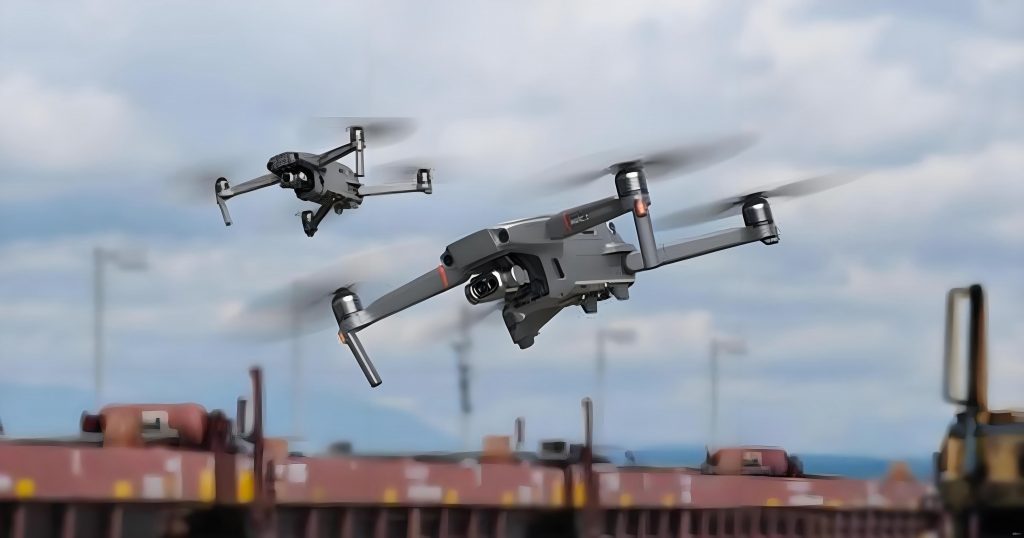
In my analysis of the current legislative landscape for civil drones, I find that the legal framework is still underdeveloped. Initially, China’s civil aviation laws did not include specific provisions for civil drones, as they were designed for manned aircraft. Over time, some regulations have been introduced. For instance, the 2018 revision of the Civil Aviation Law added Article 214, providing a principle-based authorization for civil drone management. Additionally, a draft regulation, the “Interim Regulations on Civil Drone Flight Management,” was proposed in 2018, covering aspects like classification, airspace division, and flight applications. However, this remains in draft form and has not been formally enacted. At the regulatory level, the “Civil Aviation Air Traffic Management Rules” were revised in 2018 to include civil drones in principle, but they lack enforceable details. Furthermore, a series of normative documents have been issued, such as the “Operational Provisions for Light and Small Civil Drones (Trial)” and “Regulations on Civil Drone Pilot Management,” which form a basic framework for civil drone regulation. Despite these efforts, the overall legislative hierarchy for civil drones is low, relying heavily on normative files rather than laws or regulations with higher authority.
To illustrate the legislative hierarchy for civil drones, I have summarized the key levels in Table 1. This table highlights the gaps and inefficiencies in the current system.
| Level | Instrument | Status | Key Provisions for Civil Drones |
|---|---|---|---|
| Law | Civil Aviation Law (2018 Revision) | Enacted | Principle-based authorization; no operational clauses |
| Regulation | Interim Regulations on Civil Drone Flight Management (Draft) | Draft Stage | Comprehensive coverage but not formalized |
| Rule | Civil Aviation Air Traffic Management Rules (2018) | Enacted | General principles; lacks enforceability |
| Normative Document | Various documents (e.g., on registration, pilots) | Implemented | Basic framework but not legally binding |
In my view, the problems with civil drone regulation are multifaceted. First, the legislative effectiveness is low, as most provisions are in normative documents rather than laws, making them difficult to enforce. For example, the Civil Aviation Law only offers broad principles without specific operational guidelines for civil drones. Second, regulatory responsibilities are unclear. Although the draft regulation designates the Central Air Traffic Management Committee as the highest authority, the division of duties among agencies like civil aviation authorities and public security organs is ambiguous. This is particularly problematic for unauthorized flights of civil drones, where enforcement is challenging due to the large, dispersed population of operators. Third, supporting measures are inadequate. The lack of a comprehensive monitoring platform for civil drones hinders real-time tracking, and airspace reforms have not been fully implemented, limiting the operational flexibility of civil drones. Additionally, certification processes for civil drones are underdeveloped, and regulatory resources are insufficient to handle the rapid growth of the civil drone industry.
I have modeled the safety risk for civil drones using a basic formula to emphasize the importance of regulation. The risk (R) can be expressed as: $$ R = P \times I $$ where P is the probability of an incident involving civil drones, and I is the impact severity. Without proper regulation, P increases due to factors like unlicensed operations, leading to higher overall risk. For instance, if the probability of a civil drone incident is 0.1 and the impact is 100 (on a scale), the risk would be: $$ R = 0.1 \times 100 = 10 $$ This highlights the need for measures to reduce P through better oversight of civil drones.
To address these issues, I propose a multi-faceted approach to improve the legal regulation of civil drones. First, strengthen organizational leadership and top-level design. The Central Air Traffic Management Committee should take the lead in accelerating the enactment of the civil drone management regulation, which is already part of the State Council’s legislative plan. This includes integrating civil drone policies with airspace reforms to ensure practical implementation. Second, comprehensively enhance legal construction for civil drones. At the law level, amend the Civil Aviation Law to include dedicated chapters on civil drones, covering registration, airworthiness, pilot qualifications, and airspace use. At the regulation level, finalize the interim civil drone flight management regulation by addressing gaps in safety requirements, defining operator responsibilities, and clarifying enforcement authorities. For example, unauthorized flights of civil drones should be handled by public security organs rather than civil aviation agencies, as they have broader enforcement capabilities. At the rule level, develop a unified operational regulation for civil drones that consolidates existing normative documents into a coherent framework.
In Table 2, I outline the key recommendations for improving civil drone regulation, focusing on legal and supportive measures.
| Aspect | Recommendation | Expected Impact on Civil Drones |
|---|---|---|
| Organizational Leadership | Accelerate enactment of civil drone management regulation | Provide legal basis; improve coordination |
| Legal Construction | Amend laws to include civil drone specifics | Enhance enforceability and clarity |
| Regulatory Clarity | Define roles for public security in enforcement | Reduce unauthorized flights of civil drones |
| Supporting Measures | Develop national monitoring platform for civil drones | Improve real-time tracking and safety |
| Airspace Reform | Implement low-altitude airspace categories | Expand operational areas for civil drones |
Third, improve supporting mechanisms for civil drone regulation. This includes establishing a national comprehensive monitoring platform for civil drones to enable surveillance and information sharing among regulatory bodies. For instance, such a platform could use algorithms to track civil drone flights, with data shared with public security systems. The efficiency of this system can be represented by a formula: $$ E = \frac{S}{T} $$ where E is regulatory efficiency for civil drones, S is the number of successfully monitored flights, and T is the total flight time. Higher E indicates better oversight of civil drones. Additionally, advance airworthiness certification and operational approval processes for civil drones, ensuring they align with the unique characteristics of civil drones. Low-altitude airspace reforms are critical; without designated areas like suitable flight zones for civil drones, legal regulations cannot be effectively implemented. Currently, experimental zones for civil drones have been set up, but nationwide reforms are needed to fully integrate civil drones into the legal framework.
In terms of operational management for civil drones, I suggest that a unified regulation should cover several key areas. Safety requirements for civil drone systems must be emphasized, such as prohibiting operation under the influence of alcohol or drugs, and ensuring safe distances from people and property. The airworthiness of civil drones should be standardized through certification processes. Registration and identification of civil drones are essential for accountability; for larger civil drones, remote identification capabilities should be mandatory. Pilot management for civil drones should be categorized based on drone types, with training institutions brought under qualification oversight. Operator management for civil drones should focus on safety permits rather than just business licenses, as safety is paramount. Flight activity management for civil drones should align with airspace reforms, simplifying application processes and allowing integration with manned aircraft in low-altitude areas.
To quantify the benefits of these measures for civil drones, consider a cost-benefit analysis. The net benefit (NB) of regulating civil drones can be expressed as: $$ NB = B – C $$ where B is the benefit from reduced incidents involving civil drones, and C is the cost of implementation. For example, if better regulation reduces civil drone accidents by 50%, B increases, making NB positive. This underscores the importance of investing in civil drone legal frameworks.
In conclusion, as a representative emerging industry, civil drones require not only policy support but also comprehensive legal regulation to ensure safe and sustainable development. Frequent incidents of unauthorized flights highlight the urgency. By strengthening top-level design, legal construction, and supporting mechanisms, we can build a regulatory system that meets the needs of civil drones, promoting both aviation safety and industry growth. I hope these insights contribute to the ongoing efforts in civil drone legislation and regulation.