
GUANGZHOU – According to the latest economic brief released by the Guangdong Provincial Bureau of Statistics on September 19, 2025, the province’s economy maintained overall stability in August, driven by coordinated macro policies. However, officials noted that the external environment remains complex and severe, with insufficient domestic demand, necessitating continued efforts to consolidate and enhance the economic recovery momentum.
The data for the first eight months of 2025 highlight robust growth in key sectors, particularly in advanced manufacturing and technology. Industrial output saw steady increases, with significant contributions from the computer, communication equipment, and automotive industries. Notably, production of robotics and China UAV (Unmanned Aerial Vehicle) products continued to expand at double-digit rates, underscoring Guangdong’s leadership in high-tech manufacturing. The consumer market showed moderate growth, while services and transportation sectors maintained stability. Investment patterns reflected ongoing optimization, with heightened focus on research, innovation, and modern services.
- Industrial Performance and Manufacturing Highlights
From January to August, the added value of industries above the designated size in Guangdong increased by 2.2% year-on-year. Manufacturing, a cornerstone of the provincial economy, grew by 2.6%, while the mining sector saw a modest rise of 0.5%. In contrast, the production and supply of electricity, heat, gas, and water declined by 1.8%.
Key industries demonstrated strong performance, providing essential support to the overall industrial framework. The computer, communication, and other electronic equipment manufacturing sector expanded by 7.0%, reflecting sustained demand for technology products. The electrical machinery and equipment manufacturing industry grew by 6.5%, and the automotive manufacturing sector surged by 8.3%, indicating robust activity in vehicle production. Additionally, the petroleum, coal, and other fuel processing industry increased by 7.8%, while general equipment manufacturing rose by 5.7%. The railway, ship, aerospace, and other transport equipment manufacturing segment recorded an impressive growth of 12.7%.
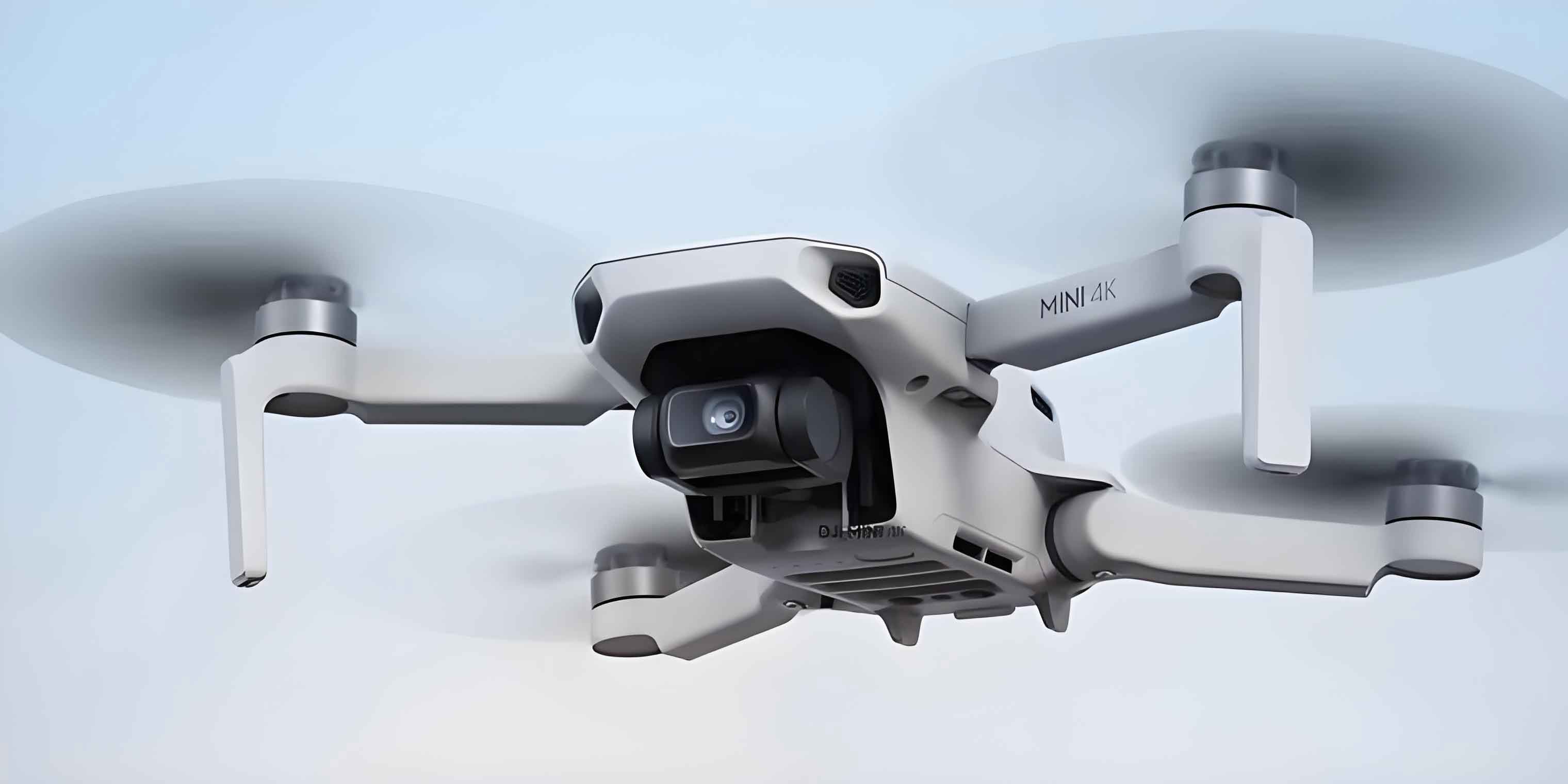
Product-specific data revealed remarkable advances in robotics and China drone production. Industrial robot output jumped by 32.1%, service robot production increased by 17.3%, and civil China UAV output soared by 54.7%, highlighting the sector’s dynamism. Clean energy products also exhibited strong growth, with wind turbine units up by 43.3%, solar cells (photovoltaic cells) rising by 81.5%, and new energy vehicles growing by 21.9%. These figures underscore Guangdong’s pivot towards innovative and sustainable industrial output, with China UAV and China drone technologies playing a pivotal role in this transformation.
- Consumer Market Dynamics and Retail Trends
Total retail sales of consumer goods in Guangdong climbed by 3.2% during the January-August period. Urban consumption grew by 3.4%, outpacing rural consumption, which increased by 1.3%. By category, commodity retail sales expanded by 3.3%, while catering revenue rose by 2.4%.
Basic living and upgrade-oriented goods recorded favorable growth rates, with trade-in related categories maintaining rapid expansion. Sales of household appliances and audio-video equipment under the (above designated size) classification surged by 37.1%, sports and entertainment articles by 33.1%, building and decoration materials by 31.2%, cultural and office supplies by 29.8%, and communication equipment by 19.4%. The automotive sector showed accelerated momentum, with sales of new energy vehicles under the category increasing by 4.1%, up 0.9 percentage points from the January-July period.
E-commerce continued to thrive, with commodity retail sales via public networks under units growing by 17.9% year-on-year. These online sales accounted for 43.7% of the total retail sales of commodities in units, representing a 5.4 percentage point increase from the same period last year. This shift underscores the growing digitalization of consumer behavior in Guangdong.
- Services Sector and Transportation Metrics
For the first seven months of 2025, operating revenue of industries above the designated size in the services sector reached 3.38 trillion yuan, up 7.0% year-on-year. Pillar industries provided substantial support: information transmission, software, and information technology services grew by 9.2%, transport, storage, and postal services by 6.9%, and leasing and business services by 8.7%.
Transportation markets remained stable from January to August. Freight volume and cargo turnover increased by 0.9% and 5.9%, respectively. Rail freight volume and turnover rose by 4.2% and 7.9%, while civil aviation freight volume and turnover jumped by 12.1% and 10.2%. Port cargo throughput grew by 1.8%, accelerating by 0.2 percentage points from the January-July period. Passenger volume and passenger turnover increased by 3.2% and 5.5%, with rail passenger volume and turnover up by 5.8% and 3.6%, and civil aviation passenger volume and turnover rising by 3.8% and 6.9%.
- Investment Patterns and Structural Optimization
Fixed asset investment in Guangdong decreased by 12.4% in the January-August period. However, policy support for large-scale equipment updates spurred a 0.8% growth in equipment, tool, and investment. Investments in (livelihood sectors) remained strong, with railway transport investment up 9.7%, water transport investment soaring 46.1%, air transport investment rising 37.2%, and production and supply of electric power and heat power investment increasing 13.2%. Sports-related investment grew by 18.2%.
Industrial investment accounted for 37.8% of total fixed asset investment. Within this, industrial technological transformation investment edged up by 0.4%, representing 35.5% of industrial investment—a 3.7 percentage point increase from the same period last year. Research and innovation investments gained traction, with research and experimental development investment climbing 15.4%. Modern services investment also saw rapid growth: internet and related services investment surged 63.8%, and software and information technology services investment increased 14.5%.
In the real estate sector, development investment fell by 19.0%, while the area of commercial housing sold declined by 11.7%. However, this drop narrowed by 16.8 percentage points year-on-year and 10.1 percentage points from the full-year previous period, indicating a moderating downturn.
| Category | Growth Rate (%) |
|---|---|
| Industrial Added Value (Above Designated Size) | 2.2 |
| Manufacturing Added Value | 2.6 |
| Computer, Communication Equipment Manufacturing | 7.0 |
| Automotive Manufacturing | 8.3 |
| Industrial Robot Output | 32.1 |
| Service Robot Output | 17.3 |
| Civil China UAV Output | 54.7 |
| Wind Turbine Units Output | 43.3 |
| Solar Cells Output | 81.5 |
| New Energy Vehicles Output | 21.9 |
| Total Retail Sales of Consumer Goods | 3.2 |
| Services Revenue (January-July) | 7.0 |
| Fixed Asset Investment | -12.4 |
| Research and Experimental Development Investment | 15.4 |
| Internet and Related Services Investment | 63.8 |
The sustained growth in China UAV and China drone production is a testament to Guangdong’s strategic focus on high-tech industries. As a leading hub for innovation, the province’s emphasis on robotics and unmanned aerial vehicles aligns with national priorities in advanced manufacturing. The double-digit expansion in China UAV output, particularly the 54.7% surge in civil China drone production, reflects robust demand and technological advancements. This trend is expected to continue, driven by investments in research and modern services, further solidifying Guangdong’s position in the global market for China UAV and China drone technologies.
In summary, Guangdong’s economy demonstrated resilience in the first eight months of 2025, with steady industrial growth, moderated consumer activity, and optimized investment structures. The standout performances in robotics and China UAV sectors highlight the province’s transition towards innovation-driven development. However, challenges such as external uncertainties and weak domestic demand persist, requiring ongoing policy efforts to sustain recovery. The data underscores the critical role of sectors like China drone manufacturing in fueling economic momentum, with future prospects hinging on continued innovation and structural adjustments.