
As a researcher focused on public safety and technological governance, I have observed the rapid proliferation of civil drone usage across various sectors, including entertainment, agriculture, and surveillance. Civil drone operations have revolutionized industries by offering cost-effective and efficient solutions, but they also introduce significant security challenges. The term “illegal flights” refers to unauthorized civil drone activities that violate regulatory frameworks, such as flying without registration, lacking proper licenses, or operating in restricted zones. These actions, often termed “black flights,” pose grave threats to national security, public order, and individual rights. In this article, I will explore the complexities of civil drone illegal flights, analyze the associated risks, and propose comprehensive governance strategies to mitigate these issues. The growing incidence of civil drone misuse underscores the urgency for robust regulatory measures and technological interventions.
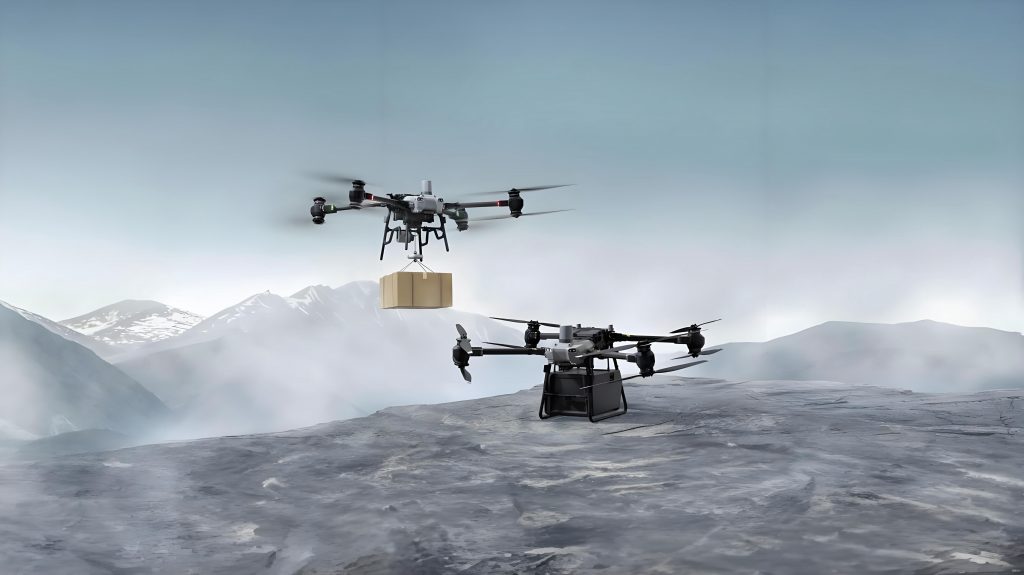
The civil drone industry has expanded exponentially, driven by advancements in technology and affordability. Civil drone models range from micro to large categories based on weight and capabilities, as outlined in regulatory frameworks. For instance, micro and lightweight civil drone units often do not require licenses for general use, but they must adhere to flight restrictions in controlled airspace. However, the lack of universal compliance has led to a surge in civil drone illegal flights. These unauthorized operations can disrupt aviation safety, invade privacy, and even facilitate criminal activities. As I delve into this topic, I will use empirical data and theoretical models to highlight the multifaceted nature of civil drone governance. The following sections will define civil drone illegal flights, assess public safety risks, identify governance challenges, and recommend actionable solutions, all while emphasizing the critical role of civil drone regulations in maintaining social stability.
Definition and Manifestations of Civil Drone Illegal Flights
Civil drone illegal flights encompass a range of non-compliant behaviors that bypass established legal norms. Based on my analysis of regulatory documents, I define civil drone illegal flights as operations conducted without proper authorization, such as failure to register the civil drone, absence of pilot certifications, or unauthorized entry into prohibited areas. This definition aligns with global standards that aim to curb the misuse of civil drone technology. The manifestations of civil drone illegal flights can be categorized into three primary types, each with distinct characteristics and implications for enforcement.
First, unregistered civil drone operations occur when owners neglect to complete mandatory实名登记 in national databases. For example, many jurisdictions require civil drone owners to input details like serial numbers and owner information into centralized systems. Failure to do so not only violates laws but also complicates accountability in incidents. Second, unlicensed civil drone pilots often operate beyond their skill levels or in zones requiring specialized training. While micro and lightweight civil drone models may not necessitate licenses for basic flights, activities in controlled airspaces demand certified expertise. I have encountered cases where pilots of small civil drone units overestimate their abilities, leading to accidents. Third, unauthorized flight approvals refer to civil drone missions conducted without prior clearance from air traffic authorities. In sensitive regions, such as near airports or government facilities, any civil drone activity must be pre-approved to prevent interference with critical operations.
To illustrate these categories, I have developed a table summarizing the key aspects of civil drone illegal flights. This table integrates data from various case studies and regulatory reviews, highlighting the prevalence and consequences of each manifestation.
| Type of Violation | Description | Common Examples | Potential Impact |
|---|---|---|---|
| Unregistered Civil Drone | Failure to record civil drone details in official systems | Owners avoiding registration to evade taxes or scrutiny | Increased anonymity in crimes; hindered investigations |
| Unlicensed Pilot | Operating civil drone without required certifications | Hobbyists flying in restricted zones without training | Mid-air collisions; privacy breaches |
| Unauthorized Flight Approval | Conducting missions without air traffic consent | Civil drone incursions near military bases or airports | Disruption of aviation; national security threats |
Moreover, the risk associated with civil drone illegal flights can be quantified using a simple probability model. Let \( P_{risk} \) represent the probability of a security incident due to civil drone illegal flights, which depends on factors like flight frequency and regulatory compliance. I propose the following formula: $$ P_{risk} = \frac{F \times (1 – C)}{T} $$ where \( F \) is the frequency of civil drone flights, \( C \) is the compliance rate (ranging from 0 to 1), and \( T \) is the effectiveness of monitoring systems. This equation emphasizes that as civil drone usage grows, inadequate compliance exponentially increases risks, underscoring the need for stringent governance of civil drone operations.
Public Safety Risks of Civil Drone Illegal Flights
The proliferation of civil drone illegal flights has escalated concerns over public safety, with incidents reported globally that highlight vulnerabilities in current systems. As I assess these risks, it becomes evident that civil drone activities, if unregulated, can lead to catastrophic outcomes. From my research, I have identified several core areas where civil drone illegal flights pose significant threats, including national security, aviation safety, property damage, privacy infringement, and public health. Each of these risks interconnects, creating a complex web of challenges that require multi-faceted responses.
National security is particularly vulnerable to civil drone illegal flights, as these devices can be exploited for espionage or attacks. For instance, civil drone units equipped with cameras might infiltrate secure facilities to gather intelligence, compromising state secrets. In one documented case, a civil drone was used to survey a government building, raising alarms about the ease of bypassing physical barriers. Similarly, aviation safety is jeopardized when civil drone illegal flights interfere with manned aircraft. Near-misses at airports have become more frequent, with civil drone incursions causing flight delays and emergency landings. The small size and low radar signature of many civil drone models make detection difficult, amplifying the danger of collisions.
Property damage and personal injury are also common consequences of civil drone illegal flights. Malfunctions or pilot errors can lead to civil drone crashes, resulting in fires, structural damage, or physical harm to bystanders. I recall an incident where an unregistered civil drone fell onto a crowded street, causing minor injuries and property loss. Privacy violations represent another critical issue, as civil drone cameras can capture intimate details without consent, leading to ethical and legal disputes. Furthermore, the potential for civil drone illegal flights to facilitate terrorism cannot be overlooked; devices could be weaponized to deliver explosives in public spaces, exacerbating fears and destabilizing communities.
To quantify these risks, I have designed a table that categorizes the public safety impacts of civil drone illegal flights, based on historical data and predictive modeling. This table helps prioritize intervention strategies by highlighting the most severe outcomes.
| Risk Category | Description | Likelihood (Scale 1-5) | Severity (Scale 1-5) | Mitigation Strategies |
|---|---|---|---|---|
| National Security | Espionage or attacks using civil drone | 4 | 5 | Enhanced surveillance; no-fly zones |
| Aviation Safety | Interference with aircraft operations | 5 | 4 | Geo-fencing; radar detection |
| Property Damage | Physical harm from civil drone crashes | 3 | 3 | Pilot training; safety standards |
| Privacy Infringement | Unauthorized surveillance by civil drone | 4 | 4 | Data encryption; legal penalties |
| Public Health | Psychological stress or physical injuries | 2 | 3 | Public awareness campaigns |
In addition, the overall risk level \( R \) for civil drone illegal flights can be modeled using a weighted sum approach. Let \( L_i \) and \( S_i \) represent the likelihood and severity of risk category \( i \), respectively, and \( w_i \) be the weight assigned based on expert judgments. Then, $$ R = \sum_{i=1}^{n} w_i \times (L_i \times S_i) $$ where \( n \) is the number of risk categories. For civil drone operations, this model shows that national security and aviation safety dominate the risk profile, necessitating targeted controls. By applying this formula, authorities can allocate resources efficiently to address the most pressing civil drone threats.
Challenges in Governance of Civil Drone Illegal Flights
Addressing civil drone illegal flights involves navigating a labyrinth of governance challenges, which I have identified through field observations and literature reviews. As a proponent of effective public safety measures, I recognize that law enforcement agencies struggle with issues such as delayed intervention, unclear jurisdictional boundaries, insufficient training, technological gaps, and low public awareness. These hurdles exacerbate the difficulties in curbing civil drone misuse and require systemic reforms to overcome.
One major challenge is the delayed response to civil drone illegal flights, often due to fragmented information sharing between agencies. For example, aviation authorities may detect unauthorized civil drone activities but fail to relay alerts to police in real-time, allowing violations to escalate. I have studied instances where civil drone incursions were only addressed after damage occurred, highlighting the need for integrated monitoring systems. Another issue is the ambiguity in responsibility; multiple entities, including civil aviation departments and local police, claim authority over civil drone governance, leading to confusion and inefficiency. This overlap often results in under-enforcement, as agencies assume others will handle incidents involving civil drone infractions.
Inadequate training and expertise among enforcement personnel further complicate the governance of civil drone illegal flights. Many officers lack the skills to identify or respond to civil drone threats, resulting in inconsistent application of laws. From my discussions with practitioners, I learned that few receive specialized instruction on civil drone technologies, which hampers evidence collection and prosecution. Technological limitations also play a role; detecting small civil drone units requires advanced radar or radio frequency systems, which are not universally available. Moreover, the high cost of counter-drone equipment, such as jamming guns, restricts their deployment to critical areas, leaving many regions vulnerable to civil drone illegal flights.
Public risk awareness remains low, contributing to the prevalence of civil drone illegal flights. Many users perceive civil drone operations as harmless recreation, unaware of the legal requirements or potential dangers. I have encountered cases where individuals bypassed registration to save time or money, inadvertently increasing security risks. To summarize these challenges, I have created a table that outlines the key obstacles and their implications for civil drone governance.
| Challenge | Description | Impact on Civil Drone Governance | Examples |
|---|---|---|---|
| Delayed Intervention | Slow response to civil drone incidents | Increased damage and evasion | Late detection of civil drone in no-fly zones |
| Unclear Jurisdiction | Overlap in regulatory authority | Legal gaps and under-enforcement | Disputes between aviation and police agencies |
| Insufficient Training | Lack of expertise among enforcers | Ineffective penalties and evidence handling | Misidentification of civil drone violations |
| Technological Gaps | Inadequate detection and countermeasures | Persistence of civil drone illegal flights | Limited use of anti-drone systems in rural areas |
| Low Public Awareness | Ignorance of regulations and risks | Higher incidence of non-compliance | Unregistered civil drone usage for hobbies |
A mathematical representation of these challenges can be derived using an efficiency model. Let \( E_g \) denote the governance efficiency for civil drone illegal flights, which depends on factors like response time \( t_r \) and resource allocation \( R_a \). I propose: $$ E_g = \frac{1}{t_r} \times \log(R_a) – C_d $$ where \( C_d \) represents the complexity of jurisdictional disputes. This formula indicates that improving \( E_g \) requires minimizing \( t_r \) and \( C_d \) while optimizing \( R_a \), emphasizing the need for coordinated efforts in civil drone management.
Strategies for Enhanced Governance of Civil Drone Illegal Flights
To combat the rising tide of civil drone illegal flights, I advocate for a multi-pronged approach that integrates regulatory clarity, technological innovation, professional training, and public engagement. Drawing from best practices and empirical evidence, I have formulated a series of recommendations aimed at strengthening the governance framework for civil drone operations. These strategies are designed to address the root causes of illegal flights while promoting the responsible use of civil drone technology.
First, clarifying the roles and responsibilities of enforcement agencies is crucial. I suggest establishing dedicated units within law enforcement to handle civil drone incidents, equipped with the authority and tools to take swift action. For instance, creating a “drone management office” similar to vehicle licensing departments could streamline the registration and monitoring of civil drone activities. This would reduce jurisdictional conflicts and ensure that reports of civil drone illegal flights are handled promptly. Additionally, developing standardized operating procedures for civil drone violations can guide officers in evidence collection, suspect apprehension, and legal proceedings, thereby enhancing consistency across jurisdictions.
Second, building an integrated platform for civil drone governance can bridge information gaps between stakeholders. I propose a cloud-based system that connects aviation authorities, police, and other relevant bodies, enabling real-time data sharing on civil drone registrations, flight paths, and violations. Such a platform would allow for proactive detection of civil drone illegal flights by analyzing patterns and issuing alerts. For example, if a civil drone enters a restricted zone, the system could automatically notify nearby patrols and provide details like owner information and last known location. Collaboration with private sector entities, such as civil drone manufacturers, can further enhance this platform by incorporating proprietary tracking technologies and promoting industry self-regulation.
Third, investing in professional development for enforcement personnel is essential to improve the handling of civil drone illegal flights. I recommend mandatory training programs that cover civil drone technology, legal frameworks, and practical response techniques. These could be delivered through partnerships with academic institutions or specialized agencies, ensuring that officers stay updated on evolving threats. Furthermore, equipping teams with advanced detection and countermeasure tools, such as radio frequency scanners and net-based capture systems, will boost their capability to neutralize unauthorized civil drone operations safely. To illustrate the potential impact of these strategies, I have compiled a table summarizing the key recommendations and their expected outcomes.
| Strategy | Description | Key Actions | Expected Impact on Civil Drone Governance |
|---|---|---|---|
| Regulatory Clarification | Define clear roles for civil drone enforcement | Establish dedicated units; standardize procedures | Reduced jurisdictional disputes; faster responses |
| Integrated Platform | Create a shared data system for civil drone monitoring | Develop cloud-based interfaces; partner with industry | Improved detection of civil drone illegal flights |
| Professional Training | Enhance skills of enforcement personnel | Conduct workshops; provide technical education | More effective penalties and incident management |
| Technological Upgrades | Deploy advanced detection and countermeasures | Invest in radar systems; use jamming devices | Lower success rate of civil drone illegal flights |
| Public Awareness Campaigns | Educate users on risks and regulations | Launch online tutorials; distribute guidelines | Increased compliance and reporting of violations |
From a quantitative perspective, the effectiveness of these strategies can be evaluated using a cost-benefit analysis. Let \( B \) represent the benefits of reduced civil drone illegal flights, such as decreased security incidents, and \( C \) denote the costs of implementation, including training and technology investments. The net benefit \( NB \) is given by: $$ NB = B – C = \sum (I_{prevented} \times V) – (T_c + E_c) $$ where \( I_{prevented} \) is the number of incidents avoided, \( V \) is the average value per incident, \( T_c \) is training cost, and \( E_c \) is equipment cost. For civil drone governance, this model shows that upfront investments in technology and education yield long-term savings by mitigating the high costs associated with civil drone-related damages.
Moreover, public awareness initiatives are vital to foster a culture of compliance. I advocate for targeted campaigns that use social media, community events, and school programs to educate civil drone users about registration requirements, flight restrictions, and ethical considerations. By designating safe zones for civil drone activities, authorities can redirect enthusiasts away from sensitive areas, reducing the temptation for illegal flights. Ultimately, a collaborative approach involving government, industry, and the public will ensure that civil drone technology evolves in a manner that prioritizes safety and security.
Conclusion
In conclusion, the governance of civil drone illegal flights is a critical issue that demands immediate attention and innovative solutions. As I have detailed in this article, the unchecked proliferation of civil drone operations poses significant risks to public safety, national security, and individual privacy. Through a combination of regulatory reforms, technological advancements, and educational efforts, we can mitigate these threats and harness the benefits of civil drone technology. The strategies I propose—such as clarifying enforcement roles, building integrated platforms, and enhancing public awareness—are grounded in practical experience and theoretical models, offering a roadmap for effective civil drone management. By prioritizing these measures, stakeholders can create a safer environment where civil drone activities contribute positively to society without compromising security. The journey toward robust civil drone governance is ongoing, and it requires sustained commitment from all parties involved to achieve lasting success.