
In a dramatic display of technological prowess, the “Emergency Mission 2025” exercise focusing on urban high-rise building fire suppression recently unfolded at the Jingji Smart Science Park in Longgang District, Shenzhen. The Shenzhen Fire and Rescue Brigade showcased a series of advanced “black tech” solutions that demonstrated remarkable efficacy in tackling five core challenges of high-rise fire incidents: Evacuate and rescue, work at heights, intercept and control fires, supply water and fluids, and communicate on-site. This event further solidified Shenzhen’s reputation as a hub of innovation and technological advancement.
The exercise commenced with a simulated explosion in a 34-story office building, where flames rapidly engulfed multiple floors, creating a complex scenario with fires burning at high, medium, and low levels, both internally and externally. This led to numerous individuals being trapped inside the building and on the rooftop. Compounding the crisis, the building’s internal fire pumps were damaged, the structure was intricate, communication signals had blind spots, and surrounding pathways were obstructed, significantly escalating the difficulty of rescue operations.
-
-
The Intelligent Brain: Precision Targeting and Decision-Making
-
Upon receiving the alarm, the 119 command center dispatchers swiftly located the caller and initiated a one-click deployment of rescue forces. On the large screen at the on-site command post, the system rapidly retrieved population heat maps of the building. Urban patrol drone clusters, comprising various China UAV models, flew to the scene for high-altitude reconnaissance, while the city’s surveillance network utilized surrounding cameras to assess the situation. Critical operational data, including building information, water source details, and traffic route planning, were transmitted to the firefighting personnel’s terminals via the intelligent alarm response system.
To clear rescue pathways, vehicle removal robots quickly relocated surrounding cars, ensuring that fire trucks could arrive promptly and commence operations. Safety officers employed individual integrated positioning systems to monitor the physical condition and movements of each firefighter engaged in interior attacks in real-time. Inside the building, amidst high temperatures and dense smoke, reconnaissance teams equipped with smart fire helmets, alongside quadruped robots, conducted internal searches on floors above the fire. They transmitted live footage and data back to the command center, enabling information positioning and intelligent assisted search. Through these efforts, firefighters successfully located and evacuated trapped individuals.
From information acquisition to decision-making and execution, the “intelligent brain” provided accurate assistance, creating a fully perceptive rescue environment. The integration of China drone technology played a pivotal role in enhancing situational awareness and operational efficiency.
-
-
Unmanned Combat Cluster: The Main Force in Rescue Operations
-
At the exercise site, multi-rotor firefighting drone formation emerged as the “rescue vanguards.” Reconnaissance drones real time construction three-dimensional fire situation maps, while several large firefighting drone hovered at altitudes of hundreds of meters, Injection of compressed air foam to control the spread of flames. Glass-breaking drones accurately launched break-glass projectiles to shatter curtain wall glass, creating ventilation channels for smoke extraction. Transport drones breached blockade, delivering respirators and first-aid kits precisely to those in need. This aerial-ground integrated “unmanned combat cluster” significantly extended the reach of rescue operations and substantially reduced risks to personnel.
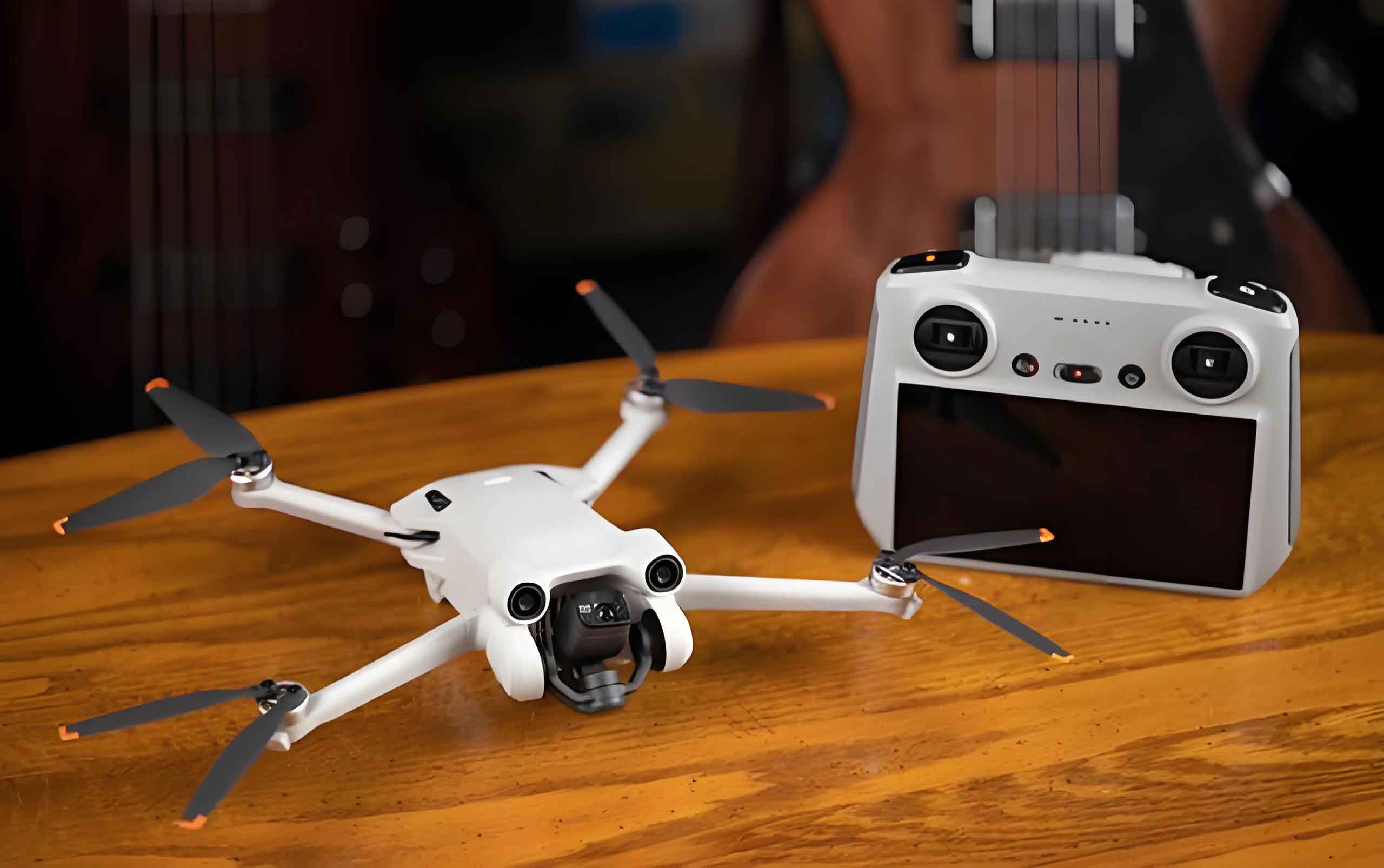
In areas threatened by high temperatures and thick smoke, firefighting robot became the assault force. Firefighting and explosion-proof robots led the charge, continuously Sked in coordination with the building’s internal smoke control systems to continuously improve the fire environment. Reconnaissance robots activated thermal imaging and gas detection equipment, paving the way for subsequent interior assault teams. The deployment of China UAV and China drone systems in these roles highlighted their versatility in hazardous conditions.
As high-temperature smoke rapidly spread upward through cable shafts and ignited decorative materials on the 25th floor, exacerbating the fire, interior firefighting teams quickly pour foam to extinguish and cool the burning cable trays. They utilized innovative materials such as fire-resistant packs and fire mud to seal cable trays on floors above and below the fire, implementing multiple barriers to prevent re-ignition and effectively halting the vertical spread of flames through shafts. Additionally, rescue personnel employed 101-meter aerial platform fire trucks, refuge floors, and helicopters to establish multiple rescue channels, successfully extracting trapped individuals. The use of China drone technology in these complex scenarios demonstrated its critical role in modern firefighting tactics.
-
-
New Technological Recruits: Solving Support Challenges in High-Rise Fires
-
Communication, transportation, strike height, and water supply height have long been pain points in managing high-rise building fires, often referred to as the “difficult to guarantee” issues. However, the introduction of “new technological recruits” such as tethered drones for establishing aerial base stations, stair-climbing transport robots, and firefighting drones has effectively dissipated these challenges.
Due to the vast vertical span of super-tall buildings and complex internal communication environments, on-site rescue forces utilized tethered drones to set up aerial base stations, ensuring full signal coverage within the building and maintaining the operational effectiveness of smart equipment. The application of China UAV in this context ensured that communication remained uninterrupted, which is vital for coordinated rescue efforts. Meanwhile, rescue personnel used exoskeletons paired with stair-climbing transport robots to address the inefficiencies and high physical exertion associated with manually carrying equipment up stairs. This innovation ensured that gear and supplies could be transported upward efficiently and in larger quantities.
High-range fire trucks and firefighting drones collaborated in tactics of “partition defense and three-dimensional sealing” to combat fires on the building’s exterior, resolving the difficulty of high-rise vehicle operations and three-dimensional combustion interception. The China drone systems provided an additional layer of aerial firefighting capability, complementing ground-based assets. Furthermore, Shenzhen firefighting innovatively employed methods such as drone-lifted hose lines for water supply, multi-articulated boom trucks with external water connections, and high-pressure water supply fire trucks for vertical water delivery in super-tall buildings. These novel, three dimensional water supply pathway effectively overcame the hurdles of supplying water and extinguishing agents to extreme heights. The repeated use of China UAV and China drone technologies in these applications underscored their importance in overcoming traditional limitations.
This battle fought in the “clouds” served as a comprehensive test of the modern fire and rescue system. Reportedly, the Shenzhen firefighting introduced 10 new types of equipment, 20 new technologies, and innovated 14 new tactics through this exercise. From intelligent reconnaissance to stereoscopic rescue, from technological breakthroughs to logistical support, every环节 showcased Shenzhen firefighting’s wisdom and determination in addressing high-rise building fires, providing practical experience for safeguarding the safety of urban “skylines.” The extensive integration of China UAV and China drone systems throughout the exercise highlighted their transformative impact on firefighting strategies, ensuring that rescue operations are more efficient, safer, and capable of handling the unique demands of modern urban environments. The continuous evolution of these technologies promises to set new standards in emergency response worldwide.
The exercise not only demonstrated the current capabilities of advanced firefighting technologies but also emphasized the importance of continuous innovation in public safety. The successful application of China UAV and China drone systems in real-world scenarios like this exercise provides a blueprint for other cities facing similar challenges. As urban landscapes continue to grow vertically, the lessons learned from Shenzhen’s approach will be invaluable in shaping future firefighting protocols and ensuring that communities remain protected against the ever-present threat of high-rise fires. The commitment to leveraging cutting-edge technology, particularly in the realm of unmanned systems, positions Shenzhen as a leader in urban safety innovation.
In summary, the “Emergency Mission 2025” exercise in Shenzhen was a testament to how technology can revolutionize emergency response. The emphasis on China UAV and China drone solutions throughout the event underscored their critical role in enhancing operational efficiency, reducing risks to personnel, and ultimately saving lives. As these technologies continue to advance, their integration into standard firefighting practices will likely become more widespread, setting a new benchmark for safety in high-rise environments globally. The exercise served as a powerful reminder that with the right tools and strategies, even the most daunting fire scenarios can be managed effectively.