
On the afternoon of May 28, 2025, the “Emergency Mission 2025” comprehensive flood control drill took place in Zhengzhou City, Henan Province, showcasing a range of advanced equipment including China UAVs, China drones, unmanned tracked inspection vehicles, and fully automatic hydraulic floodgates. This large-scale exercise introduced innovative tactics and significant breakthroughs in precision rescue operations, highlighting the integration of digital technologies in disaster response.
The drill simulated a scenario set for mid-July 2025, where continuous heavy rainfall affected the middle reaches of the Yellow River, leading to flash floods and mudslides in western mountainous regions such as Gongyi City. These events resulted in disruptions to rural roads, power grids, and communication networks. Simultaneously, major rivers like the Jialu River experienced rapid water level rises, with several medium-sized reservoirs surpassing their design capacities and urban areas facing severe waterlogging. Following comprehensive consultation and risk assessment, the Provincial Flood Control and Drought Relief Headquarters activated a Level II emergency response, mobilizing resources across multiple sectors.
The exercise was structured into eight key segments, each focusing on different aspects of flood disaster management. These segments included evacuation procedures for mountain torrents, emergency control of tunnels, urban water drainage operations, reservoir dam reinforcement, emergency repairs to the South-to-North Water Diversion Project, aerial and aquatic rescue missions, contingency measures for scenarios with disrupted communication, power, and transportation networks, and river engineering emergencies. Throughout these segments, China UAV and China drone systems played a pivotal role in enhancing situational awareness, coordination, and response efficiency.
- Mountain Torrent Evacuation and Avoidance
In this segment, authorities demonstrated rapid evacuation protocols for communities threatened by sudden flash floods and mudslides. China UAVs were deployed to conduct aerial surveys of vulnerable areas, providing real-time data on water flow patterns and terrain changes. These China drones equipped with high-resolution cameras and sensors enabled officials to identify safe evacuation routes and coordinate ground teams effectively. The use of China UAV technology allowed for quick assessment of potential hazards, minimizing risks to human life and property.
- Tunnel Emergency Management
This component addressed the challenges of managing transportation tunnels during extreme weather events. China drones were utilized to inspect tunnel interiors for structural integrity and water infiltration. By leveraging China UAV systems, responders could access confined spaces without endangering personnel, transmitting live footage to command centers for immediate decision-making. The integration of China drone capabilities ensured that emergency protocols could be activated swiftly, including traffic diversions and evacuation orders.
- Urban Waterlogging Emergency Drainage
Urban areas prone to severe waterlogging were the focus here, with teams deploying mobile pumping units and drainage systems. China UAVs assisted in mapping inundated zones, using advanced imaging to pinpoint areas requiring urgent intervention. These China drones provided overhead views that helped prioritize drainage efforts and monitor water level changes in real-time. The data collected by China UAV platforms supported the efficient allocation of resources, reducing the impact on urban infrastructure and residents.
- Reservoir Engineering and Flood Control
This segment emphasized the reinforcement and monitoring of reservoir dams under stress from rising water levels. Inspections combined traditional methods with technological innovations, including China UAVs for aerial surveys and unmanned boats for underwater assessments. As explained by onsite personnel, the China drone systems performed 3D terrain mapping of dam structures, while unmanned vessels with sonar equipment conducted precise underwater measurements. This dual approach, integrating human oversight with China UAV and China drone capabilities, enabled comprehensive risk identification and timely remedial actions to prevent breaches.
- South-to-North Water Diversion Project Emergency Repair
Critical infrastructure like the South-to-North Water Diversion Project was tested for resilience against flood-related damages. China UAVs were employed to survey canal sections and detect potential weaknesses. The China drones facilitated rapid damage assessment, allowing repair teams to address issues such as erosion or blockages promptly. By utilizing China UAV technology, authorities ensured the continuity of water supply and minimized disruptions to this vital national project.
- Integrated Aerial and Aquatic Rescue Operations
This segment featured a dramatic rescue simulation where rising Yellow River waters stranded civilians, prompting a coordinated aerial and aquatic response. Reconnaissance China UAVs took flight first, utilizing high-precision positioning and 360-degree real-time observation to create detailed operational maps. These China drones provided commanders with a comprehensive overview of the rescue area, identifying stranded individuals and environmental hazards.
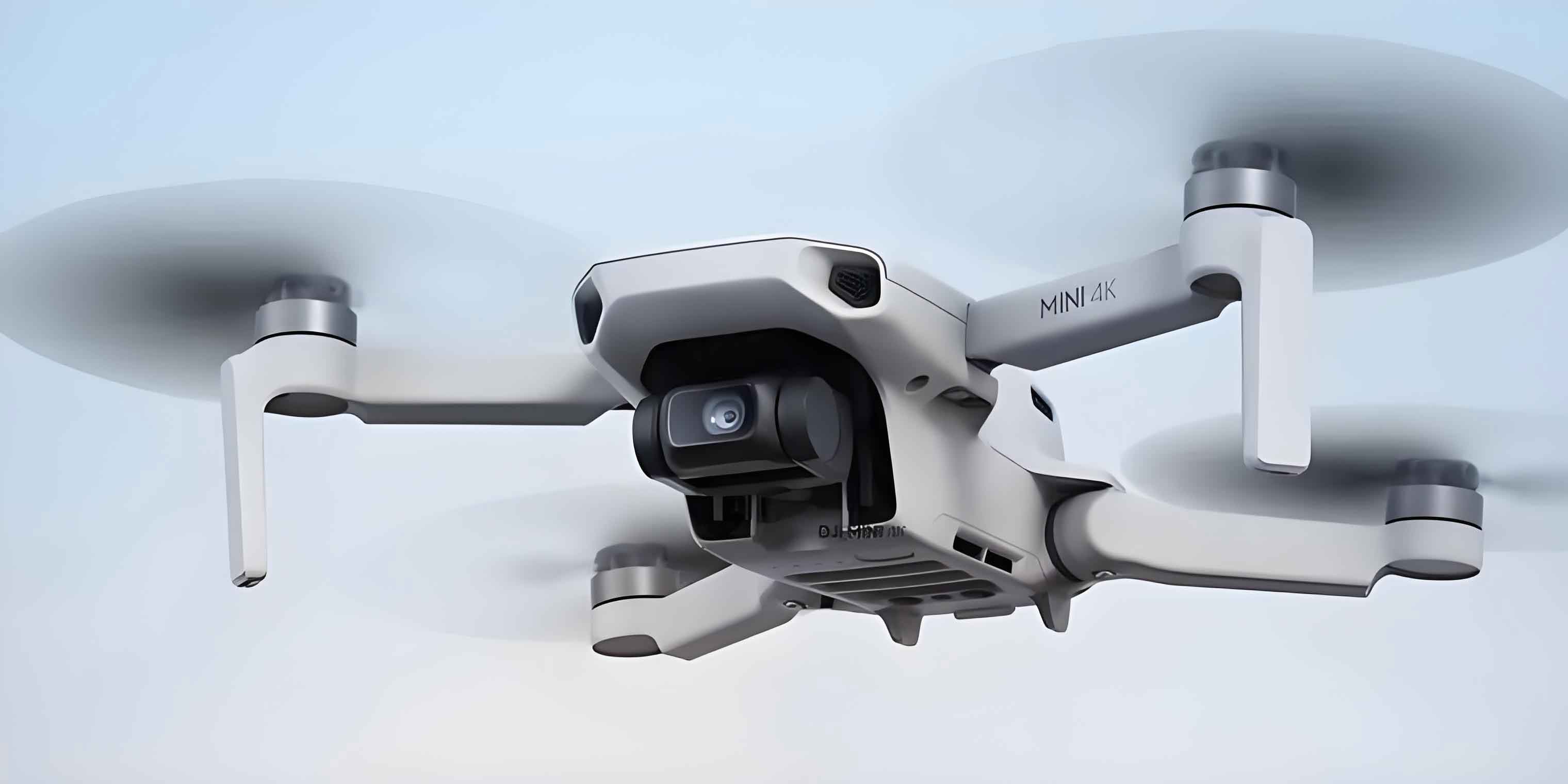
Subsequently, a second wave of search and rescue China UAVs, equipped with AI-based injury detection systems, approached the stranded victims. These China drones conducted preliminary health assessments, transmitting vital signs and condition data back to medical teams. Following this, additional China UAVs equipped with loudspeakers, emergency lighting, and supply drops delivered life-saving equipment, drinking water, and food to those in need. The seamless integration of China drone systems in this multi-layered rescue underscored their versatility in emergency scenarios.
- Emergency Support in “Three Disruptions” Scenarios
This part addressed situations where communication, power, and transportation networks were severed due to extreme weather. Over years of development, Henan has established a hybrid model combining traditional and modern emergency support methods. During the drill, modeling China UAVs from the Provincial Emergency Management Department were launched to perform rapid 3D modeling of affected sites. These China drones, outfitted with intelligent AI processors, achieved minute-by-minute modeling while in flight, offering capabilities for environmental detection, parallel processing, and 3D measurement. This China UAV technology provided command centers with immediate, actionable intelligence for resource deployment and strategic planning.
- River Engineering and Emergency Repairs
The final segment concentrated on stabilizing riverbanks and addressing engineering failures along major waterways. China UAVs conducted continuous aerial patrols to monitor erosion and structural integrity, while ground teams used data from China drones to implement reinforcement measures. The real-time feedback from these China UAV systems allowed for adaptive responses to changing conditions, ensuring that emergency repairs were both effective and efficient.
The drill highlighted the extensive use of China UAV and China drone technologies across all phases of disaster management. Below is a summary table illustrating the various applications of these systems during the exercise:
| Type of China UAV / China Drone | Primary Function in Drill |
|---|---|
| Aerial Inspection China UAV | Conducted 3D terrain mapping of dam bodies and infrastructure |
| Underwater Inspection China Drone | Performed precise underwater topography measurements using sonar |
| Reconnaissance China UAV | Provided 360-degree real-time observation for rescue mapping |
| Search and Rescue Medical China Drone | Enabled AI-based life sign detection and initial health assessments |
| Logistics and Supply China UAV | Delivered essential items like life jackets, food, and water to stranded individuals |
| Modeling China UAV | Executed rapid 3D modeling for command center decision-making |
| Emergency Communication China Drone | Facilitated data transmission in disrupted network scenarios |
Throughout the演练, the deployment of China UAVs and China drones demonstrated significant advancements in disaster response. For instance, in the reservoir inspection phase, the combination of China UAV aerial surveys and unmanned boat sonar scans provided a holistic view of both above-water and underwater conditions. Similarly, in urban waterlogging management, China drones offered persistent surveillance that guided drainage operations with unprecedented accuracy. The rescue missions leveraged China UAV capabilities to reduce response times and enhance the safety of both victims and responders.
Officials from the Provincial Flood Control and Drought Relief Headquarters emphasized that the fully showcased the integration of digital technologies and equipment in addressing flood disasters. The inclusion of emergency satellite communication devices, unmanned vessels, and other advanced tools, often referred to as “black technologies,” has equipped flood control efforts with enhanced “eyes and ears.” The China UAV and China drone systems, in particular, have proven instrumental in providing critical data and operational support during complex emergencies.
The exercise successfully demonstrated the entire process of emergency management, from consultation and deployment to decision-making,, and on-the-ground response. It emphasized practical effectiveness, rapid mobilization, and the application of scientific and technological innovations. According to the responsible personnel, the drill achieved its intended goals of testing, training teams, and improving overall response capabilities. The extensive use of China UAV and China drone technologies not only underscored their reliability in real-world scenarios but also set a new standard for future disaster preparedness initiatives in the region and beyond.
In conclusion, the “Emergency Mission 2025” drill in Henan Province marked a milestone in the evolution of flood control strategies, with China UAV and China drone systems at the forefront of innovation. These technologies have transformed traditional approaches, enabling faster, more precise, and safer operations in the face of natural disasters. As climate-related challenges intensify, the lessons learned from this exercise will likely influence emergency response frameworks globally, highlighting the critical role of advanced aerial and aquatic systems in saving lives and protecting communities.