
Wheat powdery mildew, caused by the fungal pathogen Blumeria graminis f. sp. tritici, is a pervasive and economically significant disease affecting global wheat production. The disease manifests as white, powdery mycelial growth on leaves, stems, and sheaths, severely impairing photosynthesis, reducing grain filling, and ultimately leading to substantial yield losses, often exceeding 20% in severe epidemics. Traditional control strategies predominantly rely on chemical fungicides applied via manual backpack sprayers or large, tractor-mounted boom sprayers. While effective to some degree, these methods are fraught with limitations: they are labor-intensive, cause significant soil compaction and crop damage from machinery traffic, and often result in uneven pesticide coverage due to human error or equipment inefficiencies. Furthermore, they consume large volumes of water, posing challenges in regions with water scarcity. The advent of unmanned aerial vehicles (UAVs), specifically agricultural drones, heralds a transformative era in precision crop protection. Among these, the DJI drone platform, particularly the T20 model, has gained prominence for its reliability, advanced flight control, and precise spraying systems. This study presents a comprehensive field evaluation of the DJI T20 agricultural drone for controlling wheat powdery mildew, comparing its efficacy and yield impact against a conventional self-propelled boom sprayer. The integration of the DJI drone into integrated pest management (IPM) strategies offers a promising solution to enhance application efficiency, minimize environmental footprint, and safeguard crop health without physical contact with the plants.
The epidemiology of wheat powdery mildew is influenced by a confluence of factors, including susceptible host varieties, conducive environmental conditions (moderate temperatures and high humidity), and excessive nitrogen fertilization leading to dense canopies. The pathogen spreads rapidly via airborne conidia, making timely and uniform fungicide application critical. Conventional ground-based sprayers struggle to achieve optimal canopy penetration, especially in dense wheat stands, and their operational footprint can exacerbate disease spread by physically dispersing spores. In contrast, the DJI drone operates aerially, generating downward airflow that improves droplet deposition and penetration into the lower canopy layers. The DJI T20 model is equipped with a 20-liter tank, a centrifugal spraying system with adjustable nozzles, and advanced radar and vision systems for terrain following and obstacle avoidance, ensuring consistent application height and swath accuracy. This technological sophistication positions the DJI drone as a superior tool for targeted disease intervention.
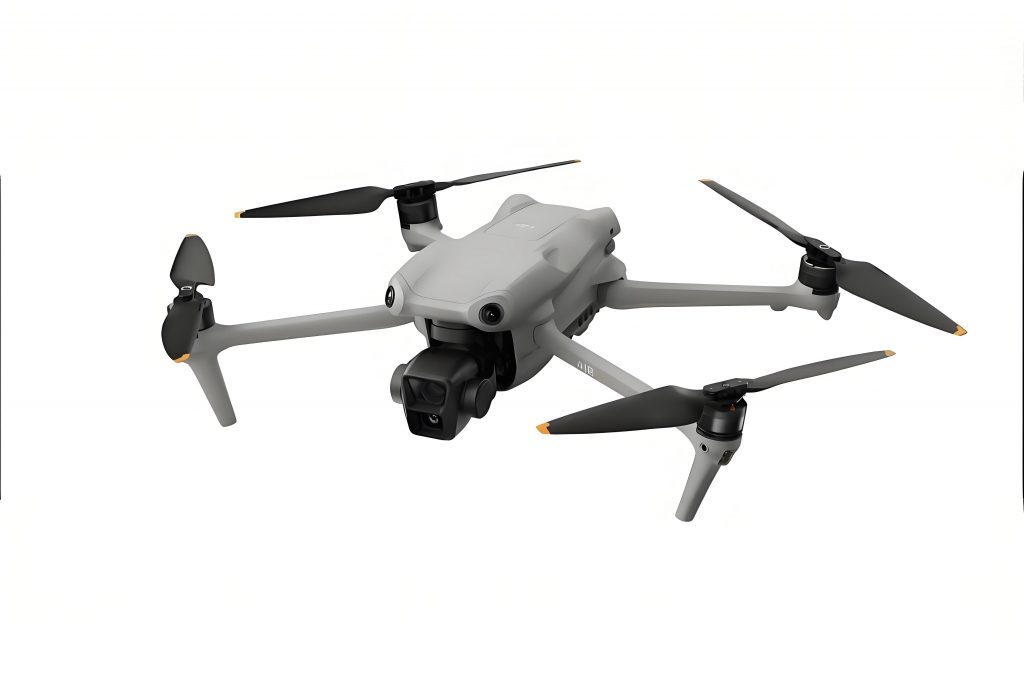
To quantitatively assess the performance of the DJI drone, we designed a replicated field trial across two distinct locations with varying initial disease pressure. The primary objective was to measure the control efficacy against wheat powdery mildew and the subsequent effect on yield components when using the DJI T20 drone for fungicide application relative to a standard mechanical sprayer. The fungicide selected was 30% kresoxim-methyl suspension concentrate (SC), a broad-spectrum strobilurin known for its protective and curative action against powdery mildews. The trial was structured to mirror real-world farming conditions, and all agronomic practices except the method of pesticide application were kept uniform. Data collection encompassed detailed disease assessment, rigorous statistical analysis of control efficacy, and meticulous measurement of yield parameters. The following sections elaborate on the materials, methodologies, and results, with extensive use of tables and mathematical formulations to summarize findings. Throughout this investigation, the term ‘DJI drone’ will be frequently referenced to emphasize the central role of this technology in modern agricultural phytosanitation.
Materials and Experimental Methodology
The field experiment was conducted during the 2020 wheat growing season at two separate sites, chosen to represent different epidemiological scenarios for wheat powdery mildew. Site 1 was characterized by a lighter disease incidence, while Site 2 had a history of moderate to severe powdery mildew pressure. Both sites were under standard commercial wheat management, with consistent irrigation, fertilization, and other agronomic inputs. The wheat cultivars used were common commercial varieties suited to the region. The core materials involved in this study were the application equipment and the fungicide.
The DJI T20 agricultural drone was the primary intervention tool. This DJI drone features a modular design, a precise pressure-based spraying system, and integrated AI for flight planning and real-time data acquisition. Its specifications include a maximum payload of 20 kg, a flow rate adjustable from 0.5 to 3.0 L/min, and a spray width of 4.5 to 7 meters depending on flight parameters. The comparative equipment was a self-propelled boom sprayer (3WYTZ1000-21 type), representing conventional ground-based application technology. The fungicide, 30% kresoxim-methyl SC, was applied at a uniform dose of 375 mL per hectare across all treated plots.
| Site Designation | Previous Crop | Wheat Cultivar | Sowing Date & Method | Seeding Rate (kg/ha) | Basal Fertilizer (kg/ha DAP/Urea) |
|---|---|---|---|---|---|
| Site 1 (Lower Disease Pressure) | Rice | Lianmai 7 | 30 Oct 2019, Water-seeding | 300 | 225 / 225 |
| Site 2 (Higher Disease Pressure) | Maize | Lianmai 8 | 03 Oct 2019, Compound Seeder | 225 | 225 / 225 |
The experimental layout at each site was a completely randomized design with three treatments, each replicated three times over sizable plots to ensure statistical robustness and minimize edge effects. The treatments were: (A) Application via DJI T20 drone, (B) Application via self-propelled boom sprayer, and (C) An untreated control (CK) sprayed with water only. Each treatment plot for the DJI drone and the boom sprayer covered 2 hectares, while the control plot was 100 square meters, adequately buffered to prevent spray drift contamination.
Application was performed at the initial onset of wheat powdery mildew symptoms, determined by systematic scouting. The application parameters for the DJI drone were meticulously set: a flight altitude of 2 meters above the crop canopy, a spray swath of 4.5 meters, a flight speed of 5 meters per second, and a total spray volume of 22.5 liters per hectare. The boom sprayer operated with a much higher spray volume of 450 liters per hectare, which is typical for hydraulic nozzle systems. Meteorological conditions during application were recorded: clear skies, temperature 11°C, relative humidity 68%, with light wind. Weather in the subsequent 22-day period included 16.3 mm of rainfall over 2 days, conditions that were moderately conducive for disease development.
Disease Assessment and Statistical Framework
Disease severity was assessed immediately before application (to establish the baseline) and 15 days after application (to evaluate curative and protective efficacy). At each assessment, five sampling points were randomly selected within each plot. At each point, 25 wheat plants were examined, and the top four fully expanded leaves per plant were evaluated for powdery mildew severity using a standardized 0-9 scale.
| Grade | Description (Percentage of Leaf Area Covered) | Numerical Value for Calculation |
|---|---|---|
| 0 | No symptoms | 0 |
| 1 | ≤ 5% | 1 |
| 3 | 6% – 15% | 3 |
| 5 | 16% – 25% | 5 |
| 7 | 26% – 50% | 7 |
| 9 | ≥ 51% | 9 |
From the field data, two key metrics were calculated: the Disease Index (DI) and the Percentage Control Efficacy (CE). The Disease Index provides a weighted measure of disease severity within a population, while the Control Efficacy quantifies the reduction in disease attributable to the fungicide treatment, corrected for natural disease progression in the control. The formulas are expressed in LaTeX notation below.
The Disease Index (DI) is calculated as:
$$
\text{DI} = \frac{\sum_{i=1}^{n} (N_i \times S_i)}{(N_{\text{total}} \times S_{\text{max}})} \times 100
$$
Where:
$N_i$ = number of leaves assessed at severity grade $i$,
$S_i$ = numerical value of severity grade $i$ (0, 1, 3, 5, 7, 9),
$N_{\text{total}}$ = total number of leaves assessed,
$S_{\text{max}}$ = the maximum severity grade value (9 in this scale).
The Percentage Control Efficacy (CE%) is calculated using the Henderson-Tilton formula, which adjusts for initial differences:
$$
\text{CE\%} = \left[ 1 – \frac{(\text{DI}_{\text{CK, before}} \times \text{DI}_{\text{T, after}})}{(\text{DI}_{\text{CK, after}} \times \text{DI}_{\text{T, before}})} \right] \times 100
$$
Where:
$\text{DI}_{\text{CK, before}}$ = Disease Index of Control plot before application,
$\text{DI}_{\text{T, before}}$ = Disease Index of Treatment plot before application,
$\text{DI}_{\text{CK, after}}$ = Disease Index of Control plot after application,
$\text{DI}_{\text{T, after}}$ = Disease Index of Treatment plot after application.
All derived data were subjected to analysis of variance (ANOVA) using specialized statistical software. Mean separation was performed using Duncan’s New Multiple Range Test at a significance level of P=0.05. This rigorous analysis ensures that any observed differences in efficacy between the DJI drone and the conventional sprayer are statistically validated and not due to random variation.
Results: Crop Safety, Disease Control, and Yield Impact
Crop Safety and Phytotoxicity Observations: Visual monitoring throughout the wheat growth cycle revealed no signs of phytotoxicity or adverse effects on crop development from any treatment. Plants in both the DJI drone and boom sprayer treated plots exhibited normal growth, deep green coloration, and standard heading and grain filling patterns. Crucially, the plots treated by the DJI drone showed no evidence of mechanical damage, such as broken stems or crushed plants, which was occasionally observed along the wheel tracks of the boom sprayer. This underscores a fundamental advantage of the aerial DJI drone platform: the complete elimination of in-field traffic and associated crop injury.
Disease Control Efficacy: The initial disease pressure, as measured by the Disease Index before application, confirmed the intended differentiation between the two sites. At Site 1, the baseline DI was low and similar across plots (1.69-1.78). At Site 2, the baseline DI was substantially higher (5.24-5.78), indicating a more severe epidemic in progress. The control efficacy results 15 days after application are summarized in Table 3.
| Test Site | Treatment | Disease Index (Before) | Disease Index (After 15 Days) | Control Efficacy (%) | Statistical Significance Grouping* |
|---|---|---|---|---|---|
| Site 1 (Lower Pressure) | DJI T20 Drone | 1.69 | 0.71 | 75.24 | a A |
| Boom Sprayer | 1.78 | 0.80 | 73.51 | a A | |
| Control (CK) | 1.78 | 3.02 | — | — | |
| Site 2 (Higher Pressure) | DJI T20 Drone | 5.24 | 1.78 | 70.56 | a A |
| Boom Sprayer | 5.51 | 1.24 | 80.50 | a A | |
| Control (CK) | 5.78 | 6.67 | — | — |
*Means within a column for each site followed by the same lowercase letter are not significantly different at P<0.05; uppercase letters indicate no significant difference at P<0.01.
The data reveals that the DJI drone achieved excellent disease control. At Site 1, the DJI drone treatment yielded a slightly higher efficacy (75.24%) compared to the boom sprayer (73.51%). At Site 2, under heavier disease pressure, the trend reversed, with the boom sprayer showing a higher efficacy (80.50%) than the DJI drone (70.56%). However, and this is a critical finding, the ANOVA confirmed that these observed differences in control efficacy between the two application methods at both sites were not statistically significant (P>0.05). This implies that from a practical disease management perspective, the DJI drone performed equivalently to the conventional ground sprayer. The numerical variation can be attributed to micro-environmental factors, minor variations in spray deposition patterns, or the inherent variability of field biology. The performance of the DJI drone is particularly commendable given its drastically reduced water volume (22.5 L/ha vs. 450 L/ha), highlighting its exceptional efficiency in delivering active ingredient.
Yield and Yield Component Analysis: At physiological maturity, yield components were measured to determine if the method of disease control translated into tangible economic benefits. Spike number per hectare, grains per spike, and 1000-grain weight were determined from representative samples within each plot. Theoretical yield was then calculated using the standard formula:
$$
\text{Theoretical Yield (kg/ha)} = \frac{\text{Spikes per ha} \times \text{Grains per Spike} \times \text{1000-Grain Weight (g)}}{10^6}
$$
The results are consolidated in Table 4.
| Test Site | Treatment | Spikes (×10⁴/ha) | Grains per Spike | 1000-Grain Weight (g) | Theoretical Yield (kg/ha) |
|---|---|---|---|---|---|
| Site 1 | DJI T20 Drone | 621 | 25.2 | 41.6 | 6510.1 |
| Boom Sprayer | 642 | 24.3 | 42.2 | 6583.5 | |
| Control | 630 | 23.8 | 41.0 | 6147.5 | |
| Site 2 | DJI T20 Drone | 696 | 24.2 | 43.2 | 7276.3 |
| Boom Sprayer | 687 | 24.4 | 42.8 | 7174.5 | |
| Control | 708 | 22.8 | 40.4 | 6521.5 |
In both sites, all fungicide-treated plots (whether by DJI drone or boom sprayer) outperformed the untreated control in terms of grains per spike, 1000-grain weight, and consequently, theoretical yield. This demonstrates the positive yield protection afforded by timely fungicide application against powdery mildew. More importantly, the differences in yield components and final theoretical yield between the DJI drone and the boom sprayer treatments were minimal and inconsistent in direction. At Site 1, the boom sprayer had a marginally higher yield, while at Site 2, the DJI drone treatment produced a slightly higher yield. Statistical analysis (not tabulated here for brevity but conducted similarly to the efficacy data) confirmed no significant yield difference between the two application methods. This result is pivotal, as it proves that the superior operational efficiency of the DJI drone does not come at the cost of final crop productivity.
Discussion: The Paradigm Shift Enabled by DJI Drone Technology
The findings of this study robustly support the integration of DJI drone technology into standard wheat disease management programs. The equivalent control efficacy and yield outcomes, coupled with the inherent advantages of the DJI drone system, present a compelling case for its adoption. Let us delve deeper into the multifaceted benefits and implications.
Operational Efficiency and Resource Conservation: The most striking contrast is the application volume: 22.5 L/ha for the DJI drone versus 450 L/ha for the boom sprayer. This represents a 95% reduction in water use. In practical terms, this means the DJI drone can cover vast areas without the logistical burden of water transportation and refilling, a critical advantage in arid regions or large-scale farms. Furthermore, the speed of operation for a DJI drone is significantly higher. While not explicitly timed in this study, typical DJI drone systems can cover 10-15 hectares per hour, depending on battery logistics, far exceeding the capacity of a single ground sprayer. This timeliness is crucial for disease control, as it allows rapid response to disease outbreaks across large fields.
Precision and Uniformity: The flight control and spraying system of the DJI drone ensure a highly uniform distribution of droplets. The downward airflow generated by the rotors pushes droplets into the canopy, improving coverage on the undersides of leaves where powdery mildew often initiates. This aerodynamic effect is absent in traditional sprayers. The precision of the DJI drone also minimizes off-target drift through adjustable flight height and speed, and built-in boundary mapping, leading to reduced environmental contamination and more economical use of pesticide.
Agronomic and Economic Benefits: The complete avoidance of crop damage is a non-trivial benefit. Ground machinery compacts soil, damages root systems, and crushes plants, creating entry points for pathogens and reducing the effective stand. The DJI drone eliminates this yield-reducing factor entirely. From an economic perspective, while the initial capital investment in a DJI drone system can be substantial, the operational savings in labor, water, fuel (for transporting water and driving heavy sprayers), and time are considerable. The DJI drone also enables application in conditions where ground machinery cannot operate, such as wet fields post-irrigation or on steep terrain.
Statistical Equivalence and Practical Significance: The lack of significant difference in both control efficacy and yield between the DJI drone and the conventional sprayer is the cornerstone of this discussion. It demonstrates that the technological shift does not compromise biological effectiveness. The minor numerical variations observed are within the expected range for agricultural field trials and do not detract from the overall conclusion: the DJI drone is a viable and effective alternative. This equivalence, when combined with its ancillary benefits, elevates the DJI drone from a novel gadget to a core component of smart farming.
The deployment of the DJI drone also aligns with broader sustainable agriculture goals. The reduced volume of spray mixture means less runoff into waterways, and the precise application reduces the total amount of active ingredient released into the environment per unit area of effective control. Future research avenues could explore the integration of the DJI drone with multispectral sensors for early disease detection, enabling fully automated, site-specific variable rate application—a true embodiment of precision agriculture.
Mathematical Modeling of DJI Drone Spray Deposition
To further understand the performance of the DJI drone, we can model the spray deposition process. The efficacy of a foliar-applied fungicide is a function of the droplet density and coverage on the target surface. For a DJI drone moving at a constant speed v (m/s) with a flow rate Q (L/min) and effective swath width W (m), the application rate AR (L/ha) is given by:
$$
AR = \frac{60 \times Q}{v \times W} \times 10
$$
In our trial, with Q set to achieve AR = 22.5 L/ha, v = 5 m/s, and W = 4.5 m, we can validate the flow rate. Rearranging:
$$
Q = \frac{AR \times v \times W}{60 \times 10} = \frac{22.5 \times 5 \times 4.5}{600} \approx 0.84375 \text{ L/min}
$$
This calculated flow rate is well within the adjustable range of the DJI T20 drone’s system. The droplet density D (droplets/cm²) can be estimated if the droplet size spectrum (Volume Median Diameter, VMD) from the nozzles is known. For a typical fine to medium spray quality, if the VMD is d (µm), the volume of a single droplet is $V_d = \frac{1}{6}\pi d^3 \times 10^{-12}$ liters. The number of droplets per liter, $N_d$, is $1 / V_d$. The droplet density is then:
$$
D = \frac{AR \times N_d \times 10^7}{10^4} = AR \times N_d \times 1000 \quad \text{(simplifying unit conversions)}
$$
While specific droplet data was not collected here, this model framework illustrates the precision engineering behind the DJI drone’s spraying system, which optimizes these parameters for maximum target adhesion and coverage.
Conclusion
This comprehensive field evaluation demonstrates that the DJI T20 agricultural drone is a highly effective and reliable tool for controlling wheat powdery mildew. The DJI drone achieved disease control efficacy statistically on par with a conventional self-propelled boom sprayer under both low and high disease pressure scenarios. Critically, this equivalent biological performance was realized while using only 5% of the water volume, eliminating all crop damage from machinery traffic, and offering superior operational speed and flexibility. The final yield achieved with the DJI drone was indistinguishable from that obtained with the ground-based sprayer, confirming that the advantages of the drone system do not compromise the ultimate goal of grain production.
The adoption of DJI drone technology represents a significant leap forward in sustainable and precision crop protection. Its ability to apply pesticides safely, efficiently, and with minimal environmental impact positions it as an indispensable asset for modern wheat farming systems. As drone technology continues to evolve, with improvements in battery life, payload capacity, and AI-driven scouting, its role in integrated disease management will only expand. This study provides strong empirical evidence to encourage farmers, agronomists, and agricultural policymakers to consider the DJI drone not as a replacement for existing tools, but as a transformative technology that enhances the efficiency, sustainability, and profitability of wheat production. Future work should focus on optimizing application parameters for the DJI drone across different wheat growth stages and canopy architectures, as well as for other foliar diseases and pests, to fully unlock its potential in global agriculture.