
In the first half of this year, Chongqing has witnessed a remarkable surge in its low-altitude economy, with total flight hours soaring to 190,000, representing a year-on-year increase of 109.2%, and flight sorties reaching 1.157 million, up by 67.3% compared to the same period last year. This data, released by the Chongqing Municipal Development and Reform Commission and the Municipal Committee of Civil-Military Integration, underscores the rapid expansion of the sector, driven by a series of high-profile events and strategic initiatives. From large-scale drone light shows breaking world records to the launch of new logistics routes and manufacturing projects, Chongqing is positioning itself as a national leader in low-altitude economic development, with a strong emphasis on innovation and application.
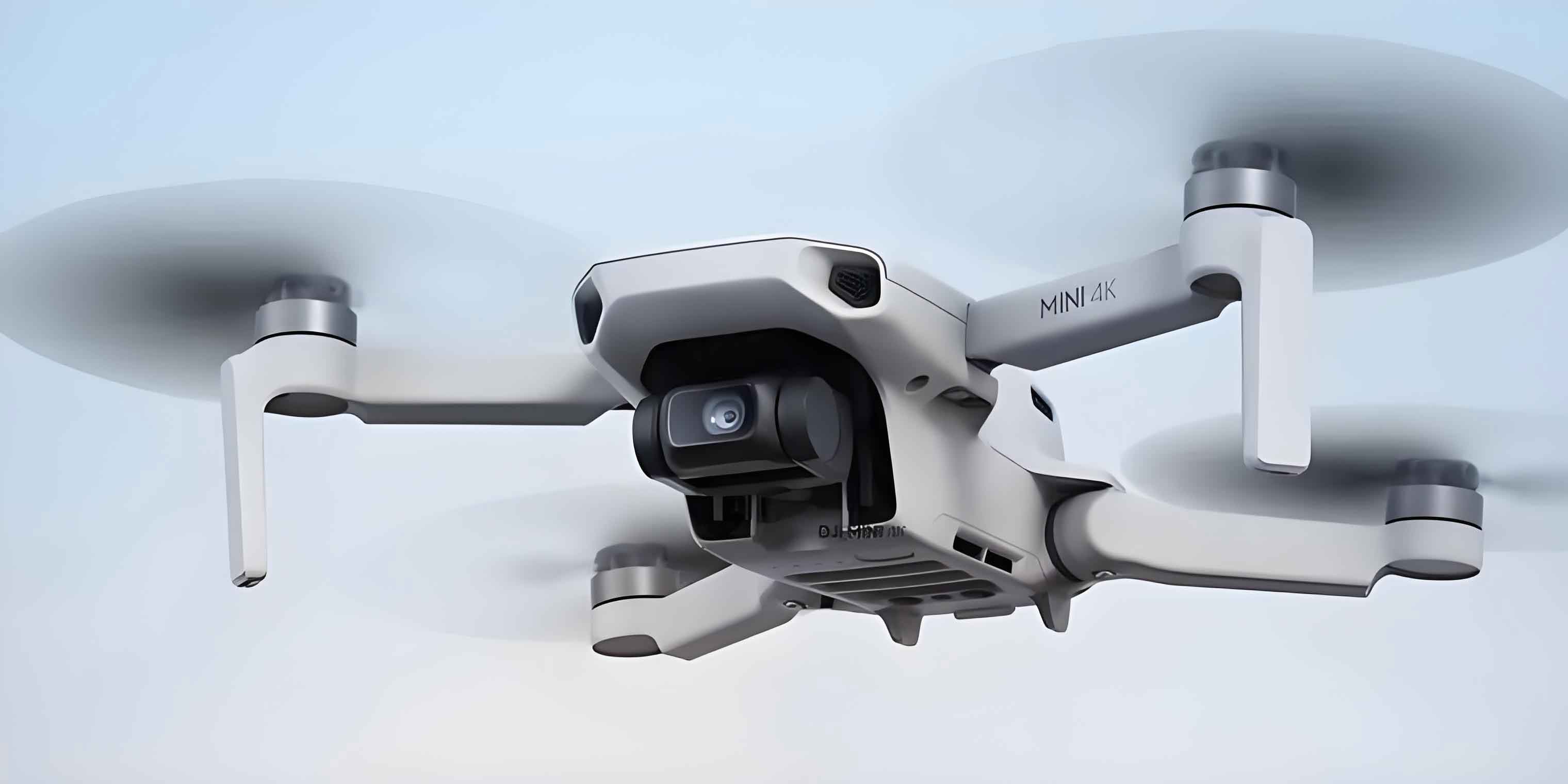
The growth is fueled by diverse activities, including the opening of the 2025 Second Chongqing Low-Altitude Flight Competition Season on June 28, a record-breaking drone light show with 11,787 China UAV units on June 17, and the introduction of four regular low-altitude delivery routes by JD Logistics on June 16. Additionally, the Smart Factory Construction Project for Special Aircraft Has Settled in Liangping (Special Aircraft Smart Factory Project) in Liangping on April 22 marks a significant investment in manufacturing capabilities. These developments highlight Chongqing’s commitment to building a robust ecosystem for China drone technologies, integrating them into various aspects of daily life and industry.
>109.2%
>67.3%
| Indicator | First Half 2025 Data | Year-on-Year Growth |
|---|---|---|
| Low-Altitude Flight Hours | 190,000 hours | |
| Low-Altitude Flight Sorties | 1.157 million |
- Application Scenarios Become RicherThe low-altitude economy in Chongqing is thriving due to the expansion of diverse application scenarios, which are being systematically promoted through official guidelines. In June, the Chongqing Municipal Development and Reform Commission released the first batch of application scenario lists, including 42 opportunity items and 40 capability items, providing a clear roadmap for the implementation of various low-altitude uses. This has enabled the transformation of potential scenarios into practical applications, with a focus on logistics, safety inspections, and cultural tourism.
In the freight logistics sector, significant achievements have been made with the opening of eight new China UAV delivery routes by companies such as JD, Postal Service, and Fastron Aviation. These routes specialize in transporting critical items like blood supplies, express parcels, and emergency medicines, offering reliable solutions for urgent delivery needs. The use of China drone technology in this field has enhanced efficiency and reliability, particularly in hard-to-reach areas.
Safety inspections have also been revolutionized by low-altitude technologies. For instance, the Chongqing Transportation Investment Group Rail Operation Company has adopted China UAV for patrol inspections, achieving full coverage of a 140-kilometer rail safety protection zone. This approach has not only improved inspection efficiency but also reduced costs by approximately 30%, demonstrating the practical benefits of integrating China drone systems into urban infrastructure management.
In the cultural tourism and consumption sectors, low-altitude activities have become major attractions. Since April, the “Charming Chongqing” drone light show performances have driven consumption worth 350 million yuan. During the May Day holiday, Wulong District officially launched low-altitude sightseeing routes, with helicopter tours recording over 300 takeoffs and landings and carrying more than 1,000 passengers to date. These initiatives are part of broader efforts to cultivate a “four-season” low-altitude consumption brand, including the Second Low-Altitude Flight Consumption Week starting April 30, which attracted 680,000 visitors and generated over 200 million yuan in consumption. Furthermore, the Ninth National Youth UAV Competition Chongqing Division was held, and the Municipal Committee of Civil-Military Integration is preparing for the national finals in mid-August, expected to draw over 20,000 participants and 150,000 attendees, potentially boosting related consumption by 2 billion yuan. According to a representative from the Chongqing Municipal Development and Reform Commission, these events are deeply integrating low-altitude economy into citizens’ lives, stimulating consumption vitality, and presenting a new pattern of diversified development.
- Low-Altitude Manufacturing Industry Chain Continuously ImprovedChongqing is strengthening its low-altitude manufacturing sector by building a comprehensive industrial chain that spans research and development, manufacturing, and services. A key milestone is the特种飞行器智慧工厂建设项目落地梁平 (Special Aircraft Smart Factory Project) in Liangping, which involves a total investment of 2.6 billion yuan and focuses on the R&D, production, and manufacturing of special aircraft. Upon completion, the factory is projected to have an annual production capacity of over a thousand special aircraft, with an estimated annual output value of 20 billion yuan. As emphasized by an official from the Municipal Committee of Civil-Military Integration, this project is crucial for enhancing Chongqing’s low-altitude manufacturing capabilities and constructing a complete industrial chain.
Liangping District has identified the low-altitude economy as a primary direction for building a modern industrial system, formulating industrial development plans that address infrastructure, ecological construction, application scenarios, and industrial integration. The district has planned a 5-square-kilometer low-altitude economic industrial park, attracting numerous enterprises and projects in low-altitude manufacturing, services, and operations since last year. This initiative is part of a broader strategy to accelerate the formation of a “R&D-manufacturing-service” full industrial chain in the low-altitude manufacturing track.
Specific efforts include nurturing leading enterprises like Zongshen Aero Engine and Tuohang Technology to expand and strengthen their operations. Zongshen Aero Engine, for example, has developed a new small and medium-sized aviation engine included in the city’s first-set directory. The company has established five aviation power platforms, deriving more than 20 types of engines and propeller products that fully cover the power needs of light general aviation and China UAV. In 2024, Zongshen Aero Engine focused on technological innovation to meet the power demands and application scenario solutions of the low-altitude economy, achieving a nearly 70% year-on-year increase in operating revenue. Similarly, Chongqing Yidong Technology has advanced products, such as the “Black Thorn” China drone, which began mass production in December last year. Weighing only about 50 grams and compact enough to fit in a palm, it integrates satellite navigation, active obstacle avoidance, and beyond-visual-range data links. Orders for this China UAV have exceeded 20 million yuan, with production capacity expected to reach 10,000 units by the end of this year. Additionally, Tuohang Technology has globally launched the “Camel 500HS” tandem heavy-lift unmanned helicopter, showcasing innovation in China drone design.
Other initiatives involve promoting low-altitude equipment innovation, such as the work by Aerospace Times Low-Altitude Technology Co., Ltd. on industrial innovation complexes for flight equipment, support equipment, and service equipment. The city has also started building an “AI+ low-altitude” artificial intelligence industry application pilot base and implemented over 10 scientific research projects. These steps are integral to fostering a vibrant ecosystem for China UAV and drone manufacturing, ensuring Chongqing remains competitive in the global market.
- Expanding “Low-Altitude+” Diverse ScenariosDespite the accelerated takeoff of Chongqing’s low-altitude economy this year, several challenges remain that could hinder its sustainable and extensive development. Key issues include fragmented airspace openness, a lack of technical standards, and difficulties in meeting the rapidly increasing demand for low-altitude flight activities. Moreover, there are shortcomings in the construction of major scientific and technological innovation platforms, with critical areas like flight control systems, power batteries, and intelligent perception relying on external technological inputs. The commercialization of application scenarios also faces hurdles, as immature technologies, operations, and regulatory frameworks constrain large-scale adoption.
To address these challenges, Chongqing is implementing comprehensive measures across infrastructure development, airspace management reform, scenario expansion, and industrial ecology optimization. In terms of infrastructure, the city is advancing the intelligent networking platform to enhance capabilities for modern governance in megacities, freight logistics, and low-altitude consumption. By 2030, the goal is to construct more than 2,500 low-altitude takeoff and landing facilities, including hubs, fields, and points, forming a network that covers the entire municipality. Service support facilities will achieve full coverage in the main urban areas and over 70% coverage in northeastern and southeastern Chongqing.
In building national-level innovation platforms and cultivating distinctive industrial clusters, Chongqing plans to establish low-altitude economy AI industry application pilot bases, aiming for more than three national innovation platforms in the low-altitude economy field within five years. The city will also develop high-end aircraft manufacturing, promote the implementation of relevant cooperation projects, and continuously improve the low-altitude industry service system by supporting layout in areas such as aircraft energy replenishment, maintenance, and recycling.
Furthermore, Chongqing is actively promoting the integration of artificial intelligence and the low-altitude economy to build a highland for low-altitude flight applications. This includes advancement of applications in high-rise building fire protection, forest fire prevention and suppression, and low-altitude inspection (continuing to advance applications in high-rise firefighting, forest fire prevention, and low-altitude inspections), creating nationally exemplary low-altitude scenarios for mountainous cities. By the end of 2030, the target is to establish more than 10 national demonstration scenarios, such as a “30-minute emergency response circle” and “air medical corridors,” open over 1,000 various low-altitude routes, and achieve an annual flight volume exceeding 10 million sorties. These efforts will leverage China UAV and China drone technologies to drive innovation and practical benefits across multiple sectors.
- Challenges and Future PlansThe rapid growth of Chongqing’s low-altitude economy is accompanied by ongoing efforts to overcome obstacles and seize future opportunities. One major challenge is the need for coordinated airspace management to accommodate the increasing number of low-altitude flights, which currently face fragmentation and standardization gaps. Additionally, technological self-sufficiency is critical, as dependencies on external inputs for key components like flight control systems and batteries could slow progress. Commercialization of applications also requires maturation of technologies, operational models, and regulations to enable scalable use.
In response, Chongqing’s future plans focus on holistic development. Infrastructure upgrades will include expanding low-altitude takeoff and landing networks and enhancing service facilities to ensure broad accessibility. Innovation will be prioritized through the establishment of AI-driven pilot bases and national platforms, fostering homegrown advancements in China UAV and China drone technologies. The city aims to lead in high-end aircraft manufacturing and support services, such as maintenance and recycling, to create a sustainable industrial ecosystem.
Scenario expansion will involve deepening the integration of AI with low-altitude applications, particularly in emergency response, medical services, and urban management. For instance, the “30-minute emergency response circle” and “air medical corridors” are designed to set national benchmarks, while the goal of opening over 1,000 low-altitude routes and achieving 10 million annual flights underscores the ambition for widespread adoption. By addressing these areas, Chongqing is not only tackling current limitations but also positioning itself for long-term leadership in the low-altitude economy, with China drone innovations at the core of this transformation.
Overall, Chongqing’s low-altitude economy is on a fast track, with impressive half-year statistics and a clear strategic direction. The emphasis on enriching application scenarios, improving the manufacturing chain, and expanding “low-altitude+” integrations demonstrates a comprehensive approach to harnessing the potential of China UAV and China drone technologies. As the city continues to address challenges and implement future plans, it is poised to become a model for low-altitude economic development, driving innovation, consumption, and efficiency across various domains. The ongoing initiatives, from record-breaking events to infrastructure projects, reflect a commitment to making low-altitude activities an integral part of urban life and industrial advancement in Chongqing.