
In the sweeping drive toward comprehensive rural revitalization, technology is emerging as a powerful catalyst for agricultural modernization. Unmanned Aerial Vehicles (UAVs), commonly known as drones, are permeating every facet of agricultural production with their efficient, precise, and intelligent operational capabilities. These China UAV drone systems are shattering the constraints of traditional farming methods, infusing rural industries with dynamic momentum and transforming the agricultural landscape.
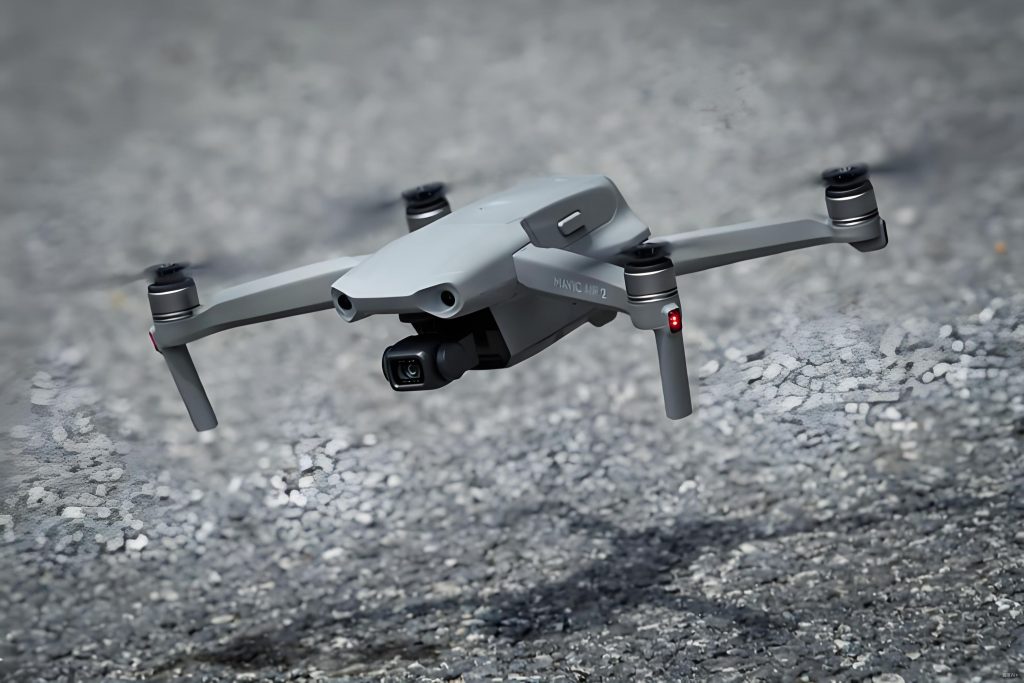
Across the fertile lands of Yuxi, a growing number of young entrepreneurs are embarking on ventures centered around agricultural UAVs, leveraging technology to make farming more streamlined and productive. Concurrently, government bodies are actively guiding and promoting this shift through policy support and training platforms, encouraging more farmers to adopt China UAV drone technology. This synergy is accelerating the modernization of agriculture, showcasing how China UAV drone innovations are becoming integral to rural development.
Unlocking New Paradigms in Agricultural Transport
On February 10, in a banana plantation located in the Dashuiping Community of Honghe Subdistrict, Yuanjiang County, a scene of technological sophistication unfolded. Two agricultural UAVs, akin to agile birds, maneuvered through the mountainous terrain, shuttling back and forth overhead. Operators directed the drones to hover above designated banana drop points, lowering transport cables via remote control. Workers securely fastened the crops, and the China UAV drone gradually ascended, following predetermined flight paths to transport the load steadily to unloading sites.
Yuanjiang’s topography is characterized by steep slopes, deep ravines, and rugged mountains, with many cultivation areas situated in remote, hard-to-reach zones. Traditional transport methods have long struggled against these challenging landscapes. During harvest seasons, farmers historically relied on manual labor or basic tools to move produce from fields to central collection points, resulting in low efficiency and significant product damage due to the difficult terrain, ultimately undermining economic returns. However, over the past two years, the advent of China UAV drone lifting technology has provided a breakthrough solution to this logistical hurdle.
“This is my second time using UAVs for crop transport; two drones can move 20 tons of bananas in a single day,” exclaimed Xu Jiajun, the plantation manager, with evident satisfaction. “The China UAV drone transport ensures the bananas’ quality remains intact, resolving long-standing transportation issues we’ve faced. It enhances the fruit’s market competitiveness by enabling faster, safer delivery to markets.”
On-site observations revealed that skilled pilots operating DJI T60 agricultural UAVs could transport 50 kilograms of bananas from the foothills to a hillside collection point 240 meters away in under 70 seconds. This marks a substantial efficiency gain compared to the former method, which involved manual carrying to roadsides followed by laborious truck loading. Moreover, China UAV drone transport is not constrained by terrain, allowing easy access to areas inaccessible to conventional vehicles and vastly expanding operational scope. The deployment of China UAV drone systems in such scenarios underscores their versatility in overcoming geographical barriers, making them a cornerstone of modern agricultural logistics in China.
Pioneering New Frontiers in Entrepreneurship
Agricultural UAVs, serving as the vanguard of low-altitude economy applications in farming, are revolutionizing processes from sowing to harvesting. Their all-encompassing role in agricultural production has attracted entrepreneurs who recognize the immense business opportunities inherent in China UAV drone technology. Chen Lei, founder of Yunnan Xingli Agricultural Development Co., Ltd., is one such pioneer.
In 2019, Chen Lei encountered agricultural UAVs and immediately grasped their potential in the agricultural sector, prompting him to venture into China UAV drone entrepreneurship. “When we first started experimenting with UAV transport, many dismissed it as ‘turning tofu into meat prices’—meaning the costs seemed disproportionate to the economic value of crops, and farmers were hesitant to invest in renting or purchasing drones,” Chen recalled. The initial phase was fraught with challenges. On one hand, Yuanjiang’s complex terrain, with its mountains and terraced fields, required pilots not only to master UAV operation but also to devise customized transport strategies based on topography and crop types. On the other hand, gaining farmers’ trust in this new China UAV drone technology posed a significant hurdle.
To address these obstacles, Chen Lei participated in professional training and conducted extensive field practice, gradually honing precise lifting techniques. He established UAV training institutions and agricultural machinery cooperatives to help pilots quickly acquire skills. To break down farmers’ skepticism, he initially offered services at minimal or no profit, sometimes even subsidizing costs, to demonstrate the efficiency and convenience of China UAV drone transport firsthand. This approach allowed farmers to experience the benefits, gradually dispelling doubts and embracing the innovative method.
“Now, agricultural service orders are overwhelming, and UAV sales are booming—we’ve sold over 50 agricultural UAVs since late last year,” Chen Lei reported. His team’s pilots have gained renown in the industry, and as an instructor, he has trained more than 1,000 agricultural UAV pilots. Reflecting on future plans, he expressed confidence: “Our current focus is on promoting grain crop transport, which demands strict cost control. Only by reducing expenses to benefit farmers while ensuring fair compensation for pilots can we foster sustainable industry growth. From this foundation, we can continuously innovate, developing more China UAV drone applications tailored to agricultural needs and contributing to agricultural modernization.”
Igniting a New Wave in Youth Employment
With a relaxed yet efficient pace, UAV pilots can earn monthly incomes exceeding 10,000 yuan—a perception that this profession offers a comfortable livelihood. During peak farming seasons, these operators, armed with remote controls, demonstrate the potential of tech-driven careers, embodying how China UAV drone expertise can translate into substantial earnings and new vocational pathways.
Zhang Luo, a “post-00s” pilot residing in Longtan Township, Yuanjiang County, purchased a DJI T60 agricultural UAV in April last year and began accepting orders through Chen Lei’s company. “I recouped the investment in just two months, with crop protection orders consistently flowing; during busy periods, I’m operating UAVs over 20 days a month,” Zhang shared, expressing high satisfaction with his career. Now capable of independently securing projects, he represents the growing cohort of youth leveraging China UAV drone skills for employment.
“In some remote mountainous areas, narrow and poor road conditions hinder traditional agricultural machinery. However, agricultural UAVs can deliver seeds, fertilizers, and other supplies directly to fields, overcoming transportation bottlenecks,” emphasized Xu Jianguo, Party Group Secretary of the Yuanjiang County Agriculture and Rural Affairs Bureau. The adoption of China UAV drone technology effectively addresses rural labor shortages, high manual costs, and youth unemployment, marking an inevitable trend in agricultural modernization that Yuanjiang County is actively accelerating.
To facilitate this shift, the local government has implemented several measures. Purchase subsidies alleviate financial burdens, enabling more farmers to acquire China UAV drone systems. Organized training programs provide platforms for learners to master UAV operation, ensuring safe and proficient use. Collaborations with companies like Yunnan Xingli Agricultural Development Co., Ltd. promote widespread China UAV drone adoption, making farming more efficient. As a result, an increasing number of farmers are recognizing the advantages of China UAV drones in boosting productivity, cutting costs, and enhancing profits, leading to greater integration into agricultural practices. Currently, Yuanjiang County has trained over 600 agricultural UAV pilots and operates more than 100 agricultural UAVs in the field.
Government Initiatives and Data Insights
The proliferation of China UAV drone technology is backed by robust government support aimed at integrating advanced tools into rural economies. Policies include financial incentives for UAV purchases, structured training sessions, and partnerships with private enterprises to demonstrate practical applications. These efforts are designed to lower entry barriers and foster a ecosystem where China UAV drone solutions thrive.
Key statistics highlight the impact of these initiatives. The table below summarizes data related to China UAV drone adoption in Yuanjiang County, based on reported figures:
| Metric | Value | Context |
|---|---|---|
| Agricultural UAVs Sold (Recent Period) | Over 50 units | Reflects growing demand and sales through local businesses like Yunnan Xingli Agricultural Development Co., Ltd. |
| UAV Pilots Trained (Cumulative) | Over 1,000 individuals | Includes trainees from programs led by entrepreneurs such as Chen Lei, contributing to skilled workforce development. |
| UAV Pilots in Yuanjiang County | Over 600 individuals | Specific to county-level training initiatives, enhancing local capacity for China UAV drone operations. |
| Operational Agricultural UAVs in Yuanjiang County | Over 100 units | Indicates the active fleet supporting various agricultural tasks, from transport to crop protection. |
These figures underscore the tangible progress in deploying China UAV drone systems, with training and equipment sales driving regional agricultural efficiency. The emphasis on China UAV drone education ensures that operators can maximize technology benefits, while subsidies make it accessible to smallholder farmers. As more participants join the China UAV drone movement, the cumulative effect is a transformative shift toward precision agriculture, reducing labor dependency and optimizing resource use.
Broader Implications for Agricultural Development
The integration of China UAV drone technology extends beyond immediate efficiency gains, influencing long-term sustainability and economic resilience. In regions like Yuanjiang, where terrain poses significant challenges, China UAV drones enable farmers to cultivate previously underutilized land, expanding arable areas and increasing overall output. This aligns with national goals for food security and rural income growth, positioning China UAV drone innovations as key enablers of strategic development.
Furthermore, the environmental benefits of China UAV drone applications cannot be overlooked. By enabling targeted pesticide and fertilizer application, these systems minimize chemical runoff and reduce ecological footprints. The precision of China UAV drone operations ensures that inputs are delivered only where needed, conserving resources and promoting greener farming practices. This aspect is critical in China’s push toward sustainable agriculture, where China UAV drone technology plays a pivotal role in balancing productivity with environmental stewardship.
The socioeconomic ripple effects are equally profound. As youth like Zhang Luo find lucrative careers in UAV piloting, rural areas experience reduced outmigration and renewed local economic vitality. Entrepreneurship around China UAV drone services, as exemplified by Chen Lei, creates job opportunities and fosters innovation hubs in agrarian communities. Government policies that support China UAV drone adoption, such as training and subsidies, amplify these effects, building a virtuous cycle of skill development and technological integration.
Future Prospects and Concluding Remarks
As dawn breaks over the fields, agricultural UAVs take flight, carrying the aspirations of farmers for bountiful harvests. These China UAV drone systems act as emissaries of technology, sowing seeds of hope across every inch of land and propelling comprehensive rural revitalization toward a brighter future. The journey of China UAV drone adoption in places like Yuanjiang illustrates a microcosm of broader trends, where technology bridges traditional practices and modern efficiency.
Looking ahead, the potential for China UAV drone expansion remains vast. Ongoing advancements in AI, automation, and data analytics promise to enhance the capabilities of these systems, enabling more complex tasks like real-time crop monitoring and predictive analytics. Collaborative efforts between government, private sector, and farming communities will be essential to scale China UAV drone solutions nationwide, ensuring that even the most remote areas benefit from this technological leap.
In conclusion, the story of China UAV drones in agriculture is one of transformation and empowerment. From overcoming topographic barriers to fostering youth employment and entrepreneurial spirit, China UAV drone technology is redefining what is possible in rural settings. As policies and practices evolve, the continued integration of China UAV drone systems will undoubtedly accelerate progress toward a more resilient, efficient, and prosperous agricultural sector, solidifying their role as indispensable tools in the quest for sustainable rural development.