
In recent years, the China UAV drone industry has experienced remarkable growth, positioning itself as a symbol of new quality productivity. By 2023, the output value related to civilian unmanned aerial vehicles in China reached 1520 trillion yuan, with Chinese manufacturers accounting for over 70% of the global market share. This rapid expansion, however, has been accompanied by a surge in social problems, despite the introduction of various laws and regulations aimed at curbing improper operations. Issues such as unlicensed flights, privacy invasions, and disruptions to public order persist, highlighting gaps in the current legal framework. This news report delves into the existing legal challenges, analyzes their root causes, and proposes actionable solutions to foster a safer and more regulated environment for China UAV drone operations.
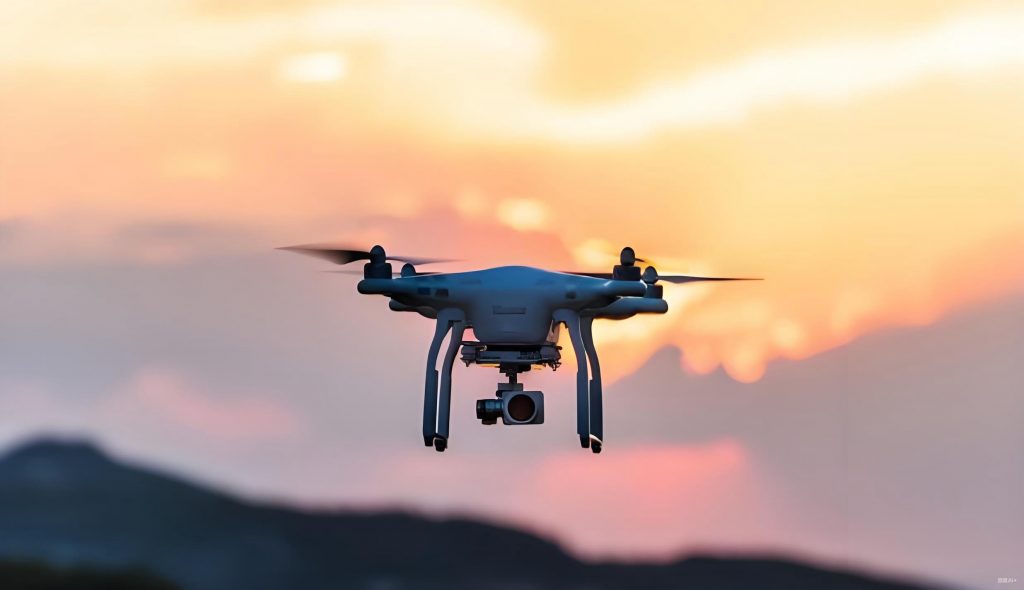
The proliferation of China UAV drone technology has revolutionized sectors like logistics, agriculture, and surveillance, but it has also exposed vulnerabilities in regulatory mechanisms. As these devices become more integrated into daily life, the need for robust legal oversight becomes paramount. This report examines the multifaceted problems arising from civilian UAV operations, the inadequacies in current laws, and the path forward to balance innovation with public safety. The focus is on ensuring that the China UAV drone sector continues to thrive while mitigating risks associated with its use.
-
Existing Problems in the Legal Regulation of Civilian UAV Operations
The rapid adoption of China UAV drone technology has led to several pressing issues that undermine public trust and safety. Despite regulatory efforts, these problems have proven difficult to eradicate, necessitating a closer look at the enforcement and design of existing laws. The following points outline the key challenges faced in regulating China UAV drone operations:
- Unlicensed “black flights” are difficult to regulate: Many operators of micro and small China UAV drones avoid mandatory registration due to perceived bureaucratic hurdles, leading to a high incidence of unlicensed operations. These “black flights” not only complicate management by authorities but also elevate risks such as mid-air collisions and unauthorized surveillance. The lack of comprehensive tracking systems for these China UAV drone activities exacerbates the problem, making it a persistent issue in urban and rural areas alike.
- Frequent invasion of personal privacy: The agility and accessibility of China UAV drone models enable easy capture of images and data, which has resulted in numerous cases of privacy breaches. Instances of drones being used for voyeurism or unauthorized data collection have been widely reported, raising concerns among privacy advocates. The current legal framework does not adequately address these invasions, leaving individuals vulnerable to misuse of China UAV drone technology.
- Disruption of public transportation order: Although China UAV drone typically operate at low altitudes below 100 meters, their interference with traditional aviation, such as commercial flights, has become increasingly common. Incidents where drones have entered restricted airspace near airports have caused delays and safety scares, highlighting the need for better airspace management. This disruption poses a significant threat to the efficiency and safety of public transport systems.
- Threats to national security: Unauthorized flights of China UAV drone over sensitive areas, including military zones and no-fly regions, have raised alarms about potential espionage or sabotage. Such activities can compromise national security, yet enforcement remains challenging due to the stealth and versatility of these devices. The evolving capabilities of China UAV drone models necessitate stricter controls to prevent malicious use.
- Cybersecurity and data management issues: As China UAV drone become more connected and intelligent, vulnerabilities in their software have led to fears of cyberattacks. Cases abroad have shown hackers exploiting drones to access networks and steal data, underscoring the urgency for enhanced security protocols. Without proper regulations, data breaches involving China UAV drone systems could become more frequent, endangering personal and corporate information.
These problems collectively underscore the inadequacies in the current regulatory approach to China UAV drone operations. The persistence of these issues despite existing laws calls for a thorough analysis of the underlying causes, which will be explored in the next section.
-
Analysis of Causes for Legal Regulation Issues
The challenges in regulating China UAV drone operations stem from a combination of legislative gaps, enforcement weaknesses, and hierarchical conflicts in the legal system. Understanding these root causes is essential for developing effective solutions. The following factors contribute to the ongoing problems:
- Incomplete legal system: The current regulations for China UAV drone, particularly micro and light models, lack comprehensive provisions, leading to loopholes that operators exploit. For instance, rules on privacy infringement are sparse, making it difficult to hold offenders accountable. Additionally, cybersecurity measures are underdeveloped, leaving China UAV drone systems exposed to digital threats. The reliance on administrative penalties rather than criminal sanctions for severe violations further limits deterrence.
- Insufficient legal supervision: Enforcement efforts for China UAV drone operations are hampered by limited resources and coordination. Micro and light drones, which are most commonly involved in violations, often go unregistered and unmonitored. Moreover, the involvement of multiple agencies—such as the Civil Aviation Administration, public security departments, and industrial regulators—creates jurisdictional overlaps and reduces oversight efficiency. This fragmented approach undermines the ability to police China UAV drone activities effectively.
- Conflicts between laws of different hierarchies: The Civil Aviation Law of China, enacted in 1995, serves as the cornerstone of aviation regulation but primarily addresses traditional aircraft, with UAV provisions deferred to lower-level statutes. As a result, regulations like the “Unmanned Aircraft Flight Management Interim Regulations” and “Civil Unmanned Aircraft Operation Safety Management Regulations” exist as subordinate laws, leading to potential inconsistencies with the higher-tier Civil Aviation Law. This hierarchical conflict complicates the integration of China UAV drone into national airspace and hinders cohesive policy implementation.
These causes highlight the need for a unified and updated legal framework that can keep pace with the innovations in China UAV drone technology. Addressing these issues will require legislative reforms and improved enforcement mechanisms.
-
Solutions to Legal Regulation Problems
To tackle the regulatory challenges facing China UAV drone operations, a multi-pronged approach is necessary, focusing on legal amendments and balanced policy-making. The following solutions propose concrete steps to enhance safety and foster sustainable growth in the China UAV drone industry:
- Amend core legal regulations: Revising the Civil Aviation Law to include specific provisions for China UAV drone is crucial. This would elevate the legal status of UAV regulations, allowing for better oversight of issues like privacy infringement and airspace conflicts. By integrating China UAV drone into the core aviation framework, the law can establish clear accountability standards and harmonize rules across different drone categories. This amendment should also address civil liabilities, providing victims with recourse in cases of harm caused by China UAV drone operations.
- Coordinate development and safety legislation: Policymakers must strike a balance between promoting the China UAV drone industry as a driver of economic growth and protecting public interests. This involves studying real-world cases to inform legislation that safeguards personal safety without stifling innovation. For example, regulations could include flexible operational guidelines for businesses while empowering enforcers with discretionary powers to address emergencies. Such an approach would ensure that the development of China UAV drone technology aligns with societal values and risk management principles.
Implementing these solutions could significantly reduce the risks associated with China UAV drone operations while supporting the sector’s expansion. By prioritizing both development and safety, China can set a global benchmark for UAV regulation.
In conclusion, the China UAV drone industry stands at a crossroads, with immense potential for growth tempered by significant regulatory hurdles. The problems of unlicensed flights, privacy breaches, and security threats demand immediate attention through legal reforms and enhanced supervision. By amending core laws and adopting a balanced legislative approach, China can harness the benefits of UAV technology while minimizing its risks. The future of China UAV drone operations depends on a collaborative effort among regulators, industry players, and the public to create a secure and progressive environment. As the sector evolves, continuous assessment and adaptation of policies will be key to maintaining its leadership in the global market.