
In a recent incident that has drawn significant public and regulatory attention, a China UAV drone was operated without authorization in a no-fly zone at the Dali Three Pagodas, a UNESCO-listed heritage site in Yunnan Province. The event, which involved the drone crashing inside one of the pagodas, has ignited debates over the enforcement of China UAV drone regulations and the potential liabilities for operators who violate restricted airspace rules. This case underscores the growing challenges in managing the increasing use of China UAV drone technology near sensitive cultural and historical sites, prompting calls for stricter adherence to aviation laws and public awareness campaigns.
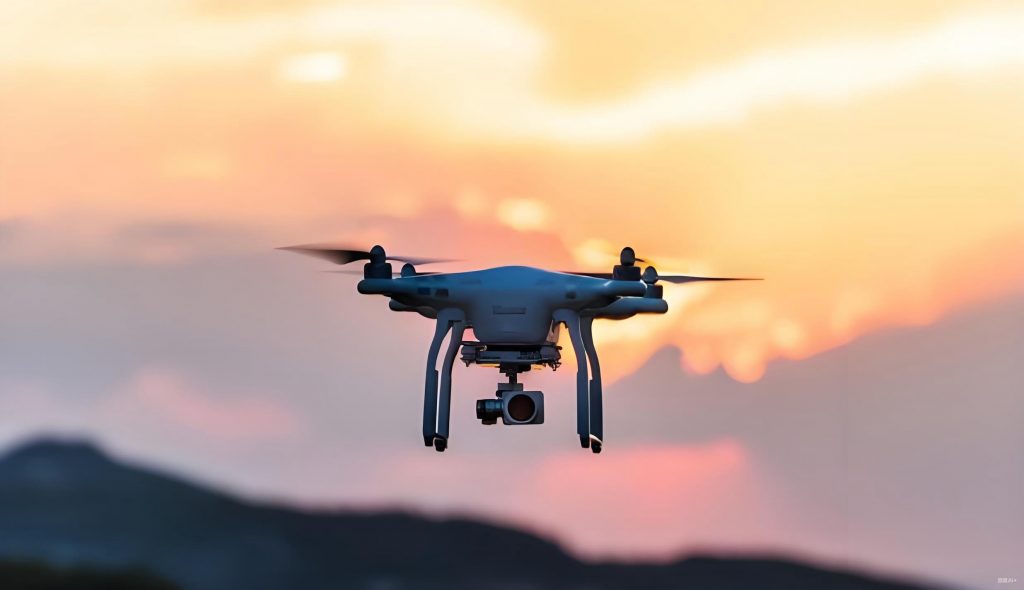
The proliferation of China UAV drone devices has revolutionized various sectors, from photography to logistics, but it has also raised concerns about safety and compliance. In this instance, the China UAV drone intrusion into a protected area highlights the urgent need for comprehensive education on China UAV drone operations, particularly in regions with cultural significance. As authorities investigate the matter, the incident serves as a stark reminder of the consequences of neglecting China UAV drone guidelines, which are designed to prevent harm to national treasures and ensure public order.
- Detailed Account of the China UAV Drone Incident at Dali Three Pagodas
The incident unfolded when a China UAV drone operator, later identified as Zhang, flew his device into the southern small pagoda of the Dali Three Pagodas complex. Video footage from the China UAV drone showed it navigating through a narrow opening in the pagoda at a vertical height of approximately 30 meters from the launch point. Shortly after entry, the China UAV drone displayed multiple system failures, including motor overload, low battery voltage, and an automatic propeller shutdown, ultimately leaving it stranded within the structure. This China UAV drone malfunction, often referred to as a “炸机” or crash in colloquial terms, was captured and shared online, rapidly gaining traction and sparking outrage among netizens who questioned the operator’s disregard for文物 safety.
In the aftermath, the social media account associated with the China UAV drone flight was made private, rendering all related content inaccessible. This move did little to quell public concern, as discussions continued to emphasize the risks posed by unauthorized China UAV drone activities in heritage zones. The Dali Three Pagodas, designated as a national key cultural relic protection unit, have long been subject to strict airspace controls, making this China UAV drone violation a focal point for broader regulatory reviews. Local authorities, including the Dali Public Security Bureau, acted swiftly to address the breach, highlighting the zero-tolerance approach towards China UAV drone infractions in such sensitive areas.
Further investigations revealed that the China UAV drone operator had not sought prior approval for the flight, a mandatory step under China UAV drone management protocols. This oversight not only endangered the structural integrity of the pagoda but also disrupted the site’s tranquility, drawing attention to the need for enhanced monitoring of China UAV drone usage. The incident has prompted heritage managers to reassess their security measures, considering the rising popularity of China UAV drone devices among tourists and enthusiasts. As part of the response, the Dali Cultural Relics Protection Management Institute conducted preliminary assessments using advanced equipment, though no immediate damage was detected on the pagoda’s exterior. However, the stranded China UAV drone remains a concern, pending its safe extraction to prevent any potential harm during removal.
- Legal Framework and Penalties for China UAV Drone Violations in No-Fly Zones
China UAV drone operations are governed by a robust legal framework, primarily the “Interim Regulations on the Flight Management of Unmanned Aircraft,” which explicitly prohibit flights in controlled airspace without authorization. In this case, the Dali Three Pagodas area is classified as a no-fly zone, meaning any China UAV drone activity there constitutes a direct violation of national law. Under these regulations, public security organs have the authority to impose penalties, including fines, confiscation of the China UAV drone, and administrative detention, depending on the severity of the offense. The recent incident led to a 10-day行政拘留 for the operator, reflecting the stringent enforcement of China UAV drone rules aimed at deterring similar actions.
The legal basis for such penalties stems from the Public Security Administration Punishment Law, which addresses acts that endanger public safety or cultural heritage. For China UAV drone violations, this can include intentional or negligent behavior that risks damage to protected sites. In this instance, the operator’s failure to comply with China UAV drone restrictions resulted in the maximum detention period, underscoring the gravity of the offense despite the absence of physical damage. This approach aligns with broader efforts to safeguard China’s cultural assets, as the country sees a surge in China UAV drone ownership and usage. Authorities emphasize that ignorance of the law is not a defense, and all China UAV drone users must familiarize themselves with local airspace designations to avoid legal repercussions.
Beyond immediate penalties, repeat offenders or those causing significant harm through China UAV drone operations may face more severe consequences, including criminal charges under China’s Cultural Relics Protection Law. This layered legal structure ensures that China UAV drone activities are closely monitored, with public campaigns often highlighting the importance of compliance. For example, in the wake of this incident, local governments have reinforced patrols and signage in heritage zones, targeting China UAV drone enthusiasts to prevent future breaches. The case also illustrates how China UAV drone regulations are evolving to address technological advancements, with ongoing discussions about integrating geofencing and other digital tools to automatically restrict China UAV drone flights in sensitive areas.
- Expert Analysis on Liability and Risks Associated with China UAV Drone Misuse
Legal experts, such as Zhang Mingzhou from Yunnan Dengwen Law Firm, have weighed in on the liabilities stemming from China UAV drone incidents in protected zones. According to Zhang, the operator in this case faced administrative detention under the Public Security Administration Punishment Law, which allows for penalties of 5 to 10 days for intentional damage to cultural relics or名胜古迹. He noted that the 10-day sentence was appropriate given the potential risks posed by the China UAV drone flight, even without tangible harm, as it set a precedent for deterring future violations. Zhang further explained that if a China UAV drone operation had caused actual damage, the operator could be liable for civil compensation, covering costs like文物修复 and any devaluation of the site.
This analysis highlights the multifaceted nature of China UAV drone liability, where operators may face both administrative and civil consequences. In scenarios involving China UAV drone crashes, experts stress the importance of assessing the intent and negligence behind the flight. For instance, if a China UAV drone user willfully ignores no-fly warnings, it could be deemed intentional, warranting harsher penalties. Conversely, accidental breaches might still result in liabilities, emphasizing the need for caution in China UAV drone usage. Zhang also pointed out that economic damages, such as lost revenue from site closures or decreased tourism, could be claimed against the China UAV drone operator, adding a financial dimension to the risks.
The growing frequency of China UAV drone incidents has spurred calls for more comprehensive insurance and training requirements for operators. In China, UAV drone users are encouraged to undergo certification processes, but enforcement varies, leading to gaps in compliance. Experts argue that strengthening these measures could reduce China UAV drone-related accidents, particularly in heritage areas. Moreover, public education initiatives are vital to raising awareness about China UAV drone regulations, as many users may not fully grasp the legal implications. This case serves as a cautionary tale, illustrating how a single China UAV drone flight can trigger a chain of legal and financial repercussions, ultimately stressing the importance of responsible operation.
- Broader Implications for China UAV Drone Users and Cultural Heritage Protection
The Dali Three Pagodas incident has far-reaching implications for the wider community of China UAV drone enthusiasts, highlighting the critical need to balance technological innovation with cultural preservation. As China UAV drone technology becomes more affordable and accessible, incidents of unauthorized flights in restricted zones have increased, posing threats to national heritage sites. This case demonstrates that authorities are tightening surveillance and enforcement, with heritage managers investing in detection systems to monitor China UAV drone activities. For users, this means that flying a China UAV drone in a no-fly zone can lead to swift legal action, as seen in the immediate detention of the operator.
In response, industry stakeholders and government agencies are collaborating on initiatives to promote safe China UAV drone practices. This includes developing apps that provide real-time updates on no-fly zones and offering training programs on China UAV drone regulations. The goal is to foster a culture of responsibility among China UAV drone users, reducing the likelihood of similar breaches. Additionally, the incident has sparked discussions about the role of manufacturers in embedding safety features, such as automatic no-fly zone compliance in China UAV drone firmware, to prevent unauthorized flights from occurring in the first place.
From a cultural perspective, the event underscores the vulnerability of ancient structures to modern technologies like China UAV drones. Heritage sites across China are implementing enhanced protection strategies, including physical barriers and digital monitoring, to mitigate risks from China UAV drone intrusions. Public support for these measures is growing, as communities recognize the value of preserving their history. Ultimately, this China UAV drone case reinforces the idea that while technology offers new opportunities for exploration and documentation, it must be wielded with care to avoid irreversible harm to irreplaceable cultural assets.
- Preventive Measures and Future Outlook for China UAV Drone Management
To prevent future China UAV drone incidents, authorities are rolling out a multi-pronged approach that combines regulation, technology, and education. For instance, the Dali Three Pagodas site has announced plans to install additional no-fly signs and increase patrols, specifically targeting China UAV drone violations. These measures are part of a broader national effort to clamp down on unauthorized China UAV drone flights, with public security departments leveraging drones for surveillance to detect and deter infractions. Moreover, China UAV drone users are urged to register their devices and complete mandatory training on airspace laws, ensuring they understand the consequences of non-compliance.
Looking ahead, the integration of advanced technologies like geofencing and AI-based monitoring could revolutionize China UAV drone management. These systems would automatically restrict China UAV drone operations in protected zones, reducing human error and intentional breaches. Industry experts predict that as China UAV drone capabilities expand, so will regulatory frameworks, potentially including stricter penalties for repeat offenders. Public awareness campaigns, often featuring real-life cases like the Dali incident, aim to educate users on the ethical and legal dimensions of China UAV drone usage, fostering a sense of stewardship towards cultural heritage.
In conclusion, the China UAV drone incident at the Dali Three Pagodas serves as a pivotal moment for reevaluating how we manage emerging technologies in sensitive environments. By emphasizing compliance and responsibility, stakeholders can ensure that China UAV drone activities contribute positively to society without compromising safety or heritage. As China continues to lead in UAV drone innovation, setting global standards for regulation and conservation will be key to navigating the complexities of this dynamic field.
The ongoing developments in this China UAV drone case remind us of the delicate interplay between progress and preservation. As China UAV drone enthusiasts embrace the skies, they must also respect the ground rules that protect our shared history, ensuring that future generations can appreciate sites like the Dali Three Pagodas in their full glory. Through collaborative efforts, we can harness the benefits of China UAV drone technology while safeguarding the treasures that define our cultural identity.