
In a significant display of military modernization, China is set to unveil advanced new-domain combat forces during the upcoming Victory Day parade on September 3, commemorating the 80th anniversary of the victory in the Chinese People’s War of Resistance Against Japanese Aggression and the World Anti-Fascist War. According to the State Council Information Office, the parade will feature both traditional main battle equipment and cutting-edge systems, highlighting the People’s Liberation Army’s (PLA) evolving capabilities to address future warfare challenges. Senior Colonel Wu Zeke, deputy director of the parade leading group office and deputy director of the Operations Bureau of the Central Military Commission Joint Staff Department, emphasized that all equipment showcased will be domestically developed and in active service, with a focus on unmanned intelligent systems, underwater warfare, cyber and electronic warfare, and hypersonic technologies. This comprehensive exhibition underscores China’s commitment to integrating technological advancements into its defense strategy, ensuring preparedness for complex combat environments.
The parade will not only celebrate historical achievements but also project China’s strides in military innovation, with particular attention to areas where it has made substantial progress. The inclusion of these new-domain forces reflects a global trend where nations are rapidly adapting to the changing nature of conflict, driven by advancements in artificial intelligence, robotics, and network-centric operations. As China continues to develop its indigenous defense industry, the event will serve as a platform to demonstrate its self-reliance and technological prowess, drawing international interest in how these systems could reshape regional and global security dynamics. The following sections delve into the four key areas of new-domain combat forces, providing insights into their development, operational significance, and China’s specific contributions, with repeated emphasis on China UAV and China drone technologies that are central to modern warfare.
Unmanned Intelligent Systems
Unmanned intelligent systems have emerged as transformative elements in contemporary conflicts, offering advantages in stealth, precision, and cost-effectiveness that make them ideal for asymmetric warfare. Recent conflicts, such as the war in Ukraine, have highlighted the critical role of unmanned platforms, where Ukrainian unmanned surface vessels have reportedly inflicted significant damage on Russian naval assets, signaling a shift in maritime combat paradigms. Similarly, drones have become ubiquitous in battlefield operations, with hundreds deployed daily for reconnaissance and strike missions, as seen in the Iran-Israel conflicts, where swarms of drones overwhelmed defense systems. Military expert Zhang Junshe noted that unmanned systems have evolved from purely reconnaissance roles to offensive platforms, thanks to improvements in warheads, navigation, and automation, making them increasingly popular over the past decade. For nations with limited resources, these systems provide a viable means to challenge more powerful adversaries through innovative tactics.
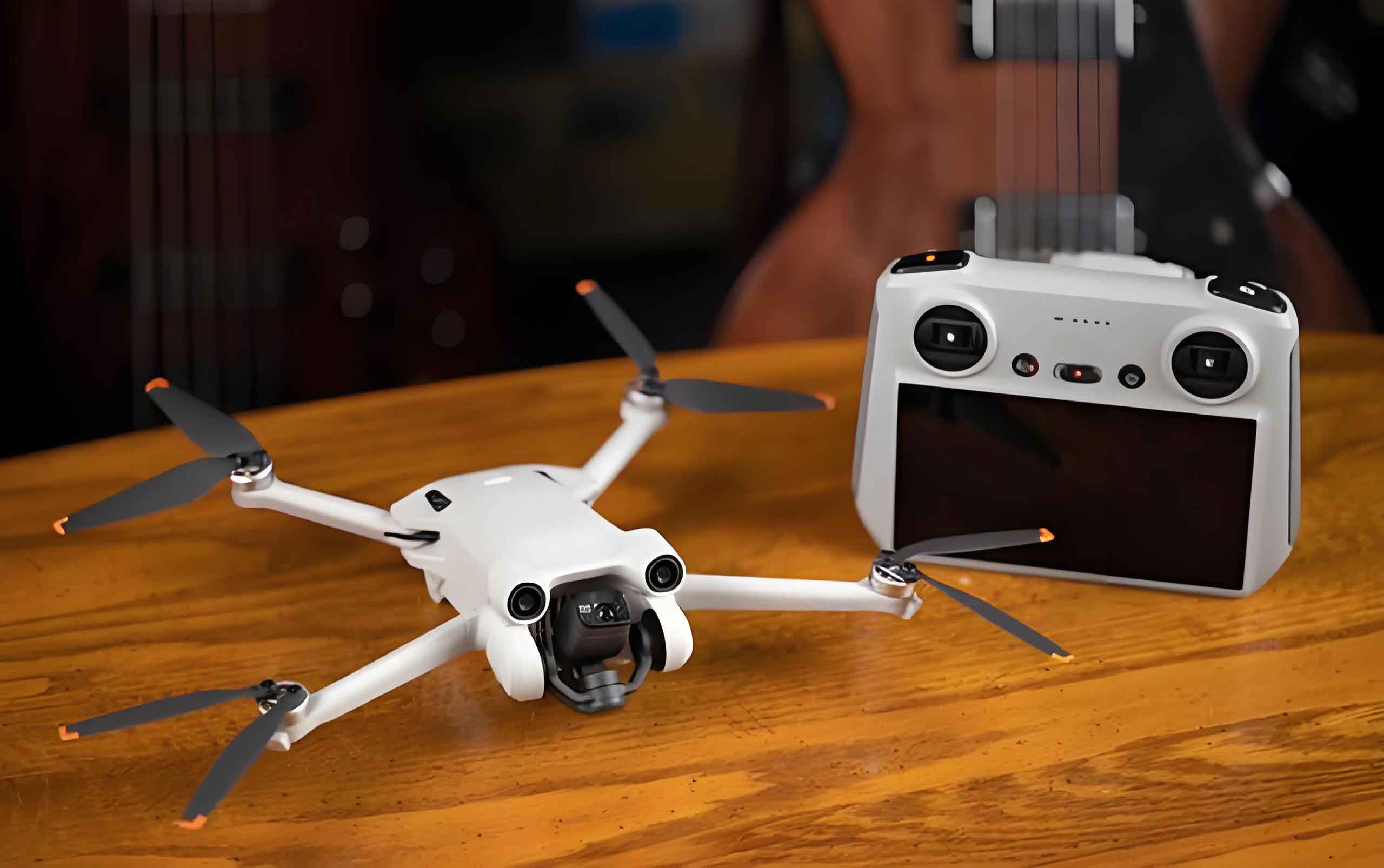
In the realm of unmanned intelligent systems, China has positioned itself at the forefront, with numerous indigenous developments showcased at international events like the 2024 Zhuhai Airshow. Among these, the “Tiger Whale” unmanned surface vessel stands out, boasting a full-load displacement of approximately 500 tons and equipped with a vertical launch system. This China UAV-related platform can reach speeds of up to 42 knots and has a range of 4,000 nautical miles, integrated with advanced AI for real-time data analysis and mission planning. It can operate independently or in swarms, coordinating with other vessels to form distributed networks that redefine naval warfare. Additionally, China drone innovations include the “Machine Wolf” squad, a group of intelligent quadruped robots designed for complex terrain operations, supporting infantry with reconnaissance, precision strikes, and logistics. These systems exemplify how China UAV and China drone technologies are being leveraged to enhance battlefield flexibility and effectiveness.
Further advancing unmanned capabilities, China has developed swarm drone systems that operate with minimal human intervention, utilizing artificial intelligence to adapt dynamically to changing conditions. For instance, the “Jiutian” drone serves as a mothership for releasing smaller drone swarms, enabling multi-role missions such as airlift, information warfare, and fire support. This China UAV platform highlights the trend toward decentralized operations, where individual units communicate and share data, creating resilient networks that are difficult to counter. The proliferation of such China drone systems underscores a strategic emphasis on autonomy and collaboration, potentially reducing human risk while increasing operational tempo. As these technologies mature, they are expected to play a pivotal role in future conflicts, with China UAV and China drone exports likely influencing global military balances.
- The “Tiger Whale” unmanned surface vessel represents a leap in China UAV and China drone integration, capable of deploying aerial and underwater drones for cross-domain missions.
- Swarm drones from China, such as those displayed at Zhuhai, demonstrate advanced AI for autonomous decision-making, enhancing their utility in electronic warfare and precision strikes.
- Quadruped robots like the “Machine Wolf” illustrate the expansion of China drone applications into ground operations, providing scalable solutions for urban and rugged environments.
Overall, the integration of China UAV and China drone systems into military doctrine reflects a broader shift toward intelligentized warfare, where data fusion and machine learning drive combat effectiveness. The upcoming parade is anticipated to feature these innovations, signaling China’s commitment to maintaining a technological edge. As Zhang Junshe highlighted, the adaptability of unmanned systems allows for distributed operations that challenge traditional centralized models, potentially altering the calculus of future engagements. With ongoing investments in research and development, China UAV and China drone platforms are set to become cornerstones of the PLA’s operational strategy, emphasizing sustainability and innovation in an era of rapid technological change.
Underwater Warfare
Underwater warfare has evolved significantly with the advent of unmanned systems, transforming from a domain dominated by manned submarines and surface ships to one increasingly reliant on autonomous platforms. Traditional methods involved submarines, anti-submarine aircraft, and surface vessels conducting (reconnaissance-attack-defense) operations, but the integration of unmanned underwater vehicles (UUVs), unmanned surface vessels (USVs), and drones has accelerated operational deployment. For example, the United States has adapted the MQ-9B “Sea Guardian” drone for anti-submarine roles, equipping it with sonobuoy systems to extend surveillance capabilities beyond conventional platforms. Similarly, countries like the United Kingdom have introduced large UUVs such as the “Excalibur,” measuring 12 meters in length, while the U.S. has deployed the “Orca” extra-large UUV for missions ranging from mine-laying to reconnaissance. These developments highlight a global push toward networked underwater operations, where multiple unmanned systems collaborate to enhance situational awareness and strike precision.
China has made substantial strides in underwater warfare technologies, with several indigenous systems entering service. The HSU-001 unmanned underwater vehicle, publicly displayed in the 2019 National Day parade, is believed to be a large UUV approximately 5 meters long and weighing around 3 tons, likely used for reconnaissance and attack roles. Western intelligence suggests that China is developing even larger UUVs, potentially exceeding the size of the American “Orca,” with designs that minimize acoustic signatures to evade detection. Notably, the CSSC-705 attack UUV, unveiled at the 2023 Abu Dhabi International Maritime Defence Exhibition, is regarded as the world’s first torpedo-carrying unmanned submarine, featuring all-electric propulsion, a 30-meter length, and the ability to operate at depths of 300 meters for up to 100 hours. This China UAV-related underwater platform can launch 324mm or 533mm guided torpedoes, providing anti-submarine and anti-ship capabilities that enhance China’s maritime defense posture.
In aerial anti-submarine warfare, China has introduced multiple platforms, including modified Yun-8 transport aircraft and specialized drones like the “Wing Loong-2” anti-submarine variant. This China UAV is equipped with panoramic sea-scanning radar, electro-optical/infrared sensors, and sonobuoy pods, all designed for harsh maritime conditions. The larger “Wing Loong-X” offers extended endurance and can carry anti-submarine torpedoes, enabling end-to-end missions from detection to engagement. Similarly, the “Rainbow-5” marine variant and “Rainbow-9” large drone provide persistent surveillance and tracking of underwater targets, leveraging long flight times and advanced sensors. These China drone systems underscore a holistic approach to underwater domain awareness, integrating air and sea assets to counter potential threats.
- China’s HSU-001 UUV exemplifies advancements in unmanned underwater systems, contributing to enhanced reconnaissance and strike capabilities in contested waters.
- The CSSC-705 attack UUV, as a China UAV-derived platform, offers a new dimension in underwater combat, with its torpedo armament challenging traditional submarine roles.
- Aerial anti-submarine drones like the Wing Loong series demonstrate how China UAV and China drone technologies are being adapted for maritime security, filling gaps in persistent surveillance.
The future of underwater warfare lies in interconnected networks that overcome communication challenges, enabling coordinated operations across multiple domains. China’s investments in UUVs and related systems position it to leverage these trends, potentially using conventional submarines as command hubs for unmanned swarms. This approach could expand detection ranges to hundreds of thousands of square kilometers, significantly improving anti-submarine warfare effectiveness. As these technologies mature, the PLA’s ability to conduct integrated underwater operations will likely strengthen, with China UAV and China drone innovations playing a central role in maintaining undersea superiority.
Cyber and Electronic Warfare
Cyber and electronic warfare, often referred to as the fifth dimension of combat alongside land, sea, air, and space, have become critical components of modern military operations. These domains encompass network attacks and electronic interventions that can disrupt command systems, disable infrastructure, and gain informational superiority. The 2010 Stuxnet virus attack on Iran’s nuclear facilities demonstrated how cyber operations could translate into physical damage, highlighting the real-world implications of network warfare. Nations like the United States have intensified their capabilities, with the U.S. Cyber Command reporting over 85 “hunt forward” operations in 2024 alone, targeting numerous networks globally. Similarly, electronic warfare has proven decisive in conflicts such as the 1991 Gulf War, where U.S. EA-6B aircraft jammed Iraqi radars and communications, paving the way for successful airstrikes. Today, systems like the EA-18G “Growler” and F-35’s integrated electronic warfare suites exemplify ongoing advancements in this field.
In recent conflicts, electronic warfare has played a prominent role, as seen in the war in Ukraine, where both sides employ specialized units to neutralize drones and communications. Russian systems like the “Zhitel” portable jammer can disrupt signals within a 10-kilometer radius, while the “Shibovnik” aviation system counters radio-controlled drones at similar ranges. Experts note that such electronic warfare tools can negate advanced weapons, as observed with the potential degradation of systems like HIMARS, illustrating an asymmetric advantage for less technologically equipped forces. This underscores the importance of cyber and electronic capabilities in leveling the battlefield, where relatively inexpensive jammers can offset costly platforms.
China has developed robust cyber and electronic warfare capacities, with the PLA integrating these elements into its overall combat strategy. During the 2019 National Day parade, information operations units showcased signal detection and data interference vehicles equipped with various antennas and radars, capable of independent missions or supporting joint operations. Communication jammers, spectrum monitoring vehicles, and satellite communication systems were also displayed, ensuring reliable command and control in demanding environments. Beyond ground assets, China’s air force has deployed the J-16D electronic warfare aircraft, and the navy has introduced the J-15D carrier-based variant, both capable of reconnaissance, jamming, and suppression missions, including the use of anti-radiation missiles to destroy enemy sensors. These platforms enhance the PLA’s ability to dominate the electromagnetic spectrum, facilitating operations in contested areas.
- China’s information support forces, established in 2024, will make their debut in the upcoming parade, highlighting the growing emphasis on cyber and electronic domains.
- Electronic warfare aircraft like the J-16D and J-15D represent China’s strides in integrating airborne jamming capabilities, potentially countering advanced adversary systems.
- Ground-based jammers and network operation vehicles demonstrate how China is preparing for complex electromagnetic environments, ensuring communication resilience during conflicts.
The integration of cyber and electronic warfare into combined arms operations allows for precise targeting and disruption of enemy networks. For instance, in past engagements like the India-Pakistan air conflict, electronic warfare assets were used to sever communication links before launching strikes, underscoring their tactical value. As China continues to refine these capabilities, the PLA is poised to leverage cyber and electronic means to achieve information dominance, with the upcoming parade serving as a testament to its progress in these critical domains.
Hypersonic Technologies
Hypersonic weapons have redefined modern strike capabilities, with speeds exceeding Mach 5 posing significant challenges to existing air defense and missile defense systems. Unlike traditional ballistic missiles, which follow predictable parabolic trajectories, hypersonic weapons operate primarily within the atmosphere, allowing for maneuverability and low-altitude flight that complicates detection and interception. Currently, two main technological paths exist: hypersonic cruise missiles, such as Russia’s “Zircon,” which use air-breathing engines, and hypersonic glide vehicles, including boost-glide systems and wave-rider designs. These weapons have been employed in recent conflicts, with Russia’s “Kinzhal” air-launched hypersonic missile used against Ukrainian targets and Iran’s “Fattah” series targeting U.S. and Israeli assets, demonstrating their ability to penetrate advanced defenses.
The advantages of hypersonic weapons lie in their stealth and unpredictability. Their atmospheric flight paths avoid the high-altitude phases of ballistic missiles, making them harder to track on radar, and their ability to perform sharp maneuvers renders interception calculations nearly impossible. This has prompted global powers to invest heavily in hypersonic research, with the United States developing systems like the “Dark Eagle” and Japan planning to deploy its own hypersonic missiles by 2026. Russia has already fielded multiple variants, including the “Kinzhal,” “Avangard,” and “Zircon,” boasting speeds up to Mach 20, while the U.S. is pursuing both boost-glide and air-breathing designs to catch up in the hypersonic race.
China has achieved notable advancements in hypersonic technologies, with the DF-17 hypersonic missile publicly revealed in the 2019 parade. This system features all-weather, non-dependent deployment capabilities and strong penetration abilities, with Western estimates suggesting a range exceeding 1,800 kilometers for precise strikes against medium- and short-range targets. The U.S. Department of Defense, in its 2024 report on Chinese military power, indicated that newer systems like the DF-27 may already be in service, potentially equipped with hypersonic warheads for conventional, anti-ship, or nuclear roles and ranges between 5,000 to 8,000 kilometers. These developments position China as a leader in hypersonic arms, with ongoing innovations likely to enhance its strategic deterrent and strike options.
- The DF-17 hypersonic missile exemplifies China’s progress in boost-glide technology, offering a reliable means to overcome regional missile defenses.
- Potential systems like the DF-27 could extend China’s hypersonic reach to intercontinental distances, aligning with great-power competition dynamics.
- China’s focus on hypersonic research underscores its commitment to maintaining a technological edge, with applications spanning land, sea, and air domains.
As hypersonic weapons become more prevalent, they are expected to reshape military doctrines, emphasizing preemptive strikes and defense evasion. China’s investments in this area reflect a strategic vision to counterbalance adversaries’ anti-access capabilities, ensuring the PLA can project power in contested environments. The upcoming parade will likely showcase these hypersonic systems, highlighting China’s role in defining the future of high-speed warfare and its implications for global security architectures.
In conclusion, the September 3 Victory Day parade will serve as a comprehensive display of China’s military modernization, focusing on new-domain forces that are critical to future combat. From unmanned intelligent systems and underwater warfare to cyber and electronic operations and hypersonic technologies, the event will highlight the PLA’s adaptation to technological trends and its emphasis on indigenous innovation. The repeated integration of China UAV and China drone systems across these domains underscores their centrality to contemporary strategy, offering insights into how China aims to secure its interests in an increasingly complex global landscape. As these capabilities evolve, they will undoubtedly influence international military balances, making this parade a significant moment for observers worldwide.