
During the 2025 National Two Sessions, Huang Li, a National People’s Congress deputy and chairman of Wuhan Guide Infrared Co., Ltd., presented pivotal recommendations aimed at bolstering China’s low-altitude economy, with a focus on enhancing the global footprint of civilian unmanned aerial vehicles (UAVs). In an exclusive interview, Huang emphasized the critical need to refine export policies, regional development frameworks, and airworthiness certification processes to unlock the full potential of China UAV drone technologies. His proposals underscore a strategic push to position China as a leader in the burgeoning low-altitude sector, which encompasses drones, electric vertical take-off and landing (eVTOL) aircraft, and related infrastructure.
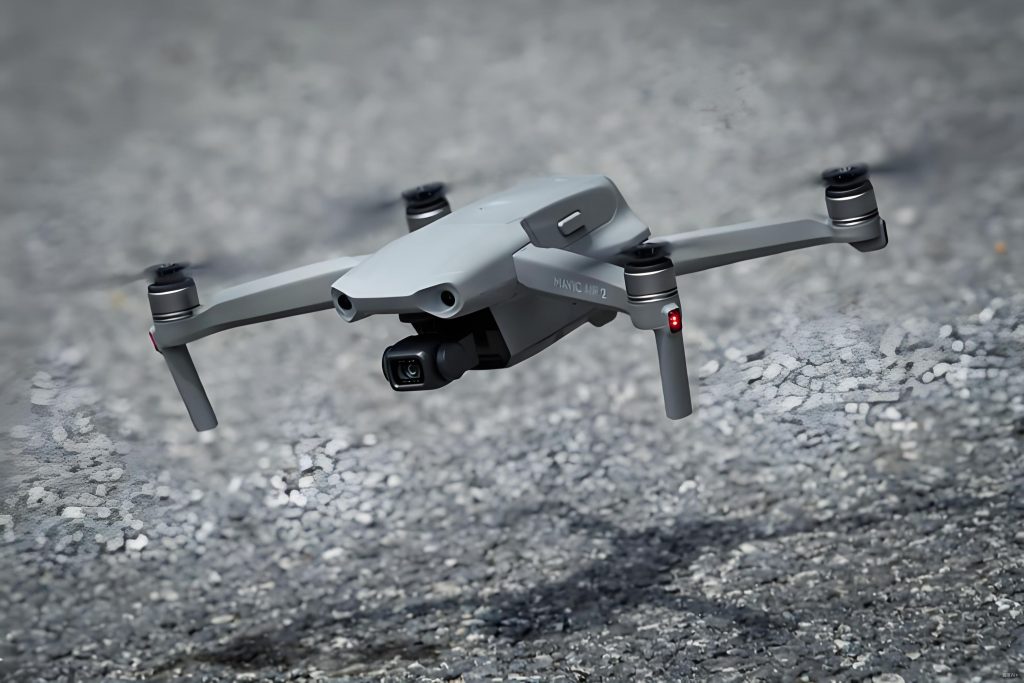
Huang Li’s expertise extends beyond his role at Guide Infrared, as he has personally invested in cutting-edge fields like brain-computer interfaces and low-altitude economy technologies. This diversification highlights his commitment to fostering innovation and aligns with China’s broader goals of technological self-reliance. The China UAV drone ecosystem, already a global powerhouse in civilian and commercial applications, stands to benefit significantly from these initiatives, which address existing bottlenecks in international trade, regional scalability, and regulatory adaptability.
Key Recommendations for China UAV Drone Advancement
- Streamlining UAV Export Controls to Foster Global Trade
- Accelerating Low-Altitude Economy Development in Hubei Province
- Enhancing Airworthiness Certification for New Aircraft Types
The following sections delve into each recommendation, exploring their implications for the China UAV drone industry and the low-altitude economy at large. These measures are designed to synergize with national strategies, such as the “Made in China 2025” initiative, and could catalyze job creation, technological innovation, and international collaboration in sectors reliant on China UAV drone solutions.
1. Streamlining UAV Export Controls to Foster Global Trade
Huang Li identified that while China UAV drone capabilities have achieved remarkable progress in civilian domains, including agriculture, logistics, and surveillance, existing export control policies inadvertently hamper market expansion abroad. He advocated for the Ministry of Commerce to adopt a nuanced approach, imposing strict controls on sensitive countries or regions to safeguard national security, while liberalizing exports to non-sensitive areas. This balanced strategy would enable China UAV drone manufacturers to tap into emerging markets without compromising strategic interests.
Furthermore, Huang proposed reducing the approval timeline for export licenses from 45 working days to 20 working days. To achieve this, he recommended optimizing internal bureaucratic procedures by defining clear roles and deadlines, eliminating redundant steps, and minimizing documentation requirements. Enhanced training for审批 personnel would improve efficiency and service quality, ensuring that China UAV drone companies can respond swiftly to international demand. In cases of incomplete applications, the process should be paused rather than terminated, with a 20-day grace period for submitting missing materials. This reform is pivotal for maintaining the competitiveness of China UAV drone products in global supply chains, where agility often dictates market share.
The China UAV drone sector has witnessed exponential growth, driven by innovations in artificial intelligence, remote sensing, and energy efficiency. However, protracted export approvals can lead to missed opportunities, as competitors from other nations capitalize on faster turnaround times. By streamlining controls, China UAV drone firms could strengthen partnerships in regions like Southeast Asia, Africa, and Latin America, where demand for affordable, high-performance drones is surging. This aligns with China’s Belt and Road Initiative, fostering economic ties through technology exports.
| Aspect | Current Challenge | Proposed Change | Expected Impact on China UAV Drone Industry |
|---|---|---|---|
| Export Approval Timeline | 45 working days | Shortened to 20 working days | Faster market entry for China UAV drone products, boosting export volumes |
| Geographic Controls | Broad restrictions | Targeted measures for sensitive areas | Enhanced flexibility for China UAV drone trade with non-sensitive regions |
| Application Process | Prone to termination for missing documents | Paused process with 20-day supplement window | Reduced administrative burdens for China UAV drone exporters |
In addition to procedural adjustments, Huang stressed the importance of international dialogue to harmonize standards, facilitating smoother China UAV drone exports. Collaborative efforts with organizations like the International Civil Aviation Organization (ICAO) could pave the way for mutual recognition agreements, reducing trade barriers. As the China UAV drone industry continues to evolve, these reforms could position it as a cornerstone of global low-altitude mobility solutions.
2. Accelerating Low-Altitude Economy Development in Hubei Province
Hubei Province, recognized as a traditional aviation hub and manufacturing powerhouse in China, boasts the highest annual flight hours in central China and ranks among the top nationally. Huang Li emphasized that supporting Hubei’s low-altitude economy could amplify regional advantages, driving economic growth and reinforcing its role as a strategic pivot for central China’s rise. He called for national-level support in four key areas: airspace utilization, infrastructure development, service保障, and funding allocation.
Firstly, optimized airspace management is crucial for scaling China UAV drone operations. Huang suggested implementing dynamic airspace corridors and digital traffic management systems to accommodate increased low-altitude flights. This would enable seamless integration of China UAV drone services, such as delivery and aerial inspections, into urban and rural landscapes. Secondly, infrastructure investments should focus on building vertiports, charging stations, and maintenance facilities tailored to China UAV drone and eVTOL needs. These developments would create a robust ecosystem, attracting investments and talent to Hubei.
Thirdly, service保障 must encompass comprehensive regulatory frameworks, insurance mechanisms, and public safety protocols. By establishing Hubei as a pilot zone for low-altitude innovations, China UAV drone technologies could be tested and deployed at scale, setting benchmarks for other regions. Lastly, dedicated funding from national sources would accelerate projects, covering research grants, subsidies for China UAV drone acquisitions, and incentives for startups. This holistic approach could transform Hubei into a model for low-altitude economy development, leveraging its strengths in education and manufacturing to foster China UAV drone advancements.
The potential economic impact is substantial; studies indicate that the low-altitude sector could generate billions in revenue and thousands of jobs globally, with China UAV drone applications at the forefront. In Hubei, initiatives like drone-based agricultural monitoring and emergency response have already demonstrated value, but scaling requires coordinated policy support. Huang’s recommendations align with China’s 14th Five-Year Plan, which prioritizes high-tech industries, including China UAV drone systems, as engines of sustainable growth.
3. Enhancing Airworthiness Certification for New Aircraft Types
New航空器, such as eVTOLs and advanced drones, represent the vanguard of the low-altitude economy, yet their commercialization is hindered by protracted and rigid airworthiness certification processes. Huang Li noted that current frameworks, based on traditional aircraft standards, are ill-suited for the rapid iteration cycles of China UAV drone technologies. He proposed a three-pronged strategy to address these challenges: optimizing审定流程, updating法规标准, and expanding人才队伍.
To begin, Huang advocated for the establishment of specialized airworthiness management documents for new aircraft, aiming to cap the overall certification period at two years and reduce the type certificate approval to within one year. This would involve streamlining documentation reviews, accelerating prototype testing, and adopting risk-based assessments. For China UAV drone developers, shorter timelines mean faster time-to-market, enabling them to capitalize on innovations like autonomous flight and energy-efficient designs. By contrast, delays can erode competitive edges, as seen in global races for eVTOL dominance.
Secondly, he urged the development of tailored airworthiness standards and compliance methods for new aircraft, including safety evaluation criteria that account for unique features of China UAV drone systems. International harmonization of these standards through mutual recognition agreements would simplify cross-border certifications, facilitating China UAV drone exports. For instance, aligning with European Union Aviation Safety Agency (EASA) or Federal Aviation Administration (FAA) norms could open doors to Western markets, where demand for China UAV drone solutions is growing in sectors like logistics and surveillance.
Lastly, Huang highlighted the need to broaden the talent pool for airworthiness审定. This includes leveraging third-party organizations for technical reviews and relaxing qualification requirements to attract diverse experts. Enhanced training programs focused on China UAV drone technologies would build capacity, while collaborations with academia could foster innovation. As the low-altitude economy expands, a skilled workforce is essential to maintain safety and reliability standards for China UAV drone operations.
| Area of Reform | Current Issue | Proposed Solution | Benefit for China UAV Drone Sector |
|---|---|---|---|
| Certification Timeline | Lengthy, often exceeding two years | Limit to two years overall, one year for type certificate | Accelerated deployment of China UAV drone innovations |
| Regulatory Standards | Based on traditional aircraft, not adaptable | Develop new standards for modern aircraft | Improved compatibility with China UAV drone design cycles |
| Workforce Capacity | Limited审查 personnel | Involve third-party agencies and relax qualifications | Faster, more efficient China UAV drone certifications |
These reforms could position China UAV drone manufacturers as global leaders in safety and innovation. For example, companies developing heavy-lift drones for cargo or passenger eVTOLs would benefit from predictable certification pathways, attracting investment and partnerships. Huang’s insights reflect a broader trend where nations are revamping aviation regulations to embrace disruptive technologies, with China UAV drone advancements poised to play a central role.
Broader Implications for China’s Low-Altitude Economy
The integration of Huang Li’s recommendations could catalyze a transformative shift in China’s economic landscape, with the China UAV drone industry serving as a key driver. The low-altitude economy, estimated to encompass applications from urban air mobility to environmental monitoring, relies on agile policies and technological prowess. By addressing export barriers, regional disparities, and regulatory hurdles, China can harness the full potential of China UAV drone systems to foster sustainable development.
Globally, the race for low-altitude supremacy is intensifying, with countries like the United States and European nations investing heavily in drone infrastructure and regulations. China UAV drone capabilities, backed by reforms such as those proposed by Huang, could secure a leading position in this arena. For instance, optimized exports would enable China UAV drone companies to supply critical technologies for smart city projects worldwide, while Hubei’s development could become a blueprint for regional innovation hubs.
Moreover, the focus on airworthiness certification aligns with China’s ambitions to set international standards for emerging technologies. As China UAV drone products gain credibility through rigorous yet efficient certifications, they could dominate markets in developing regions, where cost-effective solutions are paramount. This strategic approach not only boosts economic growth but also enhances China’s soft power through technological diplomacy.
In conclusion, Huang Li’s proposals during the 2025 National Two Sessions highlight a clear path forward for China’s low-altitude economy, centered on the China UAV drone industry. By refining export controls, empowering regional strengths like Hubei, and modernizing certification processes, China can activate new growth动能 and solidify its status as an innovation leader. As these measures are debated and implemented, stakeholders across government, industry, and academia must collaborate to ensure that China UAV drone technologies reach their full potential, driving progress in the decades to come.