
The 2025 Commercial Expo served as a vibrant showcase for the burgeoning low-altitude economy in China’s Xinjiang region, highlighting a wide spectrum of unmanned aerial vehicles (UAVs) and their transformative applications. From compact drones weighing a mere 980 grams to massive fixed-wing aircraft with takeoff weights exceeding 5 tons, the event illustrated the dynamic growth and potential of this sector. Low-altinity economy, defined as economic activities within airspace up to 1000 meters above ground, utilizing various manned and unmanned aircraft, is rapidly evolving into a key growth driver, integrating sectors like logistics, agriculture, tourism, and emergency services. With its vast territory and abundant airspace resources, Xinjiang is emerging as a pivotal hub for China UAV and China drone development, attracting leading enterprises and fostering innovation.
- Exhibition Hall Transforms into Sky City: A Glimpse into China UAV DiversityThe expo’s modern logistics and low-altitude economy pavilion featured an impressive lineup of China drone models, demonstrating their versatility across multiple domains. One standout was the Hongyan (HY100) large fixed-wing China UAV, manufactured by Xinjiang Tianyu Hangtong Technology Co., Ltd. This aircraft, with a maximum takeoff weight of over 5 tons and a payload capacity of 1.9 tons, boasts an endurance of up to 10 hours and 30 minutes, covering distances of 1800 kilometers. Its dual-wing design, spanning 18 meters, enables short takeoffs and landings within 150 meters and stable flight at altitudes as low as 4-6 meters. As the first large China UAV to obtain full certification from the Civil Aviation Administration of China, including type certificate, production certificate, airworthiness certificate, and operation certificate, the Hongyan (HY100) has commenced mass production in Xinjiang, marking a significant milestone for the China drone industry. It is already deployed in areas such as agricultural plant protection, logistics transport, and emergency response, particularly enhancing efficiency in winter when road conditions hinder traditional transport.
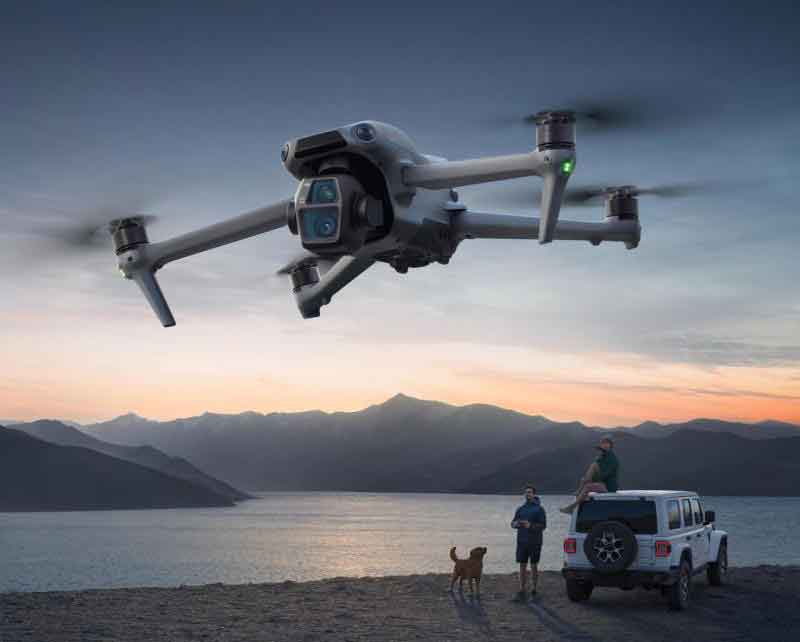
Another highlight was the display by Xinjiang Beiying General Aviation Technology Co., Ltd., which presented over 20 types of China UAVs. Among them, a micro China drone weighing only 980 grams captured attention; despite its small size, it is equipped with high-definition cameras and has been instrumental in surveying the Tianshan Mountains around Urumqi. The company also featured the “Double-tailed Scorpion” pure electric China drone, which offers 2-3 hours of endurance on a single charge, addressing challenges related to fuel storage and transportation for low-altitude operations. Additionally, Xinjiang Yaxin General Aviation Co., Ltd. introduced fixed-wing aircraft that run on standard 95-octane gasoline, allowing expo visitors to experience cockpit simulations and fostering public engagement with low-altinity aviation. These innovations align with China’s broader strategy, as outlined in the “General Aviation Equipment Innovation Application Implementation Plan (2024-2030)” jointly issued by ministries including Industry and Information Technology and Science and Technology, which aims to expand new general aviation consumption models, such as low-altitude tourism, across Xinjiang and beyond.
- Enterprises Accelerate layout in the Low-Altitude Blue Ocean: China Drone Initiatives Take Center StageCapitalizing on the opportunities in low-altitude economy, numerous companies are rapidly deploying China UAV solutions to secure a foothold in this promising sector. Xinjiang Kailan Intelligent Technology Co., Ltd., for instance, has been assembling vertical takeoff and landing fixed-wing China drones designed for long-endurance missions. These China UAVs can operate for 2 to 4 hours per sortie, covering radii of 150 to 300 kilometers, making them ideal for inspecting highways, oil pipelines, and forest fire prevention. Similarly, logistics giants are integrating China drone technology into their operations. YTO Express, participating in the expo for the first time, showcased its cross-border supply chain integration and expressed interest in exploring “UAV + unmanned vehicle”collaborate for smart logistics in Urumqi, a key hub in its international network.
SF Express displayed a streamlined China drone resembling a manta ray, currently used in teaching and research at Xinjiang Communications Vocational and Technical University. This initiative focuses on talent development and technological innovation to advance aerial logistics. The synergy between China UAV production and existing industries is also notable; components like batteries and engines could leverage local automotive supply chains, with companies such as GAC, Shaanxi Auto, Dongfeng, and Xinjiang Bus, along with mature auto markets, potentially supporting localized production of core parts for low-altitude aircraft. This industrial collaboration is expected to reduce costs and enhance the competitiveness of China drone manufacturing in the region.
- Policy and Research Bolster Low-Altitude Development: Strengthening the China UAV EcosystemSupport from government policies and research institutions is playing a crucial role in propelling Xinjiang’s low-altitude economy forward. In June 2025, the establishment of Xinjiang’s first Low-Altitude (Feigu) Economy Industrial Innovation Demonstration Base in the Economic and Technological Development Zone (Toutunhe District) focuses on overcoming safety bottlenecks in low-altitude flight, addressing potential hazards and fostering a secure environment for China UAV operations. This base aims to drive innovation and set standards for the industry, reinforcing Xinjiang’s position as a leader in low-altitude economic activities. The broader national framework, including the emphasis on low-altitude economy in China’s government work reports since 2024, underscores the strategic importance of this sector, encouraging local initiatives and investments in China drone technologies.
Research and development efforts are also intensifying, with companies like Beiqing General Aviation Technology (Urumqi) Co., Ltd., which launched a UAV industrial park project in 2022. Earlier in 2025, the company successfully tested UAV food delivery in Urumqi, completing the city’s first experimental drone-based takeaway delivery. Such pilots demonstrate the practical applications of China UAVs in urban logistics and daily life, paving the way for broader adoption. The collaborative approach between enterprises, academia, and government is essential for building a robust low-altitude economy, with Xinjiang poised to become a national demonstration zone for China drone innovation.
- Collaborative Innovation and Future Prospects: Xinjiang as a Hub for China Drone AdvancementThe expo also highlighted the collaborative spirit among enterprises aiming to expand China UAV applications in Xinjiang. For example, Zhongchuang Aviation Technology (Zhejiang) Co., Ltd., a vice president unit of the Xinjiang UAV Industry Association, exhibited its ZC500 and ZC300 unmanned helicopters, which are suitable for logistics, agricultural spraying, and emergency rescue scenarios in the region. The company regards Xinjiang as a “golden track” for low-altitude economy and plans to deepen its market presence through partnerships with local entities in product development, production, sales, and maintenance. This strategy includes establishing a low-altitude economic industrial system that serves Xinjiang and radiates across Asia and Europe, leveraging the region’s geographic advantages.
Looking ahead, the integration of China UAV technology into various sectors is expected to accelerate. From intelligent agriculture and power line inspections to low-altitude tourism and artificial precipitation enhancement, the applications are diverse and expanding. Companies like North Eagle General Aviation are continuously innovating, with their micro China drones already proving effective in topographic mapping and environmental monitoring. As more players enter the field, the ecosystem for China drone manufacturing, maintenance, and operation will mature, supported by local supply chains and talent development programs. The ongoing efforts in policy optimization, route planning, and application diversification position Xinjiang at the forefront of China’s low-altitude economy, with the potential to drive economic growth and technological leadership in the years to come.
In summary, the 2025 Commercial Expo in Xinjiang not only displayed the cutting-edge capabilities of China UAV and China drone technologies but also underscored the region’s strategic push into the low-altitude economy. With strong enterprise participation, policy backing, and collaborative innovation, Xinjiang is steadily advancing in this blue ocean, promising to shape the future of aerial mobility and economic development in China and beyond. The journey from expo displays to real-world applications illustrates a comprehensive, multi-layered development approach that harnesses the full potential of low-altitude airspace for sustainable growth.