
The low-altitude economy in China is rapidly evolving, moving beyond its traditional transport roles to embrace a wide array of practical applications. China UAV and China drone technologies are at the forefront of this transformation, enabling solutions that address real-world challenges in agriculture, logistics, tourism, and public services. Industry experts highlight that this shift from technical validation to actual deployment is driven by the growing integration of low-altitude systems with various industries, effectively solving pain points and meeting demands. The expansion of China UAV applications is not only enhancing efficiency but also creating new economic opportunities across the country.
- Continuous Implementation of Low-Altitude Application ScenariosIn Guangdong Province, specifically in Gaozhou City, Maoming, China UAV systems are being utilized to transport fresh lychees from orchards to logistics centers. The region, known for its high-quality lychees, has orchards scattered across islands surrounded by water. Traditionally, farmers had to row boats early in the morning to deliver their harvest, leading to high labor costs and significant fruit spoilage. Now, with China drone operations, lychees are transported via unmanned aerial vehicles that cover about 5 kilometers over water in just five minutes, carrying 50 jin per trip. This method allows for, preserving freshness and reducing loss rates, which has garnered strong interest from local farmers. Similarly, in Chongqing’s Banan District, JD Logistics has launched four regular China UAV routes from the Chongqing Asia No.1 Smart Industrial Park to local delivery stations. The longest route spans 16.8 kilometers, with each China drone capable of carrying up to 15 kilograms. These routes are primarily used for small, urgent, and high-value packages, cutting single-trip flight times to under 10 minutes and reducing overall transport duration by nearly 70%. In Beijing’s Yanqing District, a collaboration with Meituan has established the city’s first regular China UAV delivery route to the Badaling Great Wall, enabling food delivery services for tourists. Additionally, Yanqing is exploring “low-altitude + cultural tourism” integration, using China drone technology for inspections and performances at sites like the Beijing World Garden International Tourism Resort and Badaling Great Wall, which improved management efficiency and service quality. In 2024, aerial tours, skydiving, and flight experiences in Yanqing attracted 17,000 visitors, becoming a new hotspot for service consumption. These examples illustrate how China UAV and China drone applications are moving from small-scale demonstrations to large-scale use, transforming daily life and industrial operations.
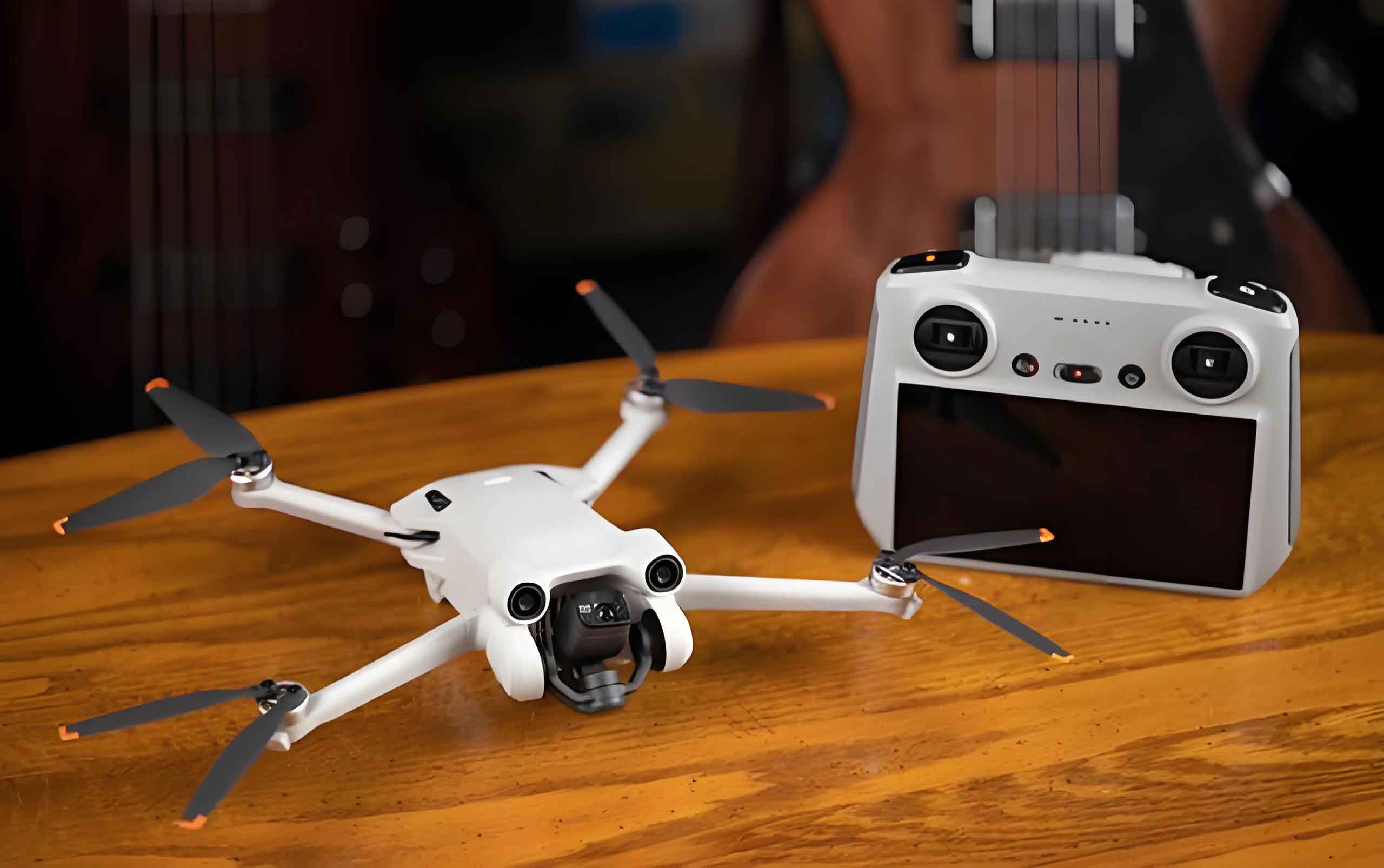
The proliferation of China UAV scenarios is not limited to logistics and tourism; it extends to agricultural protection and environmental monitoring. For instance, in various rural areas, China drone systems are deployed for crop spraying and pest control, significantly reducing the time and cost compared to manual methods. The ability of China UAV to access remote or difficult terrain makes them ideal for such tasks, ensuring comprehensive coverage and timely interventions. This widespread adoption underscores the versatility of China drone technology in addressing diverse challenges, from enhancing food security to boosting local economies. As more regions pilot similar initiatives, the low-altitude economy is set to become a cornerstone of modern infrastructure, with China UAV leading the charge in innovation and practicality.
- Deepening Exploration of User NeedsAccording to Fan Bangkui, an academician of the Chinese Academy of Engineering and vice chairman of the Chinese Institute of Electronics, the development of China UAV must be rooted in practical scenarios. He emphasizes that while drones can perform numerous tasks, truly understanding and addressing the nuances of each application is a complex and ongoing process. For example, in agricultural plant protection, China drone technology enables precise fertilization by using multispectral or hyperspectral sensors to collect data on crop nutrient levels, which is then analyzed with AI to determine the optimal amounts of nitrogen, phosphorus, and potassium. However, Fan points out that is challenging due to variables like local climate, weather conditions, and light intensity. To achieve effectiveness, extensive analysis is required to identify the best parameters for China UAV operations, such as flight angles, speeds, altitudes, and spraying rates. This necessitates standardized guidelines while allowing flexibility for specific contexts. Beyond existing applications, stakeholders are actively seeking new opportunities to rebuild industries through low-altitude technology. At the 2025 Low-Altitude Technology and Engineering Conference, Beijing Institute of Technology and the Chinese Institute of Electronics released a “Low-Altitude Technology Industry Innovation Scenario List,” which outlines 14 scenarios, including industrial low-altitude intelligent applications, low-altitude tourism, and snowfield emergency rescue. This list highlights the potential for deep integration of low-altitude economy with production, daily life, and public services. On June 7, Jiangsu Province’s Development and Reform Commission issued a public announcement soliciting low-altitude economy application scenarios, focusing on areas like urban and rural governance, emergency response, production operations, transportation, and cultural tourism. The call includes both capability lists from enterprises, institutions, and academia, and opportunity lists from government departments and large corporations, providing a platform for promoting China UAV cases and fostering new business models. Fan Bangkui further notes that China drone applications must and integrate with sectors such as urban management, emergency rescue, and geographic surveying to form a comprehensive low-altitude service network. This approach ensures that China UAV technology evolves to meet evolving user demands, driving sustainable growth in the low-altitude economy.
The emphasis on user-centric development is crucial for the long-term success of China UAV initiatives. By conducting thorough needs assessments and pilot studies, companies and governments can tailor China drone solutions to specific challenges, such as reducing operational costs or improving response times in emergencies. For instance, in disaster management, China UAV systems are being tested for rapid assessment and delivery of supplies, which could save lives in isolated areas. Similarly, in urban planning, China drone technology aids in infrastructure inspection and traffic monitoring, enhancing public safety. These efforts demonstrate a commitment to not only expanding the scope of China UAV applications but also ensuring they deliver tangible benefits. As the low-altitude economy matures, continuous feedback loops and adaptive strategies will be essential to refine China drone deployments, making them more efficient and user-friendly across various domains.
- Continuous Improvement of Low-Altitude EcosystemAs China UAV and China drone applications diversify, the supporting ecosystem—encompassing aircraft research and development, flight operations, and infrastructure—is also advancing, providing a solid foundation for sustained growth. Industry consensus holds that low-altitude infrastructure, particularly represented by low-altitude intelligent networks, is essential for safety and long-term development. Xiang Jinwu, an academician of the Chinese Academy of Engineering and professor at Beihang University, advocates for intensified efforts in building, which includes constructing “sky roads,” “sky networks,” and “sky vehicles” to support low-altitude activities. He stresses the importance of coordinated across different regions and departments to avoid inefficiencies, noting that low-altitude flight involves multiple authorities such as airspace management and quality supervision, requiring unified standards for seamless connectivity. In terms of ground support, Weihai Guangtai has developed solutions inspired by civil aviation processes to address safety concerns during China UAV takeoff and landing, which account for 60-80% of drone system incidents. Their approach involves intelligent,集约化, and digital ground systems, with equipment designed for small UAVs and eVTOLs (electric vertical take-off and landing aircraft). At the 2025 Low-Altitude Economy Ecological Scenario Conference, Shengxiang Aviation unveiled its Shengxiang Mobile Airport 2.0 product and the “Hundred Cities, Thousand Pads” initiative. The mobile airport features a vehicle-mounted, movable design that overcomes the limitations of fixed pads, supporting eVTOL aircraft under 6.5 tons. Wang Qiuli, dean of the Zhejiang Shengxiang Collaborative Innovation Development Research Institute, stated that this innovation will enable rapid deployment of low-altitude infrastructure networks, safeguarding the ascent of China’s low-altitude economy. These developments highlight the critical role of infrastructure in enabling scalable and safe China UAV operations, from advanced navigation systems to adaptable landing sites. The ongoing enhancements in the low-altitude ecosystem are not only facilitating current applications but also paving the way for future innovations, such as urban air mobility and automated logistics, where China drone technology can play a pivotal role in shaping smart cities and efficient transportation networks.
The integration of advanced technologies like AI and IoT into China UAV systems is further strengthening the low-altitude ecosystem. For example, real-time data processing and communication networks allow for dynamic routing and collision avoidance, enhancing the reliability of China drone operations in crowded airspace. Additionally, partnerships between tech firms and aviation authorities are fostering the development of standardized protocols for low-altitude traffic management, similar to ground transportation systems. This collaborative approach ensures that China UAV advancements are aligned with global best practices while addressing local needs. As infrastructure improves, the cost of China drone deployments is expected to decrease, making them more accessible to small businesses and rural communities. This democratization of technology could unlock new economic potentials, such as drone-based delivery services in remote areas or aerial surveys for environmental conservation. Ultimately, the continuous refinement of the low-altitude ecosystem will support the broader adoption of China UAV and China drone solutions, driving economic growth and societal benefits across China.
In summary, the low-altitude economy in China is undergoing a significant transformation, with China UAV and China drone technologies at its core. From transporting agricultural products to enhancing tourism and improving public services, these applications are demonstrating tangible benefits and solving real-world problems. The focus on deepening user needs and continuously improving the ecosystem ensures that China drone deployments are both practical and sustainable. As infrastructure and regulations evolve, the potential for low-altitude economy to integrate further into various sectors will expand, offering new opportunities for innovation and economic development. The ongoing efforts by industry leaders, government bodies, and research institutions highlight a collective commitment to harnessing the full potential of China UAV, positioning China as a global leader in the low-altacity aviation sector.