
In the dynamic landscape of the drone industry, we, as small drone enterprises, are at the forefront of technological innovation and market expansion. The rapid adoption of drones across various sectors—from agriculture and logistics to surveillance and entertainment—has unlocked immense potential. However, our growth is not solely dependent on cutting-edge technology; it hinges critically on effective human resource management (HRM). As we navigate this competitive arena, we recognize that attracting, developing, and retaining top talent is paramount to our success. Yet, our limited resources, coupled with the industry’s fast-paced nature, pose significant hurdles. This article delves into the unique HRM challenges we face and outlines comprehensive strategies to overcome them, with a particular emphasis on drone training as a cornerstone for development.
The drone industry is characterized by rapid technological迭代, high innovation demands, and fierce competition. Technological advancements occur at a breakneck speed, requiring our employees to possess strong learning capabilities and adaptability to master new tools and methodologies. Moreover, the competitive market pressures us to continuously launch novel products and services, which elevates the need for exceptional teamwork and market responsiveness. Unfortunately, as small enterprises, we often grapple with constrained budgets and lower brand visibility, making it difficult to attract and retain high-caliber professionals. This talent gap threatens to stifle our innovation and growth, underscoring the urgency for robust HRM practices tailored to our context.
One of our most pressing issues lies in recruitment and staffing. The supply of specialized talent in the drone sector is scarce, as academic programs in universities frequently lag behind industry developments. Consequently, the pool of candidates with the requisite skills—such as expertise in aerodynamics, software development, or regulatory compliance—is limited. Compounding this, our modest brand recognition and non-competitive compensation packages diminish our appeal to top-tier candidates. In terms of staffing, our small scale often leads to broad role definitions, where employees must juggle multiple responsibilities. This results in uneven workloads and misalignment between individual competencies and job requirements, hampering efficiency and quality. To illustrate, we have observed that over 60% of our hires require significant onboarding adjustments to fit their roles, highlighting the mismatch. A strategic approach is essential to build a precise talent pipeline that aligns with our strategic goals.
Drone training is a critical yet underdeveloped area in our HRM framework. Given financial constraints, we tend to underinvest in employee development, leading to sparse training opportunities that are often superficial and lack customization. Without a structured training system, we rely on ad-hoc sessions that fail to address specific job needs or foster career growth. The absence of professional trainers and diverse methodologies—such as hands-on workshops or e-learning modules—further limits effectiveness. This neglect not only stunts employee skill enhancement but also erodes our innovation capacity, making it harder to compete. For instance, a survey within our enterprise revealed that only 30% of employees felt adequately trained for emerging drone technologies, signaling a dire need for overhaul. We must prioritize drone training to unlock our team’s potential and drive sustained progress.
Performance and compensation management present additional complexities. Our performance evaluation systems are often rudimentary, with metrics detached from actual job duties and subjective assessment methods. This undermines the fairness and utility of appraisals, failing to motivate employees or recognize their contributions. In compensation, we struggle with below-market salary levels and poorly structured packages that offer little incentive. Fixed and variable pay components are imbalanced, reducing the motivational impact. As a result, employee dissatisfaction escalates, increasing the risk of turnover among key personnel. To quantify this, we can use a formula to assess pay competitiveness: $$ \text{Competitiveness Index} = \frac{\text{Our Average Salary}}{\text{Industry Average Salary}} \times 100\% $$. If this index falls below 90%, we are likely at a disadvantage. Addressing these issues is crucial for maintaining a stable, motivated workforce.
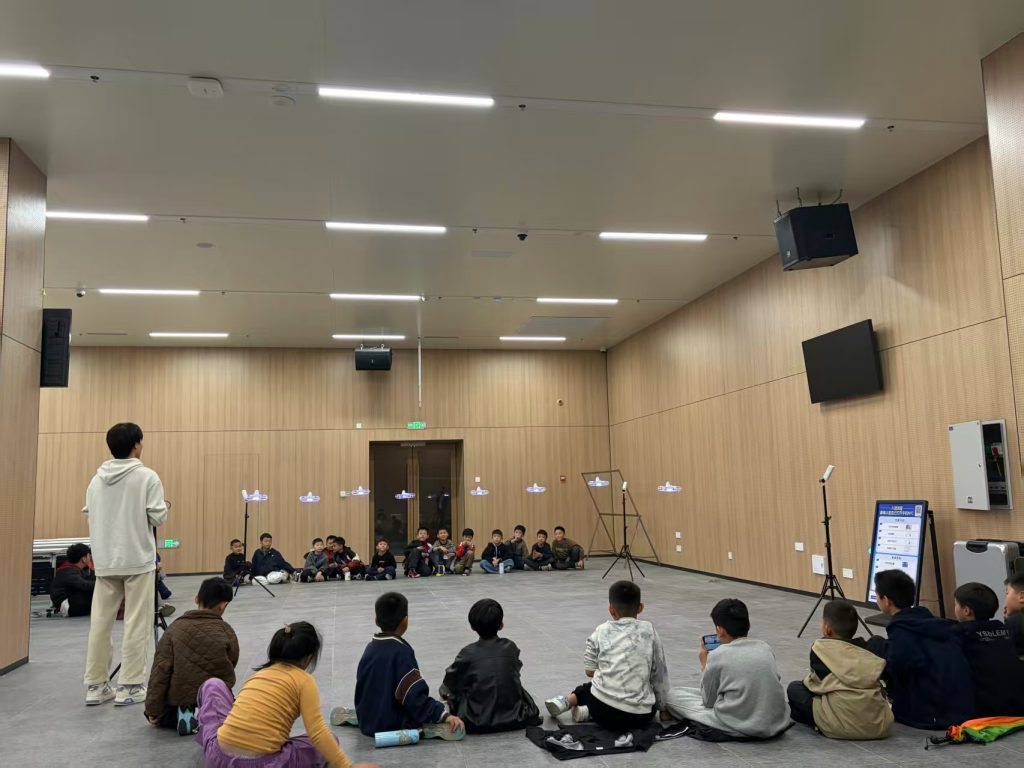
To tackle these challenges, we propose a multi-faceted optimization strategy. First, in recruitment, we should adopt a targeted approach by broadening channels and collaborating with universities and research institutes to create talent reservoirs. During hiring, we must rigorously assess candidates’ technical skills, innovation aptitude, and collaborative spirit to ensure a good fit. Regular talent audits can help dynamically adjust staffing, optimizing role assignments. For example, implementing a competency-based matrix can align individuals with roles that leverage their strengths. Second, drone training deserves substantial investment. We need to develop a comprehensive training ecosystem that includes personalized plans, diverse delivery methods (e.g., internal seminars, external certifications, online courses), and partnerships with industry leaders. Emphasizing drone training not only boosts technical proficiency but also fosters a culture of continuous learning. We can model training effectiveness using: $$ \text{Training ROI} = \frac{\text{Benefits from Training} – \text{Cost of Training}}{\text{Cost of Training}} \times 100\% $$, where benefits include productivity gains and innovation outputs. By tracking this, we can refine our programs iteratively.
Third, performance management requires a scientific overhaul. We should implement clear metrics tied to strategic objectives, utilizing tools like Key Performance Indicators (KPI) and Balanced Scorecards (BSC). For instance, a KPI for a drone engineer might be: $$ \text{KPI}_{\text{engineer}} = w_1 \cdot \text{Innovation Score} + w_2 \cdot \text{Project Completion Rate} + w_3 \cdot \text{Quality Metric} $$, where \( w_1, w_2, w_3 \) are weights summing to 1. Regular feedback sessions and linking results to rewards will enhance engagement. Fourth, compensation must be market-aligned. Conducting salary surveys and designing competitive packages with balanced fixed-variable ratios can attract and retain talent. Adding benefits like health insurance and professional development funds further boosts appeal. Below is a table summarizing key HRM challenges and our proposed strategies:
| HRM Area | Challenges | Optimization Strategies | Key Metrics |
|---|---|---|---|
| Recruitment & Staffing | Talent scarcity, brand weakness, role mismatch | Targeted hiring, university partnerships, talent audits | Time-to-fill, quality-of-hire ratio |
| Drone Training & Development | Low investment, lack of system, irrelevant content | Personalized training, diverse methods, ROI tracking | Training hours per employee, skill improvement rate |
| Performance Management | Subjective evaluations, misaligned metrics | KPI/BSC implementation, regular feedback | Performance score variance, employee satisfaction index |
| Compensation & Benefits | Non-competitive pay, poor structure | Market surveys, balanced packages, enhanced benefits | Competitiveness index, turnover rate |
Beyond these tactical measures, cultivating a supportive organizational culture is vital. We should foster an environment that values innovation, collaboration, and inclusivity. By embedding our culture into HR processes—from onboarding to recognition programs—we can strengthen employee belonging and drive engagement. For instance, organizing team-building activities around drone technology can spark creativity and cohesion. Additionally, robust HR policies and systems form the backbone of these initiatives. We must establish clear guidelines for recruitment, drone training, performance reviews, and compensation, ensuring consistency and fairness. Regular policy reviews and feedback mechanisms will keep them relevant. To illustrate the interplay between culture and systems, consider this equation: $$ \text{Organizational Health} = \alpha \cdot \text{Cultural Strength} + \beta \cdot \text{System Robustness} $$, where \( \alpha \) and \( \beta \) are coefficients reflecting their relative impact. By optimizing both, we can create a resilient framework.
In practice, implementing these strategies requires phased efforts. For drone training, we might start with a needs assessment to identify skill gaps, then design modular courses covering areas like flight operations, data analysis, and safety protocols. Leveraging online platforms can make drone training more accessible and cost-effective. We can also incentivize participation through certifications tied to career advancement. Another table outlines sample training modules and their expected outcomes:
| Training Module | Focus Area | Delivery Method | Expected Outcome |
|---|---|---|---|
| Basic Drone Operations | Flight controls, safety regulations | Hands-on workshops | Certified pilots, reduced accident rates |
| Advanced Data Processing | Image analysis, software tools | Online courses with labs | Improved data accuracy, faster reporting |
| Innovation & R&D Techniques | Prototyping, patent strategies | External expert sessions | Increased patent filings, new product ideas |
| Team Leadership in Drone Projects | Project management, collaboration | Simulation exercises | Higher team productivity, better project outcomes |
Performance management can be enhanced by integrating quantitative and qualitative measures. For example, we can define a composite performance score: $$ P = 0.4 \cdot \text{Technical Contribution} + 0.3 \cdot \text{Team Collaboration} + 0.3 \cdot \text{Innovation Output} $$, where each component is rated on a scale of 1-10. This score then informs bonuses and promotions. Similarly, compensation can be structured as: $$ \text{Total Compensation} = \text{Base Salary} + \text{Performance Bonus} + \text{Benefits Value} $$, with the bonus tied to individual and company targets. Regular benchmarking against industry standards ensures we remain attractive. We must also consider non-monetary rewards, such as opportunities for advanced drone training or leadership roles, which can significantly boost retention.
Looking ahead, we envision a holistic HRM model that adapts to the evolving drone landscape. Continuous learning is paramount; hence, drone training should be an ongoing initiative, not a one-time event. We plan to establish a “Drone Academy” within our enterprise, offering curated programs that align with technological trends. This academy would partner with online educators and industry consortia to provide cutting-edge content. Additionally, we will leverage analytics to monitor HR metrics, using formulas like employee net promoter score (eNPS) to gauge loyalty: $$ \text{eNPS} = \frac{\text{Promoters} – \text{Detractors}}{\text{Total Respondents}} \times 100 $$. By tracking such indicators, we can proactively address issues and refine our approaches.
In conclusion, as small drone enterprises, we operate in a high-stakes environment where human capital is our greatest asset. The challenges in recruitment, drone training, performance, and compensation are daunting but not insurmountable. By adopting precision in talent acquisition, investing systematically in drone training, instituting science-based performance and薪酬 systems, and nurturing a vibrant culture, we can build a resilient workforce. These efforts will not only enhance our operational efficiency but also fuel innovation, enabling us to thrive amid competition. The journey requires commitment and iteration, but the rewards—a motivated team driving technological breakthroughs—are well worth it. Let us embrace these strategies to soar to new heights in the drone industry.