
In the context of the rapid development of information and network technologies, agricultural production techniques are continuously advancing and being updated. Among these, drone remote sensing technology has found significant application in the field of precision fertilization for field crops. Precision fertilization represents a critical step in modern agricultural cultivation. Employing scientific and reliable fertilization technology can markedly increase crop yields while reducing resource waste. Based on my analysis and research in this domain, I explore the application of drone remote sensing technology. This essay examines the technical principles, current application status, and advantages of drone remote sensing, building upon this foundation to propose concrete implementation pathways for utilizing this technology in the fertilization of field crops. Research indicates that increasing investment in the research and development of drone remote sensing, emphasizing comprehensive operator drone training, and refining policies concerning the use and management of drones can accelerate the dissemination of this new technology and achieve improved efficiency in field crop fertilization. The application of drone remote sensing in precision fertilization also generates considerable economic and environmental benefits. It can further liberate surplus rural labor and exert a profound influence on the optimization and adjustment of production technologies in the agricultural sector.
The proliferation of drone remote sensing technology in China’s agricultural planting sector has been extensive, particularly for the precision fertilization of field crops. Therefore, this study focuses on the application value of this technology, analyzes its current status and primary advantages, and places particular emphasis on reliable pathways to enhance precision fertilization, aiming to contribute to and empower the modernization of agriculture.
Technical Principles, Application Status, and Advantages of Drone Remote Sensing
1.1 Technical Principles
Drone remote sensing is a high-efficiency information acquisition method that integrates multiple advanced technologies. Its core principle is based on the interaction between electromagnetic waves and ground objects. Sensors are first used to capture information, which is then processed via computer tools. Depending on operational requirements and accuracy needs, this data is compiled into images or actionable maps. In the application process, the various sensors mounted on the drone play a pivotal role. Their primary function is to perceive and record electromagnetic wave information across different spectral bands. For field crops, drone remote sensing can analyze crop types, soil classifications, and other relevant physical and chemical properties of the farmland.
In specific application scenarios, drones utilize Geographic Information Systems (GIS) to conduct field mapping and employ flight control systems for navigation and positioning over large field areas. With these integrated systems, drones can also accurately deliver fertilizers to designated agricultural zones. Drones used in field cultivation are characterized by rapid deployment and strong maneuverability, enabling them to perform precision fertilization tasks swiftly. Their application allows for fertilizer application across terrains with diverse topographic features, significantly enhancing field operation efficiency. Drones equipped with advanced sensors can also learn from various agronomic models and formulate appropriate fertilization plans based on real-time crop growth status, thereby preventing issues of over-fertilization or under-fertilization. A fundamental understanding of these principles is a core component of effective drone training for operators.
| Component / Stage | Function / Description |
|---|---|
| Sensors (e.g., Multispectral, Hyperspectral) | Capture reflected electromagnetic radiation from crops/soil. Key indices include NDVI (plant health), NDRE (nitrogen status). |
| Data Acquisition | Drones fly pre-programmed routes, collecting geotagged imagery across multiple spectral bands. |
| Data Processing & Analysis | Software processes raw imagery to calculate vegetation indices, identify variability, and classify zones. |
| Prescription Map Generation | An algorithm translates variability analysis into a geospatial map (prescription map) defining fertilizer application rates for different zones (e.g., kg/ha). |
| Variable Rate Application (VRA) | The drone’s spreading/spraying system is controlled by the prescription map, automatically adjusting the release rate in real-time as it flies. |
The core relationship between a measured vegetation index (like NDVI) and a recommended fertilizer rate can be modeled. For instance, a simplified linear response function for nitrogen (N) top-dressing might be:
$$ N_{app} = N_{base} + k \cdot (VI_{opt} – VI_{meas}) $$
Where:
$N_{app}$ is the site-specific application rate (kg/ha),
$N_{base}$ is a baseline rate for the field,
$k$ is a crop- and region-specific response coefficient,
$VI_{opt}$ is the target vegetation index value for optimal growth, and
$VI_{meas}$ is the measured vegetation index value for a specific zone.
1.2 Current Application Status
Presently, with the advancement of information network technologies, the application scenarios for drone remote sensing in agriculture are multiplying. Drones equipped with hyperspectral sensors and LiDAR can precisely identify areas within a field requiring fertilization, significantly improving the efficiency and quality of the operation. By leveraging computer vision and precise positioning technology, drones achieve superior coverage and can accomplish uniform, high-efficiency fertilization objectives. Prior to executing a precision fertilization mission, drones (or their supporting ground systems) can formulate a scientific fertilization plan based on crop nutrient demand, simultaneously adjusting the application rate and flight path with reference to the field environment. In such a scenario, a well-trained operator simply needs to follow the established procedures to complete the task. Currently, drone remote sensing technology is being practically applied in the fertilization of field crops, for example, in rice cultivation.
Utilizing remote sensing, drones can first record basic parameters of the field, acquire data and image information, and cooperate with on-board or cloud computing to generate a prescription map for precision fertilization. On this map, different colors represent field areas requiring different fertilizer amounts. By interpreting the map, personnel can quickly discern which areas are nutrient-sufficient and which are deficient. Furthermore, drones can monitor field water requirements and identify the growth stage of crops, formulating differentiated fertilization plans accordingly. This reduces the risks associated with manual fertilization and elevates field operational efficiency to a satisfactory level.
1.3 Technical Advantages
The use of drone remote sensing for fertilization offers the following distinct advantages. A summary is provided in the table below.
| Advantage Category | Specific Benefits |
|---|---|
| Operational Efficiency | Rapid coverage of large areas (hectares per hour). Reduces time and labor costs compared to manual or tractor-based methods. Allows for timely intervention during critical growth stages. |
| Precision & Resource Use | Enables Variable Rate Application (VRA), applying the right amount of fertilizer at the right place. Significantly improves nutrient use efficiency (NUE), reducing waste and environmental runoff. Lowers overall fertilizer input costs. |
| Flexibility & Accessibility | Operates effectively in diverse and difficult terrains (wet, muddy, or irregularly shaped fields) where heavy machinery cannot. Quick deployment and minimal setup time. This flexibility is greatly enhanced by proper operator drone training. |
| Data-Driven Insights | Generates high-resolution spatial data on crop health and soil variability. Supports long-term, site-specific field management strategies and continuous improvement. |
| Safety & Crop Health | Minimizes soil compaction as drones do not drive over the field. Reduces operator exposure to chemicals. Can apply fertilizer uniformly without damaging crops. |
On one hand, drone remote sensing enhances fertilization operational efficiency. Through drone deployment, agricultural practitioners can accurately obtain water and nutrient status information for field crops. Based on this and the crop’s growth requirements, an appropriate precision fertilization plan can be formulated, thereby preventing resource waste during cultivation. By applying drone remote sensing, relevant personnel can also efficiently monitor the progress of field fertilization and make scientific adjustments to the fertilization schedule according to crop growth conditions, rendering fertilizer use more scientific and rational.
On the other hand, drone remote sensing fertilization offers remarkable flexibility. Compared to traditional fertilization techniques, drone operations can be tailored based on key information such as field topography and crop type. Considering the specific fertilizer requirements of different crops during their growth cycles, drones can intelligently adjust their flight paths and operational parameters, endowing the entire fertilization process with a high degree of flexibility and reliability. This meets the current development demands for intelligent and information-based field cultivation, providing technical assurance for the scientific planting of modern field crops. Mastering this flexibility is a key outcome of advanced drone training.
Implementation Pathways for Precision Fertilization Technology in Field Crops Based on Drone Remote Sensing
2.1 Increase R&D and Innovation in Drone Remote Sensing Technology
Currently, drone remote sensing technology is widely applied in precision fertilization for field crops. Its advantages are becoming increasingly evident, and its methodologies are gaining acceptance among more agricultural producers. To popularize this advanced agricultural practice, comprehensively enhance the efficiency of field crop cultivation, and unleash rural productive forces, relevant sectors should intensify their focus on drone remote sensing technology, emphasizing its research, development, and innovation. In specific implementation areas, establishing special funds to promote technological innovation in field crop cultivation can encourage more farmers and agricultural technicians to participate. Forming technical exchange societies to attract specialized talent will ultimately elevate the proficiency in using this technology and leverage the advantages of advanced productive forces and tools. Relevant departments should also provide dedicated promotion funds for drone remote sensing fertilization and organize technology exchange sessions and product demonstrations to accelerate the transformation of technological achievements through various means, fully realizing the innovative driving role of cutting-edge technology in agricultural production.
To better harness the potential of drone remote sensing in field crop cultivation and effectively liberate rural productivity, technicians should develop and integrate new algorithms and operational models into drone operating systems. Thorough debugging is essential to ensure that drone remote sensing fertilization operations become more precise and reliable, gradually improving performance in complex environments and minimizing flight stability interference. Practical drone technicians should also delve into the operational principles of the system and the underlying logic of algorithmic models, mastering various flight technical parameters to control drones flexibly and reliably, ensuring their accurate and efficient application in precision fertilization. Proficiency in these advanced systems is a critical goal of modern drone training programs. For research personnel, integrating artificial intelligence and machine learning into the development of drone remote sensing fertilization frameworks is crucial. This ensures drones possess continuous learning and evolutionary capabilities to handle complex datasets, enabling accurate analysis of crop growth status and water-fertilizer conditions, thereby creating the technical foundation for formulating intelligent fertilization plans.
2.2 Enhance System Promotion and Farmer Training
Intensifying training efforts for drone use is an effective method to rapidly disseminate this technology. Relevant departments should provide policy and financial support to reduce the cost burden on farmers for purchasing drones and actively guide them in adopting drone remote sensing technology for field crop fertilization. Specific promotion measures include: providing special purchase loans and increasing subsidies for farmers adopting technological fertilization. During the promotion of drone remote sensing fertilization, banks and financial institutions need to play an active role by offering low-interest, specialized loans for drone purchases, facilitating the application and popularization of advanced technology in modern agriculture. Relevant authorities should collaborate with research institutions and universities to evaluate the application effectiveness of current drone technologies in precision fertilization, understanding their strengths and limitations, and proposing optimized solutions. The application of the aforementioned methods can further enhance the usability of drone fertilization, ensuring broader farmer participation in a more efficient and convenient manner, making beneficial contributions to the dissemination of precision fertilization technology. Optimized drone fertilization technology can quickly process historical data and generate scientific fertilization prescription maps, greatly reducing the time required for precision operations.
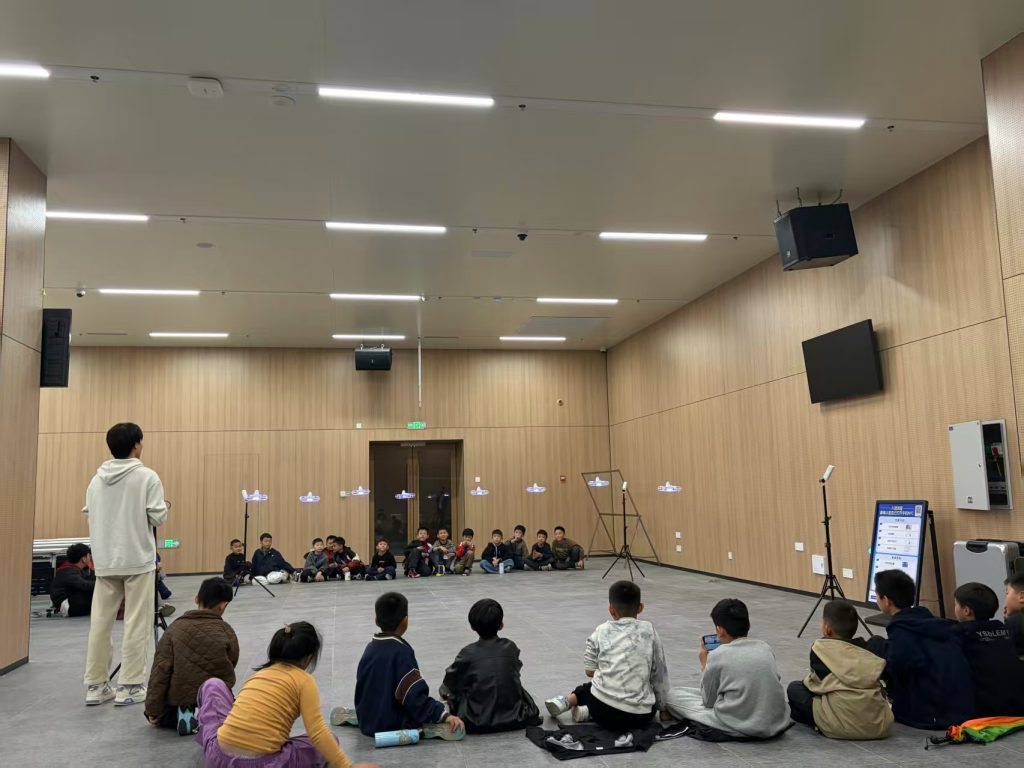
During the promotion phase, relevant departments can organize technical experts for on-site training and guidance, explaining the practical significance of various parameters and data to farmers, thereby enhancing their acceptance of drone precision fertilization and ultimately facilitating the development of scientific field fertilization plans. The importance of comprehensive and accessible drone training cannot be overstated for widespread adoption.
Training for farmers on operating drones for fertilization can also be conducted through television broadcasts, short videos, and WeChat official accounts. Based on farmer participation and actual needs, dedicated instructional videos can be produced, leveraging modern technological tools for specialized training to ensure farmers can intuitively understand the operational workflow and technical standards of drone precision fertilization. For instance, in a maize cultivation region, the local agricultural machinery extension station invited expert drone operators to demonstrate fertilization operations for farmers, showcasing operational methods. They uploaded the instructional videos to the local agricultural technology promotion website, encouraging farmers to watch and learn independently. Additionally, relevant departments regularly organize training sessions or field visits, encouraging farmers to obtain drone operation certificates, providing subsidies to enhance their confidence and practical skills in using new production technologies. This structured approach to drone training is essential for building local capacity.
| Training Module | Key Content | Objective |
|---|---|---|
| Basic Drone Operation | Flight controls, safety protocols, pre-flight checks, battery management, emergency procedures. | Ensure safe and confident manual handling of the drone platform. |
| Mission Planning & Software | Using ground station software for autonomous flight planning, no-fly zone awareness, parameter setting. | Enable efficient and legally compliant automated mission execution. |
| Sensor Data & Agronomy | Interpreting NDVI/other indices, basic principles of crop nutrition, recognizing deficiency symptoms from imagery. | Bridge the gap between remote sensing data and actionable agronomic decisions. |
| Precision Application Systems | Calibration of spreading/spraying systems, understanding prescription maps, VRA execution. | Accurately translate digital plans into precise physical application in the field. |
| Data Management & Analysis | Handling and storing geospatial data, using basic analysis software to generate simple maps and reports. | Empower farmers to manage and derive value from their own field data. |
2.3 Improve Industry Policies, Regulations, and Supervision Systems
To ensure the maximized and standardized application of drone remote sensing technology in agriculture and enhance its safety, relevant departments need to improve industry-specific policies and regulations for agricultural drones and establish robust supervision and management systems. These policies and regulatory frameworks should cover flight authorization controls, safety operation requirements, and standardized operational guidelines.
First, relevant departments should establish a legal and promotional platform for drone precision fertilization operations. Regulations should define the authorized user base, permissible operational timeframes, and operational boundaries. Detailed safety operation standards should be formulated, explicitly stating the safety performance indicators of the drone equipment itself. Moreover, safety guidance and technical specifications should be provided for all stages—preparation, operation, and maintenance—ensuring comprehensive safety supervision coverage and solidifying the institutional foundation for managing drone remote sensing technology in field crop fertilization.
Second, streamline and optimize the drone flight authorization process. Planning and adjusting the approval workflow for drone fertilization operations is a pressing task. Relevant departments should lower the application threshold, ensuring that farmers possessing flight certification can use drones for precision fertilization. This would significantly promote the adoption of drones in field crop cultivation and enhance agricultural production efficiency. In practice, it is recommended to continue optimizing the drone flight permit application process, utilizing online platforms for submission and review to reduce bureaucratic hurdles and avoid unnecessary time and effort expenditure. Understanding these regulations is a vital part of legal and responsible drone training.
Finally, strengthen supervision of safe drone flight operations. In the context of drone remote sensing fertilization, relevant departments should refine flight safety standards, strictly regulating flight altitudes and operational time windows. For instance, in precision fertilization operations for a maize cultivation region, authorities could impose clearer regulations on the minimum distance between drones and surrounding personnel, power facilities, and structures, establishing no-fly zones to prevent safety risks. For the production and sales of drones, stringent safety regulations should also be enforced, requiring manufacturers to possess industry qualifications for producing agricultural fertilization drones. Market-entry drone products should undergo regular quality inspections to comprehensively enhance operational safety.
2.4 Application Case and Benefit Analysis
The application of drones in precision fertilization for field crops yields substantial benefits. Consider the case of fertilization in a major winter wheat production region. This area is characterized by vast, contiguous fields, and its wheat output plays a significant role in national grain security. However, traditional fertilization methods have shown increasing limitations: unscientific application rates leading to waste or deficiency, and mistimed applications missing critical growth stages, resulting in a traditional nutrient use efficiency (NUE) as low as 30-35% for nitrogen.
In this case, a widely used multi-rotor agricultural drone model (e.g., akin to a DJI Agras series) was deployed. Known for its stability and user-friendly operation, it can perform flexibly in complex field environments. The drone was equipped with a multispectral sensor (e.g., similar to a MicaSense RedEdge-MX) capable of capturing five spectral bands: blue, green, red, red-edge, and near-infrared. These bands are crucial for monitoring crop health indicators like chlorophyll content and biomass, directly informing the precision of the fertilization algorithm.
The application of drone remote sensing technology demonstrated significant effects in increasing efficiency and reducing costs. Compared to traditional uniform fertilization, precision fertilization based on variability maps led to a measurable increase in wheat yield. The Normalized Difference Vegetation Index (NDVI) and other indices derived from drone data accurately reflected spatial variability in crop vigor, enabling the generation of intelligent prescription maps. This made fertilization more scientific and targeted, saving on input costs while accelerating the adoption of new technology. After implementing drone precision fertilization, the average wheat yield in the project area increased. More notably, fertilizer use efficiency improved substantially.
| Performance Metric | Traditional Uniform Fertilization | Drone VRA Precision Fertilization | Change / Improvement |
|---|---|---|---|
| Average Yield (kg/ha) | 5200 | 5600 | +7.7% |
| Nitrogen Fertilizer Applied (kg N/ha) | 180 | 155 | -13.9% |
| Nitrogen Use Efficiency (NUE)* | ~33% | ~48% | +~15 percentage points |
| Operation Time (hrs/100 ha)** | 25 (Tractor-based) | 8 | -68% |
| Estimated Gross Margin Increase*** | Base | +~$120/ha | Significant improvement |
* NUE simplified calculation: (N in harvested grain / N applied) * 100%.
** Illustrative comparison; actual times vary based on equipment and field size.
*** Includes value of yield increase and cost savings from reduced fertilizer and labor.
The economic benefit can be modeled as:
$$ \Delta Profit = (Y_{vra} \cdot P_{crop}) – (Y_{base} \cdot P_{crop}) + (F_{base} – F_{vra}) \cdot P_{fert} – C_{drone} $$
Where:
$\Delta Profit$ is the change in profit per hectare,
$Y_{vra}$ and $Y_{base}$ are yields (kg/ha) for VRA and base scenarios,
$P_{crop}$ is crop price (\$/kg),
$F_{base}$ and $F_{vra}$ are fertilizer application rates (kg/ha),
$P_{fert}$ is fertilizer price (\$/kg),
$C_{drone}$ is the per-hectare operational cost of the drone service (including labor, capital, and drone training amortization).
In practice, the drone acquired data during key wheat growth stages (greening, jointing, booting) to assess nutrient demand. Combined with field boundary data, the supporting software planned the optimal flight path and altitude (e.g., 50 meters above ground level for efficient coverage and high-resolution data capture) to execute the variable rate fertilization task accurately.
Conclusion
Drone remote sensing technology, by virtue of its unique technical principles, has found wide application across numerous sectors, demonstrating significant advantages in the precision fertilization of field crops. By strengthening technological research, development, and innovation, the accuracy and applicability of drone remote sensing can be enhanced, providing more reliable data support for precision fertilization. Increasing system promotion and farmer drone training efforts helps translate advanced technology into practical productivity, improving agricultural producers’ acceptance and operational proficiency with new technologies. Improving industry policies, regulations, and supervision systems provides a necessary guarantee for the standardized development of drone remote sensing in this field.
Ultimately, the integration of drones, remote sensing, and variable rate technology represents a transformative step towards data-driven, sustainable agriculture. Its continued success hinges not only on technological advancements but also on the widespread dissemination of knowledge through effective drone training programs, enabling farmers to become proficient managers of their fields using these powerful tools. The resulting gains in efficiency, profitability, and environmental stewardship will be critical for meeting future agricultural challenges.