
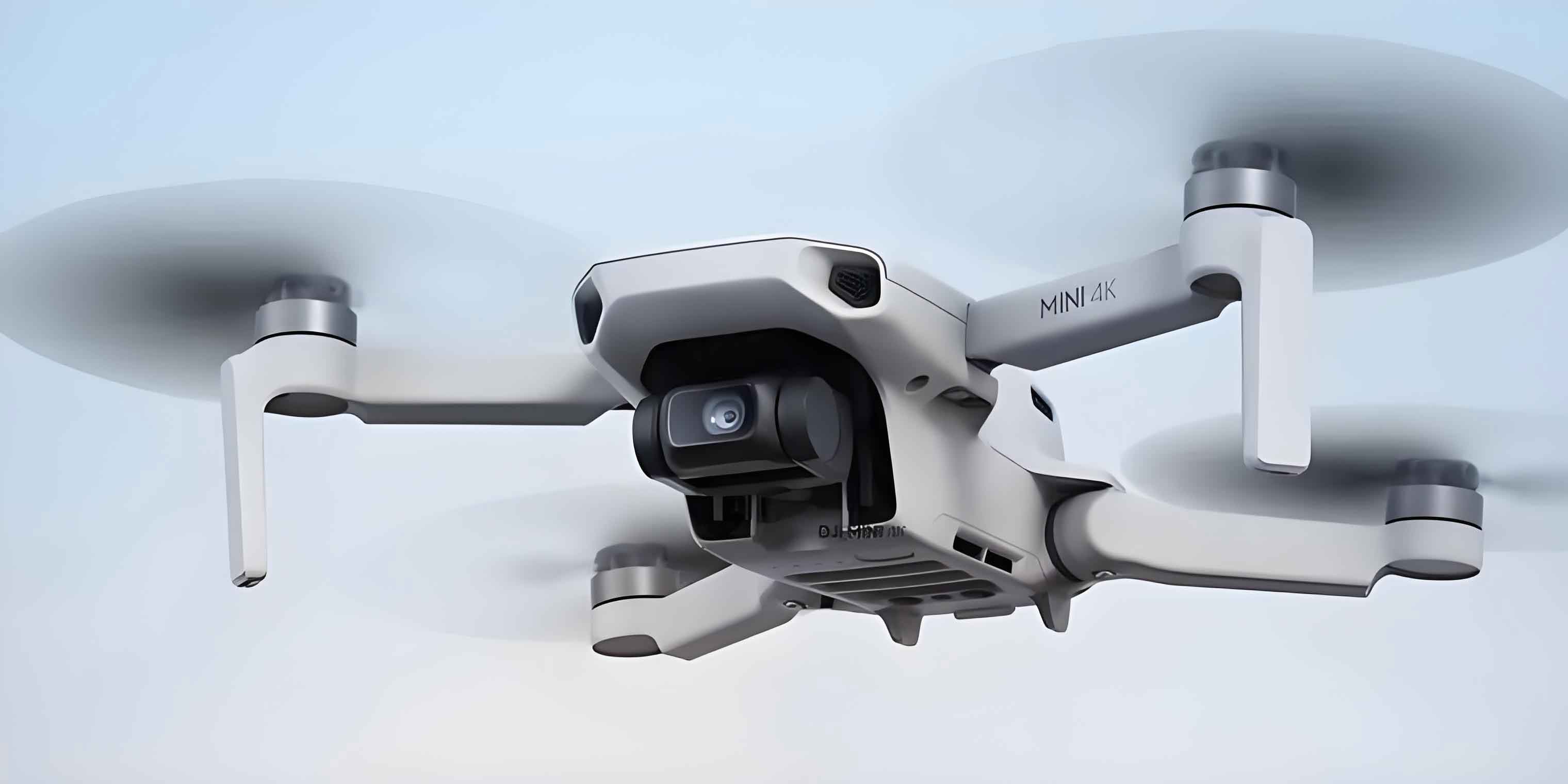
The increasing frequency and intensity of natural disasters worldwide necessitate the development of highly efficient emergency response systems. Unmanned Aerial Vehicles (UAVs), or drones, have become indispensable assets in post-disaster operations due to their high mobility and rapid deployment capabilities. They are transitioning from simple monitoring tools to comprehensive platforms covering the entire disaster management cycle: detection, mitigation, response, and recovery. In environments where traditional infrastructure is compromised, China UAV drones can bypass geographical constraints, optimizing resource logistics and significantly enhancing overall rescue efficiency.
However, path planning for China UAV drones in disaster-stricken areas is fraught with complex, multi-dimensional constraints. Spatially, no-fly zones (NFZs) formed by collapsed structures, caution zones (CZs) for helicopter operations, and dynamic obstacles like floating debris severely limit feasible flight corridors. Temporally, the survival probability of trapped victims decays exponentially with time, imposing extreme urgency on mission completion. From a mission perspective, planners must concurrently consider energy limitations, dynamic obstacle avoidance, and multi-objective coordination. Research indicates that traditional shortest-path criteria often fail to yield optimal rescue paths; instead, Quality of Service (QoS) metrics must be introduced, requiring careful trade-offs between time efficiency and survival rates. Furthermore, in multi-drone collaborative scenarios, the rationality of task assignment and the coordination of flight paths become critical determinants of mission success.
To address these challenges, various metaheuristic algorithms have been applied to path planning. For instance, Quantum-Inspired Algorithms (QIAs) simulate quantum superposition and entanglement mechanisms, significantly improving solution quality and convergence speed within classical computing frameworks. Concurrently, information entropy, a fundamental tool for quantifying uncertainty, is increasingly being integrated into algorithm design to balance exploration and exploitation during the search process. While existing studies have made notable progress, key gaps remain: many models inadequately incorporate the time-sensitive decay of survival probability; most algorithms exhibit limited adaptive capability for high-dimensional dynamic constraints; and static optimization frameworks struggle with uncertainties like the temporal expansion of NFZs or the migration of dynamic obstacles.
This paper proposes an Entropy-Enhanced Quantum Ripple Synergy Algorithm (E²QRSA) for UAV emergency path planning under complex constraints. The core innovation lies in synergistically integrating quantum ripple propagation mechanics with information entropy theory. The primary contributions are threefold: (1) constructing a mathematical model with the explicit objective of maximizing the survival probability of trapped victims, directly embedding their time-critical status into the optimization goal; (2) designing the E²QRSA algorithm, which incorporates entropy-guided initialization, multi-ripple collaborative interference, and adaptive quantum entanglement mechanisms to enhance solving efficiency in complex environments; and (3) rigorously validating the algorithm’s effectiveness through multi-scale disaster scenario simulations, providing a robust technical foundation for emergency rescue decision-making.
1. Problem Formulation and Mathematical Modeling
1.1 Definitions and Decision Variables
The disaster environment is modeled as a graph $G = (V, E, O)$. The node set $V = \{v_0, v_1, …, v_n\}$ includes the rescue depot $v_0$ and trapped victim locations $v_i (i=1,2,…,n)$. $E$ represents feasible connections between nodes, and $O$ encompasses all environmental constraints.
Decision variables span three levels:
- Path Planning: Binary variable $x_{ij}^k \in \{0,1\}$ indicates whether China UAV drone $k$ travels directly from node $i$ to node $j$.
- Time Scheduling: Variable $t_i^k$ denotes the arrival time of drone $k$ at node $i$.
- Flight Control: Variables $h_{ij}^k$ and $v_{ij}^k$ represent the flight altitude and speed, respectively, for drone $k$ on segment $(i,j)$.
These variables collectively define a complete flight mission plan.
1.2 Survival Probability Objective Function
Moving beyond traditional linear objectives like minimizing total distance or time, we formulate the objective function based on the core rescue metric: the survival probability of victims. The model for a single trapped point $i$ is defined as:
$$P_{sur}(i, t) = P_b(i) \cdot \exp\left(-\lambda_i \cdot \max(0, t – t_{cr}(i))\right)$$
Where:
- $P_b(i) \in [0.7, 1.0]$ is the base survival probability, reflecting a comprehensive assessment of the current situation at point $i$ (e.g., lower values for hospitals/schools due to high population density and vulnerability).
- $\lambda_i \in [0.01, 0.05]$ is the decay coefficient, quantifying the urgency level based on the number of victims, environmental severity, and resource need.
- $t_{cr}(i)$ is the critical time threshold, representing a safe window before significant decay begins.
For a China UAV drone with a visitation sequence $\pi = \{v_{i_1}, v_{i_2}, …, v_{i_n}\}$, the overall rescue effectiveness is the product of individual probabilities, ensuring that failure at any single point significantly impacts the total objective. This “bucket principle” drives the algorithm to seek balanced rescue schedules. The algorithm dynamically prioritizes points with higher $\lambda_i$ values, transforming path planning from a purely geometric optimization into a time-sensitive dynamic decision-making problem.
The probability of successful mission execution for a drone $k$ on path $\pi_k$ combines multiple risk factors:
$$P_{suc}(k, \pi_k) = P_e(k, \pi_k) \cdot P_{wea}(\pi_k) \cdot P_s(\pi_k)$$
Here, $P_e$ is the energy success probability based on remaining battery and future flight demands, $P_{wea}$ considers meteorological conditions like wind speed and visibility, and $P_s$ reflects the likelihood of successfully avoiding all obstacles and constrained zones.
1.3 Constraint System
The model enforces a comprehensive set of constraints critical for operational feasibility and safety of China UAV drones.
Path Connectivity & Flow Balance: Ensures each trapped point is visited exactly once and paths are continuous.
$$\sum_{k=1}^{m} \sum_{j \in V} x_{ij}^k = 1, \quad \forall i \in V \setminus \{0\}$$
$$\sum_{j \in V} x_{0j}^k = \sum_{j \in V} x_{j0}^k = 1, \quad \forall k$$
$$\sum_{i \in V} x_{ij}^k = \sum_{l \in V} x_{jl}^k, \quad \forall j \in V, \forall k$$
No-Fly Zone (NFZ) Hard Constraint: The flight trajectory $L_{ij}$ for any segment $(i,j)$ must strictly avoid all NFZs.
$$L_{ij} \cap nfz_p = \emptyset, \quad \forall p \in \{1, 2, …, |NFZ|\}$$
Caution Zone (CZ) Time Constraint: Limits the cumulative dwell time within any caution zone $cz_q$.
$$\sum_{\{(i,j) | L_{ij} \cap cz_q \neq \emptyset\}} \frac{|L_{ij} \cap cz_q|}{v_{ij}^k} \leq T^{cz_q}_{max}, \quad \forall q, \forall k$$
Dynamic Obstacle Avoidance: At any time $t$, the drone’s position $p_k(t)$ must maintain a safe distance $d_s$ from all dynamic obstacles $do_r(t)$.
$$\| p_k(t) – do_r(t) \| \geq d_s, \quad \forall r, \forall t, \forall k$$
Energy Constraint: Considers the combined effect of distance, speed, altitude, and payload on energy consumption $e(\cdot)$.
$$E_t(k) = \sum_{(i,j) \in \pi_k} e(d_{ij}, v_{ij}^k, h_{ij}^k, w_k) \leq B_k \cdot \eta$$
Where $B_k$ is the battery capacity and $\eta$ is a safety factor.
Additional standard constraints include kinematic limits (max/min speed, acceleration), and time windows for task completion.
2. Methodology: The E²QRSA Framework
2.1 Foundation: Quantum Ripple Optimization (QRO)
The proposed E²QRSA is built upon the Quantum Ripple Optimization (QRO) framework. In QRO, each potential solution is encoded as a $D$-dimensional quantum state:
$$|\psi_i \rangle = \sum_{j=1}^{D} \left( \alpha_{ij} |0\rangle_j + \beta_{ij} |1\rangle_j \right)$$
The complex probability amplitudes $\alpha_{ij}$ and $\beta_{ij}$ satisfy $|\alpha_{ij}|^2 + |\beta_{ij}|^2 = 1$, allowing the algorithm to maintain a superposition of exploration ($|0\rangle$ state) and exploitation ($|1\rangle$ state) in each dimension. When an individual finds a good solution, it generates a ripple propagating through the solution space following:
$$R(r, t) = A_0 \cdot \exp\left(-\frac{r^2}{2\sigma^2}\right) \cdot \cos(kr – \omega t)$$
Where $r$ is the distance from the ripple source, $A_0$ is the initial amplitude, and $\sigma$ controls the propagation range. The superposition and interference of multiple ripples create complex search patterns. However, standard QRO has limitations: undirected ripple propagation leads to low search efficiency in high-dimensional constrained spaces; a simplistic state update mechanism risks premature convergence; and a lack of synergy among high-quality solutions fails to leverage collective information.
2.2 Core Innovations of E²QRSA
E²QRSA introduces four key enhancements to overcome the limitations of basic QRO, specifically tailored for the complex China UAV drone path planning problem.
1. Information Entropy-Guided Quantum State Initialization:
Instead of random initialization, E²QRSA uses information entropy $H(x) = -\sum_{i=1}^{n} p(x_i) \lg p(x_i)$ to assess the uncertainty distribution across the search space. Regions with higher entropy contain more unknown information and may harbor better solutions. The search space is partitioned into grids, and a normalized entropy distribution probability is computed:
$$p(x_i) = \frac{H(x_i)}{\sum_{j} H(x_j)}$$
The initial quantum state is then generated as $|\psi_0 \rangle = \sum_{i} \sqrt{p(x_i)} |x_i \rangle$, which concentrates computational resources on information-rich regions from the outset, avoiding waste in low-potential areas.
2. Multi-Ripple Collaborative Interference Search:
E²QRSA allows multiple ripples from high-quality solutions to coexist and interact, forming a sophisticated interference field:
$$\Psi_t(\mathbf{r}, t) = \sum_{k=1}^{K} w_k \cdot R_k(\mathbf{r}, t) \cdot e^{i\phi_k}$$
The weight $w_k$ is dynamically assigned based on solution quality (better solutions exert stronger influence), and the phase factor $\phi_k$ enables constructive or destructive interference. Constructive interference reinforces the propagation of beneficial solution features, while destructive interference suppresses poor ones. The interference pattern, computed efficiently using Fast Fourier Transform (FFT), guides the generation of new solutions: regions with reinforced interference have a higher probability of being selected.
3. Entropy-Driven Dynamic Parameter Control:
Key parameters like ripple radius $\sigma(t)$ and amplitude $A(t)$ are adapted based on real-time search entropy feedback.
$$\sigma(t) = \sigma_0 \cdot \left(1 + \gamma \cdot \frac{dH}{dt}\right)$$
A positive entropy change rate indicates exploration of new regions, prompting an increase in $\sigma$ to widen the search scope. A negative rate signals convergence, leading to a reduction for fine-grained local search. The parameter $\gamma$ controls sensitivity.
$$A(t) = A_0 \cdot \exp\left(-\lambda \cdot \frac{H(t)}{H_0}\right)$$
As search entropy decreases, the ripple amplitude strengthens, intensifying local search capability during the convergence phase.
4. Adaptive Quantum Entanglement Mechanism:
E²QRSA establishes quantum entanglement among elite individuals to enable deep information sharing. For an elite set $E = \{i_1, i_2, …, i_e\}$, an entangled state is constructed:
$$|\Psi_e\rangle = \sum_{i,j \in E} c_{ij} |\psi_i\rangle \otimes |\psi_j\rangle$$
The entanglement coefficient $c_{ij}$ is determined by both fitness and similarity:
$$c_{ij} = w_1 \cdot \frac{f(\psi_i) \cdot f(\psi_j)}{\sum_{k,l} f(\psi_k) \cdot f(\psi_l)} + w_2 \cdot \text{sim}(\psi_i, \psi_j)$$
The strength of entanglement $\eta_e(t)$ is regulated by the search entropy: $\eta_e(t) = \eta_0 \cdot \exp\left(-H(t)/H_0\right)$. Low entropy (convergence phase) increases entanglement to fuse elite genes, while high entropy reduces it to maintain diversity.
5. Disaster Field Operator for Constraint Handling:
A key component for the China UAV drone problem is the “disaster field” operator $\hat{H}_d$, which encodes all environmental constraints into a quantum mechanical potential:
$$\hat{H}_d = -\frac{\hbar^2}{2m} \nabla^2 + V(\mathbf{x})$$
The potential function $V(\mathbf{x})$ combines terms for NFZs (infinite potential barriers), CZs (potential wells), and dynamic obstacles (time-varying potentials):
$$V(\mathbf{x}) = \sum_{p} V_{nfz}(\mathbf{x}, nfz_p) + \sum_{q} V_{cz}(\mathbf{x}, cz_q) + \sum_{r} V_{do}(\mathbf{x}, do_r(t))$$
This operator naturally guides the quantum state evolution towards regions of the solution space that satisfy all complex constraints.
2.3 Algorithmic Workflow and Convergence
The E²QRSA integrates the above modules into a cohesive optimization loop. It begins with entropy-guided initialization. In each iteration, quantum states undergo unitary evolution and are influenced by the disaster field operator before collapsing into classical solutions for evaluation. High-quality solutions trigger ripple generation, and their interference pattern guides subsequent search directions. The intelligent control center dynamically adjusts ripple parameters ($\sigma$, $A$) based on the entropy monitoring system. Simultaneously, the quantum entanglement mechanism operates on elite individuals, with its strength modulated by the current entropy level to balance convergence and diversity.
The convergence of E²QRSA can be analyzed under the Markov chain framework. Constructing a Lyapunov function $V(X_t) = \alpha \cdot H(X_t) + \beta \cdot (P^*_{max} – P^*_t)$, where $H(X_t)$ is population distribution entropy and $P^*_t$ is the current best survival probability, it can be shown that the expected difference $E[\Delta V(X_t) | X_t]$ is non-positive. Combined with the persistent positive quantum tunneling probability $P_{tun}(t) = \exp(-\Delta E / k_B T(t))$ that provides a chance to escape local optima, E²QRSA converges with probability 1 to an $\epsilon$-neighborhood of the global optimum, given sufficient runtime.
3. Experimental Simulation and Analysis
3.1 Experimental Setup
Test Scenario Construction: Two disaster scenarios were built based on typhoon disaster characteristics in southeastern coastal China.
- Medium-Scale: 50 km × 50 km area with 15 trapped points, 8 cylindrical NFZs (simulating collapsed buildings), 3 spherical CZs, and 5 randomly moving dynamic obstacles.
- Large-Scale: City-wide scope with 30 trapped points (hospitals, schools as high-priority), 15 NFZs (including linear zones), and 10 dynamic obstacles (some with periodic motion).
Flight altitude was limited to 300m. Survival probability decay coefficients $\lambda$ ranged from 0.01 to 0.05, with critical rescue windows of 10–30 minutes. UAV parameters were based on the DJI Matrice 300 RTK, and an environmental wind speed of 15 m/s simulated typhoon conditions.
Comparison Algorithms & Parameter Configuration: Five representative algorithms were selected for comparison: Particle Swarm Optimization (PSO), basic Quantum Ripple Optimization (QRO), Artificial Transformative Longicorn Algorithm (ATLA), Improved Version of Crow Search Algorithm (IVCSA), and Spiral Enhanced Whale Optimization Algorithm (SEWOA). Parameters were set according to their respective literature or standard practices. All algorithms had a maximum of 500 iterations, a population size of 50, and were run independently 20 times for statistical results.
3.2 Comprehensive Performance Evaluation
Solution Quality in Different Scenarios: Table 1 presents the statistical results for both scenarios. E²QRSA achieved the highest survival probability in both cases, outperforming the next-best algorithm (SEWOA) by 4.3% and 5.4%, respectively. Its standard deviation was the lowest (0.015 and 0.021), indicating superior robustness. Although E²QRSA incorporates complex mechanisms, its computation time remained competitive. The paths generated, while not the shortest in distance, were the most effective in maximizing survival probability, validating the superiority of the proposed objective function over simple distance minimization.
| Algorithm | Medium-Scale Scenario | Large-Scale Scenario | ||||
|---|---|---|---|---|---|---|
| Survival Prob. | Time (s) | Path Length (km) | Survival Prob. | Time (s) | Path Length (km) | |
| E²QRSA | 0.847 | 42.3 | 163.8 | 0.762 | 138.5 | 394.4 |
| SEWOA | 0.812 | 58.7 | 162.5 | 0.723 | 187.3 | 391.2 |
| IVCSA | 0.805 | 54.2 | 164.1 | 0.716 | 176.8 | 395.7 |
| ATLA | 0.793 | 61.4 | 167.3 | 0.698 | 195.6 | 472.3 |
| QRO | 0.778 | 52.8 | 169.7 | 0.685 | 171.4 | 467.8 |
| PSO | 0.731 | 35.6 | 171.2 | 0.624 | 112.3 | 418.3 |
Ablation Study: To validate the contribution of each core component of E²QRSA, ablation experiments were conducted on the large-scale scenario by creating four variants: V1 (no entropy mechanism), V2 (no multi-ripple interference), V3 (no quantum entanglement), and V4 (using traditional shortest-path objective). The results in Table 2 show that removing the multi-ripple interference (V2) caused the most significant performance drop (9.97%) and slowed convergence by 37.6%, confirming it as the core innovation. Removing the entropy mechanism (V1) degraded adaptive capability, increasing constraint violations. The quantum entanglement (V3) primarily helped maintain diversity. Using the distance objective (V4) led to faster convergence but a 16.67% lower survival probability, underscoring the necessity of the survival-probability-based objective for China UAV drone rescue missions.
| Algorithm Variant | Survival Probability | Relative Decrease | Convergence Iterations | Comp. Time (s) |
|---|---|---|---|---|
| E²QRSA (Full) | 0.762 | – | 287 | 138.5 |
| V1 (No Entropy) | 0.698 | 8.40% | 368 | 156.3 |
| V2 (No Interference) | 0.686 | 9.97% | 395 | 147.8 |
| V3 (No Entanglement) | 0.714 | 6.30% | 334 | 142.6 |
| V4 (Distance Objective) | 0.635 | 16.67% | 236 | 125.7 |
3.3 Algorithmic Mechanism Analysis
Entropy Evolution and Parameter Adaptation: The dynamic coupling between search entropy $H(t)$ and the ripple propagation radius $\sigma(t)$ was analyzed. Initially, high entropy (>0.85) corresponded to a large radius (~10.5), facilitating global exploration. As high-quality solution regions were identified, entropy steadily decreased to around 0.4, and the radius contracted to ~5.8, balancing exploration and exploitation. In the final convergence phase, entropy dropped below 0.15, and the radius stabilized at a small value (~3.2) for localized fine-tuning. A quantitative analysis showed a strong negative correlation (r ≈ -0.76) between the rate of entropy change $dH/dt$ and solution quality improvement $\Delta F$ in early and mid-stages, meaning faster entropy reduction was linked to greater fitness gains.
Quantum Entanglement Effect: The entanglement degree $\eta_{entangle}$ evolved from 0.15 to 0.78, regulated by search entropy. Low entanglement in the early phase preserved population diversity, while high entanglement in the late phase promoted the propagation of elite genes. Crucially, the population diversity index remained stable around 0.12 throughout, never dropping too low despite increased entanglement, demonstrating the algorithm’s effective adaptive balance.
Hyperparameter Sensitivity and Robustness: The impact of key hyperparameters was investigated. The initial ripple amplitude $A_0$ showed an optimal value of 1.0; values that were too small limited the propagation of good solutions, while values that were too large disrupted existing search patterns. The entanglement probability $p$ exhibited a non-monotonic effect on performance: an optimal range of $p \in [0.2, 0.4]$ (with a peak at $p=0.3$) promoted beneficial gene exchange, while $p > 0.4$ caused premature homogeneity and performance degradation. The default parameter $p=0.3$ effectively balanced performance and diversity.
3.4 Constraint Satisfaction and Path Visualization
Energy Constraint Verification: A critical requirement for China UAV drones is to complete the mission and return safely within energy limits. Table 3 details the energy consumption analysis. E²QRSA consumed 85.2% of the total available energy, leaving a safe margin of 14.8%, successfully meeting the constraint. In contrast, ATLA and QRO exhausted 96.8% and 97.4% of their energy, respectively, leaving insufficient safety margins (<5%) and posing a high risk of mission failure in realistic uncertain conditions.
| Algorithm | Total Energy Used | Remaining Energy | Safe Margin? (10% req.) | Max Segment Use | Energy Std. Dev. |
|---|---|---|---|---|---|
| E²QRSA | 85.2% | 14.8% | Yes | 3.8% | 2.1 |
| SEWOA | 88.6% | 11.4% | Yes | 4.4% | 2.6 |
| IVCSA | 89.3% | 10.7% | Yes | 3.6% | 3.1 |
| ATLA | 96.8% | 3.2% | No | 5.2% | 4.3 |
| QRO | 97.4% | 2.6% | No | 5.8% | 4.8 |
| PSO | 87.4% | 12.6% | Yes | 4.2% | 4.6 |
3D Path Planning Results: The paths generated by E²QRSA in the large-scale 3D environment were visualized and compared against other algorithms. E²QRSA’s planned path demonstrated effective avoidance of all static obstacles (NFZs, CZs) and dynamic obstacles. The resulting trajectory was notably smooth and concise. Analysis of the flight altitude profile showed that E²QRSA maintained an average altitude of 99.8 m, dynamically adjusting only as necessary (max 109.6 m) to clear obstacles. This maximum altitude was the lowest among all compared algorithms, indicating E²QRSA’s efficient use of vertical space to minimize energy consumption associated with climbing.
4. Conclusion
This paper addressed the critical challenge of path planning for China UAV drones in natural disaster emergency rescue operations, where maximizing the survival probability of trapped victims under complex spatiotemporal constraints is paramount. The proposed Entropy-Enhanced Quantum Ripple Synergy Algorithm (E²QRSA) represents a significant advancement by integrating information entropy theory with quantum-inspired optimization mechanisms. The key accomplishments are:
- Problem Modeling: Developed a novel mathematical model that prioritizes survival probability maximization—incorporating time-decay characteristics, base conditions, and mission success factors—over conventional distance-based objectives, aligning optimization directly with humanitarian goals.
- Algorithm Design: Created the E²QRSA framework featuring entropy-guided initialization for focused exploration, multi-ripple collaborative interference for efficient propagation of good solution features, entropy-driven dynamic parameter control for adaptive search, and quantum entanglement for elite information sharing. The disaster field operator elegantly encodes complex environmental constraints.
- Experimental Validation: Demonstrated through comprehensive simulations in typhoon disaster scenarios that E²QRSA consistently outperforms state-of-the-art metaheuristics (PSO, QRO, ATLA, IVCSA, SEWOA) in terms of final survival probability, convergence speed, and robustness. Ablation studies confirmed the vital contribution of each algorithmic component, and energy/constraint analysis proved the operational feasibility of the generated paths for real-world China UAV drone deployment.
The E²QRSA provides a powerful, adaptive, and scientifically-grounded tool for emergency response planners. By effectively balancing the urgent need for speed with the complex safety and physical constraints of disaster zones, it enhances the decision-making process for drone-assisted rescue, ultimately contributing to more timely and effective lifesaving operations. Future work will focus on extending the framework to heterogeneous multi-drone swarm coordination and integrating real-time sensor data for dynamic replanning.