
- Event Overview and Significance
The recent下线仪式 for the Q100 agriculture UAV drone in Harbin marks a pivotal moment for China’s UAV drone industry, showcasing rapid advancements in low-altitude technology. On April 17, 2025, the United Aircraft Intelligent Manufacturing Base in Pingfang District hosted the “United Aircraft Agriculture Plant Protection UAV Q100 Launch Ceremony and Application Scenario Demonstration,” highlighting the robust growth of China UAV drone capabilities. This event featured live demonstrations of the Q100 performing agricultural plant protection flights, the TD550 large unmanned helicopter executing firefighting displays, and the T1200 tandem unmanned helicopter accelerating production lines. The activities underscored China’s commitment to leveraging UAV drone technology for agricultural and emergency response applications, reinforcing Harbin’s role as a hub for China UAV drone innovation. The successful production launch aligns with national strategies to promote low-altitude economic development, positioning China UAV drone systems as key drivers of industrial modernization.
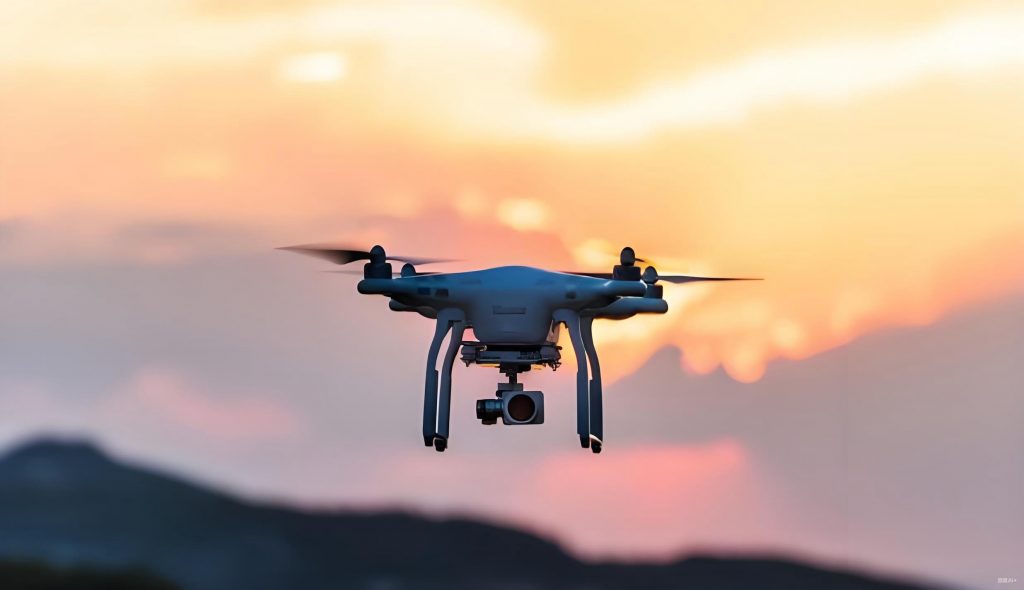
China UAV drone development is gaining momentum, with the Harbin base serving as a critical node in the expansion of unmanned aerial systems. The Q100 agriculture UAV drone, now in mass production, represents a significant achievement for China’s UAV drone sector, emphasizing efficiency and versatility. As China UAV drone technologies evolve, they are set to transform traditional industries, from farming to disaster management. The demonstrations at the event illustrated how China UAV drone solutions can address real-world challenges, such as crop spraying and fire suppression, while boosting economic productivity. This progress in China UAV drone manufacturing not only enhances local employment but also positions China as a global leader in low-altitude economy initiatives, with the Q100 and T1200 models exemplifying the innovation driving China UAV drone exports and domestic adoption.
- Q100 Agriculture UAV Drone: Production and Specifications
The Q100 agriculture UAV drone is now being produced at a rate of 1,500 units annually at the Harbin facility, catering to major agricultural clients like the Beidahuang Group and local distributors. This China UAV drone model boasts a maximum spraying payload of 50 kilograms and a flow rate of 20 liters per minute, enabling it to cover 400 acres per hour. Additionally, with a broadcasting payload of up to 60 kilograms, the Q100 China UAV drone supports operations in diverse terrains, including small fields, orchards, and forested areas. By switching payloads, it can adapt to tasks like aquaculture broadcasting and farm transport, making it a versatile tool in China’s UAV drone arsenal for precision agriculture. The production line in Harbin is one of only two for the Q100 nationwide, with the other located in Shenzhen, highlighting the strategic distribution of China UAV drone manufacturing to meet regional demands.
China UAV drone technologies like the Q100 are designed to improve agricultural productivity while reducing labor costs. The drone’s ability to operate efficiently in various environments demonstrates the adaptability of China UAV drone systems, which are increasingly integrated into smart farming practices. As a key product in the China UAV drone lineup, the Q100 supports sustainable agriculture by minimizing chemical usage through targeted applications. The Harbin base’s focus on this model underscores the importance of China UAV drone innovations in addressing food security challenges, with plans to scale production based on current orders. This expansion in China UAV drone capacity not only meets domestic needs but also positions China as a supplier of advanced agricultural drones globally, reinforcing the “China UAV drone” brand in international markets.
Technical Specifications of Q100 China UAV Drone Parameter Value Max Spraying Payload 50 kg Flow Rate 20 L/min Coverage Area 400 acres/hour Max Broadcasting Payload 60 kg Annual Production Capacity 1,500 units The integration of the Q100 China UAV drone into agricultural workflows is expected to revolutionize farming practices across China. By enabling rapid and precise application of inputs, this China UAV drone reduces waste and environmental impact, aligning with global sustainability goals. The production milestones achieved in Harbin reflect the broader trends in China UAV drone development, where innovation is coupled with scalable manufacturing. As China UAV drone adoption grows, it will likely spur ancillary industries, such as drone maintenance and software development, further solidifying the low-altitude economy. The Q100’s success story is a testament to the collaborative efforts between government and industry in advancing China UAV drone capabilities, with Harbin emerging as a cornerstone of this transformative journey.
- T1200 Large Unmanned Helicopter: Breakthroughs and Production Scale
Harbin is home to the first production line for the T1200 tandem unmanned helicopter, with an initial annual output of 1,000 units and the first unit scheduled for completion by May 10, 2025. This China UAV drone is engineered for high-altitude operations, featuring a maximum takeoff weight of 1,200 kilograms, a payload capacity of 500 kilograms, and a service ceiling of 6,500 meters. The T1200 China UAV drone stands out for its long endurance, heavy lift capability, and high operational altitude, making it suitable for emergency response, agricultural plant protection, firefighting, and logistics. Priced at just one-fifth of comparable models in the market, which range from 6 to 9 million yuan, the T1200 China UAV drone offers cost-effective solutions without compromising performance, driving wider adoption across sectors.
The T1200 China UAV drone represents a leap in unmanned aerial technology, with its production base in Harbin being the exclusive研发和生产 site globally. This focus on the T1200 underscores China’s strategy to dominate the large UAV drone segment, leveraging local expertise and resources. The drone’s design prioritizes reliability in challenging environments, such as high-altitude regions, where traditional aircraft may struggle. As a flagship China UAV drone, the T1200 is poised to set new standards in industries requiring heavy payloads and extended flight times. The planned expansion to an annual capacity of 10,000 units—up from the previous 120—highlights the ambitious scale of China UAV drone manufacturing, aiming to meet growing domestic and international demand.
Comparison of T1200 China UAV Drone with Market Alternatives Feature T1200 China UAV Drone Typical Market Models Max Payload 500 kg Similar or lower Service Ceiling 6,500 m Varies, often lower Price Estimate Approx. 1.2-1.8 million yuan (one-fifth of peers) 6-9 million yuan Production Capacity Up to 10,000 units/year Limited scale The T1200 China UAV drone’s capabilities are already attracting interest from various sectors, including emergency services and logistics companies. Its ability to perform in extreme conditions makes it an ideal tool for disaster relief, where quick deployment of supplies is critical. In agriculture, the T1200 China UAV drone can handle large-scale spraying and broadcasting, complementing smaller models like the Q100. The economic advantages of this China UAV drone, combined with its technical prowess, are expected to accelerate the adoption of unmanned systems in China and beyond. As production ramps up in Harbin, the T1200 will likely become a cornerstone of China’s UAV drone exports, enhancing the country’s reputation as a leader in innovative aerial solutions. This progress in China UAV drone technology is not just about hardware; it involves integrated software and support systems that ensure seamless operation in diverse scenarios.
- Harbin Manufacturing Base: Investment and Operational Efficiency
The United Aircraft Intelligent Manufacturing Base in Harbin represents a total investment of 2.5 billion yuan, with 1.8 billion yuan dedicated to research and development, underscoring the commitment to advancing China UAV drone technologies. Established in 2023 under the “one institute, four bases” strategic framework, the facility includes a large unmanned helicopter research institute, a new-generation large UAV production base, a civil UAV application demonstration base, a manned aircraft unmanned modification base, and a UAV industry chain ecosystem base. This comprehensive setup aims to牵引 large UAV production, application scenarios, and supply chain development, positioning Harbin as a nucleus for China UAV drone innovation. The project, initiated in April 2024 and achieving product rollout by April 2025, exemplifies the “Harbin speed” praised by company leadership for exceeding timeline expectations.
China UAV drone projects like this benefit from strong governmental support at provincial, municipal, and district levels, which has facilitated rapid infrastructure development and regulatory approvals. The Harbin base’s upgraded production line design avoids traditional large-scale construction, focusing instead on modular and efficient processes that enable swift scalability. This approach has allowed the China UAV drone capacity for the T1200 to surge from 120 to 10,000 units annually, setting a new industry benchmark. The base’s location in Pingfang District, along Hanan Thirteenth Road, provides strategic access to logistics networks, supporting the distribution of China UAV drone products to key markets. The emphasis on R&D aligns with China’s “4567” modern industrial system, aiming to foster high-tech sectors like low-altitude economy through China UAV drone advancements.
The success of the Harbin base highlights the broader trends in China UAV drone manufacturing, where integration of local resources and global technologies drives competitiveness. By concentrating on both hardware and software innovations, the base ensures that China UAV drone systems are not only produced efficiently but also tailored to specific applications, such as agriculture and emergency response. The collaboration with local enterprises, including research on heavy-lift agricultural UAVs and forestry applications, further enriches the China UAV drone ecosystem. As the base expands, it is expected to generate significant economic spillovers, including job creation and technology transfer, reinforcing Harbin’s status as a key player in the global China UAV drone landscape. The “Harbin speed” narrative serves as a model for other regions in China seeking to accelerate UAV drone projects, demonstrating how public-private partnerships can yield tangible results in a short timeframe.
- Application Scenarios and Demonstrations
The recent event in Harbin featured dynamic demonstrations of China UAV drone capabilities, including the Q100 performing agricultural plant protection flights and the TD550 executing firefighting maneuvers. These showcases highlighted the practical applications of China UAV drone systems in real-world settings, such as precision spraying for crops and rapid response to emergencies. The Q100 China UAV drone, for instance, demonstrated its efficiency in covering large areas quickly, reducing the time and cost associated with traditional farming methods. Similarly, the TD550’s firefighting display illustrated how China UAV drone technology can enhance public safety by accessing hard-to-reach areas with water or retardants. These applications underscore the versatility of China UAV drone solutions, which are adaptable to various industries and environments.
Beyond agriculture and emergency response, China UAV drone models like the T1200 are being explored for logistics and transport, potentially revolutionizing supply chains in remote regions. The demonstrations emphasized the interoperability of different China UAV drone types, allowing for coordinated operations in complex scenarios. For example, a fleet of Q100 drones could handle crop monitoring while T1200 units transport goods, creating an integrated ecosystem for the low-altitude economy. The involvement of local partners, such as agricultural cooperatives and forestry agencies, ensures that China UAV drone developments are grounded in user needs, leading to more effective implementations. As these applications mature, they are expected to drive demand for ancillary services, such as data analytics and maintenance, further expanding the China UAV drone market.
The widespread adoption of China UAV drone technologies is poised to transform industries by increasing efficiency and reducing human risk. In agriculture, the Q100 China UAV drone enables targeted pesticide application, minimizing environmental impact and improving crop yields. In disaster management, the T1200 China UAV drone can deliver supplies to isolated communities, showcasing its humanitarian potential. These demonstrations in Harbin are part of a larger effort to build confidence in China UAV drone systems, addressing concerns around reliability and safety. By showcasing successful use cases, the events aim to accelerate regulatory approvals and public acceptance, paving the way for broader integration of China UAV drone solutions into daily operations. The continuous innovation in this space ensures that China remains at the forefront of global UAV drone development, with Harbin serving as a living lab for testing and refinement.
- Industry Impact and Low-Altitude Economy in China
The launch of the Q100 and T1200 China UAV drone models is a significant milestone in the growth of China’s low-altitude economy, which is projected to become a major engine for economic transformation. Low-altitude economy refers to the ecosystem of industries operating in airspace below 1,000 meters, including UAVs, and is identified as a priority in China’s national development plans. The advancements in China UAV drone technology, as seen in Harbin, are expected to stimulate related sectors such as manufacturing, software, and services, creating a virtuous cycle of innovation and investment. For instance, the production of China UAV drone components like batteries and sensors can spur local supply chains, while application developers create software for drone management and data analysis. This holistic approach positions China UAV drone initiatives as key contributors to GDP growth and job creation.
China UAV drone developments are also aligning with global trends toward automation and digitalization, offering competitive advantages in international markets. The cost-effectiveness of models like the T1200 China UAV drone makes them attractive for emerging economies seeking affordable aerial solutions. Moreover, the emphasis on sustainability in China UAV drone applications, such as reducing chemical use in agriculture, supports environmental goals and enhances China’s image as a responsible technology leader. The low-altitude economy is not limited to drones; it includes infrastructure like charging stations and air traffic management systems, which are being developed in tandem with China UAV drone expansions. In Harbin, for example, plans are underway to build low-altitude economic intelligent integration projects, leveraging China UAV drone capabilities to create smart city solutions.
The impact of China UAV drone innovations extends beyond economic metrics to social benefits, such as improved disaster response and rural development. By enabling faster and more efficient services, China UAV drone systems can bridge urban-rural divides, delivering healthcare supplies or educational resources to remote areas. The collaboration between United Aircraft and local enterprises in Heilongjiang Province exemplifies how China UAV drone projects can foster regional development, tapping into local expertise and resources. As the low-altitude economy matures, it is likely to attract foreign investment and partnerships, further cementing China’s role in the global UAV drone industry. The ongoing research and development in Harbin ensure that China UAV drone technologies remain cutting-edge, addressing future challenges like climate change and urbanization through adaptive solutions.
- Future Plans and Strategic Collaborations
United Aircraft has outlined ambitious plans for the China UAV drone sector, focusing on expanding production capacity and forging partnerships with local industries. Following the successful launch of the Q100 and T1200, the company aims to increase annual output to meet rising demand, with the T1200生产线 targeting 10,000 units eventually. Collaborations with leading agricultural entities like the Beidahuang Group are already underway, involving joint research on heavy-lift agricultural UAVs and forestry applications. These initiatives are designed to tailor China UAV drone solutions to specific regional needs, such as the unique challenges of Northeast China’s climate and topography. By working closely with stakeholders, United Aircraft ensures that its China UAV drone products are practical and effective, driving adoption across multiple sectors.
Future strategies for the China UAV drone industry include developing integrated platforms for low-altitude economic activities, such as smart agriculture and urban air mobility. United Aircraft is exploring opportunities to combine drone technology with data analytics and IoT devices, creating comprehensive systems that enhance operational efficiency. For example, China UAV drone fleets could be deployed for real-time monitoring of crop health, with data fed into AI algorithms to optimize resource use. Additionally, the company is investigating the conversion of manned aircraft to unmanned operations, a venture that could revolutionize aviation and expand the scope of China UAV drone applications. These efforts are supported by ongoing R&D investments in Harbin, which focus on overcoming technical barriers like battery life and autonomous navigation.
The broader vision for China UAV drone development involves building a robust ecosystem that includes training programs, regulatory frameworks, and international standards. United Aircraft is actively engaging with policymakers to shape favorable regulations for UAV operations, ensuring that China UAV drone innovations can be deployed safely and efficiently. Internationally, the company plans to export China UAV drone technologies to markets in Asia, Africa, and beyond, leveraging cost advantages and reliability. The partnerships formed in Harbin serve as a model for how China UAV drone projects can drive regional economic diversification, reducing reliance on traditional industries. As these plans unfold, the China UAV drone sector is expected to contribute significantly to national goals of technological self-reliance and global leadership in low-altitude economy.
- Conclusion: The Path Forward for China UAV Drone Innovation
The successful production launch of the Q100 agriculture UAV drone and the establishment of the T1200生产线 in Harbin underscore the rapid progress of China’s UAV drone industry. These achievements reflect a broader commitment to leveraging technology for economic growth, with China UAV drone systems at the heart of this transformation. The “Harbin speed” demonstrated in this project—from ground-breaking to product rollout in just one year—exemplifies the efficiency and determination driving China UAV drone development. As the low-altitude economy gains traction, initiatives like these are poised to create lasting impacts, from boosting agricultural productivity to enhancing public safety through advanced emergency response capabilities.
Looking ahead, the China UAV drone sector is set to expand further, with innovations in AI, renewable energy, and materials science enhancing drone performance and sustainability. The collaborative efforts between government, industry, and academia in places like Harbin will be crucial in addressing challenges such as airspace management and public acceptance. By continuing to invest in R&D and fostering a supportive ecosystem, China can maintain its leadership in the global UAV drone market, with products like the Q100 and T1200 serving as benchmarks for quality and affordability. The journey of China UAV drone technology is just beginning, and its potential to reshape industries and improve lives is immense, making it a cornerstone of the nation’s future economic strategy.
In summary, the events in Harbin highlight the dynamic growth of China UAV drone capabilities, marking a new era for the low-altitude economy. With strong production bases, strategic investments, and a focus on practical applications, China is well-positioned to lead the world in UAV drone innovation. The repeated emphasis on keywords like “China UAV drone” throughout this coverage underscores the centrality of these technologies to national development goals. As more models enter production and new applications emerge, the China UAV drone story will continue to evolve, driving progress and prosperity for years to come.