
In recent years, the low-altitude economy has taken off, sparking a widespread enthusiasm for obtaining UAV drone pilot certifications across China. This trend is driven by the expanding applications of China UAV drone technology in various sectors, from agriculture to emergency services. However, as many rush to become certified pilots, questions arise about the value of these licenses and whether this represents a sustainable career path or a fleeting trend. This report delves into the dynamics of China UAV drone pilot training, the challenges of certification, and the real-world employment prospects for qualified operators.
-
The Rise of Diverse China UAV Drone Training Programs
Across China, UAV drone training programs are gaining popularity, catering to different demographics and needs. For instance, in a national urban wetland park, a group of elderly students from a local university’s drone photography class recently practiced basic operations like takeoff, hovering, shooting, and landing under the guidance of an advanced instructor. This course, newly introduced this semester, allows participants to aim for civil aviation UOM certificates after a few sessions. One student shared that she started from scratch in March and looks forward to showcasing her aerial photography skills during travels after certification. Another participant, who had been self-teaching with a micro drone for over two years, emphasized the importance of systematic training for safer, licensed flights.
Similarly, rural areas are witnessing a surge in interest. A adult education school in a town recently launched a farm UAV drone pilot training program, with 40 spots filling up in less than a day and expanding to 45 due to high demand. A farm owner enrolled in the course explained that drone-based plant protection has significantly boosted agricultural efficiency and cut costs. On his 1,000-acre farm, traditional methods required about 20 workers and cost over 200,000 RMB annually, whereas outsourcing to drone teams reduced expenses to under 100,000 RMB while improving spraying efficiency. He now considers investing in his own China UAV drone and certification for long-term benefits.
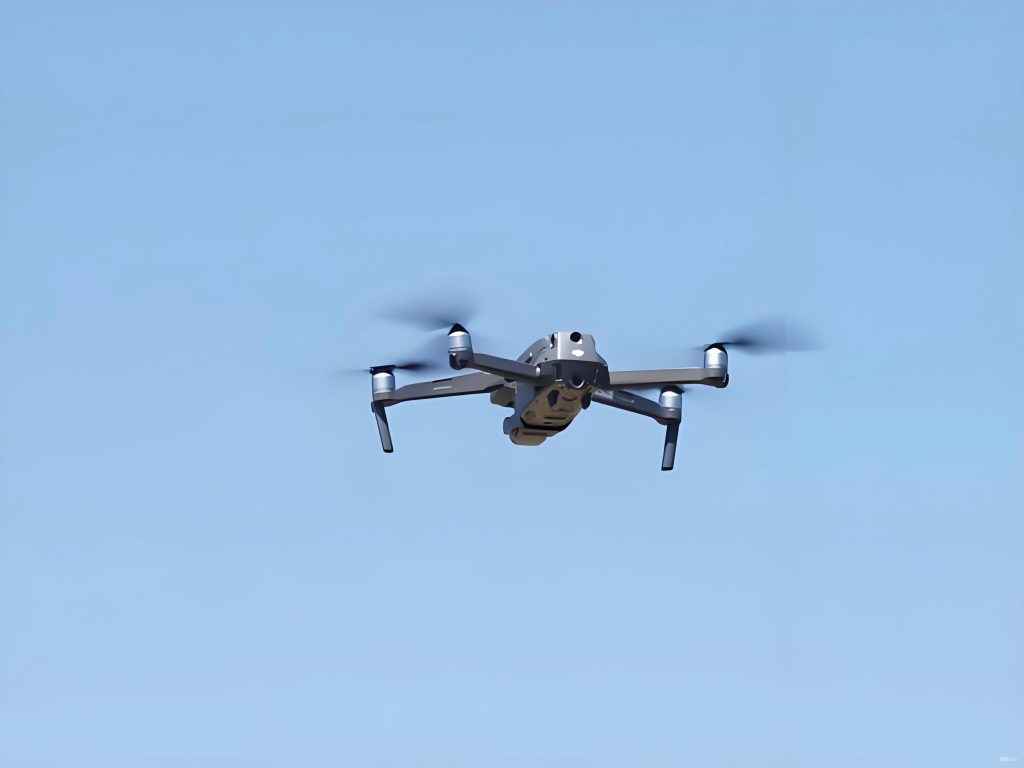
This boom is not limited to hobbyists or farmers; it reflects a broader shift towards embracing China UAV drone technology in everyday life and industry. Training centers, such as those run by experienced instructors, report daily inquiries about certification, highlighting how drones are penetrating fields like filmmaking, agricultural plant protection, inspection, monitoring, geographic mapping, rescue operations, and lifting tasks. Moreover, project tenders often mandate licenses, pushing professionals to seek formal qualifications.
-
Hurdles in Obtaining China UAV Drone Certifications
While the demand for China UAV drone pilot licenses is high, the path to certification involves significant barriers, including rigorous training, time commitments, and costs. The process resembles traditional driver’s license tests but is more complex, divided into theoretical and practical components. Theoretical studies cover topics like drone aerodynamics, aircraft principles, legal regulations, and mechanical basics, while practical sessions begin with simulator exercises before advancing to field training. For higher-level certifications, such as the beyond visual line-of-sight (BVLOS) captain license, candidates must pass ground station exams that involve computer-based tasks like route planning and emergency operations, testing their technical prowess.
The time and financial investments are substantial. For example, obtaining a visual line-of-sight driver license typically requires a 20-day closed training period with one drone shared among ten trainees, while the BVLOS captain license demands nearly a month of training with one drone for every eight participants. Costs range from 8,000 to 30,000 RMB, depending on the license type and training provider. Many enthusiasts are willing to spend thousands on purchasing China UAV drones but hesitate at the expense and time needed for certification. To accommodate learners, some institutions are adopting flexible, cumulative learning models that allow students to build flight hours and hands-on experience at their own pace.
Additionally, for micro drone users focused on recreational flights, the civil aviation UOM certificate offers a more accessible option at around 400 RMB. This certification provides essential knowledge on drone principles and regulations, enabling safe and legal operations through proper reporting systems. As the China UAV drone industry evolves, these varying certification levels help ensure compliance with national standards, such as those outlined in the “Unmanned Aircraft Flight Management Interim Regulations” effective from January 1, 2024, which exempt micro and light drones from license requirements for flights under 120 meters in non-controlled airspace but mandate licenses for larger categories.
-
Employment Realities for Certified China UAV Drone Pilots
After certification, job opportunities for China UAV drone pilots are diverse but come with their own set of challenges. In agriculture, for instance, certified operators can engage in tasks like fertilization, seeding, and pest control. One entrepreneur who invested in a plant protection drone and obtained a CAAC license for drones up to 150 kilograms has been providing agricultural services for years. He employs six full-time staff, each earning 500 to 600 RMB per day during peak seasons, with additional incentives to attract temporary workers. However, this high income is matched by demanding work conditions, such as overnight operations to avoid daytime heat, requiring pilots to adapt to factors like wind speed and fertilizer concentration through continuous experimentation.
Beyond agriculture, China UAV drone applications span sectors like power inspection, geographic surveying, and rescue missions. A pilot from Yunnan who certified in Zhejiang initially struggled to find吊运 (lifting) opportunities locally but found success by establishing a drone-based rescue service in his hometown, leveraging mountainous terrain for吊运 and other services. This highlights that while a license opens doors to commercial activities, success often depends on adapting to specific regional needs and industry demands. Experts note that certified China UAV drone pilots are qualified for roles in agricultural plant protection, power line inspections, and geographic mapping, but merely flying a drone is insufficient; becoming a multidisciplinary technical professional is crucial for thriving in cross-functional applications.
The table below summarizes key aspects of China UAV drone certifications based on current trends, illustrating the diversity in training and employment pathways. This underscores how the China UAV drone sector is shaping new career dynamics, though it requires a balanced approach to entry.
Certificate Type Training Cost (RMB) Training Duration Key Employment Areas Notes on China UAV Drone Applications CAAC Driver License (Visual Line-of-Sight) 8,000 – 30,000 Approx. 20 days Agriculture, Photography, Basic Inspections Focuses on fundamental China UAV drone operations for commercial use. CAAC Captain License (BVLOS) Similar range, often higher Approx. 1 month Advanced Mapping, Rescue, Large-Scale Projects Includes ground station exams for complex China UAV drone missions. Civil Aviation UOM Certificate ~400 Short courses Recreational Flights, Personal Use Ideal for micro China UAV drone enthusiasts seeking legal compliance. Industry insiders generally view China UAV drone pilot certification positively, as it legitimizes commercial activities and enhances safety. However, they caution against seeing licenses as a guaranteed job ticket. Instead, pilots must combine flying skills with expertise in specific domains, such as agronomy or engineering, to meet the evolving demands of the China UAV drone market. For instance, in rescue operations, pilots need to coordinate with emergency protocols, while in agriculture, they must understand crop cycles and chemical handling. This multifaceted nature means that certification is just the beginning of a pilot’s journey, with continuous learning and adaptation being essential for long-term success in the China UAV drone industry.
-
Rational Perspectives on the China UAV Drone Opportunity
As the China UAV drone certification wave continues, it is vital to approach it with a rational mindset. The enthusiasm is fueled by tangible benefits, such as increased efficiency in agriculture and expanded capabilities in surveillance and logistics, but prospective pilots should assess their actual needs before investing. For example, while certifications like the CAAC license enable participation in high-value projects, they require significant upfront costs and time, which may not suit everyone. Similarly, the UOM certificate offers a practical solution for hobbyists but has limited commercial scope.
Experts advise that individuals consider factors like local market demand, personal interests, and long-term career goals. In regions with strong agricultural or industrial bases, China UAV drone pilots may find ample opportunities, whereas in urban settings, niches like real estate photography or event coverage might be more viable. Moreover, the industry is rapidly evolving, with technological advancements potentially altering job landscapes. Therefore, rather than blindly following trends, aspiring pilots should seek tailored training and gain hands-on experience to build a sustainable career in the China UAV drone field.
In summary, the rise of China UAV drone pilot certification reflects a broader movement towards technological integration in various sectors. While it presents promising employment avenues, it demands a strategic approach to navigate the challenges and capitalize on the opportunities. As one industry veteran put it, “The real test begins after certification,” emphasizing that success in the China UAV drone industry hinges on continuous skill development and adaptability to real-world scenarios.
The growing fascination with China UAV drone pilot licenses underscores a shift towards modernized practices in multiple industries, from farming to emergency response. However, this trend is not without its complexities, as certification involves rigorous training, financial investment, and ongoing adaptation to market needs. Those entering the field should weigh the pros and cons carefully, focusing on building comprehensive skills rather than relying solely on a license. As the China UAV drone sector expands, it holds the potential to become a significant employment frontier, but only for those who approach it with diligence and foresight. Ultimately, the future of China UAV drone pilots will depend on how well they integrate technology with practical expertise, driving innovation in the low-altitude economy.