
In the vast and often inaccessible regions of China, the challenge of delivering and receiving mail has long been a persistent issue, particularly in remote villages where traditional transportation methods fall short. However, a groundbreaking proposal is gaining traction, centered on the use of China UAV drone technology to bridge this critical gap. National People’s Congress deputy Yin Yong, who serves as the branch director of the Guiren Post Office under the China Post Group in Suhong County, has passionately advocated for the deployment of unmanned aerial vehicles, or China UAV drones, to solve the perennial problem of inefficient postal services in these areas. His call to action highlights the transformative potential of low-altitude economy initiatives, which were first incorporated into the Chinese government’s work report in 2024, signaling a new era for logistics and rural development.
The integration of China UAV drone systems into postal operations is not merely a technological upgrade but a vital step toward ensuring equitable access to services for all citizens. In many remote parts of China, including mountainous and island communities, the “last mile” of postal delivery remains fraught with obstacles. Postal workers often contend with treacherous terrain, limited infrastructure, and extended travel times that can span hours or even days for a single round trip. This inefficiency not only delays essential communications and parcels but also hampers economic opportunities for residents. Yin Yong’s advocacy stems from extensive research and on-the-ground observations, where he identified the urgent need for innovative solutions. By leveraging China UAV drone capabilities, he envisions a future where mail delivery is swift, reliable, and cost-effective, ultimately fostering greater connectivity and prosperity in underserved regions.
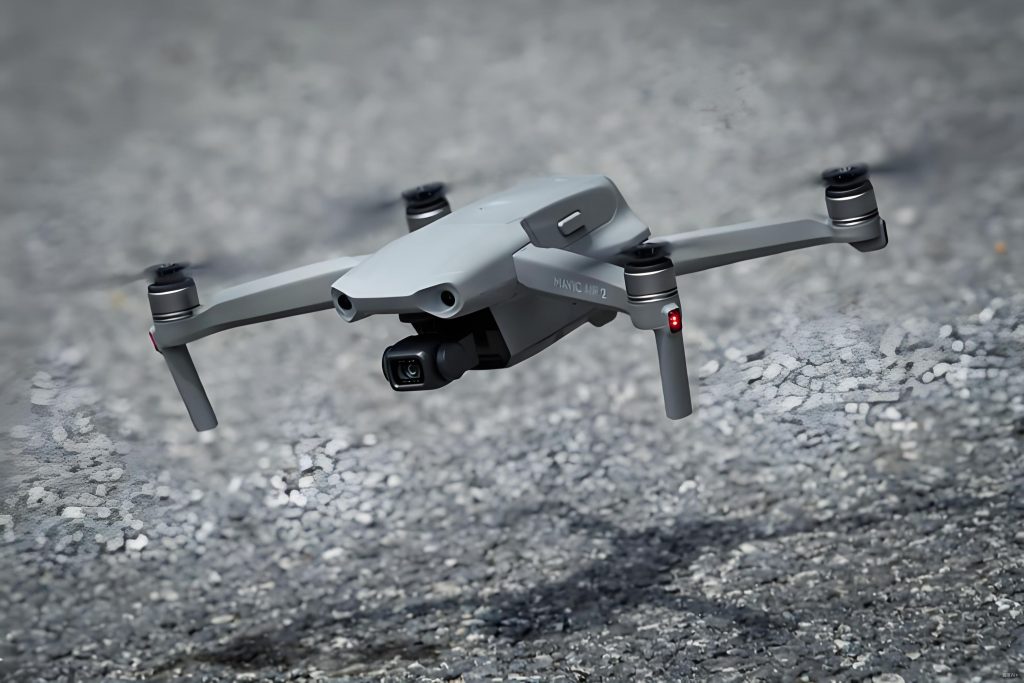
Yin Yong’s proposal comes at a pivotal moment, as China intensifies its focus on the low-altitude economy, a sector that encompasses aerial vehicles like China UAV drones for various applications, including logistics, agriculture, and emergency services. In 2024, the Chinese government explicitly mentioned this domain in its annual work report, underscoring its strategic importance for national development. This policy backing has accelerated research and pilot projects across the country, with postal services emerging as a key area for innovation. The potential of China UAV drone technology to revolutionize mail delivery is immense, offering a way to overcome geographical barriers that have long plagued rural communities. For instance, in regions like the highlands of Tibet or the isolated islands along the coast, traditional vehicles such as trucks or boats are often impractical due to poor road conditions or weather-dependent routes. In contrast, China UAV drones can fly directly over these obstacles, reducing delivery times from days to mere minutes and ensuring that even the most remote households receive timely services.
Despite the promising outlook, the widespread adoption of China UAV drone systems in postal logistics faces several significant challenges. Yin Yong, through his interactions with various快递物流 enterprises, noted that current China UAV drone models are often ill-suited for the demanding environments of rural China. Key issues include limited payload capacity, which restricts the amount of mail that can be transported in a single flight; short battery life, leading to frequent recharging and reduced operational efficiency; and a scarcity of dedicated takeoff and landing points, which complicates route planning and safety protocols. These limitations are particularly acute in areas with extreme topography, such as山区 and高原, where wind conditions, altitude, and temperature fluctuations can further impair China UAV drone performance. Moreover, regulatory frameworks for low-altitude operations are still evolving, creating uncertainty around compliance and airspace management. Without addressing these hurdles, the full potential of China UAV drone technology in postal services may remain untapped, perpetuating the delivery disparities between urban and rural areas.
To tackle these challenges, Yin Yong has put forth a comprehensive set of recommendations aimed at accelerating the integration of China UAV drone solutions into China’s postal network. First, he emphasizes the need for intensified research and development efforts to design specialized China UAV drone models tailored to diverse geographical conditions. This includes enhancing the载重能力 and续航时间 of these aircraft through advancements in battery technology, lightweight materials, and aerodynamic design. For example, developing China UAV drones with increased payloads could allow for the transport of bulkier items, such as agricultural products or medical supplies, while extended flight times would enable longer routes without intermediate stops. Second, Yin Yong calls for the establishment of clear, standardized regulations governing China UAV drone operations in postal services. This would involve creating dedicated management protocols that address safety, privacy, and air traffic control, ensuring that China UAV drone deliveries are both legal and secure. Third, he proposes a sustainable funding model combining government subsidies and market-driven mechanisms to support the deployment of China UAV drone infrastructure, such as building more起降点 in remote villages. By incentivizing postal enterprises to participate in pilot programs, this approach could foster a collaborative ecosystem where China UAV drone technology is tested and refined in real-world scenarios.
The practical benefits of China UAV drone adoption are already evident in pioneering initiatives like the one launched in Suhong County, Jiangsu Province. Recently, the local post office inaugurated Jiangsu’s first “aerial mail route” using China UAV drones to serve Mudun Island, a community previously accessible only by boat. Prior to this innovation, postal workers would spend half a day traveling by vessel to and from the island, a journey that was not only time-consuming but also subject to weather disruptions. With the introduction of China UAV drones, the same trip now takes just 10 minutes, dramatically improving efficiency and reliability. This China UAV drone service has not only streamlined mail delivery but also catalyzed economic activities by enabling faster transport of local agricultural goods to urban markets and facilitating the inflow of consumer products to the island. Residents have reported increased satisfaction with postal services, and early data suggests a rise in e-commerce transactions, underscoring the broader impact of China UAV drone technology on rural livelihoods.
Beyond postal logistics, Yin Yong advocates for expanding the application of China UAV drone systems to support乡村振兴 initiatives. He recommends fostering partnerships between postal agencies, e-commerce platforms, and agricultural cooperatives to develop “China UAV drone plus specialty agricultural products” direct delivery services. In many rural areas, farmers struggle to get their perishable goods, such as fruits, vegetables, or seafood, to market quickly due to transportation bottlenecks. By utilizing China UAV drones, these products can be flown directly from farms to distribution centers or even to consumers’ doorsteps, reducing spoilage and increasing profitability. This model not only boosts local economies but also aligns with national goals of poverty alleviation and sustainable development. For instance, in regions known for specific crops, China UAV drone networks could be integrated with digital platforms to offer real-time tracking and customized delivery options, enhancing the overall value chain. As China continues to promote its low-altitude economy, such innovations position China UAV drone technology as a cornerstone of modern rural infrastructure.
Looking ahead, the scalability of China UAV drone solutions in China’s postal sector depends on collaborative efforts among government bodies, private enterprises, and research institutions. Yin Yong’s proposals have sparked discussions at the national level, with policymakers considering incentives for China UAV drone manufacturers to invest in R&D for postal applications. Additionally, training programs for postal staff on China UAV drone operation and maintenance are being explored to build local capacity. The success of pilot projects like the one in Suhong County could serve as a blueprint for other regions, demonstrating how China UAV drone technology can be adapted to different environments, from deserts to forests. Moreover, as China UAV drone capabilities advance, possibilities for integrating artificial intelligence and IoT sensors could further optimize routes, monitor weather conditions, and enhance security, making postal services more resilient and responsive.
In conclusion, the push for China UAV drone adoption in remote village postal services represents a significant leap forward in addressing long-standing inequalities in access to essential services. Yin Yong’s advocacy, grounded in practical experience and aligned with national policies, highlights the transformative power of innovation in public service delivery. By overcoming technical, regulatory, and infrastructural barriers, China UAV drone technology can not only solve the “last mile” problem but also drive broader socio-economic benefits, from improved logistics to rural revitalization. As China continues to champion the low-altitude economy, the widespread implementation of China UAV drone systems in postal networks could set a global benchmark, showcasing how technology can be harnessed for inclusive growth. The journey toward fully realizing this vision will require sustained investment, collaboration, and adaptation, but the early successes indicate a promising future where China UAV drones become synonymous with efficient, accessible postal services for all.
The ongoing developments in China UAV drone technology are poised to reshape not only postal logistics but also other sectors such as healthcare, where drones could deliver emergency medicines, or disaster response, enabling rapid aid distribution. In the context of postal services, the emphasis on China UAV drones underscores a commitment to leveraging homegrown innovations to meet local needs. As Yin Yong and other stakeholders continue to refine their approaches, the iterative process of testing and implementation will be crucial. For example, future iterations of China UAV drones might feature hybrid power systems for longer endurance or modular designs for easy customization based on payload requirements. Furthermore, public-private partnerships could accelerate the deployment of China UAV drone networks, with companies contributing expertise in aviation tech while government agencies provide regulatory support and funding. This synergy could help standardize China UAV drone operations across provinces, ensuring consistency and safety.
Another critical aspect is the environmental impact of China UAV drone usage. Compared to traditional delivery vehicles that rely on fossil fuels, electric-powered China UAV drones offer a greener alternative, reducing carbon emissions and noise pollution. This aligns with China’s broader environmental goals, such as achieving carbon neutrality, and could make China UAV drone-based postal services a model for sustainable logistics. However, challenges like battery disposal and energy consumption must be addressed through continued innovation in eco-friendly materials and renewable energy sources for charging stations. By prioritizing sustainability, the integration of China UAV drone technology can contribute to a cleaner, more resilient postal system that benefits both people and the planet.
In summary, the advocacy for China UAV drone solutions in remote rural postal services is a testament to the power of visionary leadership and technological advancement. Yin Yong’s efforts, coupled with policy support and practical pilots, are paving the way for a more connected and equitable society. As China UAV drones become increasingly integral to the postal landscape, they hold the potential to transform not just mail delivery but the very fabric of rural life, enabling communities to thrive in the digital age. The continued emphasis on China UAV drone innovation will be essential to overcoming existing hurdles and unlocking new opportunities for growth and development across China’s diverse regions.