
In the rolling hills of Sichuan Province, a quiet revolution is underway as farmers and local authorities tackle the age-old problem of crop straw disposal with cutting-edge technology. The recent field experiment in Zigong City, utilizing China UAV drone systems to transport straw from inaccessible slopes, marks a significant step toward overcoming logistical hurdles that have long plagued agricultural communities. This innovative approach, dubbed the “low-altitude solution,” aims to address the inefficiencies and high costs associated with manual straw搬运 in terrain where traditional vehicles cannot reach. As rural labor forces age and environmental concerns mount, the integration of China UAV drone technology offers a promising path forward, blending modern engineering with practical farm needs.
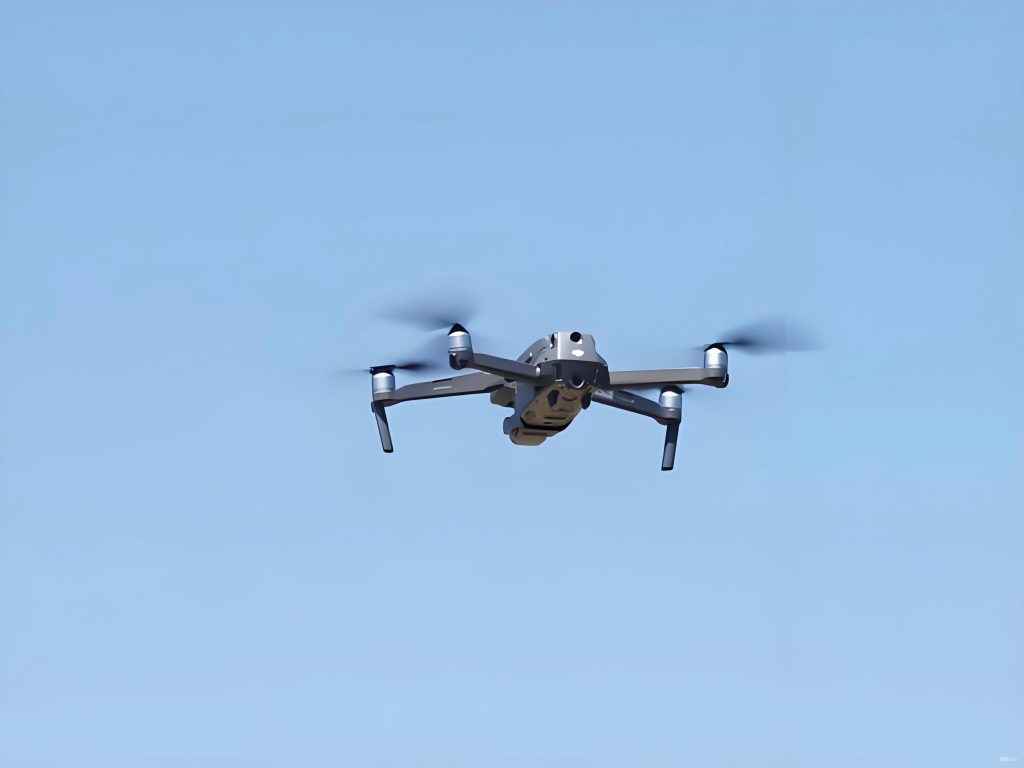
The initiative, centered in Longtan Town, Gongjing District, emerged from grassroots discussions and has quickly gained traction, showcasing how China UAV drone applications can transform agricultural practices. With straw accumulation posing risks of open burning and soil degradation, the push for sustainable utilization has never been more critical. This report delves into the multifaceted aspects of the project, from its inception to its economic and environmental impacts, highlighting the role of China UAV drone systems in fostering a circular economy for agricultural waste.
- The Topographical and Labor Challenges in Hilly Regions
- Design and Execution of the UAV Drone Field Trial
- Economic Analysis: Cost Savings and Efficiency Metrics
- Environmental and Agricultural Benefits of Straw Utilization
- Community Engagement and Institutional Support
- Future Expansion and Broader Applications of UAV Drones in Agriculture
Nestled along the Xushui River, Longtan Town presents a stark contrast in landscapes: flat, fertile riverbanks dedicated to vegetable cultivation and rugged, hilly terrain where over 80% of rapeseed and corn are grown. These slopes, characterized by narrow paths and limited road access, have made straw transport a daunting task. As rural demographics shift toward an aging population, with many farmers over 60 years old, the physical labor required to move heavy straw bundles has become increasingly unsustainable. Local officials, including Longtan Town Party Secretary Wu Yong, noted that留守的老人 (left-behind elderly) often struggle with the sheer volume of straw, leading to delays in field preparation for subsequent crops. Historically, attempts to establish straw collection and storage systems since 2021 involved government-funded equipment like tricycles and shredders, but these measures proved inadequate in remote areas. The first hurdle—moving straw from fields to accessible roads—remained a significant barrier, with manual labor costs soaring to over 200 yuan per person daily and efficiency capped at roughly two tons per day for a team of ten. This scenario underscored the urgent need for a scalable, cost-effective alternative, paving the way for China UAV drone interventions.
The concept of using China UAV drone for straw transport was first proposed by Wang Changchao, Party Secretary of Daocheng Village, during a 2024 people’s congress forum. His idea resonated with local authorities, including the Gongjing District and Zigong City agricultural and environmental bureaus, who recognized the potential of leveraging nearby resources—the Zigong Aviation Industrial Park, Sichuan’s sole full-chain UAV production base. Collaboration with drone manufacturers from the park led to a meticulously planned field trial in May 2025, aimed at testing the feasibility of China UAV drone systems in real-world conditions. Preparations involved extensive terrain mapping to plot safe flight paths, avoiding obstacles like power lines, while the Daocheng Village Straw Collection and Comprehensive Utilization Center upgraded its facilities with advanced straw shredding and compression machinery. Three villagers underwent training in straw bundling techniques to ensure seamless integration with the China UAV drone operations.
On May 8, 2025, the trial commenced in Daocheng’s rapeseed fields, followed by a demonstration for city-wide officials on May 9. A six-rotor heavy-lift China UAV drone, capable of carrying 50 kilograms and operating for up to 30 minutes on a single charge, was deployed to lift and transport straw bundles over a 500-meter radius. The drone, operated by pilot Xiong Zhangjie, utilized pre-programmed routes to navigate the丘陵地形 (hilly terrain), delivering bundles from fields to designated “straw周转暂存点” (temporary storage points) within minutes. Spectators, including local farmers, expressed amazement at the efficiency, with many noting it was their first exposure to such technology. The China UAV drone’s ability to handle loads of approximately 40 kilograms per trip demonstrated its robustness, while real-time monitoring ensured safety and precision. This trial not only validated the technical viability of China UAV drone for agricultural logistics but also highlighted its potential to reduce reliance on human labor in challenging environments.
One of the most compelling outcomes of the China UAV drone initiative is its economic advantage over traditional methods. According to cost-benefit analyses conducted by local officials, transporting one ton of straw via China UAV drone amounts to approximately 200 yuan, compared to the previous manual approach that often exceeded 400 yuan per ton—a reduction of more than half. This calculation factors in the drone’s operational expenses, including battery usage, maintenance, and pilot services, contrasted with the high labor costs and low productivity of human teams. For instance, manual efforts required 10 people to move a maximum of two tons daily, at a daily wage of no less than 200 yuan per person, resulting in per-ton costs that could reach 1,000 yuan or more in difficult terrains. In contrast, the China UAV drone system achieves similar tasks in a fraction of the time, with the added benefit of accessing areas unreachable by vehicles.
Further efficiency gains were realized through the integration of new straw shredding and compression equipment at the Daocheng Village center, which can process up to 500 mu (about 33 hectares) of straw daily. This machinery, coupled with the China UAV drone’s rapid transport, streamlines the entire chain from field to storage, minimizing delays and maximizing throughput. Wang Changchao, overseeing the center’s operations, reported that the combined innovations have transformed a previously loss-making endeavor into a marginally profitable one, with straw sold at 300 yuan per ton to local cooperatives for further processing. The economic sustainability of the China UAV drone model not only benefits farmers by reducing their burdens but also incentivizes broader adoption across similar regions in China.
Beyond economic gains, the China UAV drone project enhances environmental sustainability by facilitating the efficient recycling of agricultural waste. In Longtan Town, the straw is primarily directed toward fertilizer production through a partnership with the Tiancheng Livestock and Poultry Breeding Professional Cooperative. Here, shredded straw is mixed with chicken manure to produce organic fertilizer, with one ton of straw yielding about 1.5 tons of compost. This process, overseen by cooperative head Yang Hong, addresses dual challenges: it provides an eco-friendly alternative to chemical fertilizers for local vegetable growers and resolves the issue of manure disposal from poultry farms. The use of China UAV drone ensures a steady supply of straw, preventing the common practice of open burning, which contributes to air pollution and soil degradation.
Moreover, the project explores additional utilization pathways, such as feed, base materials for mushroom cultivation, and fuel, though these are still in development. Luo Ji, Deputy Director of the Gongjing District Ecological Environment Bureau, emphasized that prior to the China UAV drone integration, high transport costs often led to “technology waiting for straw”—where advanced processing methods were underutilized due to supply chain inefficiencies. Now, with the low-altitude solution, the straw utilization chain operates more smoothly, reducing waste and promoting a circular economy. The environmental impact extends to soil health, as timely straw removal allows for better field management and reduces pest habitats, aligning with national policies on green agriculture and carbon reduction.
The success of the China UAV drone initiative hinges on strong community involvement and multi-level government backing. In Daocheng Village, the straw collection center is managed by the village collective economic union, which coordinates bundling, drone operations, and equipment maintenance. Each村民小组 (village group) has established four to six temporary storage points, enabling the China UAV drone to perform short-distance transfers without disrupting farming schedules. This decentralized approach empowers local residents, who receive training and employment opportunities in straw handling and drone assistance. Secretary Wang Changchao highlighted that the project has fostered a sense of collective ownership, with farmers merely needing to gather straw, while the center handles the rest.
Government support has been instrumental, from funding equipment purchases to facilitating partnerships with UAV manufacturers. The Zigong municipal and Gongjing district authorities have integrated this effort into broader秸秆禁烧 (straw burning bans) and scientific management pilots, providing policy guidance and financial incentives. For example, the initial investment in drones and shredders was partially covered by public funds, demonstrating a commitment to innovation in rural revitalization. This collaborative model, combining grassroots ideas with institutional resources, serves as a blueprint for other regions in China seeking to address similar agricultural challenges through China UAV drone technology.
Looking ahead, the China UAV drone project in Longtan Town aims to expand beyond straw transport to encompass a wider range of agricultural applications. Plans are underway to form village-based UAV service teams that could offer services such as fertilizer and pesticide delivery, crop monitoring, and even aerial seeding. Secretary Wu Yong envisions these teams operating across Sichuan Province, leveraging the expertise gained from the straw initiative to tap into the growing market for precision agriculture. The China UAV drone’s versatility—already demonstrated in timber and fruit transport in other contexts—positions it as a key tool in modernizing China’s farming sector, particularly in remote and topographically complex areas.
Discussions are also ongoing with potential partners, such as edible mushroom enterprises interested in using straw as a substrate, which could further diversify revenue streams. Wang Changchao noted that recent cross-city contracts, like one in Mianyang, to provide straw shredding services, indicate the commercial potential of scaling up China UAV drone operations. However, challenges remain, including the need for standardized regulations, pilot training, and infrastructure development. By addressing these, the “low-altitude solution” could evolve into a comprehensive system that not only solves local straw issues but also contributes to food security and environmental sustainability on a larger scale, solidifying the role of China UAV drone in the future of agriculture.
In conclusion, the integration of China UAV drone technology in Zigong’s hilly farmlands represents a groundbreaking approach to agricultural waste management. By overcoming the logistical and economic barriers of straw transport, this initiative not only boosts efficiency and reduces costs but also promotes environmental stewardship and community resilience. As China continues to innovate in UAV applications, the lessons from Longtan Town could inspire similar projects nationwide, harnessing the power of China UAV drone to build a more sustainable and productive agricultural ecosystem. The journey from field experiments to widespread adoption underscores the transformative potential of technology when aligned with local needs and supportive policies.