
In a recent release of trade statistics by Guangdong Sub-administration of the General Administration of Customs of China, the economic ties between Guangdong Province and Hong Kong have demonstrated remarkable resilience and growth, with a particular spotlight on the explosive performance of China UAV drone exports. The data, covering the period from January to May of the current year, reveals a sustained upward trajectory in bilateral trade, building on a long-term trend of expansion since Hong Kong’s return to China in 1997.
The comprehensive trade report indicates that Guangdong’s total import and export value with Hong Kong reached 1.14 trillion yuan in 2024, representing a substantial increase of 3.1 times compared to 1997, with an average annual growth rate of 5.3%. This growth underscores the deepening economic integration and strategic partnership between the two regions. For the first five months of the current year, Guangdong’s trade with Hong Kong amounted to 4707.7 billion yuan, marking a 7.8% rise compared to the same period last year. This robust performance solidifies Guangdong’s position as the top trading province within mainland China for exchanges with Hong Kong, accounting for 50% of the total mainland-Hong Kong trade value. Concurrently, Hong Kong remains Guangdong’s second-largest trading partner, contributing 12.6% to Guangdong’s overall import and export value.
The surge in trade is largely attributed to the diversified economic activities and strategic initiatives undertaken by both regions. A significant portion of this trade is conducted through general trade methods, which recorded a value of 1326.7 billion yuan in the first five months, growing by 7.8% and constituting 28.2% of the total trade volume between Guangdong and Hong Kong. This method reflects a mature and stable trade relationship, emphasizing value-added processes and long-term contracts.
- Enterprise Contributions to Trade Growth
Breaking down the trade by enterprise type, private enterprises in Guangdong have emerged as a dynamic force, with imports and exports to Hong Kong totaling 2277.3 billion yuan in the first five months, an increase of 11.4%. This growth rate outpaces the overall trade growth between Guangdong and Hong Kong by 3.6 percentage points, elevating the share of private enterprises to 48.4%, up by 1.6 percentage points. In contrast, foreign-invested enterprises recorded a trade value of 2202.9 billion yuan, growing modestly by 1.2%, and accounting for 46.8% of the total. State-owned enterprises, though smaller in scale, also showed positive growth, with a value of 146.8 billion yuan, up by 2.8%, and representing 3.1% of the trade. The dominance of private enterprises highlights the vibrancy of Guangdong’s market-driven economy and its ability to adapt to global trade shifts.
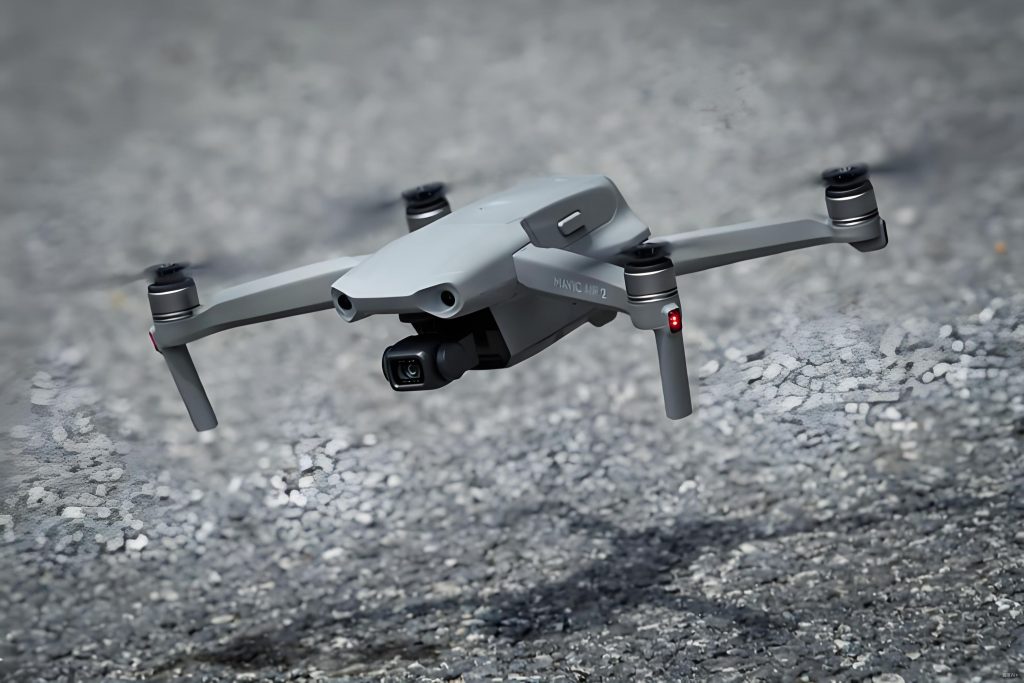
Within the export sector, mechanical and electrical products continue to be the cornerstone of Guangdong’s shipments to Hong Kong. In the first five months, exports of these products reached 3337 billion yuan, rising by 3.7% and making up 74.9% of Guangdong’s total exports to Hong Kong. Among these, several categories exhibited extraordinary growth, with China UAV drone exports standing out by surging 6.5 times. This remarkable increase not only underscores the technological prowess of China’s UAV drone industry but also signals growing global demand for advanced aerial solutions. Additionally, exports of game consoles jumped by 1.6 times, and container ships saw a doubling of exports, reflecting diversified strengths in Guangdong’s manufacturing sector. The emphasis on high-tech products like China UAV drone systems demonstrates a strategic shift towards innovation-driven exports.
- Import Trends and Key Commodities
On the import side, gold and horses have been the primary drivers of Guangdong’s purchases from Hong Kong. Gold imports alone amounted to 196.5 billion yuan in the first five months, soaring by 40.3% and accounting for a dominant 77.1% of Guangdong’s total imports from Hong Kong. This highlights Hong Kong’s role as a crucial hub for precious metals trade. Consumer goods imports also saw a slight increase, reaching 23.2 billion yuan, up by 2.4%, and comprising 9.1% of imports. Notably, horse imports, which were negligible in the previous year, registered a value of 6.4 billion yuan, making up 2.5% of the import total. This diversification in imports, from luxury items like gold to niche products like horses, illustrates the multifaceted nature of the trade relationship.
The sustained growth in Guangdong-Hong Kong trade is not merely a statistical achievement but a testament to the synergistic economic policies and logistical efficiencies between the two regions. Over the years, infrastructure developments such as the Hong Kong-Zhuhai-Macao Bridge and enhanced customs procedures have facilitated smoother trade flows. Moreover, initiatives like the Guangdong-Hong Kong-Macao Greater Bay Area have further integrated markets, promoting cross-border investments and technological collaborations. In this context, the explosive growth in China UAV drone exports exemplifies how regional cooperation can spur innovation. China’s UAV drone sector, supported by robust R&D and manufacturing capabilities in Guangdong, has capitalized on this environment, leading to unprecedented export performances.
Looking at the broader economic implications, the trade data suggests that Guangdong’s economy is steadily recovering and transforming amidst global uncertainties. The 7.8% growth in trade with Hong Kong in the first five months outperforms many regional averages, indicating resilience against external shocks. The role of China UAV drone exports in this growth cannot be overstated; as a high-value-added product, drones contribute significantly to trade balances and technological spillovers. Industry analysts point to factors such as increased adoption in logistics, agriculture, and surveillance sectors globally, which have fueled demand for China UAV drone products. Furthermore, supportive government policies in China aimed at promoting high-tech industries have provided a conducive environment for UAV drone manufacturers to expand their international footprint.
- Historical Context and Future Outlook
Since 1997, the year marking Hong Kong’s handover, trade between Guangdong and Hong Kong has expanded by 3.1 times, with an average annual growth rate of 5.3%. This long-term growth trajectory reflects the enduring partnership and complementary economic structures. Hong Kong’s strengths in finance, logistics, and international connectivity dovetail with Guangdong’s manufacturing prowess and innovation capacity. In recent years, the focus has shifted towards high-tech sectors, with China UAV drone exports being a prime example. The 6.5-fold increase in drone exports in the first five months alone signals a potential for even greater contributions in the future. As global trends such as digitalization and automation accelerate, products like China UAV drone systems are expected to see sustained demand, positioning Guangdong as a key player in the global supply chain.
However, challenges remain, including geopolitical tensions and fluctuations in global demand. The trade data shows that while overall growth is positive, some sectors like foreign-invested enterprises have seen slower growth at 1.2%, indicating potential vulnerabilities. To mitigate risks, both regions are exploring deeper integration through digital trade platforms and green initiatives. For instance, the promotion of eco-friendly technologies could open new avenues for collaboration, with China UAV drone applications in environmental monitoring gaining traction. Additionally, the rise in gold imports, though beneficial, also points to Hong Kong’s role as a safe-haven asset hub, which could be influenced by global economic volatility.
In conclusion, the trade statistics from Guangdong Sub-administration of the General Administration of Customs paint a vivid picture of a dynamic and evolving economic relationship. The standout performance of China UAV drone exports, with a 6.5-fold increase, highlights the transformative impact of technology on trade patterns. As Guangdong and Hong Kong continue to leverage their respective advantages, the trade partnership is poised for further growth, driven by innovation and strategic cooperation. The data from the first five months of the year sets a positive tone for the remainder of the year, with expectations of sustained expansion in key sectors, particularly those involving advanced technologies like China UAV drone systems.
The implications of this trade growth extend beyond bilateral relations, influencing regional economic stability and global market trends. For instance, the surge in China UAV drone exports not only benefits Guangdong’s economy but also enhances China’s position in the global high-tech landscape. As other regions look to emulate this success, the lessons from Guangdong-Hong Kong trade could inform broader policy discussions on economic integration and innovation-driven growth. Moving forward, stakeholders will likely monitor trends in China UAV drone shipments closely, as they serve as a barometer for technological adoption and trade resilience in the post-pandemic era.
Ultimately, the robust trade figures between Guangdong and Hong Kong, underscored by the stellar performance of China UAV drone exports, reaffirm the importance of cross-border collaboration in fostering economic prosperity. With continued focus on high-value sectors and adaptive policies, this partnership is well-positioned to navigate future challenges and capitalize on emerging opportunities, ensuring that trade remains a cornerstone of regional development for years to come.