
In a rapidly urbanizing world, the maintenance of towering glass facades has become a critical task, and China is at the forefront of integrating innovative solutions. The traditional method of employing “spidermen” for high-rise cleaning is now being challenged by the emergence of China UAV (unmanned aerial vehicle) technology. This shift is not just about efficiency and cost; it represents a broader transformation in the industrial landscape, where China drone applications are expanding into various sectors, including building maintenance. Recent demonstrations, such as those in Shanxi Province, highlight how China UAV systems are being deployed to clean monuments and skyscrapers with precision, signaling a potential revolution in how cities manage their architectural upkeep. As demand for facade cleaning grows due to municipal regulations, the competition between human expertise and robotic automation is intensifying, offering insights into the future of work and technology in China’s urban environments.
1. Expanding Market Demand Driving Technological Innovation
The proliferation of glass curtain walls in modern architecture has led to increased regulatory requirements for regular cleaning, creating a substantial market for high-rise maintenance services. In cities like Chongqing and Nanjing, local regulations mandate that glass facades be cleaned at least once a year, fostering a consistent demand for efficient cleaning methods. This has paved the way for China UAV technology to enter the scene, with companies like Shanxi Haochen Low-Altitude pioneering drone-based cleaning solutions. Initially trialed in Shanxi, these China drone operations have quickly expanded to regions including Beijing, Tianjin, Hebei, and Shandong, demonstrating the scalability of this approach. The cleaning targets have diversified from building facades to include photovoltaic panels, bridges, and memorial structures, with plans to extend into areas like dust removal, rust elimination, painting, and lifting operations. This growth underscores how China UAV systems are not merely replacing old methods but are creating new opportunities in the low-altitude economy, driven by the need for safer, more effective maintenance in densely populated urban areas.
2. Efficiency Comparison: China UAV Outperforms Traditional Methods
When it comes to cleaning high-rise glass facades, the efficiency of China UAV operations has proven superior to that of traditional “spidermen.” In a notable case from March, a team of five operators using a China drone managed to clean over 20,000 square meters of glass curtain wall on a nearly 100-meter-tall building in just two days. The drone, equipped with high-precision positioning systems, intelligent recognition algorithms, and eco-friendly cleaning devices, flew to predetermined spots, identified stains accurately, and cleaned them with optimal pressure and angle, leaving the entire structure gleaming. This efficiency was further highlighted in a December 2024 competition in Shenzhen’s Luohu District, where a China UAV team completed the task in half the time required by human cleaners. The ability of China drone technology to handle curved surfaces, hollow structures, and high-altitude monuments without leaving dead zones adds to its advantage, as it can navigate complex geometries that pose challenges for manual methods. Such demonstrations show that China UAV solutions are not only faster but also more thorough, reducing the time buildings are under maintenance and minimizing disruptions to urban life.
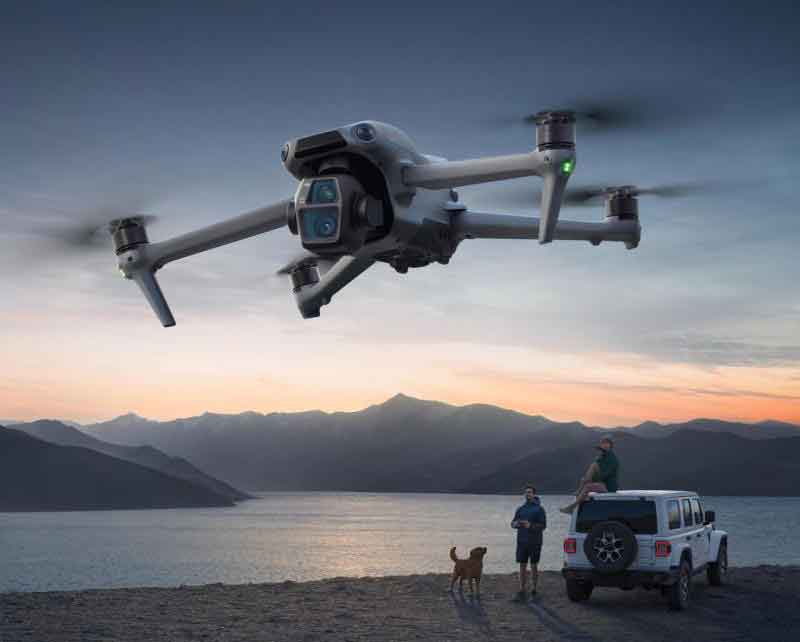
3. Cost Advantages of China Drone Operations in Facade Cleaning
Beyond efficiency, the economic benefits of employing China UAV for glass facade cleaning are becoming increasingly apparent. Traditional “spidermen” services in cities like Taiyuan typically charge between 5 to 10 yuan per square meter, depending on factors such as building structure and dirt levels. In contrast, companies utilizing China drone technology, such as Shanxi Haochen, offer rates as low as 2 yuan per square meter, making it a more affordable option for property managers and municipalities. This cost reduction stems from the lower labor requirements and reduced equipment expenses associated with China UAV operations; whereas human cleaners rely on ropes, seats, and sometimes electric baskets that drive up costs, drones operate with minimal human intervention and can cover large areas quickly. The savings are not just financial—they also translate into reduced risks and liabilities, as China drone systems eliminate the need for workers to scale dangerous heights, potentially lowering insurance premiums and enhancing overall project sustainability. As more entities adopt China UAV for cleaning, the cumulative cost benefits could accelerate the technology’s integration into mainstream maintenance protocols.
4. Skill Divergence: Certifications and Training for China UAV and Traditional Roles
The shift toward China UAV in facade cleaning has introduced new skill requirements for workers, creating a divide between traditional “spidermen” and drone operators. For instance, Liu Xujun, a migrant worker from Sichuan with over a decade of experience in high-rise cleaning, holds a high-altitude work certificate issued by emergency management authorities, which emphasizes physical endurance and safety protocols. In his role, he depends on ropes, seats, and tools like buckets and scrapers to clean while suspended, often facing hazards such as sudden winds that require quick thinking and the use of suction cups for stability. On the other hand, operators like Tian Xin, who pilot China drone systems, must obtain a “pilot certificate” from civil aviation authorities, involving self-funded training that can cost upwards of 10,000 yuan. This certification focuses on technical proficiency in operating China UAV, including navigation, maintenance, and software management, rather than physical prowess. The disparity highlights how the industry is evolving: while “spidermen” bring invaluable hands-on experience in dealing with unpredictable conditions, China drone operators contribute cutting-edge technical skills, suggesting that future workforce development may require hybrid training programs to bridge this gap.
5. Collaborative Potential: Integrating China UAV with Traditional Expertise
Despite the competition, there is growing recognition that China UAV and traditional “spidermen” can complement each other, leading to collaborative opportunities that enhance the overall cleaning industry. Companies specializing in manual cleaning have begun approaching China UAV firms like Shanxi Haochen to explore partnerships, aiming to combine the reliability of human oversight with the efficiency of drone technology. For example, the extensive experience of “spidermen” in assessing building conditions and handling emergencies could be invaluable in training China drone operators, providing insights into real-world challenges that machines might overlook. Moreover, traditional cleaning companies could pivot toward offering customized solutions that integrate China UAV for routine tasks while reserving human teams for intricate repairs or inspections. This synergy is already being fostered through initiatives like the 23,000-square-meter training base for China drone pilots, which has graduated nearly 100 students across five sessions and aims to expand into broader low-altitude economy sectors. By leveraging the strengths of both approaches, the industry can develop more resilient and adaptive cleaning strategies, ensuring that China UAV technology does not displace workers but rather creates new roles in areas like drone maintenance, data analysis, and specialized consulting.
6. Future Outlook: Technological Advancements and Market Expansion for China UAV
Looking ahead, the trajectory for China UAV in facade cleaning points toward continued innovation and broader adoption, driven by advancements in drone capabilities and increasing market acceptance. Currently, limitations such as finite battery life pose challenges, but companies like Shanxi Haochen are collaborating with manufacturers to enhance China drone endurance and performance. Future developments may include AI-powered China UAV that can autonomously plan cleaning routes, adapt to weather changes, and use eco-friendly cleaning agents to minimize environmental impact. The potential applications extend beyond glass facades to include infrastructure maintenance, agricultural monitoring, and urban management, positioning China drone technology as a cornerstone of the low-altitude economy. As regulations evolve and public awareness grows, the integration of China UAV into daily operations could become standard, offering a blueprint for other countries facing similar urban maintenance demands. Ultimately, the evolution of this sector underscores a broader trend: China UAV is not just a tool for cleaning but a catalyst for industrial transformation, where human ingenuity and robotic precision converge to build smarter, safer cities.
In conclusion, the face-off between “spidermen” and China UAV in high-rise facade cleaning illustrates a dynamic shift in China’s industrial landscape, where technology and tradition are finding new ways to coexist. The efficiency and cost benefits of China drone operations are undeniable, yet the irreplaceable skills of human workers in complex scenarios ensure that both methods will have a place in the market. As collaborations deepen and China UAV technology advances, the industry is poised to offer more innovative, safe, and sustainable solutions, benefiting urban environments worldwide. This journey highlights how China drone applications are reshaping not only cleaning practices but also the future of work, emphasizing the importance of adaptation and synergy in an era of rapid technological change.