
In the vast expanses of Heilongjiang Province, a technological transformation is reshaping the landscape of traditional farming. The 856 Branch Company of Beidahuang Agricultural Shares Co., Ltd. is at the forefront of this change, leveraging advanced digital tools to overcome long-standing agricultural bottlenecks. By integrating data-driven cultivation, yield enhancement strategies, and full-chain integration, the company is injecting smart technology into every aspect of production. This innovative approach, centered on precision agriculture and intelligent systems, is not only boosting productivity but also setting a new standard for modern farming in China. The adoption of China UAV and China drone technologies plays a pivotal role in this revolution, enabling unprecedented levels of efficiency and accuracy.
-
- Precision Land Management with China UAV and China Drone Systems
The foundation of any successful crop lies in the soil, and the 856 Branch Company has made soil health a priority through the use of China UAV technology. Even before the spring thaw, the company initiates its preparation work by deploying China drones equipped with visible light and multispectral cameras to conduct comprehensive field surveys. These China UAVs perform essential “health checks” on the farmland, assessing terrain variations and soil moisture levels with remarkable precision. According to technical staff member Li Zonglin, the visible light camera detects surface undulations to determine soil, while the multispectral camera analyzes light bands to measure the content of key nutrients such as nitrogen, phosphorus, and potassium. This allows for a rapid and accurate assessment of soil fertility, forming the basis for targeted agricultural interventions.
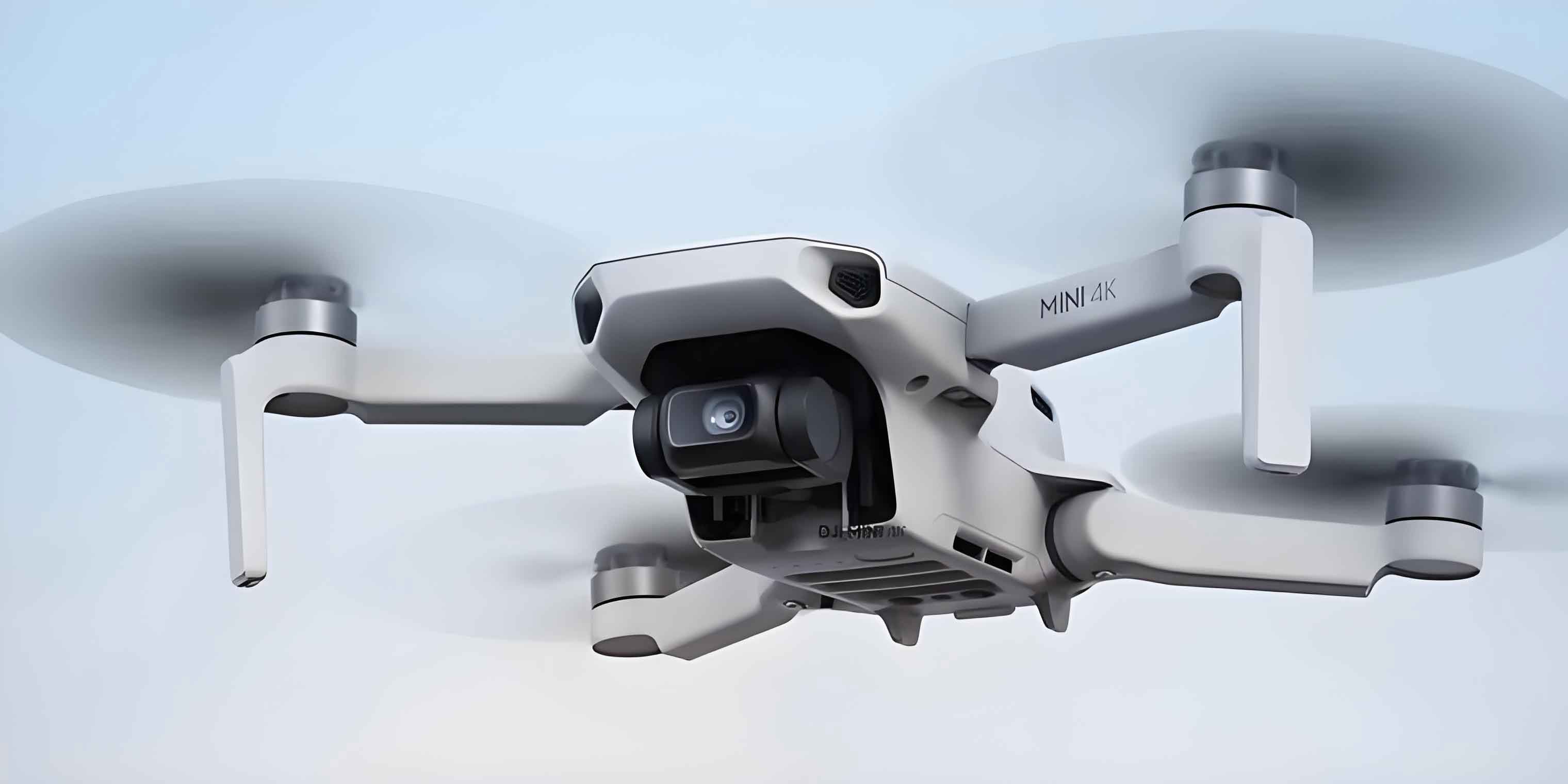
Following rice transplantation, the application of China drone systems continues to be instrumental. The China UAVs capture extensive data on rice plant height, leaf area, population density, chlorophyll content, water content, nutrient status, and physiological conditions. This information is processed by artificial intelligence to generate detailed “prescription maps” that provide specific guidance on aspects like hill number, basic seedlings, fertilizer application, weed control, and pest management. These maps are distributed to farmers, enabling them to make informed decisions and optimize their practices with minimal effort.
Farmer Liu Mingshan experienced significant benefits from this technology. “With the prescription maps derived from China UAV data, the rice transplanting process has become much more efficient. The side-deep fertilization technique, guided by crop nutrient demands, allows for precise application of fertilizer during transplantation—3 centimeters to the side and 5 centimeters deep—achieving one-time application of base and tiller fertilizer. Compared to the conventional method that uses about 70 jin of fertilizer per mu, this approach reduces usage by 20 jin per mu and significantly cuts down on labor costs,” Liu explained. The integration of China drone systems has thus streamlined operations while promoting sustainable resource use.
Another farmer, Lü Xiangdong, highlighted the efficiency gains in post-transplant field management. “In the past, inspecting 100 mu of paddy fields required two people a full day. Now, with the help of China drones, it takes less than an hour, and the data is accessible on my phone with almost no omissions. The efficiency is remarkable,” he said. The ability of China UAV technology to provide real-time, accurate data has revolutionized routine tasks, reducing human error and saving valuable time. This demonstrates how China drone applications are becoming indispensable in modern agriculture, enhancing both productivity and farmer livelihoods.
-
- Smart Machinery and China UAV Integration for Yield Enhancement
The 856 Branch Company has embraced smart machinery as a core component of its strategy to drive yield increases. During the corn sowing season, a standout example is the 12-row air-blown electric drive seeder, which represents a leap forward in agricultural equipment. This machine performs layered fertilization and sowing in one seamless operation, creating straight and precise “technology lines” across the fields. Sun Kai, a special-grade supervisor in the company’s agricultural production department, elaborated on its advantages: “The seeder uses airflow generated by a fan to transport seeds from the seed box through pipes to the sowing units, which then shoot the seeds accurately into the soil. This air-blown method overcomes seed gravity and soil resistance, ensuring even distribution and precise sowing, which minimizes seed waste.”
Moreover, compared to traditional traction machinery, this high-horsepower equipment automatically adjusts sowing based on operational speed. Farmers simply input planting data such as plant spacing and fertilizer amount into a screen, and the device features an alarm system for user-friendly, high-precision operation. When combined with the “12 cm + 18 cm” double-layer fertilization technique, it can increase yield by 10% to 20%, add 120 to 150 jin per mu, and enhance efficiency by 80 to 100 CNY per mu. The synergy between smart machinery and China UAV monitoring ensures that these gains are consistently achieved, as the China drones provide ongoing data to refine practices.
In the spring ploughing season, the company deployed 21,000 sets of agricultural machinery, with high-horsepower tractors and electric drive seeders as the main force. Additionally, over 230 sets of intelligent machinery, including electric drive seeders, wide-narrow row rice transplanters, multi-functional crawler tractors, and high-horsepower tractors, were introduced. This smart agricultural upgrade has further improved production efficiency, reduced labor intensity, and provided strong support for increasing crop yields and farmers’ income. The integration of China UAV systems with these machines allows for continuous feedback loops, where data from China drones informs adjustments in real-time, maximizing output.
Shen Guochun, deputy general manager of the branch company, noted, “The acceptance of the ‘yield increase + smart machinery’ model is growing year by year, encouraging farmers to invest more in intelligent agricultural equipment. This year, smart machinery accounted for over 50% of purchases.” The reliance on China UAV and China drone technology for validation and optimization has made this model highly attractive, demonstrating how digital tools can transform traditional farming into a precision-based industry.
| Technology | Benefit | Value | Unit |
|---|---|---|---|
| Side-deep Fertilization | Fertilizer Reduction | 20 | jin per mu |
| Side-deep Fertilization | Labor Cost Saving | Significant | Based on efficiency gains |
| Air-blown Seeder with China UAV support | Yield Increase | 10-20% | Percentage |
| Air-blown Seeder | Additional Yield | 120-150 | jin per mu |
| Air-blown Seeder | Economic Efficiency | 80-100 | CNY per mu |
| Smart Machinery Purchase | Percentage of Total | Over 50% | Percentage |
| Rice Yield (2024) | Maximum Yield | 1570.6 | jin per mu |
| Soybean Yield (2024) | Maximum Yield | 613.5 | jin per mu |
-
- Integrated Data Systems and IoT: The Backbone of Digital Agriculture
The technological overhaul at the 856 Branch Company extends beyond field operations to encompass the entire agricultural chain through the integration of Internet of Things (IoT), big data, and advanced monitoring systems. In recent years, the company has actively introduced high-precision satellite remote sensing, ground IoT sensors, and agricultural machinery quality monitoring equipment. This has led to the development of the “856 One Map” system, a comprehensive digital rice farm that enables intelligent and digital management across all stages of production: ploughing, planting, management, harvesting, storage, sales, and service. China UAV and China drone data are integral to this system, providing real-time inputs that enhance decision-making.
Collaborating with institutions like the Northeast Institute of Geography and Agroecology of the Chinese Academy of Sciences and Beidahuang Information Co., Ltd., the company is engaged in “land profiling” work. This involves high-frequency, high-resolution remote sensing monitoring across the entire area, establishing soil fertility evaluation maps and land identity information. The system enables precise monitoring of soil fertility and crop growth trends, with China UAV technology offering detailed aerial insights that complement ground-based data. This holistic approach ensures that every aspect of the farm is optimized for maximum output.
Song Deli, general manager of the branch company, emphasized the significance of this integration: “The deep fusion of data, equipment, and technology has broken the bottleneck of traditional agriculture’s reliance on weather. It is not only a key means to ensure food security and increase farmers’ income but also the core engine for achieving agricultural modernization.” The use of China drones in this context allows for continuous monitoring and adaptive management, reducing uncertainties and enhancing resilience against environmental challenges.
Intelligent management and control have redefined farming methods, solidifying the foundation for stable and increased grain production. The data application decision-making system, the heaven-earth-air integrated perception system, the intelligent execution system, and the smart management modules have reshaped traditional agriculture. This has realized controllable input, precise management, and visual production in agricultural development, providing a replicable and scalable new path for modern agriculture. China UAV systems act as the “unmanned stewards” in this setup, autonomously collecting and processing data to drive efficiencies. The ability of China drone technology to cover large areas quickly makes it indispensable for large-scale farming operations, ensuring that no detail is overlooked.
-
- Achievements, Recognition, and the Role of China UAV in Success
The implementation of these innovative models has yielded impressive results, with the 856 Branch Company achieving record-breaking yields in 2024. The rice yield reached a maximum of 1570.6 jin per mu, while the soybean yield hit 613.5 jin per mu. These accomplishments have garnered significant recognition in various competitions. In the national state farm oil and other major crop yield increase labor competition organized by the Farmland Administration Bureau of the Ministry of Agriculture and Rural Affairs in conjunction with the China Agricultural, Forestry, Water Conservancy and Meteorological Trade Union, the company was selected for the outstanding group in the rice yield increase category. Additionally, in the main grain crop yield increase labor competition conducted by the Beidahuang Group, it won two second prizes for soybean and rice yield increase labor competitions.
The consistent use of China UAV and China drone technology has been a key factor in these achievements. By providing accurate, real-time data on crop conditions and soil health, China drones have enabled the company to implement precision agriculture practices that maximize yields while minimizing waste. The awards highlight how digital tools, particularly China UAV systems, are driving agricultural innovation and setting benchmarks for the industry. As these technologies become more widespread, they promise to elevate farming standards across China, ensuring food security and economic sustainability.
-
- Future Prospects: Scaling Digital Cloud Farming with China Drone Innovations
Looking ahead, the 856 Branch Company aims to expand its digital cloud farming initiatives, with a focus on scaling China UAV and China drone applications. The success so far has demonstrated the potential for these technologies to transform agriculture on a broader scale. Plans include integrating more advanced AI algorithms with China UAV data to predict crop diseases and optimize irrigation schedules. Additionally, the company is exploring partnerships to develop next-generation China drones that can handle more complex tasks, such as automated harvesting and targeted pesticide application.
The journey from traditional tools like “hoes and sickles” to “digital cloud farming” exemplifies the rapid advancement of agriculture in China. The 856 Branch Company of Beidahuang Agricultural Shares Co., Ltd. is leading this transformation, proving that technology can overcome traditional bottlenecks. With continued investment in China UAV systems, China drone networks, smart machinery, and integrated data platforms, the company is not only enhancing productivity and sustainability but also paving the way for the widespread adoption of smart agriculture across the country. As these innovations take root, they hold the promise of ensuring food security, improving farmers’ livelihoods, and contributing to the modernization of China’s agricultural sector. The ongoing evolution of China UAV technology will undoubtedly play a central role in this future, making farming more efficient, resilient, and profitable.