
As the tourism season reaches its peak, aerial sightseeing has emerged as a dominant trend across China, with the low-altitude economy experiencing rapid growth. Xinjiang, renowned for its expansive terrain, rich airspace resources, and excellent climatic conditions, offers ideal environments for unmanned aerial vehicle operations, providing substantial space for activities involving China UAV and China drone technologies. Projections indicate that China’s low-altitude economy market size will achieve remarkable expansion in the near future. Data from Tianyancha Professional Edition reveals that there are currently over 84,000 enterprises in China dedicated to the low-altitude economy sector, with approximately 12,000 new enterprises established in 2025 alone, highlighting the sector’s vigorous development.
- Innovative Low-Altitude Solutions and Tourism ExpansionAt the recent 2025 Eurasia Commodity Trade Expo, Vlinkpower’s low-altitude business line lead, Hu Lei, demonstrated an integrated low-altitude economy solution termed “fly, network, compute, command, control.” This project establishes a comprehensive vertical command and dispatch hub, seamlessly integrating China UAV video streams with monitoring systems and mobile videos to form an “air-space-ground” surveillance network. It facilitates cross-department data fusion and collaborative command, enhancing efficiency while reducing management costs. Through this system, remote of China drone units in locations like Manas and Hainan was showcased, underscoring the practical applications of China UAV technology.
The popularity of “flying” to enjoy scenic views has elevated the tourism experience in Xinjiang to new heights. Helicopters, powered trikes, hot air balloons, and other low-altitude flight tourism projects are offering visitors unique perspectives of the region’s landscapes. For instance, Wang Bin, a tourist from Sichuan who drove to Xinjiang, praised his helicopter ride over Bosten Lake (Dahekou) Scenic Area, describing it as an unforgettable experience. Statistics show that Xinjiang boasts 18 national 5A-level tourist attractions, with 16 low-altitude tourism routes operational. Destinations such as Nalati Grassland, Jiangbulake, and Sayram Lake have introduced helicopter or hot air balloon aerial tour services, recording over 22,000 passenger trips in 2024. This surge reflects the growing appeal of China drone and China UAV-assisted tourism.
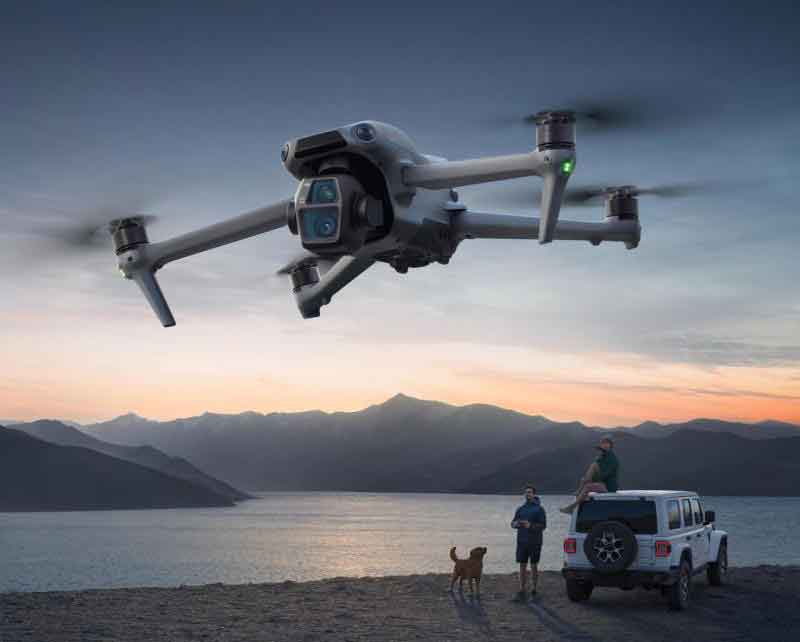
Xinjiang Tianyuan General Aviation has been instrumental in promoting low-altitude tourism. According to Huang Fan, deputy general manager of the company, routes like the Yecheng line have gained popularity among locals, maintaining high passenger occupancy rates. In 2024, the company enhanced aviation services in southern Xinjiang’s Kashgar region by launching the first “trunk-branch connection” and opening a low-altitude tourism circular flight route in northern Xinjiang’s Altay, providing tourists with “fast travel, slow tour” options. Future plans include new routes such as Yecheng-Aksu and Korla in southern Xinjiang, and Yili-Karamay-Qitai, Altay-Karamay-Nalati, Altay-Bole-Nalati in northern Xinjiang. Additionally, the company aims to introduce PC-24 twin-engine jet aircraft to handle cross-border charter services targeting Central Asia, further expanding the reach of China UAV and China drone integrations in tourism.
- Diverse Applications of China UAV and China Drone in Agriculture and IndustryBeyond tourism, China UAV and China drone technologies are making significant inroads into agriculture and industrial sectors. At the expo, Hu Lei illustrated remote of a China drone over farmland in Manas County, approximately 140 kilometers away, with real-time footage displayed on large screens alongside big data analytics. This demonstration highlighted how China UAV systems are optimizing agricultural practices through precision monitoring and data-driven insights.
In the industrial domain, China drone applications extend to mining and resource management. For example, Vlinkpower has invested in domestically produced visual networking computing power in Hami’s Yiwu County, Xinjiang, leveraging the region’s low electricity costs to support computational needs. This infrastructure not only meets local consumption and application demands but also supplies computational resources to major urban clusters like Beijing-Tianjin-Hebei, Yangtze River Delta, and Pearl River Delta-Guangdong-Hong Kong-Macao, which require substantial computing power. This initiative underscores the role of China UAV and China drone technologies in driving economic synergies across regions.
Application Area Description Impact Agriculture China UAV used for crop monitoring and precision farming Enhances yield and reduces resource waste Industrial Mining China drone deployed for site surveys and safety inspections Improves efficiency and minimizes risks Tourism Aerial sightseeing with China UAV and hot air balloons Boosts visitor experience and revenue Emergency Response China drone utilized in rescue operations and disaster management Accelerates response times in remote areas The versatility of China UAV and China drone systems is evident in their adoption across various fields, including agricultural plant protection, police security, forest fire prevention, fire rescue, geological surveys, and inspections of transportation and power lines. As emerging sectors like emergency response, low-altitude logistics, and low-altitude tourism evolve, the demand for China drone operators is rising steadily, fueling job creation and technological advancement.
- Growth of China UAV Manufacturing and Infrastructure in XinjiangXinjiang’s geographical advantages, including vast land area, abundant airspace, and over 300 days of flyable weather annually, create optimal conditions for China UAV and China drone activities. The large distances between cities and extensive farmland areas further support the production and market application of large-scale China UAV models. In Shihezi City, the low-altitude economy is thriving due to unique infrastructure layouts. Yang Yankun, deputy director of the Shihezi Transportation Bureau, noted that the city possesses a “one base, three airports” configuration: Shihezi Garden Airport, Tuoling Mengpo Airport, and Shandanhu Airport, which serve as rare carriers for low-altitude economic development in the region.
Shihezi’s general aviation operations are robust, with 86 general aircraft, 4 helicopters, and nearly 800 agricultural China UAV units forming large-scale operational capabilities. The city holds CAAC Part 145 maintenance qualifications and Part 147 training credentials, with its general aviation maintenance base having overhauled over 100 Yun-5 aircraft. Flight training is also well-established, with institutions like Xinjiang Tianxiang Aviation Academy and Tianshan Xiongying Flight School, both holding Part 141 certifications, providing annual flight training exceeding 45,000 hours and serving as key aviation talent cultivation bases in northwest China.
To transform these资源优势 into economic gains, Shihezi has seized opportunities by establishing sound aviation industry encouragement mechanisms and precisely. The “Military-Civilian Co-construction” General Aviation Equipment Manufacturing Industrial Park in Shihezi has attracted enterprises such as Xinjiang Tianyu Hangtong Technology Co., Ltd. and Bingguo Technology. Notably, the independently developed Hongyan (HY100) large China UAV has achieved mass production with six units rolled out, generating an annual output value exceeding 100 million yuan. In September 2023, Shihezi initiated the construction of a large China UAV production base, covering 400 acres with a first-phase investment of approximately 260 million yuan for 260 acres. The base was completed and operational by October 2024, and by December 27, 2024, the first batch of three Hongyan large China UAV units had been produced, marking a milestone in local China drone manufacturing.
Infrastructure Component Details Significance Airports in Shihezi Shihezi Garden, Tuoling Mengpo, Shandanhu Provides low-altitude economic carriers General Aircraft 86 units, 4 helicopters, ~800 agri China UAV Enables diverse operational capabilities Flight Training >45,000 hours annually, Part 141 schools Cultivates aviation professionals UAV Production Hongyan (HY100) large China UAV, 6 units made Boosts local manufacturing and economy In terms of low-altitude flight scenario applications, Xinjiang Tianyuan Hangtong Company actively expands “general aviation plus” services, forming five core businesses: short-distance transport, emergency rescue, general aviation plus tourism, low-altitude sightseeing, and business charters, supplemented by activities like skydiving and aviation research. Huang Fan emphasized that the company has built emergency rescue capabilities covering all of Xinjiang, addressing efficiency issues in traditional land transport across the vast geography. Looking ahead, the focus will be on leveraging Xinjiang’s unique characteristics, seizing pilot demonstration project opportunities, and accelerating the development of emerging service markets like low-altitude tourism and short-distance transport, all integral to the China UAV and China drone ecosystem.
- Talent Development and Education for China UAV and China Drone OperationsThe rising demand for China UAV and China drone operators has spurred efforts in talent cultivation across Xinjiang. At the Aksu Minghui Aviation Technology Co., Ltd. Alaer Flight Training Area, young trainees, including Huang Chunyue from Tarim Vocational and Technical College’s general aircraft program, practice飞行 skills diligently. Huang expressed plans to obtain relevant certificates first, then pursue instructor credentials to secure better待遇 and suitable employment opportunities. The Alaer training area is Alaer City’s first civilian China drone (CAAC) pilot license training center, offering systematic instruction in China UAV basics, flight control theory, meteorology, takeoff and landing techniques, and mission route planning. Upon completion and passing exams, trainees receive CAAC-issued civilian China drone pilot licenses.
Wang Zhi, a coach at the training area, stated that certified trainees are prioritized for recruitment, providing more job opportunities for professionals. The center has signed cooperation agreements with Tarim Vocational and Technical College and technical institutions in Aksu, fostering a pipeline for China UAV and China drone expertise. Currently, China drone are widely used in areas such as agricultural plant protection, police security, forest fire prevention, fire rescue, geological勘查, and transportation and power inspections. As application scenarios expand into emerging fields like emergency response, low-altitude logistics, and low-altitude tourism, the need for China drone operators is growing significantly.
To nurture professionals in the low-altitude economy, Xinjiang’s Shihezi University has introduced programs like Unmanned Aerial Vehicle Systems Engineering, collaborating with Northwest Aviation Vocational Technical School to form a “undergraduate-vocational衔接” training system. This initiative ensures a steady supply of skilled personnel for the burgeoning China UAV and China drone industry, supporting sustainable growth and innovation in the sector.
- Future Prospects and Economic Impact of China UAV and China Drone TechnologiesThe integration of China UAV and China drone technologies into various sectors is poised to drive substantial economic benefits in Xinjiang and beyond. With the low-altitude economy expected to grow, initiatives like the large China UAV production base in Shihezi and the expansion of aerial tourism routes demonstrate the region’s commitment to harnessing these advancements. The ability of China UAV systems to enhance efficiency in agriculture, industry, and emergency services, combined with the tourism appeal of China drone-assisted sightseeing, positions Xinjiang as a leader in low-altitude economic development.
Data from industry reports indicate that the proliferation of China UAV and China drone applications could contribute significantly to regional GDP, create jobs, and attract investments. For instance, the success of companies like Xinjiang Tianyu Hangtong Technology, with its recent orders for 10 additional China UAV units and the setup of a second production line, reflects the sector’s dynamism. Moreover, the focus on talent development through specialized training and university programs ensures that the workforce is equipped to meet the evolving demands of China UAV and China drone operations.
In summary, the low-altitude economy in China, particularly in Xinjiang, is experiencing a transformative phase, with China UAV and China drone technologies at its core. From tourism and agriculture to manufacturing and education, these innovations are reshaping industries and improving lives. As the sector continues to expand, sustained investments in infrastructure, research, and human capital will be crucial to maximizing the potential of China UAV and China drone applications, solidifying China’s position in the global low-altitude economy landscape.
The ongoing developments in Xinjiang serve as a model for other regions, highlighting how strategic investments in China UAV and China drone technologies can yield multifaceted benefits. As the tourism season continues to draw crowds, the sight of China UAV soaring over scenic spots symbolizes not just a trend, but a lasting shift towards innovative, technology-driven economic growth.