
BEIJING—In a dramatic shift from traditional purchases like silk, tea, and porcelain, foreign visitors to Beijing are now flocking to buy cutting-edge products such as small household appliances, drones, and cultural creative items, dubbed the “new three must-haves.” This trend is fueled by optimized tax refund policies for overseas shoppers, turning “traveling in China” into a hotspot for “shopping in China.” Recent data shows a surge in tax-refund applications and sales, highlighting how China’s manufacturing and innovation prowess is captivating international consumers.
Stores across Beijing, from historic shopping districts to modern malls, are reporting increased foot traffic from foreign tourists eager to take home these new favorites. The shift underscores a broader evolution in China’s global image—from a source of ancient crafts to a hub of technological advancement and creative design.
1. Cultural and Creative Products: Affordable Keepsakes Drive High Demand
At the Wangfujing Gongmei Building, a landmark for traditional crafts, foreign tourists are snapping up culturally rich items like wooden combs and art pieces. On a recent Friday evening, a Swiss couple, accompanied by a local friend, carefully selected nearly 10 intricately designed combs totaling 955 yuan. “The patterns exude an Eastern charm—they’re both practical and artistic,” they remarked, planning to gift them to relatives back home. The store staff issued a tax refund form at checkout, making the purchase even more appealing.
Throughout the building, handicrafts such as cloisonné artworks, cultural statues, and Beijing-themed “Rabbit Lord” figurines are flying off the shelves. According to staff, most items except precious metals qualify for tax refunds, and the lowered refund threshold—from 500 yuan to 200 yuan—has made it easier for tourists to reach the minimum spend. At the Palace Museum Stationery Shop in the “New China First Store” (a historic department store), foreign visitors are drawn to refrigerator magnets featuring phoenix crowns and notebooks printed with imperial motifs. Priced at just几十 yuan each, these products frequently exceed the 200-yuan mark for refunds, boosting sales significantly.
2. Technology and Innovation: Drones and Smart Devices Gain Momentum
Reflecting a move from “Made in China” to “Created in China,” foreign shoppers are increasingly opting for high-tech gadgets like drones, small appliances, and smartphones. These items not only showcase China’s technological capabilities but also offer competitive prices and innovation.
At the DJI store in Guomao, the buzz of drones fills the air as international customers test-fly models. On a busy evening, a European tourist tried out a unit for five minutes before deciding to buy it. Nearby, a group from Mexico finalized their purchase of a China UAV, waiting for invoices to be processed. Over half of the store’s customers are foreign tourists, with many citing the combination of advanced features and tax refunds as key motivators.
“I visited the Summer Palace during the day and came straight here to buy a drone at night,” said Sebastian from Mexico. He explained that a friend had bought a DJI China drone locally, and after trying it, he was eager to get one himself. “The price here is lower than in Mexico, and the 9% tax refund is a bonus.” After completing the purchase, Sebastian obtained a cash refund of 485 yuan at a centralized refund point in the mall, which he planned to use for more souvenirs.
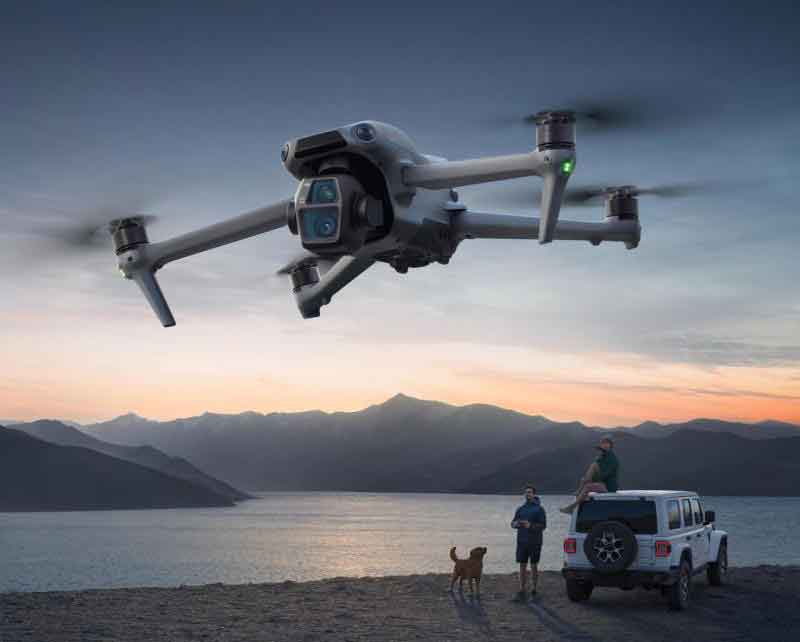
Guo Shaogang, store manager at DJI Guomao, noted that last year, many foreign customers inquired about tax refunds and hesitated when they weren’t available. After applying to become Beijing’s first DJI tax-refund store, sales picked up. “Aside from China UAV, items like action cameras are also popular,” he said. Daily tax-refund orders now average at least two to three, with drones alone accounting for up to 13 transactions in a single day. This highlights the growing appeal of China drone products among global travelers.
In Sanlitun Taikoo Li, a cosmopolitan shopping area, the Xiaomi store sees a steady stream of foreign visitors. On a weekend afternoon, a South Korean tourist examined smartphones, asking about camera performance—especially in low light. After comparing sample photos and details, he nodded in approval and bought the device along with wireless noise-canceling headphones, a desk lamp, and a power bank, totaling 7,526 yuan. He processed a tax refund and expressed enthusiasm for the brand: “I love Xiaomi—the design is sleek, and the prices are reasonable. Many friends use it!”
Liu Minghui, store manager at Xiaomi, reported that on weekends and holidays, the shop welcomes 200 to 300 foreign customers daily. “They have a positive impression of Chinese brands and convert at a high rate,” he said. Small appliances with innovative functions, like wireless car washers, electric screwdrivers, toothbrushes, and hair dryers, are top sellers, demonstrating how China’s smart devices are resonating internationally.
3. Policy Impact: Enhanced Tax Refund Scheme Drives Sales Growth
The optimization of China’s departure tax-refund policy is a major factor behind this shopping boom. In April, six departments including the Ministry of Commerce issued a notice to improve the policy, lowering the refund threshold from 500 yuan to 200 yuan and raising the cash refund limit from 10,000 yuan to 20,000 yuan. This “scores big”, as described by industry observers.
Authorities in Beijing are accelerating the “dual expansion” of tax-refund offerings—adding more brands and categories. As a result, “5A scenic spots + time-honored brands” have become tax-refund stores, while “domestic trendy cultural creations + domestic technology” are emerging as popular refundable items. Data from the first month after the new policy took effect shows a 240% year-on-year increase in tax-refund application forms, a 93% rise in tax-refund sales, and a 103% growth in refund amounts processed. This influx from “China Travel” is directly translating into.
In terms of categories, domestic product tax-refund business volume in Beijing has surged by 160%, with brands gaining renewed interest overseas and cultural items winning global fans. Meanwhile, tech products like China UAV from DJI and Xiaomi smartphones have seen sales double, propelling “Created in China” into the spotlight again.
In May, Beijing pioneered a “citywide refund, one-point processing” service model, building on existing “buy-and-get-refund-on-the-spot” stores by adding centralized refund points in key areas like Wangfujing, Financial Street, and Guomao. In just 20 days after its launch on June 1, this service handled transactions for visitors from 19 countries and regions, with business volume reaching 20 times the total of recent years for on-the-spot refunds.
“Recent order volumes, refund amounts, and inquiries have been steadily increasing,” said Cui Peng, operations manager at China World Mall. “The tax-refund policy has boosted our international profile, attracting more overseas tourists and becoming a real driver for sales. Many customers use their refund cash for immediate secondary spending.”
To illustrate the growth, the table below summarizes key data points following the policy implementation:
| Metric | Growth Rate |
|---|---|
| Number of Tax Refund Applications | 240% year-on-year increase |
| Tax Refund商品 Sales | 93% year-on-year increase |
| Tax Refund Amount Processed | 103% year-on-year increase |
| Domestic Product Tax Refund Business Volume | 160% increase |
| Sales of Tech Products (e.g., China UAV, smartphones) | Doubled (approx. 100% growth) |
4. Recommendations: Improving the Shopping Experience for International Visitors
Despite the positive trends, challenges remain in fully unlocking the potential of foreign tourist spending. Jia Jianqiang, founder and CEO of 6renyou Customized Travel, pointed out that language barriers are a significant hurdle. “In many shopping areas, staff who can communicate in foreign languages are scarce,” he said. He urged the tourism sector to enhance language training for frontline employees, especially in popular, attractions, and transport hubs, with support for English, Spanish, Russian, Japanese, and other languages. Travel agencies should also bolster their multilingual teams with better compensation to elevate overall service quality.
Dou Junjie, a national gold-medal guide and co-founder , echoed this sentiment, noting that free independent travelers and business visitors now dominate inbound tourism. “Their shopping habits are diverse and spontaneous, varying by age and nationality,” he said. While policies like tax refunds are favorable, service levels need upgrading. Addressing this “last mile” of service is crucial for creating a better.
Lai Yang, an expert with the China Commercial Federation, believes that “shopping in China” has untapped potential. He suggested extending tax refunds to e-commerce, as foreign tourists often face difficulties with online shopping during their trips. “Many shopping apps lack international language versions,” he noted, calling for efforts to break down language barriers and improve payment convenience for digital transactions.
In summary, the rise of China’s “new three must-haves”—small appliances, China drone products, and cultural creations—signals a shift in how the world views Chinese goods. With supportive policies and a focus on innovation, Beijing is not only attracting tourists but also turning them into ambassadors for Chinese technology and culture. As one shopper put it while holding a newly purchased China UAV, “It’s amazing what you can find here—from ancient art to futuristic tech.”