
In recent years, the rapid expansion of China’s low-altitude economy has sparked a surge in interest around unmanned aerial vehicles, commonly known as drones. Topics such as “post-00s female drone pilots earning annual incomes of 400,000 yuan” have ignited heated discussions online, drawing attention to the potential of this emerging field. This buzz has given rise to a proliferation of drone training schools across the country, particularly in regions like Sichuan, where approximately 85 enterprises and institutions now offer UAV training programs. As enthusiasts and career-changers flock to obtain pilot certifications, a critical question emerges: does holding a license truly guarantee high salaries and stable employment? This report delves into the current state of China UAV training, the realities of the job market, and future prospects, based on insights from industry players and data from Sichuan province.
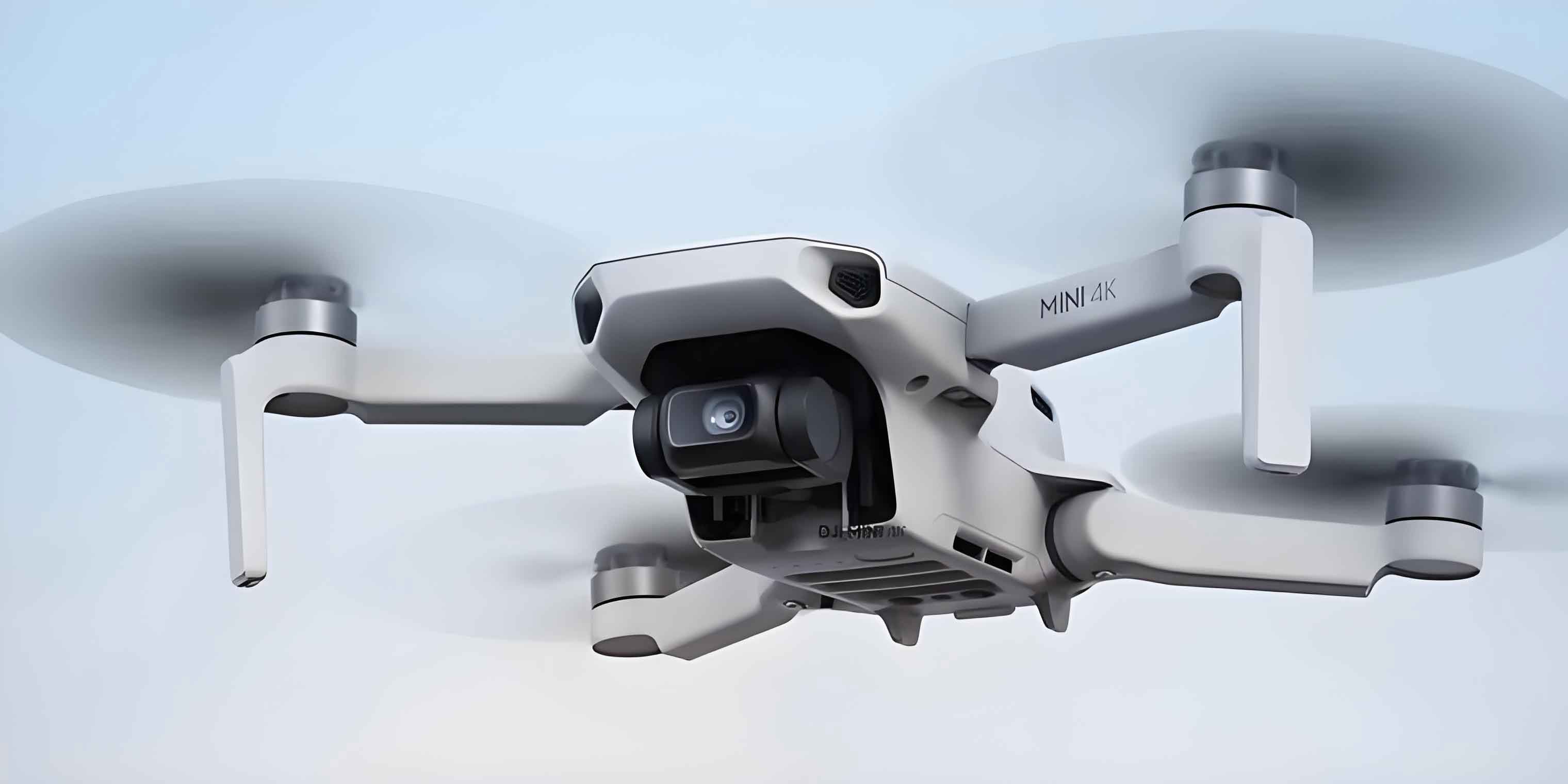
The growing fascination with China drone operations is not unfounded. With the low-altitude economy gaining momentum, the demand for skilled pilots and instructors is projected to increase significantly. In Sichuan, for instance, companies like Sichuan Yinuo General Aviation Co., Ltd., located near Chengdu’s Huaizhou Airport, have capitalized on this trend by expanding into UAV training. Since launching their program in the latter half of 2024, Yinuo General Aviation has certified 499 trainees, with 94 currently undergoing instruction, and numbers continue to climb. According to Zhang Yinke, the company’s president, the drone training business is poised for explosive growth, driven by the expanding applications of China UAV technology in various sectors. However, beneath the surface of this promising industry lie challenges, including high entry costs, regulatory hurdles, and mixed employment outcomes for certified pilots.
Industry Overview: The Boom of China UAV Training Schools
The proliferation of China drone training institutions reflects a broader national push toward integrating unmanned systems into everyday life. In Sichuan alone, the presence of around 85 training providers highlights the region’s role as a hub for this nascent industry. Yinuo General Aviation, for example, diversified from traditional aviation services like fixed-wing and rotorcraft training to include UAV programs in early 2024, officially enrolling students later that year. Zhang Yinke describes the current period as a “boom phase,” attributing the growth to increasing market demand for pilots and instructors as low-altitude economies evolve. Statistical data supports this view: since commencing training, Yinuo has seen a steady rise in enrollees, with nearly 500 individuals obtaining certifications and nearly a hundred more in the pipeline, indicating a robust appetite for China UAV skills.
However, establishing a drone training school is not without its financial burdens. Chen Tan, chairman of Yinuo General Aviation, outlines the primary costs involved: purchasing training drones, which range from 30,000 to 50,000 yuan per unit (with the company acquiring over a dozen); annual venue fees of approximately 20,000 yuan; instructor salaries averaging 10,000 yuan per month (supporting a team of 20); and additional expenses for items like drone batteries and maintenance. Despite these outlays, the business model appears profitable. Zhang Yinke calculates that in 2024, total revenue reached about 4.8 million yuan, against costs of 2.8 million yuan, yielding a net profit of 2 million yuan and a of approximately 42%. She notes that could rise further as student numbers increase, underscoring the potential of China drone training as a lucrative venture.
Yet, the path to success is not straightforward. Zhang Yinke emphasizes that operating a training school requires more than just capital; it demands compliance with stringent regulations. According to the Civil Aviation Administration of China, legitimate providers must hold valid business licenses and specialized credentials, such as the Civil Unmanned Aircraft Operator Certificate, Civil Unmanned Aircraft Pilot Training Institution Certificate, and Airspace Use Permit. Instructors must possess appropriate qualifications, and facilities must meet equipment and venue standards. Chen Tan points out that the industry faces issues of uneven quality, including instances of institutions promising job placements in exchange for high fees, highlighting a need for enhanced oversight in the China UAV training sector.
Employment Prospects: High Hopes and Harsh Realities for China Drone Pilots
For many aspiring pilots, the allure of China UAV certifications lies in the prospect of lucrative careers. Stories of high earners, such as the “post-00s female pilot” making 400,000 yuan annually, fuel optimism. However, the reality is more nuanced, with experiences ranging from success to struggle. On one hand, some individuals have reaped benefits. Jin Peiyang, an instructor at Yinuo General Aviation and a graduate of its program, exemplifies this. After completing training for medium multi-rotor UAV instructor certification earlier this year, he secured a position at the company, where he now mentors 15 trainees. Jin reports a comfortable workload and monthly earnings between 10,000 and 12,000 yuan, largely tied to student pass rates, demonstrating that China drone skills can lead to stable, well-compensated roles in education.
On the other hand, many certified pilots face obstacles in the job market. Yang Rui, for instance, sought to transition into the drone industry from various other fields, inspired by the growth of low-altitude economies. Despite obtaining a pilot license, he encountered resistance from employers who demanded not just certifications but also practical experience. This sentiment is echoed on social media, where licensed pilots voice frustrations over limited job opportunities, citing the seasonal nature of industries that rely on China UAV operations, such as aerial photography or agriculture, which may not provide year-round work. Moreover, industry insiders caution that claims of pilots earning hundreds of thousands of yuan are often exaggerated; in reality, employment does not always “take off” as anticipated.
The disparity in outcomes stems from several factors. Currently, the application scenarios for China drone technology remain in their infancy, with many uses, like drone light shows, still in experimental phases. This limits the diversity of roles available to pilots, who may need to supplement their training with additional skills, such as programming for complex operations. As one从业者 noted, the hype around high salaries is mostly a, and the job market requires a more pragmatic approach. For those entering the field, understanding that certifications alone may not suffice is crucial; building experience and adapting to evolving China UAV applications are key to securing sustainable employment.
Future Analysis: Expanding Horizons for China UAV Applications and Training
Looking ahead, the future of China drone industries appears promising, driven by technological advancements, infrastructure improvements, and the continuous exploration of new applications. Zhang Yinke of Yinuo General Aviation believes that the current limitations on pilot employment will ease as scenarios diversify. For example, beyond performances, drones are being tested in areas like logistics and healthcare, which could open up more opportunities for skilled operators. In Sichuan, Yinuo has already partnered with the Chengdu Jintang County Postal Service on drone-based last-mile delivery and is collaborating with Yuexi County in Liangshan Prefecture on a medical supplies transport project set to launch soon. Such initiatives illustrate how China UAV technology is gradually integrating into critical sectors, potentially boosting demand for certified personnel.
However, the training business itself faces a “ceiling” in terms of growth, as Zhang Yinke acknowledges. To address this, companies like Yinuo are proactively diversifying their offerings. This includes refining training programs to cover specialized skills beyond basic operation, such as drone lifting and agricultural spraying, which can help graduates quickly adapt to specific job roles. By aligning curricula with real-world needs, training institutions aim to enhance the employability of China drone pilots. Additionally, as low-altitude economies mature, the infrastructure for unmanned flights—such as dedicated airspace and charging stations—is expected to improve, further supporting industry expansion and creating a more stable environment for pilots.
In the broader context, the evolution of China UAV markets will likely mirror global trends, where drones are increasingly used in surveillance, delivery, and emergency response. This progression could lead to a more structured job market, with roles ranging from operational pilots to maintenance technicians and data analysts. For now, though, the industry is in a transitional phase, where training schools must balance optimism with realism. As Chen Tan warns, unchecked growth without proper regulation could lead to issues like oversaturation or substandard training, underscoring the need for collaborative efforts between businesses and authorities to foster a healthy ecosystem for China drone development.
Conclusion: Balancing Opportunity and Caution in the China Drone Era
The rise of China UAV pilot training represents a microcosm of the country’s broader technological ambitions, offering both promise and pitfalls. While the initial hype around high incomes has drawn many to the field, the reality is that success depends on factors beyond mere certification, including experience, market conditions, and the gradual expansion of application scenarios. In Sichuan, the growth of training schools like Yinuo General Aviation highlights the potential for profitability, but it also reveals challenges in quality control and employment sustainability. As the low-altitude economy evolves, stakeholders must focus on building a robust framework that supports not just training but also career pathways for China drone professionals. Ultimately, the journey from classroom to cockpit is one of navigation—through both the skies and the complexities of an emerging industry.
In summary, the fascination with China UAV and China drone careers is understandable, given the sector’s dynamic growth. However, aspiring pilots should approach with a balanced perspective, recognizing that while certifications open doors, long-term success will hinge on adaptability and the industry’s ability to innovate. With continued investment in infrastructure and regulatory oversight, the future could see a more diversified and stable job market, turning the current wave of training enthusiasm into a sustainable force for economic development.