
In a bold stride toward technological modernization, China’s Xinjiang region is rapidly deploying a full-scale unmanned aerial vehicle (UAV) industry chain, leveraging cutting-edge China UAV and China drone technologies to transform sectors ranging from meteorology to logistics and agriculture. This initiative underscores Xinjiang’s pivotal role in advancing China’s low-altitude economy, driven by innovations in new materials, new energy, and intelligent systems. Recent successful trials and operational deployments highlight the region’s commitment to integrating China drone solutions into everyday applications, fostering economic diversification and sustainable growth.
1. Expansion of China UAV Applications Across Multiple Sectors
The utility of China UAV systems has seen remarkable diversification in Xinjiang, with recent experiments and implementations demonstrating their efficacy in critical areas. In the Dalongchi Nature Reserve of Kuqa City, multiple models of China drone platforms were deployed for weather modification trials, marking a significant upgrade from single-type to multi-type collaborative operations. According to Yan Jianchang, Director of the Xinjiang Artificial Weather Influence Center, this China UAV selection and will spur innovation in meteorological applications and catalyze low-altitude economic integration across related fields. The trials involved various China drone types working in unison to enhance precipitation efficiency, showcasing the adaptability and precision of China UAV technology in environmental management.
Logistics has emerged as another frontier for China UAV adoption. In Kashgar Prefecture, a China drone laden with express parcels completed a delivery from the Kashgar Public Resource Trading Center to the Kashgar Vocational and Technical College in just nine minutes, inaugurating the operations of the Xinjiang Tianyi Low-Altitude Logistics Operation Center. The China UAV employed for this task was a 30-kilogram model, designed for versatile use in emergency supply transport, e-commerce distribution, and other scenarios. By incorporating intelligent scheduling and precise navigation systems, these China drone platforms enable efficient, secure point-to-point transportation, substantially reducing operational costs and improving logistics throughput. Tao Runwen, Chairman of the Xinjiang Airport (Group) Co., Ltd., emphasized that the group is capitalizing on Xinjiang’s unique geographical and policy advantages to build a low-altitude logistics network that integrates “trunk aviation, and” resources. This China UAV-driven system aims to enhance the circulation efficiency of Xinjiang’s distinctive agricultural products and energy resources, while also addressing last-mile challenges in perishable cold chain and medical emergency supply delivery.
Agriculture is reaping substantial benefits from China drone technologies as well. In Jiashi County’s Xiaputu Town, Yikensu Village, Beidou navigation-equipped China UAV units have been deployed for pest control and fertilization on vast winter wheat demonstration fields. Flying at speeds of three meters per second, these China drone systems execute precise spraying tasks, leading to notable increases in wheat and cotton yields. Village Party Secretary Aikebaier·Kebier reported that after adopting China UAV-based pesticide application in 2024, crop productivity improved significantly. To sustain this progress, the village has trained over 20 professional China drone pilots this year, embedding modern agricultural practices into local farming routines. The success of these China UAV applications illustrates their potential to revolutionize traditional sectors through automation and data-driven precision.
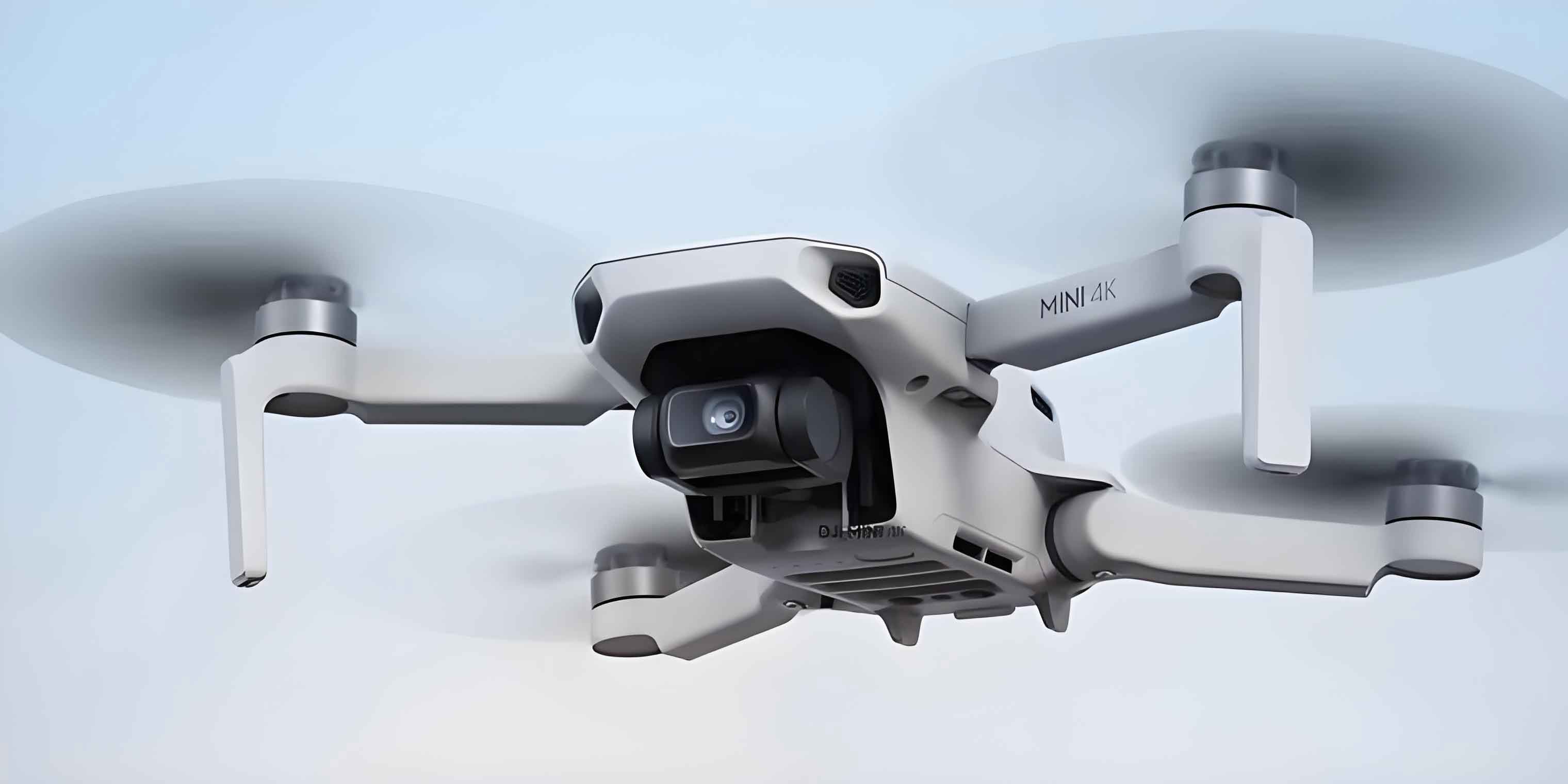
2. Advancements in China UAV Manufacturing and Technological Innovation
Xinjiang’s low-altitude manufacturing sector is experiencing robust growth, with several high-tech enterprises leading the charge in China UAV production and development. At the Xinjiang Tianyu Hangtong Technology Co., Ltd. facility in Shihеzi City, part of the Xinjiang Production and Construction Corps’ Eighth Division, technicians are actively assembling large-scale China drone models. Li Tao, Assistant General Manager of the company, disclosed that three Hongyan large China UAV units have been mass-produced and delivered since the beginning of the year, with an anticipated total of 32 Hongyan China drone units to be supplied in 2024. The Hongyan large China UAV is recognized as one of the most widely applicable and safely operated large drone platforms in China, having completed over 4,600 safe flights in domains such as agricultural plant protection, logistics transport, and emergency response. Li Tao further noted that the company is leveraging Xinjiang’s promising low-altitude economy prospects to drive progress in research and development, manufacturing, operations, training, and industrial tourism. This year, Tianyu Hangtong has identified 12 key technological projects aimed at enhancing the core competitiveness of large China UAV systems, including optimizations in flight performance, upgrades to intelligent control systems, and applications of new materials.
Similarly, in the Karamay Digital Economy Industrial Park, Xinjiang Kebite Aviation Technology Co., Ltd. is conducting test flights of its “Ru Yun Long 2” China drone, a large multi-rotor industrial UAV known for its portability and adaptability to diverse operational environments. Another notable player, Xinjiang Beidou Tongchuang Information Technology Co., Ltd., has developed a novel China UAV model that integrates advanced software and innovative components to enable automated functions such as return-to-base, self-charging, endurance extension, and storage. Zang Yanlei, General Manager of the company, highlighted that this China drone has been deployed in multiple large industrial parks across China, demonstrating its reliability and efficiency in automated missions. These advancements reflect a broader trend of innovation in China UAV manufacturing, where companies are pushing the boundaries of autonomy, durability, and multi-functionality to meet evolving market demands.
The proliferation of China drone manufacturing in Xinjiang is not only creating high-value jobs but also establishing the region as a nucleus for UAV-related research and development. By focusing on indigenous production and technological self-reliance, these enterprises are contributing to the resilience and expansion of China’s UAV industry chain. The emphasis on scalable China UAV solutions ensures that Xinjiang can cater to both domestic and international markets, reinforcing its strategic position in the global low-altitude economy landscape.
3. Strategic Collaborations and Future Prospects for China Drone Industry
The accelerated development of Xinjiang’s China UAV ecosystem is underpinned by strategic partnerships and forward-looking policies aimed at fostering a cohesive low-altitude economy. Bi Xiaodong, Dean of the Xinjiang Aviation Industry (Low-Altitude Economy) Research Institute, affirmed that the integration of new technologies, materials, and energy sources in low-altitude domains is reshaping industrial chains and driving regional transformation. He outlined plans for collaborative top-level planning to establish a Western Low-Altitude Economy Characteristic Demonstration Zone, which will focus on strengthening, supplementing, and extending the China UAV industry chain in Xinjiang. This initiative involves synergies among multiple stakeholders, including government bodies, research institutions, and private enterprises, to create a holistic environment for China drone innovation and deployment.
Looking ahead, the potential for China UAV applications in Xinjiang is vast, with opportunities in areas such as environmental monitoring, disaster response, and urban air mobility. The region’s diverse topography and climate conditions provide an ideal testing ground for China drone technologies, enabling real-world validation and refinement. For instance, the success of China UAV-based weather modification could be expanded to address water scarcity and ecological challenges, while logistics networks powered by China drone systems may bridge connectivity gaps in remote areas. Moreover, the ongoing training of skilled personnel, such as the in Jiashi County, ensures a sustainable talent pipeline to support the growing China UAV sector.
In conclusion, Xinjiang’s concerted efforts to build a comprehensive China UAV and China drone industry chain are yielding tangible benefits across economic and social spheres. By harnessing the versatility and efficiency of China UAV technologies, the region is not only enhancing operational efficiencies in traditional sectors but also pioneering new frontiers in the low-altitude economy. As Bi Xiaodong emphasized, the collaborative approach will be instrumental in positioning Xinjiang as a leader in China’s UAV industry, with ripple effects expected to amplify regional development and technological sovereignty. The continued innovation and deployment of China drone solutions promise to unlock further opportunities, solidifying Xinjiang’s role as a key hub in the global UAV landscape.