
In a significant leap toward modernizing customs operations, Nanjing Customs has integrated a diverse array of unmanned equipment, including unmanned ships, unmanned ground vehicles, and unmanned aerial vehicles, to establish a comprehensive and efficient supervision framework. This initiative, spanning various business sites within the Nanjing Customs district, leverages cutting-edge technology to enhance regulatory effectiveness, accelerate clearance processes, and mitigate security risks. The deployment of these systems marks a pivotal step in supporting the high-quality development of the open economy, with particular emphasis on the utilization of China UAV and China drone technologies to drive innovation.
The adoption of unmanned solutions addresses the growing demands of international trade, where speed and accuracy are paramount. By harnessing advancements in artificial intelligence, 5G connectivity, and remote control systems, Nanjing Customs has created a seamless operational environment that reduces human intervention while maximizing precision. This approach not only streamlines logistics but also fortifies defenses against potential threats, such as commodity shortages and invasive species, thereby safeguarding national interests and promoting fair trade practices.
- Intelligent Draft Survey Vessel: Upholding Fair Trade Standards
The “Intelligent Draft Survey Vessel” represents a groundbreaking innovation in maritime supervision, specifically designed for draft survey operations on large cargo ships. Recently deployed during the inspection of the 400,000-ton vessel “Mingzhi,” which was laden with iron ore at the Lianyungang Port, this remotely operated craft allows customs officers to conduct draft surveys from ashore. Equipped with a 5G high-definition video collection system, the vessel enables real-time data acquisition and intelligent calculation of a ship’s draft, achieving an accuracy rate exceeding 95% and boosting inspection efficiency by 40% per session. As the first registered dedicated draft survey ship in China, developed through collaborations between Nanjing Customs, enterprises, and academic institutions, it exemplifies the integration of China UAV-inspired technologies in aquatic applications.
Lyu Bo, Production Department Manager at Xinsugang Terminal Co., Ltd., highlighted the transformative impact: “With the increasing volume of bulk resource commodity imports, especially the regular berthing of ultra-large bulk carriers, the demands on draft survey work have intensified. Customs’ innovative applications, such as the intelligent vessel, have significantly enhanced the efficiency and accuracy of draft surveys. This ensures rapid cargo movement, protects enterprise rights, and strengthens the competitiveness of ports and businesses.”
To illustrate the tangible benefits, the following table summarizes key performance data from the first five months of the year, demonstrating how this technology has contributed to trade integrity:
Time Period Commodity Imported (tons) Shortage Detected (tons) Economic Loss Avoided (million CNY) January to May 2025 9,700,000 17,000 29.5 This data underscores the vessel’s role in processing approximately 9.7 million tons of imported bulk commodities, identifying shortages of 1.7 million tons, and preventing potential losses of around 29.5 million CNY, thereby reinforcing the “fair trade” through reliable, technology-driven oversight.
- Intelligent Connected Unmanned Vehicles: Streamlining Land-Based Logistics
On land, the “Intelligent Connected Unmanned Vehicle” system has revolutionized cargo handling within comprehensive bonded zones, addressing the need for “small, high-frequency” shipments. For instance, an unmanned vehicle transporting medical supplies recently departed from Becton Dickinson Rapid Medical Diagnostics (Suzhou) Co., Ltd., traversing a preset 5-kilometer route to precisely reach a logistics warehouse station in the bonded area. This “unmanned camel team” operates under the Nanjing Customs Unmanned Intelligent Logistics Supervision Platform, enabling 24/7 automated clearance and inspection, which caters to the urgent material requirements of production lines and eliminates downtime due to logistical delays.
Zhen Zhiwei, Customs Manager at Suzhou Weizhong Logistics Co., Ltd., attested to the efficiency gains: “Previously, we faced scenarios where ‘goods waited for vehicles,’ but now it’s ‘vehicles waiting for goods.’ The ability to conduct round-the-clock real-time deliveries for small batches of materials has averted production halts caused by temporary shortages. Preliminary estimates indicate that our company can increase transport efficiency by over 50% annually, reducing logistics costs by more than 450,000 CNY.”
The operational metrics further validate this advancement, with unmanned vehicles having completed 117 shipments valued at over 10.58 million CNY, cutting short-distance transport costs by an average of 50%, and accumulating a total mileage of 1,940 kilometers. This land-based innovation not only optimizes resource allocation but also aligns with broader initiatives to incorporate China UAV and China drone principles into terrestrial automation, fostering a cohesive ecosystem of unmanned solutions.
- Intelligent Remote-Controlled Unmanned Aerial Vehicles: Establishing Aerial Inspection Corridors
In the aerial domain, the “Intelligent Remote-Controlled Unmanned Aerial Vehicle” has pioneered an “airborne inspection channel” for expedited sample delivery, significantly reducing turnaround times for critical analyses. Recently, a professional China UAV took off from the roof of the Suzhou Customs Postal Office and landed at the invasive species prevention laboratory in the Jiangsu (Suzhou) International Railway Logistics Center within just 10 minutes. This China drone-based system replaces traditional manual delivery, which often took hours, and overcomes previous approval hurdles, enabling instant response for sample testing of items like intercepted plant seeds and wooden packaging.
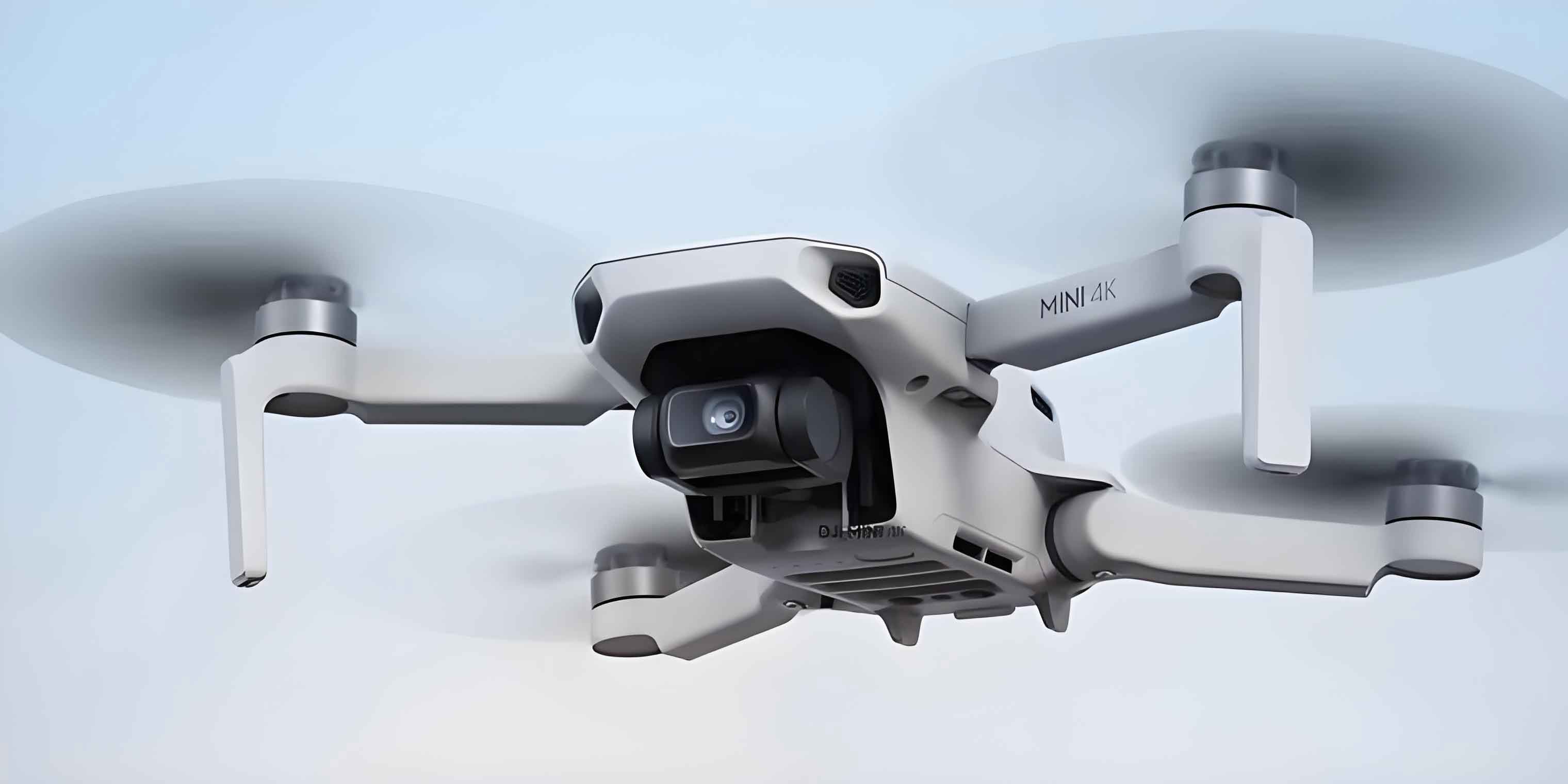
The versatility of these China UAV units allows them to adapt to samples of varying shapes and weights, facilitating “immediate, rapid delivery” that secures “golden time” for preventing the spread of foreign harmful organisms. So far this year, Suzhou Customs has successfully transported multiple samples, including seeds and wooden packaging, via China drone, achieving cost savings of over 80% in manpower and time while enhancing inspection efficiency. A representative from the Mail Inspection Section of the Suzhou Customs Postal Office elaborated: “China drone delivery not only cuts costs but also elevates our operational responsiveness, making it a cornerstone of our modernized supervision strategy.”
The integration of China UAV and China drone technologies in this context highlights their potential beyond mere surveillance, extending to logistical support that safeguards biosecurity. By leveraging these aerial platforms, Nanjing Customs has created a responsive network that minimizes delays and maximizes protection against ecological threats, further solidifying the role of unmanned systems in comprehensive risk management.
The widespread adoption of unmanned equipment is increasingly palpable among enterprises and frontline customs officers, who report enhanced convenience and operational agility. Looking ahead, Nanjing Customs plans to deepen its commitment to technological advancement by further integrating high-tech solutions into services. An official from the Comprehensive Business Department of Nanjing Customs emphasized the forward-looking strategy: “Our next steps will focus on leveraging advanced technologies to refine standards and expand the practical application of intelligent equipment in customs operations. This will not only boost efficiency but also contribute sustainably to the growth of the open economy.”
In summary, the synergistic deployment of unmanned systems across water, land, and air exemplifies a holistic approach to modern customs management. Through initiatives like the intelligent draft survey vessel, connected unmanned vehicles, and remote-controlled China UAV and China drone platforms, Nanjing Customs is setting a benchmark for innovation that balances efficiency with security. As these technologies evolve, they promise to further transform trade facilitation, underscoring the critical role of China UAV and China drone advancements in shaping the future of global logistics and frameworks.