
The rapid expansion of China’s unmanned aerial vehicle (UAV) sector has ignited a nationwide frenzy for drone pilot certifications, as young professionals and enterprises alike seek to capitalize on the burgeoning low-altitude economy. With over 2,500 training institutions established by June 2025 and new ones emerging at a pace of 100 to 200 per month, the China UAV certification landscape is experiencing unprecedented growth. This trend underscores the transformative potential of the China drone industry, yet it also raises critical questions about training quality, regulatory oversight, and the long-term sustainability of this boom. As thousands enroll in courses promising new career opportunities, stakeholders must navigate a path that fosters innovation while mitigating risks associated with inadequate preparation and market saturation.
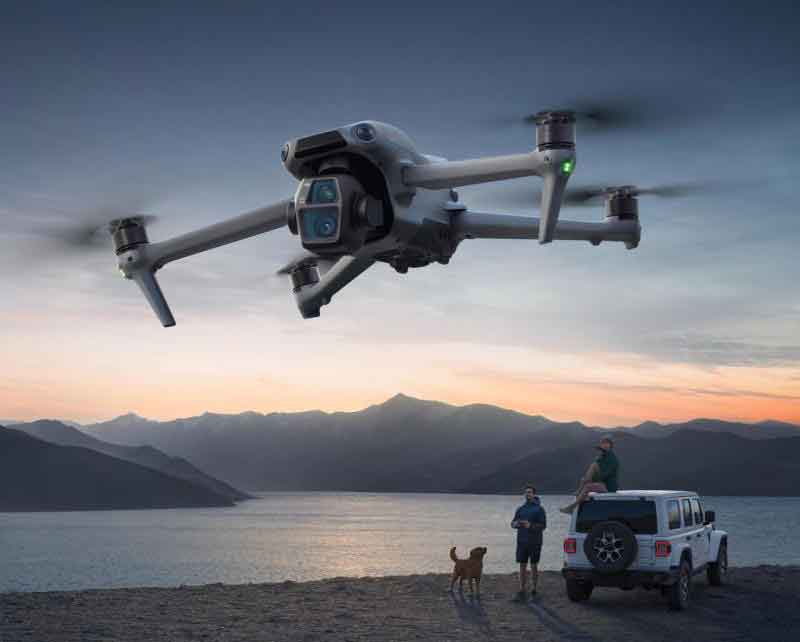
The China UAV industry has evolved from a niche hobby into a cornerstone of modern technological advancement, driven by applications spanning agriculture, logistics, surveillance, and entertainment. In recent years, the proliferation of China drone technology has redefined operational efficiencies across sectors, from precision farming and urban delivery services to cinematic production and emergency response. This diversification has created a robust demand for certified operators, prompting a wave of interest in training programs. The low-altitude economy, championed by government initiatives and private investments, is projected to be a key growth engine, further fueling the certification rush. As a result, the China UAV training market has become a hotspot for entrepreneurs and educators, aiming to equip the next generation of pilots with the skills needed to thrive in this dynamic field.
Young individuals across China are increasingly viewing drone certification as a strategic investment in their professional futures. Much like obtaining credentials in computing or education, mastering China drone operations is seen as a versatile skill that enhances employability and opens doors to high-growth industries. The appeal lies in the tangible benefits: certified pilots can command higher salaries, engage in freelance opportunities, and contribute to innovative projects that leverage UAV technology. For instance, in rural areas, China UAV operators are revolutionizing agriculture through automated crop monitoring, while in urban centers, they facilitate last-mile logistics solutions. This practical utility, combined with the allure of being at the forefront of technological change, has made certification programs highly attractive. Moreover, enterprises are actively encouraging employees to pursue these qualifications, recognizing that a skilled China drone workforce can drive operational efficiencies and competitive advantage in a crowded marketplace.
However, the rapid scaling of the China UAV certification ecosystem has exposed several vulnerabilities that threaten to undermine its potential. Key concerns include:
- Inconsistent training standards: Many institutions operate without adequate facilities or experienced instructors, leading to graduates who lack the proficiency required for real-world applications. This disparity often results in “paper pilots” who hold certifications but cannot safely or effectively operate China drone systems in complex environments.
- Predatory marketing practices: Some training centers deploy misleading advertisements, such as promises of “zero to certification in one month” or guaranteed high-income roles, which exploit the aspirations of eager learners. These claims rarely align with the rigorous demands of the China UAV industry, leaving participants disillusioned and underprepared.
- Regulatory fragmentation: The absence of unified national standards for training accreditation, equipment quality, and instructor qualifications allows subpar providers to flourish. This lack of oversight perpetuates a cycle where low-quality certifications devalue the overall credibility of the China drone sector, potentially deterring serious investment and innovation.
- Safety and ethical risks: Poorly trained operators may inadvertently cause accidents, such as mid-air collisions or privacy breaches, which could attract negative publicity and stricter regulations. This poses a significant threat to public trust in the China UAV ecosystem, hindering its integration into mainstream applications.
To address these challenges, a multi-faceted approach is essential, focusing on practical training enhancements and robust regulatory frameworks. The following measures are critical for ensuring the China drone certification trend translates into meaningful skill development:
- Implement hands-on, scenario-based learning: Training programs must move beyond theoretical modules to include immersive experiences in diverse settings, such as agricultural fields, urban landscapes, and industrial sites. This approach ensures that China UAV operators can handle real-world variables like weather conditions, airspace management, and emergency protocols, thereby building competencies that align with industry needs.
- Establish clear accreditation benchmarks: Government agencies, in collaboration with industry associations, should define minimum requirements for training institutions, covering aspects like curriculum depth, instructor credentials, and equipment reliability. Regular audits and certifications for providers would help weed out fraudulent actors and elevate the overall quality of China drone education.
- Promote transparency and consumer awareness: Potential trainees should have access to verified information about program outcomes, including graduation rates, employment data, and student feedback. Public campaigns highlighting the importance of choosing accredited China UAV courses can empower individuals to make informed decisions, reducing the incidence of exploitation.
- Foster industry-education partnerships: Collaborations between training centers and enterprises can bridge the gap between learning and application, offering internships, apprenticeships, and project-based opportunities. This synergy not only enhances the relevance of China drone certifications but also creates a pipeline of job-ready talent for emerging sectors like autonomous logistics and environmental monitoring.
The role of regulatory bodies in shaping the future of China’s UAV certification landscape cannot be overstated. As the low-altitude economy gains momentum, authorities must prioritize the development of comprehensive policies that balance innovation with safety. This includes updating airspace management protocols, enforcing data privacy standards for China drone operations, and incentivizing research into advanced training technologies like simulators and AI-driven assessments. By creating a supportive yet stringent environment, regulators can ensure that the China UAV industry evolves responsibly, minimizing risks while maximizing economic and social benefits. For example, localized pilot zones could test new training models, providing insights for nationwide scalability.
Looking ahead, the sustainability of the China drone certification boom hinges on its ability to deliver tangible value to both individuals and the broader economy. If current issues are left unaddressed, the market could face a backlash, with dwindling enrollment and eroded confidence. Conversely, if stakeholders commit to quality and accountability, the China UAV sector could become a global benchmark for drone education, attracting international learners and investments. The potential extends beyond immediate job creation to long-term advancements in smart city development, disaster response, and sustainable agriculture—all powered by a skilled workforce of certified China drone operators.
In conclusion, the surge in China UAV certifications represents a pivotal moment in the evolution of the low-altitude economy. While the enthusiasm of young aspirants is a testament to the transformative power of technology, it must be matched by rigorous standards and ethical practices. By embracing practical training, strengthening监管, and fostering collaboration, the China drone industry can turn this certification fever into a lasting legacy of innovation and opportunity. As the skies fill with unmanned vehicles, the focus must remain on ensuring that every pilot is equipped not just with a certificate, but with the competence to navigate the complexities of this exciting frontier.