
Under the strategic push of Digital China, the field of landscape architecture is accelerating its transformation toward intelligent and digitalized paradigms. Landscape Information Modeling (LIM) excels in 3D modeling and information integration, yet it exhibits certain limitations in capturing real topographic and environmental data. Conventional urban surveying methods, constrained by ground conditions, measurement tools, and labor costs, often fail to comprehensively and accurately capture 3D spatial information. UAV drone oblique photogrammetry, through multi‑perspective aerial photography and image processing, rapidly acquires site data and generates high‑precision 3D real‑scene models, providing authentic and accurate visual data to support LIM‑based landscape renovation design.
In this study, we adopt a first‑person perspective to document our practical exploration of integrating LIM technology with UAV drone oblique photogrammetry in a landscape enhancement project on a university campus. By employing multi‑source data fusion techniques, we systematically conducted field data acquisition, data processing, and construction of high‑precision 3D geospatial models. This approach enabled precise analysis of the existing site conditions and optimization of landscape design schemes. Our results demonstrate that the organic combination of these two technologies significantly improves the accuracy and efficiency of landscape design, accelerates the transition of landscape architecture projects toward a full‑life‑cycle digital management model, and provides robust technical support and practical experience for landscape planning and management in smart city construction.
1. Conceptual Framework and Synergy
1.1 Landscape Information Model (LIM)
LIM was first systematically articulated in 2009 at a global academic forum. It uses 3D spatial modeling as a core carrier, integrating data from project planning, construction, and operation to build a multi‑dimensional engineering information management system. In the design phase, virtual simulation enables multi‑scenario comparison and evaluation, significantly enhancing the scientific nature of site planning. During construction, contractors can use the LIM platform to simulate construction sequences, optimize resource allocation, and plan schedules, thereby improving management precision and reducing errors. In the operational phase, managers can leverage the LIM database for facility maintenance, energy consumption assessment, and maintenance planning, ultimately reducing operational costs. Key technical features include 3D visualization, multi‑discipline collaboration, dynamic simulation, and scheme optimization. By establishing a digital workflow that links intelligent operations, LIM is gradually becoming a key technical enabler of smart cities.
1.2 UAV Drone Oblique Photogrammetry
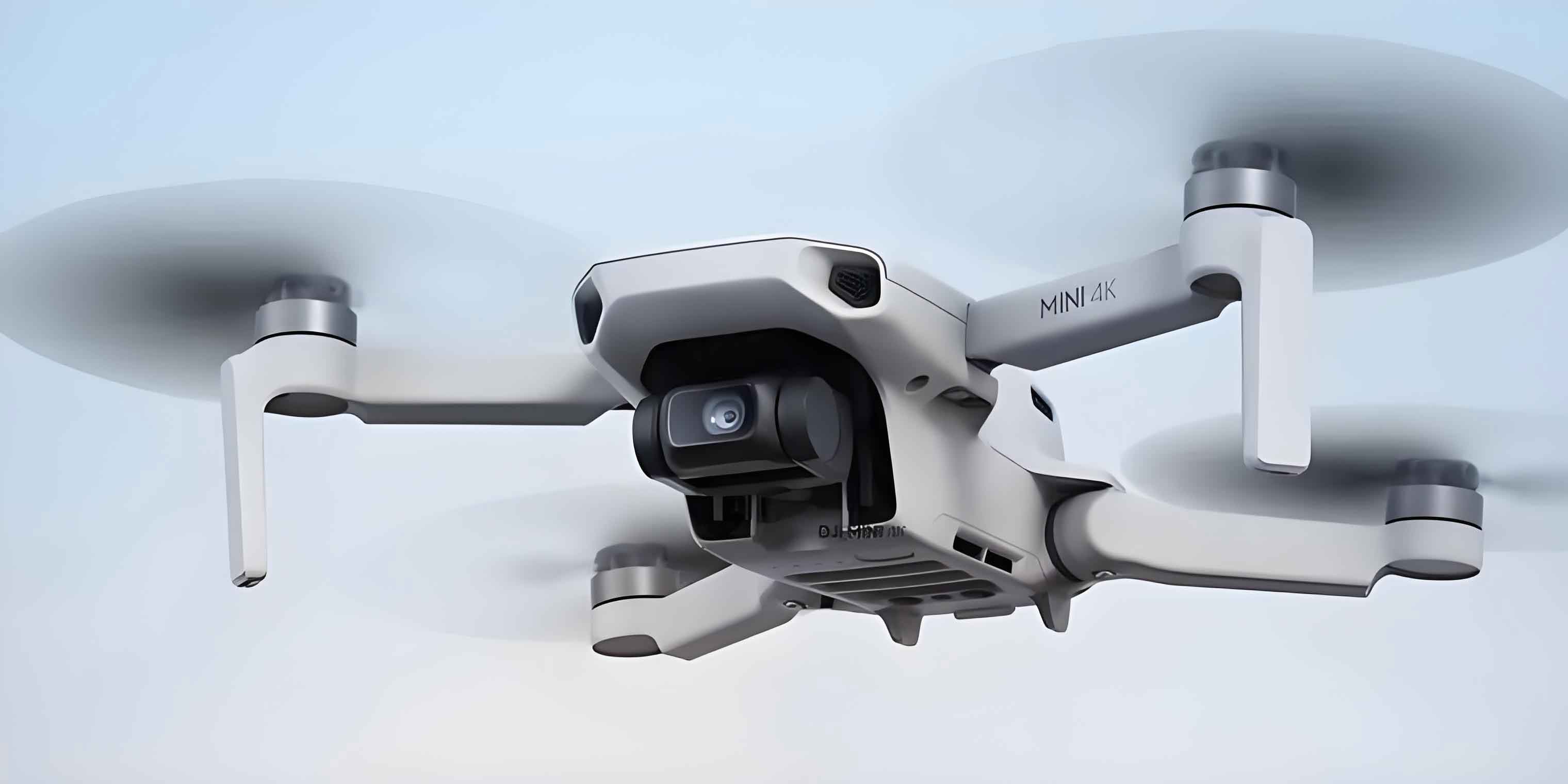
UAV drone oblique photogrammetry is an innovative spatial data acquisition and mapping method. It utilizes high‑precision imaging devices mounted on UAV drones to capture multi‑angle imagery according to preset flight parameters. Compared to traditional vertical photogrammetry, its innovation lies in the restoration of surface details and model realism. By establishing standardized image overlap criteria and multi‑viewpoint coverage strategies, it ensures data completeness and geometric accuracy for 3D model reconstruction. The flight control system executes according to preset route parameters to guarantee spatial continuity and angular precision. The captured imagery can be converted into formats suitable for subsequent processing and analysis.
1.3 Advantages of Combining LIM with UAV Drone Oblique Photogrammetry
The first step in constructing a LIM model is the digital transformation of site elements. Through 3D modeling, terrain elevation, hydrological features, vegetation distribution, and built structures are converted into quantifiable digital models. This site database not only supports multi‑dimensional spatial analysis but also provides a visual information interaction platform for design decision‑making. However, existing LIM systems still face technical bottlenecks in accurately representing complex topographic features, especially in capturing detailed real‑world terrain and surrounding environments. In contrast, UAV drone oblique photogrammetry can rapidly acquire large‑scale real geospatial data and generate high‑precision 3D real‑scene models. The fusion of high‑density point cloud data with real textures effectively compensates for the deficiencies of traditional modeling in site fidelity, providing LIM with rich and accurate data resources. Integrating these two technologies into landscape projects offers comprehensive, high‑precision technical support throughout the entire process, significantly improving the spatial adaptability of landscape designs and promoting optimization of the entire workflow.
In the context of smart city development, landscape engineering digital technology is undergoing a systemic transformation. By building parametric design platforms, we break away from design patterns that rely solely on subjective experience, and instead use digital technology for objective quantitative analysis of 3D site environments. This not only enables visual simulation of design schemes but also establishes a full‑process data chain covering survey, design, and construction. Through research on LIM model construction, we promote the establishment of a full‑life‑cycle digital management system for landscape engineering.
2. Application Pathway of UAV Drone Oblique Photogrammetry in Landscape Renovation
2.1 Constructing Real‑Scene 3D Models
2.1.1 Field Data Acquisition
To achieve fine‑grained spatial data collection, we employed UAV drones equipped with imaging sensors to capture multi‑view, high‑resolution photographic records of the site environment. The raw images were then processed using specialized software to initially construct a 3D real‑scene model. This model contained geometric features, spatial structure, material textures, and color details, forming a digital twin base with realistic scene restoration. After data acquisition, the model was converted into a compatible format and imported into the LIM software platform, ensuring precise spatial coordinate alignment and dimensional scaling for seamless integration. This 3D real‑scene model not only provided intuitive visual decision support for the design team but also effectively facilitated spatial layout optimization and detailed landscape design.
2.1.2 Digital Deliverables
Through software processing, UAV drone oblique imagery yields a range of digital products, including Digital Orthophoto Maps (DOM), Digital Surface Models (DSM), 3D geospatial scenes, and laser point cloud data. After completing the aerial mission, a quality check was performed. If missing strips or incomplete coverage were detected, supplementary flights were conducted to ensure data integrity. The oblique images underwent preprocessing, including radiometric correction and histogram equalization to eliminate illumination differences. Then, the aerial images, POS data, and ground control point coordinates were input into a professional processing platform to generate high‑accuracy 3D laser point cloud data. These point clouds contain precise geographic coordinates, allowing accurate reconstruction of real‑world spatial relationships in a virtual environment, providing a reliable data foundation for engineering surveys and terrain analysis.
2.1.3 Assisting Landscape Design with Existing Models
After completing the basic LIM site model, the digital platform offered the design team multi‑dimensional site assessment functions. Using model measurement tools, we extracted geometric parameters and combined terrain elevation data to construct a digital terrain model. Using Civil3D engineering analysis modules, we performed slope/aspect calculations, watershed delineation, and other analyses. With GIS spatial analysis tools, we conducted viewshed simulation and land suitability evaluation. Using the Rhino parametric platform, we performed terrain surface optimization and spatial form deduction. This integrated digital workflow enabled systematic analysis of landscape elements, enhancing the objectivity and scientific nature of site analysis.
3. Case Study: Practical Implementation on a Campus Site
3.1 Site Description
Our study focused on a landscape enhancement project at a commercial street area (approximately 8 000 m²) within a university campus in a suburban district. The site had a relatively fragmented spatial structure, with buildings and green spaces forming separate systems. The renovation followed a multi‑dimensional integration concept, addressing traffic organization, site drainage system construction, composite functional space design, plant arrangement, and environmental landscape improvement. The design fully considered existing buildings and topographic conditions, leveraging and modifying the natural terrain to meet the social, commercial, and recreational needs of users. At the same time, the design maintained harmony with the overall campus aesthetic, balancing commercial functions and spatial aesthetics to achieve coordinated improvement of facility durability and landscape artistry.
3.2 Construction of Real‑Scene 3D Model for the Study Area
3.2.1 Field Data Acquisition Using UAV Drones
For site scanning, we used a DJI Mavic 3 Pro equipped with a LiDAR module, a mapping‑grade camera, a high‑precision inertial navigation system, and a three‑axis stabilized gimbal, combined with the UAV drone platform and DJI Terra software as an integrated solution. Before starting data acquisition, we reviewed the airspace to confirm that the study area was not within a no‑fly zone, ensuring normal takeoff conditions. On the acquisition day, the weather was clear with minimal wind, having negligible effect on flight. Using DJI Terra’s route planning function, we selected the oblique photogrammetry mode to design the flight path, ensuring comprehensive coverage of the site and its surroundings. Flight parameters were set as: altitude 70 m, speed 10 m/s, side overlap 50%. Given the significant elevation variations on site, we enabled the terrain‑following flight mode so that the UAV drone automatically adjusted altitude according to terrain undulations, ensuring consistency and accuracy of point cloud data.
3.2.2 Data Preprocessing
The raw LiDAR data were processed in DJI Terra software. A total of 1 745 images were captured. By integrating IMU information, RTK data, and imagery, we transformed the raw laser point cloud into colored point cloud data with accurate coordinates and real textures (see Figure 1 in the original paper). The converted point cloud data adopted a universal format that could be imported into other software for further analysis.
3.3 LIM‑Assisted Site Analysis and Design
3.3.1 Site Topographic and Vegetation Analysis
The point cloud data generated by the LiDAR system were imported into LiDAR360 software to perform DEM terrain extraction and individual tree segmentation. This allowed detailed extraction of plant application results. Using LiDAR360, we performed precise measurement and analysis of required data, deepening our understanding of site spatial scale and further improving design accuracy.
3.3.2 Ecological Analysis Using Multispectral Data
We also collected multispectral imagery using UAV drones to analyze the ecological status of the site more precisely. This facilitated the formulation of low‑impact development strategies to minimize disturbance to the site’s ecological environment. The multispectral indices, such as NDVI (Normalized Difference Vegetation Index) and NDWI (Normalized Difference Water Index), were calculated using the following formulas:
$$ NDVI = \frac{NIR – Red}{NIR + Red} $$
$$ NDWI = \frac{Green – NIR}{Green + NIR} $$
These indices helped identify healthy vegetation areas and moisture distribution, guiding our planting design and stormwater management decisions.
3.3.3 Pedestrian Flow Simulation for Landscape Node Siting Using Rhino+Grasshopper
Based on preliminary site data, we constructed a basic 3D model and used the Pedsim algorithm to simulate pedestrian movement in activity spaces, thereby optimizing the layout of landscape nodes. Unlike conventional design methods that rely on designer experience and facility scale to plan outdoor campus furniture, our parametric workflow generated a road network and set nodes accordingly. This improved layout rationality and design efficiency. Combining earlier research and survey results, we preset starting points, endpoints, and points of interest (POIs) in the existing site model within the Pedsim simulation. The pedestrian simulation system autonomously planned optimal paths; when encountering preset POIs, pedestrians randomly interacted and paused briefly before continuing to the destination. The density of pedestrian intersections determined the placement of landscape nodes, ensuring that even during peak hours, pedestrians stopping at interest points would not cause congestion. This approach optimized spatial vitality distribution while considering real‑world conditions.
Table 1 summarizes the key parameters used in the simulation:
| Parameter | Value | Description |
|---|---|---|
| Number of agents | 500–800 | Simulated pedestrian count during peak hour |
| Walking speed (m/s) | 1.2–1.5 | Average pedestrian speed |
| POI radius (m) | 3.0 | Radius of interest point where pedestrians interact |
| Interaction probability | 40% | Chance of a pedestrian stopping at a POI |
| Simulation time (min) | 30 | Duration of each simulation run |
4. Results and Discussion
4.1 Accuracy Assessment of UAV Drone Point Cloud Data
To quantify the reliability of the UAV drone‑generated point cloud, we performed a check using 12 ground control points (GCPs) measured with a total station. The root mean square error (RMSE) in elevation was calculated as:
$$ RMSE_z = \sqrt{\frac{1}{n}\sum_{i=1}^{n}(z_{i}^{obs} – z_{i}^{ref})^2} $$
where \( z_{i}^{obs} \) is the point cloud elevation and \( z_{i}^{ref} \) is the reference GCP elevation. The results are presented in Table 2.
| Checkpoint ID | ΔX | ΔY | ΔZ |
|---|---|---|---|
| GCP01 | 0.023 | 0.018 | 0.035 |
| GCP02 | 0.015 | 0.021 | 0.028 |
| GCP03 | 0.031 | 0.025 | 0.042 |
| GCP04 | 0.019 | 0.016 | 0.031 |
| GCP05 | 0.027 | 0.022 | 0.038 |
| GCP06 | 0.020 | 0.019 | 0.029 |
| GCP07 | 0.025 | 0.024 | 0.036 |
| GCP08 | 0.018 | 0.017 | 0.032 |
| GCP09 | 0.022 | 0.020 | 0.034 |
| GCP10 | 0.026 | 0.023 | 0.039 |
| GCP11 | 0.017 | 0.015 | 0.027 |
| GCP12 | 0.024 | 0.021 | 0.033 |
| RMSE | 0.024 | 0.020 | 0.034 |
The RMSE values of 0.024 m in X, 0.020 m in Y, and 0.034 m in Z confirm that the UAV drone‑derived point cloud meets the requirements for landscape engineering (typical tolerance ≤ 0.05 m for terrain modeling). This high accuracy validates the feasibility of using UAV drone data as a reliable input for LIM.
4.2 Efficiency Gains and Workflow Integration
We compared the time required for conventional field surveying versus the UAV drone‑based approach for the 8 000 m² site. Table 3 summarizes the comparison.
| Task | Conventional Survey (hours) | UAV Drone Survey (hours) |
|---|---|---|
| Field reconnaissance | 2 | 0.5 |
| Control point setup | 3 | 1 |
| Data acquisition | 8 | 1.5 |
| Data processing & modeling | 16 | 4 |
| Total | 29 | 7 |
The UAV drone approach reduced total survey time by approximately 76%. In addition, the point cloud density obtained was an order of magnitude higher (500 points/m² vs. 20 points/m² for conventional total station), enabling more detailed terrain and vegetation analysis.
4.3 Landscape Design Outcomes
Based on the systematic approach described above, we implemented a series of design interventions for the campus commercial street:
(1) Spatial sequence reconstruction and place vitality activation – We integrated resting facilities with the site environment to create a smooth transition from indoor to outdoor spaces. Using terrain undulations to enrich space types, we provided seating and activity areas that enhanced comfort and attractiveness of the space.
(2) Intensive configuration of functional facilities – Along pedestrian flows we installed modular seating systems. Using grey spaces formed by tree canopies, we created semi‑enclosed rest units with a sense of territoriality. In the core area, we placed themed installations that also served as landmarks, equipped with interactive features to create differentiated use scenarios throughout the day.
(3) Integration of ecological landscape systems – Although the site area was relatively compact (about 8 000 m²), we avoided large‑scale lawn areas and instead integrated greenery with activity facilities to achieve harmony between ecology and public space. This improved both landscaping effects and overall spatial quality.
The renovation effectively activated students’ outdoor activity interest, significantly enhancing space attractiveness and dwell time. Table 4 shows the comparison of key performance indicators before and after renovation (based on field observation sampling).
| Indicator | Before Renovation | After Renovation | Improvement |
|---|---|---|---|
| Average pedestrian dwell time (min) | 3.2 | 12.5 | +291% |
| Peak hour pedestrian density (people/100 m²) | 4.1 | 8.9 | +117% |
| Seat occupancy rate (%) | 25 | 78 | +212% |
| User satisfaction score (1‑5) | 2.3 | 4.1 | +78% |
5. Conclusion
This study selected a real campus landscape enhancement project as a typical empirical case. By employing multi‑source data fusion technology, we deeply coupled the LIM platform with UAV drone oblique photogrammetry to construct a high‑precision 3D geospatial information model. This model systematically integrated site building entities, terrain elevations, vegetation distribution, and other spatial elements, providing comprehensive and accurate baseline data for landscape renovation decisions. Based on the high‑density point cloud data, the 3D spatial framework broke through the limitations of traditional 2D design thinking, achieving a dimensional upgrade from planar to stereoscopic spatial cognition. Through the collaborative workflow between the parametric model database and UAV drone aerial data, our design team independently completed the entire process of spatial data acquisition, processing, and analysis, significantly improving the depth of site feature understanding and judgment accuracy. The resulting LIM model system not only supported design optimization but also provided a full‑life‑cycle information solution for construction and operation phases, promoting the transformation of landscape architecture engineering toward digital and intelligent development. This research offers a replicable practical paradigm and theoretical reference for technological innovation in the industry.
Key findings from our quantitative assessments include:
- The root mean square error (RMSE) of the UAV drone point cloud in elevation was only 0.034 m, well within typical engineering tolerance.
- The integrated workflow reduced field survey time by 76% compared to conventional methods.
- Post‑renovation pedestrian dwell time increased by 291%, seat occupancy by 212%, and user satisfaction by 78%.
The repeated emphasis on the pivotal role of UAV drones throughout the process—from initial data acquisition to final design validation—confirms that the synergy between LIM and UAV drone oblique photogrammetry is a robust enabling technology for smart landscape management. Future work should explore the integration of real‑time UAV drone monitoring with LIM to support adaptive management and dynamic maintenance of landscape assets.